SUDOKU 9x9 - 424 LEERE GITTER - 4 GITTER PRO SEITE Dieses Buch enth lt: 1 Seite - "Dieses R tselbuch geh rt zu"106 Seiten (53 Blatt Papier) - Sudoku 9 x 9 Gitter - 4 leere Gittervorlagenboard pro SeiteDETAILS PAPIERGR SSE: 21,6 cm x 27,9 cm (8,5" x 11")PAPIERFARBE: Wei es PapierSEITENZAHLEN: JAPERFORIERTES PAPIER: NIENBUCHUMSCHLAG: Taschenbuch - gl nzendes FinishBUCHBINDUNG: Perfekt gebunden - die gleiche Bindung, die auch in Taschenb chern verwendet wird.WARUM LEERE GITTERVORLAGEN VERWENDEN? Entwerfen Sie Ihre eigenen Sudoku-R tselMehr Platz f r die Arbeit an Ihrer L sungGr eres zu verwendendes RasterArbeite an der Verbesserung deiner L sungskompetenz, Strategien und TechnikenWiederholen Sie ein Puzzle, wenn Sie einen Fehler gemacht habenL sen Sie Ihre Lieblings-R tsel wiederKopieren Sie ein Sudoku-R tsel aus einer Zeitung, Zeitschrift oder einem R tselbuch bertragen Sie ein Sudoku-R tsel aus einem elektronischen Format (z.B. Computersoftware, Website, App, Telefon oder Tablett), damit Sie es auf Papier l sen k nnen
SUDOKU 9x9 - 636 LEERE GITTER - 6 GITTER PRO SEITE Dieses Buch enth lt: 1 Seite - "Dieses R tselbuch geh rt zu"106 Seiten (53 Blatt Papier) - Sudoku 9 x 9 Gitter - 6 leere Gittervorlagenboard pro SeiteDETAILS PAPIERGR SSE: 21,6 cm x 27,9 cm (8,5" x 11")PAPIERFARBE: Wei es PapierSEITENZAHLEN: JAPERFORIERTES PAPIER: NIENBUCHUMSCHLAG: Taschenbuch - gl nzendes FinishBUCHBINDUNG: Perfekt gebunden - die gleiche Bindung, die auch in Taschenb chern verwendet wird.WARUM LEERE GITTERVORLAGEN VERWENDEN? Entwerfen Sie Ihre eigenen Sudoku-R tselMehr Platz f r die Arbeit an Ihrer L sungGr eres zu verwendendes RasterArbeite an der Verbesserung deiner L sungskompetenz, Strategien und TechnikenWiederholen Sie ein Puzzle, wenn Sie einen Fehler gemacht habenL sen Sie Ihre Lieblings-R tsel wiederKopieren Sie ein Sudoku-R tsel aus einer Zeitung, Zeitschrift oder einem R tselbuch bertragen Sie ein Sudoku-R tsel aus einem elektronischen Format (z.B. Computersoftware, Website, App, Telefon oder Tablett), damit Sie es auf Papier l sen k nnen
SAMURAI-SUDOKU - 106 LEERE GITTER - 1 GITTER PRO SEITE Samurai Sudoku ist auch als Gattai-5 bekannt. Dieses Buch enth lt: 1 Seite - "Dieses R tselbuch geh rt zu"106 Seiten (53 Blatt Papier) - Samurai-Sudoku Gitter - 1 leeres Gittervorlagenboard pro SeiteDETAILS PAPIERGR SSE: 21,6 cm x 27,9 cm (8,5" x 11")PAPIERFARBE: Wei es PapierSEITENZAHLEN: JAPERFORIERTES PAPIER: NIENBUCHUMSCHLAG: Taschenbuch - gl nzendes FinishBUCHBINDUNG: Perfekt gebunden - die gleiche Bindung, die auch in Taschenb chern verwendet wird.WARUM LEERE GITTERVORLAGEN VERWENDEN? Entwerfen Sie Ihre eigenen Samurai-Sudoku-R tselMehr Platz f r die Arbeit an Ihrer L sungGr eres zu verwendendes RasterArbeite an der Verbesserung deiner L sungskompetenz, Strategien und TechnikenWiederholen Sie ein Puzzle, wenn Sie einen Fehler gemacht habenL sen Sie Ihre Lieblings-R tsel wiederKopieren Sie ein Samurai-Sudoku-R tsel aus einer Zeitung, Zeitschrift oder einem R tselbuch bertragen Sie ein Samurai-Sudoku-R tsel aus einem elektronischen Format (z.B. Computersoftware, Website, App, Telefon oder Tablett), damit Sie es auf Papier l sen k nnen
Autonome Software Agenten bernehmen immer mehr Funktionen des t glichen Lebens und Arbeitens von Verbrauchern und Unternehmern, ohne dass dieser zunehmende Einfluss von auf Wahrscheinlichkeitsberechnungen basierenden und selbst ndig entscheidenden Systemen ausreichend im Fokus ffentlicher Wahrnehmung oder gesellschaftlicher Diskussion steht. Doch jedes Mal, wenn ein Chatbot in einer elektronischen Kundendienst-Kommunikation wie ein menschlichen Mitarbeiter wirkt, Autos selbst ndig Fu g nger erkennen und anhalten, Flugdrohnen trotz Wind und Wetter ihre Position halten oder Maschinen selber entscheiden, welche Teile sie als n chstes produzieren, geh ren autonome Software Agenten zu den zentralen Steuerungselementen ihrer Aktionen.Obwohl sich Software Agenten grunds tzlich von deterministischen IT-Systemen unterscheiden, existieren de lege lata keine gesetzlichen Compliance-Anforderungen in Deutschland, die speziell f r autonomer Software Agenten bestimmt sind. Auch waren diese Fragen - soweit ersichtlich - noch nicht Gegenstand der Rechtsprechung vor deutschen Gerichten.In der juristischen Literatur finden sich zwar erste Ans tze, die verschiedene rechtliche Herausforderung in Bezug auf autonome Software Agenten und k nstliche Intelligenzen untersuchen, doch bieten diese weder eine einheitliche Position, noch betrachten sie Compliance-Anforderungen die Hersteller in Bezug auf die Entwicklung bzw. Inverkehrbringung von IT-Systemen direkt betreffen. Dieses Buch basiert auf der juristischen Masterarbeit des Autors, die mit dem Fakult tspreis f r die beste Abschlussarbeit im Jahr 2018 an der Rheinischen Fachhochschule K ln ausgezeichnet wurde.Mit dieser Master-Thesis, die im Jahr 2018 mit dem Fakult tspreis der besten juristischen Masterthesis an der Rheinischen Fachhochschule K ln ausgezeichnet wurde, untersucht der Verfasser daher die Frage, aus welchen rechtlichen Prinzipien sich de lege ferenda Compliance-Anforderungen an die Hersteller autonomer Software Agenten entwickeln lassen. Um sich dem Thema dieser Thesis anzun hern, untersucht der Autor im ersten Abschnitt dieser vierteiligen Arbeit, die in Deutschland de lege lata geltenden grunds tzlichen Compliance-Anforderungen an IT-Systeme und leitet die sich hieraus ergebenen Sorgfaltspflichten f r ihre Hersteller ab.Der zweite Teil der Arbeit f hrt zuerst in die technischen Aspekte autonomer Software Agenten und ihre Klassifizierung ein, zeigt dann einen berblick der aktuellen industriellen Anwendung und wissenschaftlichen Forschung auf, um abschlie end autonome Software Agenten und deterministische IT-Systeme ad quat voneinander abzugrenzen. Aufbauend auf den Erkenntnissen des ersten und den Erl uterungen des zweiten Abschnitts dieser Thesis, untersucht der Autor im dritten Teil die Anwendung der identifizierten Compliance-Anforderungen an Hersteller von IT-Systeme auf Hersteller autonome Software Agenten. Dabei zeigt er ungel ste Problembereiche auf, die durch eine solche Anwendung entstehen und erarbeitet m gliche L sungsans tze.Im vierten Teil dieser Arbeit entwickelt der Verfasser f nf grunds tzliche Compliance-Prinzipien die einerseits abstrakt genug f r eine universelle Anwendung und den technischen Fortschritt sind und andererseits konkret genug, um einen sp rbaren Nutzen f r die Gesellschaft zu bewirken und die sich daf r eignen, de lege ferenda, die Grundlagen der Compliance-Anforderungen an autonome Software-Agenten zu bilden. Ihre Conclusio findet diese Arbeit mit einer abschlie enden W rdigung zu den "Compliance-Anforderungen an selbstentwickelte autonome Software Agenten" durch das Fazit des Autors.
M chtest du trotz Stress besser werden und deine Ziele erreichen?Durch st ndige Erreichbarkeit sowie wachsenden Zeit-und Leistungsdruck l sst sich Stress kaum vermeiden. Er ist wie eine Welle, die auf uns zurollt. Wenn wir nicht lernen zu surfen, gehen wir unter. Das Buch zeigt anhand von Beispielen und einfachen bungen, wie man trotz Stress seine Leistung erh lt, steigert und seine Ziele erreicht.***Leistung erhalten trotz Stress Damit die Leistung durch Stress nicht abnimmt ist es wichtig, auf seine K rpersignale zu achten und zu pausieren, wenn diese auftauchen. Im Buch findest du Entspannungs bungen und Stresskiller.- Senke deine Kopfschmerzen.- Nie wieder Denkblockaden - Entspanne dich durch richtige Atmung.***F r die Stressbew ltigung ist es wichtig richtig zu regenerieren.Entspannungstechniken von K rper und Geist lassen dich Stress im Job vergessen ***Leistung steigern mit Stress Du m chtest sowohl deine Stressresistenz erh hen als auch deine Leistung steigern? Im Buch findest du wie- du deine Stresskomfortzone verl sst, - du Positives siehst und- du die WARUM-Formel anwendest.***Lerne mit Stress umzugehen, steigere deine Leistung und erreiche deine Ziele
Nichts geht verloren. Alles ist noch irgendwie vorhanden. Aus dem Kontext ergeben sich Ideen. Die Ideen lassen auf den Kontext schliessen. Eine Geschichte entsteht nicht aus dem Nichts. Jede Geschichte hat eine Vorgeschichte.Markus Hansen ist in verschiedenen L ndern aufgewachsen. Er hat seine formativen Jahre in den 70er Jahren in London erlebt. Es war die Zeit kreativer Ausbr che, wie es seither nicht mehr passiert ist. Es war eine Zeit, in der Modernismus in der Literatur so langweilig wurde, dass neue und aufregendere Experimentierfelder gesucht wurden. "Neu zu denken entsteht nicht aus einer Weiterentwicklung des bereits Bekannten, sondern durch die radikale Konfrontation mit dem Unbekannten." Im letzten Drittel seines Lebens angelangt, schreibt er weder f r Ruhm, noch f r Reichtum. "Schreiben ist eine Reise durch die verschiedensten Erfahrungen." Seine Zeit widmet er sich einem Studium und dem Reisen. Sein Schreiben entsteht irgendwo dazwischen.
Der lange Weg von Erfahrungen zum Film kann verwirrend werden. berlegungen und gutgemeinte Ratschl ge. Geschichten erz hlen und berlegen, was es bedeutet. Was man alles braucht. Was man alles besser nicht bedacht h tte.Markus Hansen ist in verschiedenen L ndern aufgewachsen. Er hat seine formativen Jahre in den 70er Jahren in London erlebt. Es war die Zeit kreativer Ausbr che, wie es seither nicht mehr passiert ist. Es war eine Zeit, in der Modernismus in der Literatur so langweilig wurde, dass neue und aufregendere Experimentierfelder gesucht wurden. "Neu zu denken entsteht nicht aus einer Weiterentwicklung des bereits Bekannten, sondern durch die radikale Konfrontation mit dem Unbekannten." Im letzten Drittel seines Lebens angelangt, schreibt er weder f r Ruhm, noch f r Reichtum. "Schreiben ist eine Reise durch die verschiedensten Erfahrungen." Seine Zeit widmet er sich einem Studium und dem Reisen. Sein Schreiben entsteht irgendwo dazwischen.
Experimente mit der eigenen Stimme. Sich selber h ren. Auf den F en erfinden. An einen vernachl ssigten Strang ankn pfen. Die physischen Anstrengungen berwinden und ignorieren. Die Welt integrieren und ausblenden. Rekonstruktionen und Aufzeichnungen. Markus Hansen ist in verschiedenen L ndern aufgewachsen. Er hat seine formativen Jahre in den 70er Jahren in London erlebt. Es war die Zeit kreativer Ausbr che, wie es seither nicht mehr passiert ist. Es war eine Zeit, in der Modernismus in der Literatur so langweilig wurde, dass neue und aufregendere Experimentierfelder gesucht wurden. "Neu zu denken entsteht nicht aus einer Weiterentwicklung des bereits Bekannten, sondern durch die radikale Konfrontation mit dem Unbekannten." Im letzten Drittel seines Lebens angelangt, schreibt er weder f r Ruhm, noch f r Reichtum. "Schreiben ist eine Reise durch die verschiedensten Erfahrungen." Seine Zeit widmet er sich einem Studium und dem Reisen. Sein Schreiben entsteht irgendwo dazwischen.
Radiating sounds and thoughts. The sermon of the wide sky and the deep sea. Worshipping the It. Queequeg's last thoughts as he understands all of this. It will remain and It will understand. It will be unimpressed and It will forget you.Markus Hansen grew up in various countries. He experienced his formative years during the 70s in London. It was a time of creative outbursts, as it never occurred since. It was a time when modern literature became so boring, that new and more exciting fields of experimentations were sought. "To think in new ways does not occur by developing what is already known, but by being radically confronted with the unknown." Having arrived in the later part of his life, he writes neither for fortune nor for fame. "Writing is a journey through various experiences." He dedicates his time to studying and to travelling. His writing evolves somewhere in between.
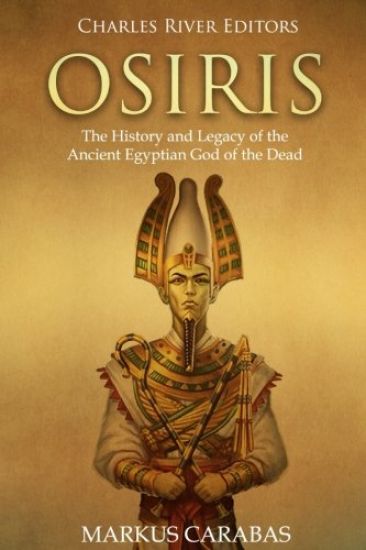
*Includes pictures*Includes ancient accounts*Includes online resources and a bibliography for further readingTo the ancient Egyptians, as was the case with any society made up of inquiring humans, the world was a confusing and often terrifying place of destruction, death and unexplained phenomena. In order to make sense of such an existence, they resorted to teleological stories. Giving a phenomenon a story made it less horrifying, and it also helped them make sense of the world around them. Unsurprisingly, then, the ancient Egyptian gods permeated every aspect of existence. Given the abundance of funerary artifacts that have been found within the sands of Egypt, it sometimes seems as though the Ancient Egyptians were more concerned with the matters of the afterlife than they were with matters of the life they experienced from day to day. This is underscored most prominently by the pyramids, which have captured the world's imagination for centuries. Thus, it's little surprise that Osiris was one of the most important gods in the Egyptian pantheon, and he could well be the most famous of the Egyptian gods today. Aside from the ubiquity of the sun-god Re in much of modern popular culture, it is Osiris who captivates the minds of modern readers most. His story is both familiar and strangely alien. He is the god of the dead, but he became so by the very fact of his mortality. All the gods of ancient Egypt were capable of dying, but Osiris was also a symbol of resurrection, not unlike Christ in Christian theology. Osiris was betrayed by somebody close to him (in this case, his brother Seth) and was murdered and reborn, but here is where Osiris and Christ part ways. Osiris's death is brutal, and his resurrection is the product of his wife Isis's love for him. Furthermore, Osiris was associated with the kings of Egypt because the Egyptians believed he was a king himself. The ancient Egyptians could trace their kings back, one by one, to a time when the gods were believed to have ruled the land in person. Osiris was the third or fourth successor to the Egyptian throne after creation, and the Egyptians believed that Osiris's connection with kingship is what allowed their kings to be reborn in a way themselves. He was also said to be physically enormous - almost 15 and a half feet according to some sources - which was said to have aided him in his military campaigns. Despite his grotesque appearance - it's likely that his green and black skin coloration was an early attempt at depicting putrefaction - Osiris was the epitome of hope and renewal. His skin later came to represent the lush green of the crops around the Nile and the fertile black land they grew out of nearby. He was often shown as a mummified king sitting on a throne with the flail of a pharaoh and the crook of a shepherd, since he was the shepherd of people to the land of the dead, Duat. In fact, although Osiris was said to be capable of sending "demons" to the world of the living, he was generally considered to be a benevolent king of the underworld. Depending on the phenomenon or feeling the ancient Egyptians experienced, there was a corresponding deity and a story to explain the connection. Acclaimed Egyptologist Garry Shaw described this ethos an "an endless repetition of creations, destructions and rebirths, entangled in a net of divine interactions ... each person living] as the hero of his own mythic narrative each day." In this way, the ancient Egyptian would "assimilate" themselves with the corresponding deity that defined their situation at any given time. Osiris: The History and Legacy of the Ancient Egyptian God of the Dead looks at the mythology surrounding one of antiquity's most famous deities. Along with pictures depicting important people, places, and events, you will learn about Osiris like never before.
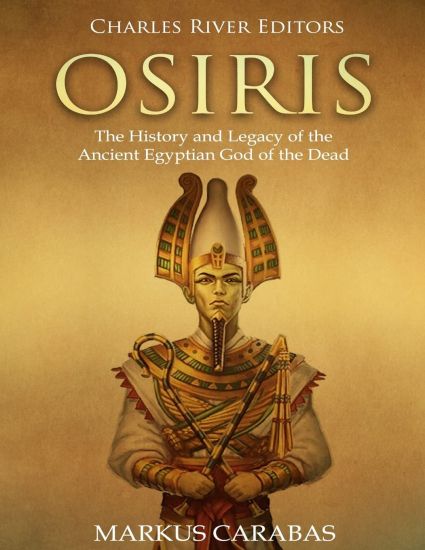
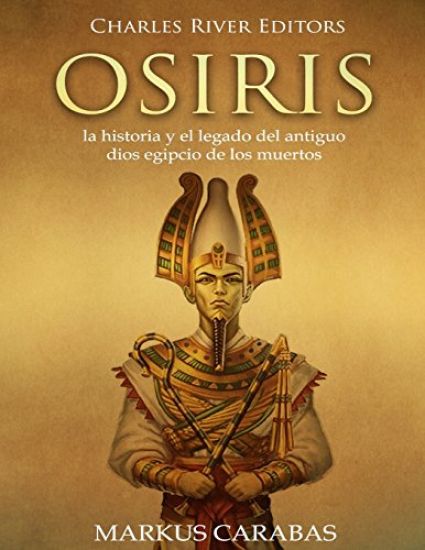
*Includes pictures *Includes ancient accounts *Includes online resources and a bibliography for further reading To the ancient Egyptians, as was the case with any society made up of inquiring humans, the world was a confusing and often terrifying place of destruction, death and unexplained phenomena. In order to make sense of such an existence, they resorted to teleological stories. Giving a phenomenon a story made it less horrifying, and it also helped them make sense of the world around them. Unsurprisingly, then, the ancient Egyptian gods permeated every aspect of existence. Given the abundance of funerary artifacts that have been found within the sands of Egypt, it sometimes seems as though the Ancient Egyptians were more concerned with the matters of the afterlife than they were with matters of the life they experienced from day to day. This is underscored most prominently by the pyramids, which have captured the world's imagination for centuries. Thus, it's little surprise that Osiris was one of the most important gods in the Egyptian pantheon, and he could well be the most famous of the Egyptian gods today. Aside from the ubiquity of the sun-god Re in much of modern popular culture, it is Osiris who captivates the minds of modern readers most. His story is both familiar and strangely alien. He is the god of the dead, but he became so by the very fact of his mortality. All the gods of ancient Egypt were capable of dying, but Osiris was also a symbol of resurrection, not unlike Christ in Christian theology. Osiris was betrayed by somebody close to him (in this case, his brother Seth) and was murdered and reborn, but here is where Osiris and Christ part ways. Osiris's death is brutal, and his resurrection is the product of his wife Isis's love for him. Furthermore, Osiris was associated with the kings of Egypt because the Egyptians believed he was a king himself. The ancient Egyptians could trace their kings back, one by one, to a time when the gods were believed to have ruled the land in person. Osiris was the third or fourth successor to the Egyptian throne after creation, and the Egyptians believed that Osiris's connection with kingship is what allowed their kings to be reborn in a way themselves. He was also said to be physically enormous - almost 15 and a half feet according to some sources - which was said to have aided him in his military campaigns. Despite his grotesque appearance - it's likely that his green and black skin coloration was an early attempt at depicting putrefaction - Osiris was the epitome of hope and renewal. His skin later came to represent the lush green of the crops around the Nile and the fertile black land they grew out of nearby. He was often shown as a mummified king sitting on a throne with the flail of a pharaoh and the crook of a shepherd, since he was the shepherd of people to the land of the dead, Duat. In fact, although Osiris was said to be capable of sending "demons" to the world of the living, he was generally considered to be a benevolent king of the underworld. Depending on the phenomenon or feeling the ancient Egyptians experienced, there was a corresponding deity and a story to explain the connection. Acclaimed Egyptologist Garry Shaw described this ethos an "an endless repetition of creations, destructions and rebirths, entangled in a net of divine interactions ... each person living] as the hero of his own mythic narrative each day." In this way, the ancient Egyptian would "assimilate" themselves with the corresponding deity that defined their situation at any given time. Osiris: The History and Legacy of the Ancient Egyptian God of the Dead looks at the mythology surrounding one of antiquity's most famous deities. Along with pictures depicting important people, places, and events, you will learn about Osiris like never before.
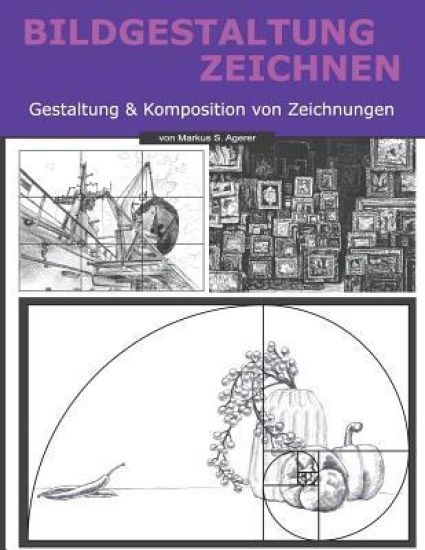
Ein Buch ber die Bildgestaltung in Zeichnungen. Lerne wie Du eigene Bilder kreieren kannst und beim Zeichnen beeindruckende Bildkompositionen erschaffst. In diesem Buch werden die Grundlagen und wichtigsten Regeln der Bildgestaltung vermittelt. Zudem lernst Du auch psychologische Hintergr nde kennen, die unsere Art und Weise wie wir Bilder wahrnehmen beeinflussen. Wichtige Inhalte im berblick: Was ist bedeutet Bildkomposition beim Zeichnen? Ordnungsprinzipien des Bildaufbaus Psychologische Grundlagen der Bildgestaltung Die richtige Bildeinteilung Goldener Schnitt Goldene Spirale Drittelregel Diagonalenmethode Grafische Gestaltungselemente Fl che und Form zur Gestaltung Kontraste f r bessere Kompositionen Perspektive & Raum einsetzen Licht & Schatten Viele Gem lde aus der Welt der Kunst dienen als Bildbeispiele, die zum idealen Verst ndnis der Theorie beitragen sollen. Zudem finden sich auch viele meiner eigenen Zeichnungen und Illustrationen im Buch wieder, wobei ich dabei genauer beschreibe auf welchen Prinzipien meine Bildkomposition beruht.
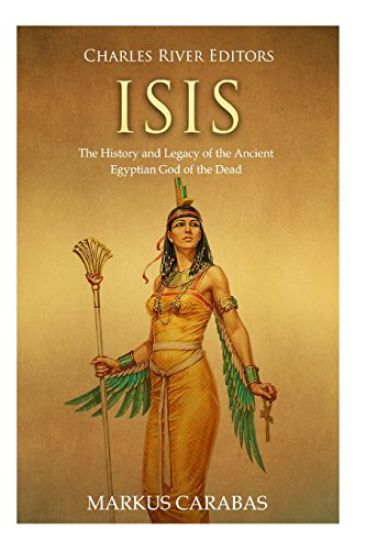
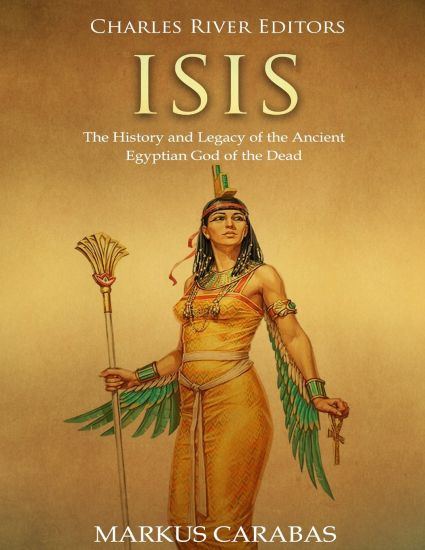
*Includes pictures *Includes ancient accounts *Includes online resources and a bibliography for further reading Africa may have given rise to the first human beings, and Egypt probably gave rise to the first great civilizations, which continue to fascinate modern societies across the globe nearly 5,000 years later. From the Library and Lighthouse of Alexandria to the Great Pyramid at Giza, the Ancient Egyptians produced several wonders of the world, revolutionized architecture and construction, created some of the world's first systems of mathematics and medicine, and established language and art that spread across the known world. With world-famous leaders like King Tut and Cleopatra, it's no wonder that today's world has so many Egyptologists. To the ancient Egyptians, as was the case with any society made up of inquiring humans, the world was a confusing and often terrifying place of destruction, death and unexplained phenomena. In order to make sense of such an existence, they resorted to teleological stories. Giving a phenomenon a story made it less horrifying, and it also helped them make sense of the world around them. Unsurprisingly, then, the ancient Egyptian gods permeated every aspect of existence. Isis first appears during the period of Old Kingdom (ca. 2660-2190 BCE) but only later does she take on her most famous role of being a sister-wife of Osiris. Originally, she is simply the mother of Horus and the details surrounding his conception are more obscure. Her absence in the original myths about Osiris is confirmed by the fact that her appearances at Abydos, a famous cult center of Osiris, are scarce until the New Kingdom (ca. 1549-1069 BCE). In fact, Isis had no known cult center throughout the majority of ancient Egyptian dynastic history, though it didn't seem to have a negative effect on her worship. Isis was one of the nine principal deities of the Egyptian pantheon called the Ennead and her hieroglyph was the throne, a glyph that would later connect her with Osiris, whose hieroglyph was a throne and an eye, and royalty in general. In fact, as the goddess of the throne, she came to represent the "mother" of all the kings of Egypt. Regardless of her royal attributes, however, Isis was fundamentally a healer and a peacemaker. Nevertheless, as time went on and Egypt became more influenced by the outside world, Greece and Rome in particular, Isis came to be seen as the wrathful protector of Egypt and its kings. According to the sources, she was "cleverer than millions of gods" and more capable of protecting the country than "millions of soldiers." What is most fascinating about Isis is the agency she has in her myths, particularly the most famous, that of the death and rebirth cycle of Osiris. In this myth she even demonstrates traits of the female trickster, which is considerably less common in world mythology than the male equivalent. According to one New Kingdom source, Isis transformed herself into an old woman in order to fool the divine ferryman between the worlds of the living and the dead, and she also turned herself into a young woman in order to get Seth to admit that his claim for power was unjust. All the while, she created cultural and geographical mainstays - such as the Nile - while being worshipped as a helper goddess. It is curious that, until the 30th Dynasty, Isis was worshipped in the temples of other gods as she did not have a dedicated cult center of her own. During the 30th Dynasty, this changed with two large temples built in her honor in the Nile Delta. Later on, the Ptolemaic and Roman rulers of Egypt would develop these sites and her worship would outlive the draconian abolishment of pagan religion in Egypt and would even be transported out of Egypt as Isis was revered and worshipped at the farthest reaches of the Roman Empire.
*Includes pictures *Includes ancient accounts *Includes online resources and a bibliography for further reading Africa may have given rise to the first human beings, and Egypt probably gave rise to the first great civilizations, which continue to fascinate modern societies across the globe nearly 5,000 years later. From the Library and Lighthouse of Alexandria to the Great Pyramid at Giza, the Ancient Egyptians produced several wonders of the world, revolutionized architecture and construction, created some of the world's first systems of mathematics and medicine, and established language and art that spread across the known world. With world-famous leaders like King Tut and Cleopatra, it's no wonder that today's world has so many Egyptologists. To the ancient Egyptians, as was the case with any society made up of inquiring humans, the world was a confusing and often terrifying place of destruction, death and unexplained phenomena. In order to make sense of such an existence, they resorted to teleological stories. Giving a phenomenon a story made it less horrifying, and it also helped them make sense of the world around them. Unsurprisingly, then, the ancient Egyptian gods permeated every aspect of existence. Isis first appears during the period of Old Kingdom (ca. 2660-2190 BCE) but only later does she take on her most famous role of being a sister-wife of Osiris. Originally, she is simply the mother of Horus and the details surrounding his conception are more obscure. Her absence in the original myths about Osiris is confirmed by the fact that her appearances at Abydos, a famous cult center of Osiris, are scarce until the New Kingdom (ca. 1549-1069 BCE). In fact, Isis had no known cult center throughout the majority of ancient Egyptian dynastic history, though it didn't seem to have a negative effect on her worship. Isis was one of the nine principal deities of the Egyptian pantheon called the Ennead and her hieroglyph was the throne, a glyph that would later connect her with Osiris, whose hieroglyph was a throne and an eye, and royalty in general. In fact, as the goddess of the throne, she came to represent the "mother" of all the kings of Egypt. Regardless of her royal attributes, however, Isis was fundamentally a healer and a peacemaker. Nevertheless, as time went on and Egypt became more influenced by the outside world, Greece and Rome in particular, Isis came to be seen as the wrathful protector of Egypt and its kings. According to the sources, she was "cleverer than millions of gods" and more capable of protecting the country than "millions of soldiers." What is most fascinating about Isis is the agency she has in her myths, particularly the most famous, that of the death and rebirth cycle of Osiris. In this myth she even demonstrates traits of the female trickster, which is considerably less common in world mythology than the male equivalent. According to one New Kingdom source, Isis transformed herself into an old woman in order to fool the divine ferryman between the worlds of the living and the dead, and she also turned herself into a young woman in order to get Seth to admit that his claim for power was unjust. All the while, she created cultural and geographical mainstays - such as the Nile - while being worshipped as a helper goddess. It is curious that, until the 30th Dynasty, Isis was worshipped in the temples of other gods as she did not have a dedicated cult center of her own. During the 30th Dynasty, this changed with two large temples built in her honor in the Nile Delta. Later on, the Ptolemaic and Roman rulers of Egypt would develop these sites and her worship would outlive the draconian abolishment of pagan religion in Egypt and would even be transported out of Egypt as Isis was revered and worshipped at the farthest reaches of the Roman Empire.
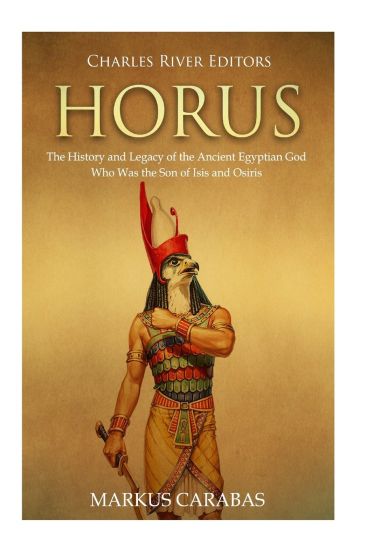
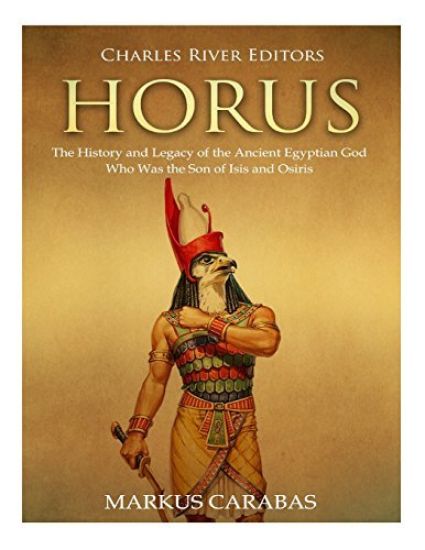
*Includes pictures *Includes ancient accounts *Includes online resources and a bibliography for further reading Africa may have given rise to the first human beings, and Egypt probably gave rise to the first great civilizations, which continue to fascinate modern societies across the globe nearly 5,000 years later. From the Library and Lighthouse of Alexandria to the Great Pyramid at Giza, the Ancient Egyptians produced several wonders of the world, revolutionized architecture and construction, created some of the world's first systems of mathematics and medicine, and established language and art that spread across the known world. With world-famous leaders like King Tut and Cleopatra, it's no wonder that today's world has so many Egyptologists. To the ancient Egyptians, as was the case with any society made up of inquiring humans, the world was a confusing and often terrifying place of destruction, death and unexplained phenomena. In order to make sense of such an existence, they resorted to teleological stories. Giving a phenomenon a story made it less horrifying, and it also helped them make sense of the world around them. Unsurprisingly, then, the ancient Egyptian gods permeated every aspect of existence. There are few characters in Egyptian myth whose image and name are more widely known than Horus. His name most probably means "the Distant One;" as the celestial falcon, his wings were believed to span the length of the distant sky and his eyes were the sun and the moon. This name betrays the connection Horus shared with Re, the "all powerful" sun god, and also hints at his earlier incarnation as one of the earliest celestial gods in Egyptian religious belief. One of the earliest images from ancient Egypt is that of a falcon residing in the famous "sun-Barque" of Re, which the ancient Egyptians believed traversed the sky during the day and crossed the dangerous land of the dead during the night. Horus' place in the sun-barque probably represents Horus as a 'star or planet crossing the Winding Waterway of the sky," since the ancient Egyptians were famous for their complex astronomical system that incorporated many mythical elements, but his position there is much more than being just another of the sun-god's divine entourage. Horus' mythological lineage places him as the direct descendant of the Ennead, the nine gods and goddesses who were formed from the earlier abstract concepts in the primordial waters of "Nun". This places him at an interesting crossroads in terms of his relationships with the greater pantheon. Not being one of the Ennead weakens Horus' claim to the divine right of kingship, in contrast to Seth, his uncle, who could claim primacy as one of the Ennead himself. The result of this contention made for a fascinating power struggle and a myth that would have real-world ramifications throughout the vast expanse of Egyptian history. Horus would eventually ascend the throne of his father, Osiris, and for this reason he held a deep connection with the throne of united Egypt. The earliest kings were shown as hawks (long considered part of the "Falconidae Family") preying on their enemies, the reason for which lies in the mythological foundation of Horus' life and also in the real world understanding of the "history" of the royal line of kings. Integral to Horus' myths is the notion of royal inheritance. Born of the murdered god Osiris and the magical goddess Isis, Horus' - the younger, at least - life was defined by his establishment of the royal line of Egyptian kings. To the modern Western reader, this notion of gods being mortal and inheriting the power of their fathers may seem a little strange, but, to the ancient Egyptians, stories about feuding mortal deities were par for the rather strange course, and an understanding of the nuances of Egyptian religious belief can go some way towards dispelling that confusion.
*Includes pictures *Includes ancient accounts *Includes online resources and a bibliography for further reading Africa may have given rise to the first human beings, and Egypt probably gave rise to the first great civilizations, which continue to fascinate modern societies across the globe nearly 5,000 years later. From the Library and Lighthouse of Alexandria to the Great Pyramid at Giza, the Ancient Egyptians produced several wonders of the world, revolutionized architecture and construction, created some of the world's first systems of mathematics and medicine, and established language and art that spread across the known world. With world-famous leaders like King Tut and Cleopatra, it's no wonder that today's world has so many Egyptologists. To the ancient Egyptians, as was the case with any society made up of inquiring humans, the world was a confusing and often terrifying place of destruction, death and unexplained phenomena. In order to make sense of such an existence, they resorted to teleological stories. Giving a phenomenon a story made it less horrifying, and it also helped them make sense of the world around them. Unsurprisingly, then, the ancient Egyptian gods permeated every aspect of existence. There are few characters in Egyptian myth whose image and name are more widely known than Horus. His name most probably means "the Distant One;" as the celestial falcon, his wings were believed to span the length of the distant sky and his eyes were the sun and the moon. This name betrays the connection Horus shared with Re, the "all powerful" sun god, and also hints at his earlier incarnation as one of the earliest celestial gods in Egyptian religious belief. One of the earliest images from ancient Egypt is that of a falcon residing in the famous "sun-Barque" of Re, which the ancient Egyptians believed traversed the sky during the day and crossed the dangerous land of the dead during the night. Horus' place in the sun-barque probably represents Horus as a 'star or planet crossing the Winding Waterway of the sky," since the ancient Egyptians were famous for their complex astronomical system that incorporated many mythical elements, but his position there is much more than being just another of the sun-god's divine entourage. Horus' mythological lineage places him as the direct descendant of the Ennead, the nine gods and goddesses who were formed from the earlier abstract concepts in the primordial waters of "Nun". This places him at an interesting crossroads in terms of his relationships with the greater pantheon. Not being one of the Ennead weakens Horus' claim to the divine right of kingship, in contrast to Seth, his uncle, who could claim primacy as one of the Ennead himself. The result of this contention made for a fascinating power struggle and a myth that would have real-world ramifications throughout the vast expanse of Egyptian history. Horus would eventually ascend the throne of his father, Osiris, and for this reason he held a deep connection with the throne of united Egypt. The earliest kings were shown as hawks (long considered part of the "Falconidae Family") preying on their enemies, the reason for which lies in the mythological foundation of Horus' life and also in the real world understanding of the "history" of the royal line of kings. Integral to Horus' myths is the notion of royal inheritance. Born of the murdered god Osiris and the magical goddess Isis, Horus' - the younger, at least - life was defined by his establishment of the royal line of Egyptian kings. To the modern Western reader, this notion of gods being mortal and inheriting the power of their fathers may seem a little strange, but, to the ancient Egyptians, stories about feuding mortal deities were par for the rather strange course, and an understanding of the nuances of Egyptian religious belief can go some way towards dispelling that confusion.
frica puede haber sido la cuna de los primeros seres humanos, y Egipto probablemente levant la primera gran civilizaci n que, cinco mil a os despu s, contin a fascinando a las sociedades modernas de todo el globo. Desde la Biblioteca y el Faro de Alejandr a a la Gran Pir mide de Giza, los antiguos egipcios produjeron varias maravillas del mundo, revolucionaron la arquitectura y la construcci n, crearon algunos de los primeros sistemas de matem ticas y medicina del mundo, y establecieron un lenguaje y un arte que se esparci por todo la tierra conocida. Con personajes tan famosos como el Rey Tut Y Cleopatra, no es de sorprender que el mundo de hoy tenga tantos egipt logos. Lo que hace notables los logros de los antiguos egipcios es que el pa s fue hist ricamente un lugar de gran turbulencia pol tica. Su posici n lo hizo tan valioso como vulnerable a los ojos de otros pueblos a lo largo del Mediterr neo y el Medio Oriente; adem s, el Antiguo Egipto no careci de luchas intestinas. Sus m s famosos conquistadores vendr an de Europa, con Alejandro Magno poniendo los fundamentos de la dinast a ptolemaica hel nica, y con los romanos acabando con ese linaje luego de derrotar a Cleopatra y llevarla al suicidio. Dada la abundancia de artefactos funerarios que han sido hallados en las arenas de Egipto, a veces parece como si los egipcios estuvieran m s preocupados con los asuntos del m s all que en las cosas que experimentaban en su d a a d a. Esto destaca a n m s gracias a las pir mides, que han capturado la imaginaci n del mundo durante siglos. En consecuencia, no es de sorprender que Osiris fuese uno de los dioses m s importantes del pante n egipcio, tanto, que hoy en d a podr a ser el m s famoso de los dioses egipcios. Apartando la ubicuidad del dios sol Re en la cultura popular moderna, es Osiris quien captura las mentes de los lectores modernos. Su historia es tan familiar como extra amente ajena. Es el dios de los muertos, pero se convirti en eso por su sola mortalidad. Todos los dioses del antiguo Egipto eran capaces de morir, pero Osiris era tambi n un s mbolo de resurrecci n, no muy distinto a Cristo en la teolog a cristiana. Osiris fue traicionado por alguien cercano a l (en este caso su hermano Set), fue asesinado y renaci , pero aqu es donde Osiris y Cristo se diferencian. La muerte de Osiris es brutal, y su resurrecci n es el producto del amor de su esposa Isis hacia l. M s a n, Osiris fue asociado con los reyes de Egipto porque los egipcios cre an que l mismo era un rey. Los antiguos egipcios pod an listar a todos sus reyes, uno por uno, hasta el tiempo en que se cre a que los dioses gobernaron la tierra en persona. Osiris fue el tercero o cuarto sucesor en el trono egipcio despu s de la creaci n, y los egipcios cre an que la conexi n de Osiris con la monarqu a era permitir que sus reyes mismos renacieran. Se dec a tambi n que f sicamente era enorme -alrededor de cinco metros de acuerdo a algunas fuentes- lo que le ayud en sus campa as militares. Dependiendo del fen meno o del sentimiento que los antiguos egipcios experimentaran, hab a una deidad o historia correspondiente para explicar la conexi n. El aclamado egipt logo Gary Shaw describ a este ethos como una "una interminable repetici n de creaciones, destrucciones y renacimientos, formando una red de interacciones divinas... cada persona viviente] es cada d a el h roe de su propia narrativa m tica" . De esta forma, los antiguos egipcios se "asimilaban" a la deidad correspondiente que defin a su situaci n en un momento dado. Shaw brind un excelente conjunto de ejemplos sobre este tema: "Una persona con un dolor de cabeza se convert a en Horus Ni o, cuidado por su madre, que asimismo se convert a en Isis; en la muerte, el difunto se transformaba en diversos dioses mientras se desplazaba por el mundo de la otra vida, asumiendo por un rato la autoridad
frica puede haber sido la cuna de los primeros seres humanos, y Egipto probablemente levant la primera gran civilizaci n que, cinco mil a os despu s, contin a fascinando a las sociedades modernas de todo el globo. Desde la Biblioteca y el Faro de Alejandr a a la Gran Pir mide de Giza, los antiguos egipcios produjeron varias maravillas del mundo, revolucionaron la arquitectura y la construcci n, crearon algunos de los primeros sistemas de matem ticas y medicina del mundo, y establecieron un lenguaje y un arte que se esparci por todo la tierra conocida. Con personajes tan famosos como el Rey Tut Y Cleopatra, no es de sorprender que el mundo de hoy tenga tantos egipt logos. Lo que hace notables los logros de los antiguos egipcios es que el pa s fue hist ricamente un lugar de gran turbulencia pol tica. Su posici n lo hizo tan valioso como vulnerable a los ojos de otros pueblos a lo largo del Mediterr neo y el Medio Oriente; adem s, el Antiguo Egipto no careci de luchas intestinas. Sus m s famosos conquistadores vendr an de Europa, con Alejandro Magno poniendo los fundamentos de la dinast a ptolemaica hel nica, y con los romanos acabando con ese linaje luego de derrotar a Cleopatra y llevarla al suicidio. Dada la abundancia de artefactos funerarios que han sido hallados en las arenas de Egipto, a veces parece como si los egipcios estuvieran m s preocupados con los asuntos del m s all que en las cosas que experimentaban en su d a a d a. Esto destaca a n m s gracias a las pir mides, que han capturado la imaginaci n del mundo durante siglos. En consecuencia, no es de sorprender que Osiris fuese uno de los dioses m s importantes del pante n egipcio, tanto, que hoy en d a podr a ser el m s famoso de los dioses egipcios. Apartando la ubicuidad del dios sol Re en la cultura popular moderna, es Osiris quien captura las mentes de los lectores modernos. Su historia es tan familiar como extra amente ajena. Es el dios de los muertos, pero se convirti en eso por su sola mortalidad. Todos los dioses del antiguo Egipto eran capaces de morir, pero Osiris era tambi n un s mbolo de resurrecci n, no muy distinto a Cristo en la teolog a cristiana. Osiris fue traicionado por alguien cercano a l (en este caso su hermano Set), fue asesinado y renaci , pero aqu es donde Osiris y Cristo se diferencian. La muerte de Osiris es brutal, y su resurrecci n es el producto del amor de su esposa Isis hacia l. M s a n, Osiris fue asociado con los reyes de Egipto porque los egipcios cre an que l mismo era un rey. Los antiguos egipcios pod an listar a todos sus reyes, uno por uno, hasta el tiempo en que se cre a que los dioses gobernaron la tierra en persona. Osiris fue el tercero o cuarto sucesor en el trono egipcio despu s de la creaci n, y los egipcios cre an que la conexi n de Osiris con la monarqu a era permitir que sus reyes mismos renacieran. Se dec a tambi n que f sicamente era enorme -alrededor de cinco metros de acuerdo a algunas fuentes- lo que le ayud en sus campa as militares. Dependiendo del fen meno o del sentimiento que los antiguos egipcios experimentaran, hab a una deidad o historia correspondiente para explicar la conexi n. El aclamado egipt logo Gary Shaw describ a este ethos como una "una interminable repetici n de creaciones, destrucciones y renacimientos, formando una red de interacciones divinas... cada persona viviente] es cada d a el h roe de su propia narrativa m tica" . De esta forma, los antiguos egipcios se "asimilaban" a la deidad correspondiente que defin a su situaci n en un momento dado. Shaw brind un excelente conjunto de ejemplos sobre este tema: "Una persona con un dolor de cabeza se convert a en Horus Ni o, cuidado por su madre, que asimismo se convert a en Isis; en la muerte, el difunto se transformaba en diversos dioses mientras se desplazaba por el mundo de la otra vida, asumiendo por un rato la autoridad