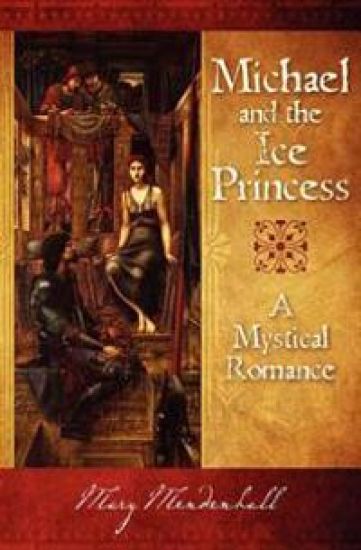
A lyrical novel with a fairy-tale plot, this fresh presentation of the enduring quest story is a fascinating literary introduction to Western mystical thought. "Drawing on rich and eclectic sources, Mary Mendenhall has produced a memorable tapestry of great power and beauty," a London reviewer commented of the first edition. "How can someone be blessed and cursed at the same time?" An unpaid debt. A cursed king. The chilling reminder, "There is a power greater than yours," when his wife dies in childbirth, his daughter is lost, and his kingdom crumbles. Sensing that all is not right, the forgotten princess embarks on a journey of self-discovery alone, misunderstood and confused, wandering in search of home...and then she meets Michael, a craftsman craving fulfillment. But the Ice Princess is not like the fairy-tale figures of the Snow Queen, North Wind, or the White Witch: she is a flesh-and-blood woman with a quest of her own. Reminiscent of the storytelling styles of Elizabeth Goudge and George MacDonald, Michael and the Ice Princess offers an ideal 'bedtime story' in the old oral tradition. Suitable for older youth and anyone who craves spirituality tucked within a fairy tale, it's an enchanting journey through the world of sages of long ago who still have something to say to modern souls. Praise from readers: "It really is a journey inward, taking the reader into his own depths"-Elizabeth Sherrill, author"Extremely beguiling and imaginative"- A.E. Rawlinson, London "A charming tale. The tensions of warm and cold, fire and snow, male and female, rich and poor, dark and light, good and evil all give your tale a texture which delights the eye and the heart."-S. Tobias, Episcopal Priest"Hey, it's got pictures AND music in it WooHoo " -- a young fan of medieval fantasy Winner of 2 Literary Awards: Book Excellence Award finalist for Christian Fiction and Maincrest Media Award for Fairy Tale/Mythology.
Who are we? What blend of gene, heritage, family or culture conjoin to make us who and what we are? How is one predisposed by an unknown past to the life set before him? Irish, orphaned and abandoned, a toddler is literally handed off to strangers only to be judged inferior and passed on to an exploitive spinster seeking support for her old age. Michael, a second novel by Ann O'Farrell, evolves from her first engrossing tale, Norah's Children. This time O'Farrell explores the family theme as it relates to the transcendent emotional ties of need, loyalty and self worth. Michael's duality must overcome his conflicted world of loyalties to country (England/ Ireland) and family (biological/ surrogate) ... then comes love and World War II. ... sensitive ... compelling ... poignant ... A rich, moving exploration of the meaning of family, in all its guises.' Kirkus Discoveries .... I did not want the book to end." Frank West, Irish American News ... ensnaring writing ... I had hair tingling reactions at high points in the story. John O'Brien Ohio Irish American News ... a forlorn tale woven into one of optimism. Sharon Greer. The Celtic Connection. ... what a wonderful book Linda E. Burg. The Little Read Book Wauwatosa. WI
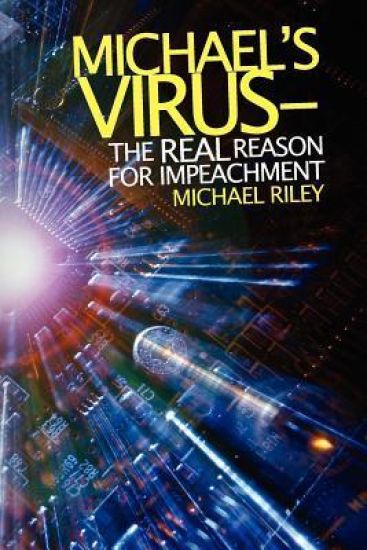
The main stream media has convinced the world that Bill Clinton was only the 2nd US President ever impeached because he lied about having a mistress. Does sexual misconduct REALLY rise to the level of impeachment of the most powerful man in the world? Or did something else happen? This book details another aspect of the China-gate scandal. Is this what China got for their money? (Or one of the things?) An American, 40 year veteran of the computer service industry, tried to warn the world about a undetectable, malicious computer code that caused computers to fail prematurely. Then, he was attacked. Why would the US president attack an American citizen who was trying to protect America? This is what really happened in 1996 - An incredible situation that Hillary was involved in too.
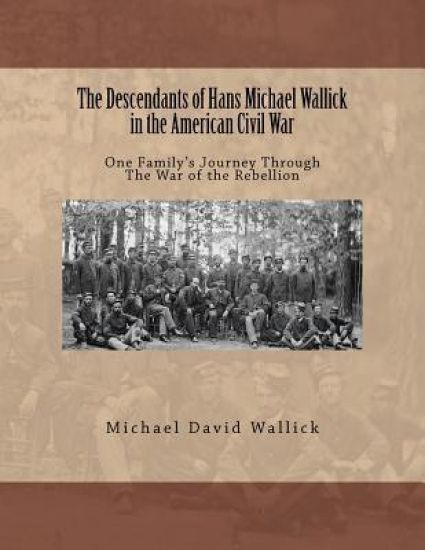
This is the revised edition of the Wallick family's participation in the American Civil War. Two new soldier's stories are told in this renewed volume and several original biographies have been updated with recently discovered materials.Patriarch Hans Michael Wallick arrived in America from Germany in the year 1732. In the one hundred and twenty-nine years between his arrival and the outbreak of the American Civil War, his family had greatly multiplied and prospered, which created a large population of military-aged men. From Lincoln's first call-up of soldiers after the attack on Fort Sumter to Lee's surrender at Appomattox Courthouse, twenty-five Wallicks served in the Union army. These men were at the battles of Gettysburg, Shiloh, Vicksburg, Chancellorsville and Chickamauga, plus many other engagements. Some became prisoners of war and one participated in the most daring and successful escape attempt of the entire conflict. His heroic service is even documented in a United States House of Representatives committee report. Four young men never returned home and three are now buried in our national cemeteries. The war forever changed the lives of these Wallick soldiers, and this book is a chronicle of their service to our country.