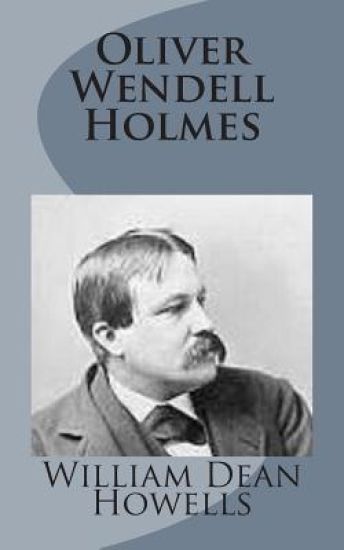
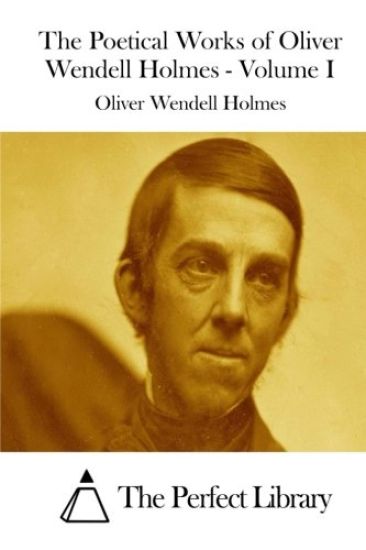
In the things of the world, he had fences, and looked at some people through palings and even over the broken bottles on the tops of walls; and I think he was the loser by this, as well as they. But then I think all fences are bad, and that God has made enough differences between men; we need not trouble ourselves to multiply them. Even behind his fences, however, Holmes had a heart kind for the outsiders.
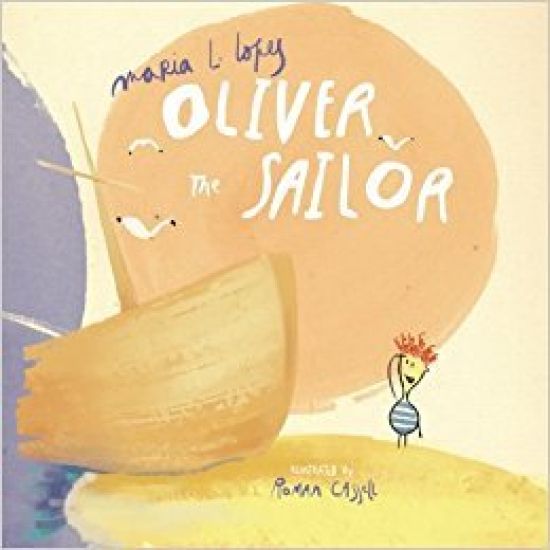
The Quest wanted him It brought him to a world that suffered under the rule of an evil tyrant.A strange dark world where it seemed that everything was trying to kill him.It gave him new friends, danger, adventure, hope and despair.It could not give him courage to face adversity... he had to find that himself But he was the key. Without him the quest would fail and the suffering would continue.Would young Oliver succeed where others had horribly failed?
This edition contains the original and unabridged text of Oliver Twist by Charles Dickens.Oliver Twist, the second novel by Charles Dickens, is about an orphan who endures a miserable existence in a workhouse before he is placed with an undertaker. He escapes and travels to London where he meets the Artful Dodger, leader of a gang of juvenile pickpockets. Na vely unaware of their unlawful activities, Oliver is led to the lair of their elderly criminal trainer Fagin.Oliver Twist is notable for Dickens's unromantic portrayal of criminals and their sordid lives. The book exposed the cruel treatment of the many orphans in London during the Dickensian era. An early example of the social novel, the book calls the public's attention to various contemporary evils, including child labour, the recruitment of children as criminals, and the presence of street children. Dickens mocks the hypocrisies of his time by surrounding the novel's serious themes with sarcasm and dark humour. It is likely that Dickens's own early youth as a child labourer contributed to the story's development.
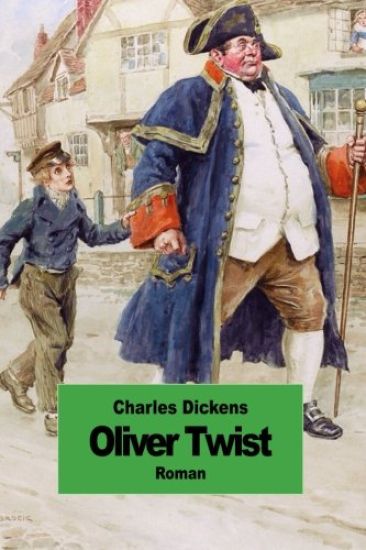
Oliver Twist, promis une vie de pauvret et de malheur, est n dans l'hospice d'une ville sans nom, encore que, dans les premi res parutions, elle apparaisse comme tant Mulfrog, situ e quelque soixante-dix milles au nord de Londres, sans doute Northampton. Orphelin d s son premier souffle, sa m re, inconnue et trouv e dans la rue sans alliance, d c dant en couches et son p re n' tant m me pas mentionn . Faute d'ant c dents, il re oit son nom de Mr Bumble, le pompeux bedeau de la paroisse et g rant de l'hospice. Oliver tombe sous la protection de la Loi sur les pauvres (Poor Law) selon laquelle il a droit une maigre pitance...
Oliver Twist, subtitled The Parish Boy's Progress, is the second novel by English author Charles Dickens, published by Richard Bentley in 1838. The story is about an orphan, Oliver Twist, who endures a miserable existence in a workhouse and then is placed with an undertaker. He escapes and travels to London where he meets the Artful Dodger, leader of a gang of juvenile pickpockets. Na vely unaware of their unlawful activities, Oliver is led to the lair of their elderly criminal trainer Fagin.
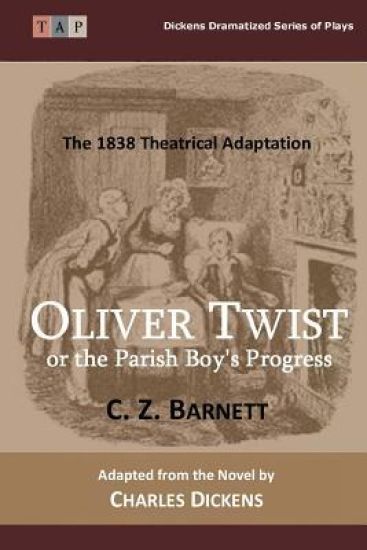
Oliver Twist, subtitled The Parish Boy's Progress, is the second novel by English author Charles Dickens, published by Richard Bentley in 1838. The story is about an orphan, Oliver Twist, who endures a miserable existence in a workhouse and then is placed with an undertaker. He escapes and travels to London where he meets the Artful Dodger, leader of a gang of juvenile pickpockets. Na vely unaware of their unlawful activities, Oliver is led to the lair of their elderly criminal trainer Fagin. Oliver Twist is notable for Dickens's unromantic portrayal of criminals and their sordid lives. The book exposed the cruel treatment of the many orphans in London during the Dickensian era. The book's subtitle, The Parish Boy's Progress, alludes to Bunyan's The Pilgrim's Progress and also to a pair of popular 18th-century caricature series by William Hogarth, A Rake's Progress and A Harlot's Progress. An early example of the social novel, the book calls the public's attention to various contemporary evils, including child labour, the recruitment of children as criminals, and the presence of street children. Dickens mocks the hypocrisies of his time by surrounding the novel's serious themes with sarcasm and dark humour. The novel may have been inspired by the story of Robert Blincoe, an orphan whose account of hardships as a child labourer in a cotton mill was widely read in the 1830s. It is likely that Dickens's own early youth as a child labourer contributed to the story's development. Oliver Twist has been the subject of numerous film and television adaptations, and is the basis for a highly successful musical play and the multiple Academy Award winning 1968 motion picture made from it.
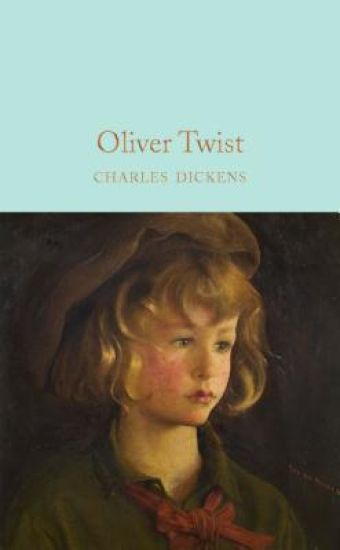
Oliver Twist is one of Charles Dickens's most popular novels, with many famous film, television and musical adaptations. It tells the story of the orphaned Oliver who is brought up in a harsh workhouse, then initiated into the criminal world of Fagin and his gang, before being eventually rescued by a loving family. This is a classic story of good against evil, packed with humour and pathos, drama and suspense, and peopled with some of Dickens' most memorable characters.This Macmillan Collector's Library edition features original illustrations by George Cruikshank, with an afterword by Sam Gilpin.Designed to appeal to the booklover, the Macmillan Collector's Library is a series of beautiful gift editions of much loved classic titles. Macmillan Collector's Library are books to love and treasure.