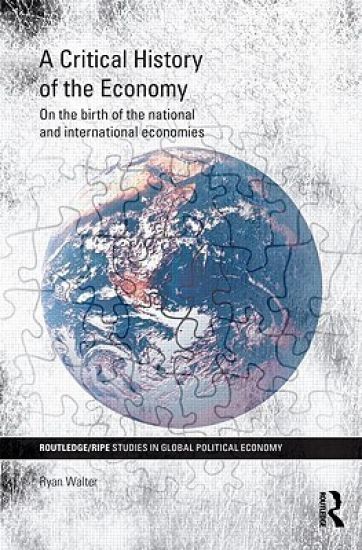
Drawing on recent debates in critical International Political Economy, this book mobilizes the idea that the economy does not exist separately from society and politics to develop a detailed intellectual history of how the economy came to be seen as an independent domain. In contrast to typical approaches to writing the history of economic thought, which assume the reality of the economy, the author describes the forms of intellectual argument that made it possible to conceive of the national and international economies as objects of intellectual inquiry. At the centre of this process was the analytical separation of power and wealth. Walter thus offers a broad historical perspective on the emergence of current IPE theory, while linking the field with contextualist intellectual history. This important and innovative volume will be of strong interest to students and scholars of International Political Economy, International Relations, Economics, History and Political Theory.
This book examines the crime-terror nexus in South Asia, focusing in particular on the activities of non-state actors that operate out of Pakistan, and challenges the conventional wisdom that the Pakistan Taleban (TTP) and Al-Qaeda are Pakistan’s most serious security threats.Much research has focused on the policies of India and Pakistan towards Kashmir. But surprisingly little attention has been paid to several notable Pakistan-based non-state actors who are increasingly operating on their own, and who have the potential to greatly inhibit, if not derail, the peace process there. These groups blur the line between terrorism and organized crime with serious implications for policy in the region. India and Pakistan can engage in confidence-building measures, but if criminal actors such as Lashkar-i-Taiba (LeT) and D-Company cannot effectively be controlled, a lack of trust between both sides will remain. Although the role of regular military forces is not to be discounted, many of the non-state actors in Indian-Held Kashmir, such as LeT, are not confined by the same restraints as state forces, thus allowing them engage in more violent actions without fear of reprisal. In order for lawmakers, security personnel, and others to develop sound, comprehensive policies, these forces and their potential to undermine political initiatives must be fully appreciated. This book explores the dynamics of the relationship between Pakistan, D-Company, and LeT and how it affects strategic thought, decision-making, and security interests in the region and explains the triangular relationships between states, terrorist groups, and organized criminal syndicates in general, and in India and Pakistan in particular. This book will of much interest to students of South Asian politics, terrorism, organised crime, war and conflict studies, and Security Studies in general.
While legal scholars, psychologists, and political scientists commonly voice their skepticism over the influence oral arguments have on the Court’s voting pattern, this book offers a contrarian position focused on close scrutiny of the justices’ communication within oral arguments. Malphurs examines the rhetoric, discourse, and subsequent decision-making within the oral arguments for significant Supreme Court cases, visiting their potential power and danger and revealing the rich dynamic nature of the justices’ interactions among themselves and the advocates. In addition to offering advancements in scholars’ understanding of oral arguments, this study introduces Sensemaking as an alternative to rational decision-making in Supreme Court arguments, suggesting a new model of judicial decision-making to account for the communication within oral arguments that underscores a glaring irony surrounding the bulk of related research—the willingness of scholars to criticize oral arguments but their unwillingness to study this communication. With the growing accessibility of the Court’s oral arguments and the inevitable introduction of television cameras in the courtroom, this book offers new theoretical and methodological perspectives at a time when scholars across the fields of communication, law, psychology, and political science will direct even greater attention and scrutiny toward the Supreme Court.
This book examines the crime-terror nexus in South Asia, focusing in particular on the activities of non-state actors that operate out of Pakistan, and challenges the conventional wisdom that the Pakistan Taleban (TTP) and Al-Qaeda are Pakistan’s most serious security threats.Much research has focused on the policies of India and Pakistan towards Kashmir. But surprisingly little attention has been paid to several notable Pakistan-based non-state actors who are increasingly operating on their own, and who have the potential to greatly inhibit, if not derail, the peace process there. These groups blur the line between terrorism and organized crime with serious implications for policy in the region. India and Pakistan can engage in confidence-building measures, but if criminal actors such as Lashkar-i-Taiba (LeT) and D-Company cannot effectively be controlled, a lack of trust between both sides will remain. Although the role of regular military forces is not to be discounted, many of the non-state actors in Indian-Held Kashmir, such as LeT, are not confined by the same restraints as state forces, thus allowing them engage in more violent actions without fear of reprisal. In order for lawmakers, security personnel, and others to develop sound, comprehensive policies, these forces and their potential to undermine political initiatives must be fully appreciated. This book explores the dynamics of the relationship between Pakistan, D-Company, and LeT and how it affects strategic thought, decision-making, and security interests in the region and explains the triangular relationships between states, terrorist groups, and organized criminal syndicates in general, and in India and Pakistan in particular. This book will of much interest to students of South Asian politics, terrorism, organised crime, war and conflict studies, and Security Studies in general.
Nick Ryan spent six arduous years traveling amongst a huge array of right-wing extremists. Winning the trust of the men and women at the heart of these movements - from bombers to presidential candidates, across Europe and the USA - Into A World Of Hate is the tale of his gripping odyssey.
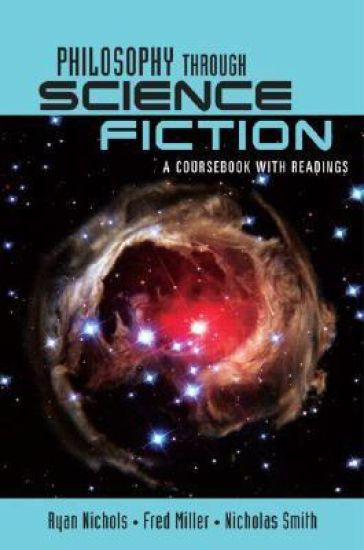
Philosophy Through Science Fiction offers a fun, challenging, and accessible way in to the issues of philosophy through the genre of science fiction. Tackling problems such as the possibility of time travel, or what makes someone the same person over time, the authors take a four-pronged approach to each issue, providing· a clear and concise introduction to each subject · a science fiction story that exemplifies a feature of the philosophical discussion· historical and contemporary philosophical texts that investigate the issue with rigor, and· glossary, plot profiles of pertinent science fiction stories and films, and questions for further reflection.Philosophy Through Science Fiction includes stories from contemporary science fiction writers including Greg Egan and Mike Resnick, as well as from classic authors like Philip K. Dick and Robert Heinlein. Philosophy readings include historical pieces by René Descartes and David Hume, and contemporary pieces by John Searle and Mary Midgley.
Philosophy Through Science Fiction offers a fun, challenging, and accessible way in to the issues of philosophy through the genre of science fiction. Tackling problems such as the possibility of time travel, or what makes someone the same person over time, the authors take a four-pronged approach to each issue, providing· a clear and concise introduction to each subject · a science fiction story that exemplifies a feature of the philosophical discussion· historical and contemporary philosophical texts that investigate the issue with rigor, and· glossary, plot profiles of pertinent science fiction stories and films, and questions for further reflection.Philosophy Through Science Fiction includes stories from contemporary science fiction writers including Greg Egan and Mike Resnick, as well as from classic authors like Philip K. Dick and Robert Heinlein. Philosophy readings include historical pieces by René Descartes and David Hume, and contemporary pieces by John Searle and Mary Midgley.
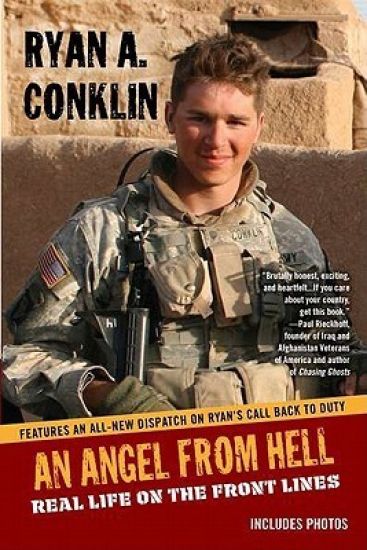
With new material- the gripping war memoir by a young veteran and cast member of The Real World: Brooklyn. With new material about Ryan Conklin's second tour in Iraq, An Angel from Hell is a gritty, blunt, sometimes laugh-out-loud Iraq war memoir from the grunt's perspective. This is an edgy, candid report from the front lines and a captivating coming-of-age story by a young veteran and former cast member of The Real World: Brooklyn. With stunning candor and wisdom beyond his years, Ryan Conklin gives voice to a complex and life-changing experience for his generation.
Meet secondhand shop owner Sarah Grayson and her rescue cat, Elvis, in the first novel in the New York Times bestselling Second Chance Cat Mystery series... Sarah Grayson is the happy proprietor of Second Chance, a charming shop in the oceanfront town of North Harbor, Maine. At the shop, she sells used items that she has lovingly refurbished and repurposed. But her favorite pet project so far has been adopting a stray cat she names Elvis. Elvis has seen nine lives--and then some. The big black cat with a scar across his nose turned up at a local bar when the band was playing the King of Rock and Roll's music and hopped in Sarah's truck. Since then, he's been her constant companion and the furry favorite of everyone who comes into the store. But when Sarah's elderly friend Maddie is found with the body of a dead man in her garden, the kindly old lady becomes the prime suspect in the murder. Even Sarah's old high school flame, investigator Nick Elliot, seems convinced that Maddie was up to no good. So it's up to Sarah and Elvis to clear her friend's name and make sure the real murderer doesn't get a second chance.
Things get stickey when Sarah Grayson and her cat, Elvis, must solve the murder of a troublesome baker in the second novel in the New York Times bestselling Second Chance Cat Mystery series. Things have been quiet in the coastal town of North Harbor, Maine, since Sarah Grayson and her rescue cat, Elvis, solved their first murder. Sarah is happy running Second Chance, the shop where she sells lovingly refurbished and repurposed items. But then she gets dragged into a controversy over developing the waterfront. Most of the residents--including Sarah--are for it, but there is one holdout--baker Lily Carter. So when Lily is found murdered in her bakery, it looks like somebody wanted to remove the only obstacle to the development. But Sarah soon discovers that nothing is as simple as it seems. Now, with the help of her cat's uncanny ability to detect a lie, Sarah is narrowing down the suspects. But can she collar the culprit before the ruthless killer pounces again?
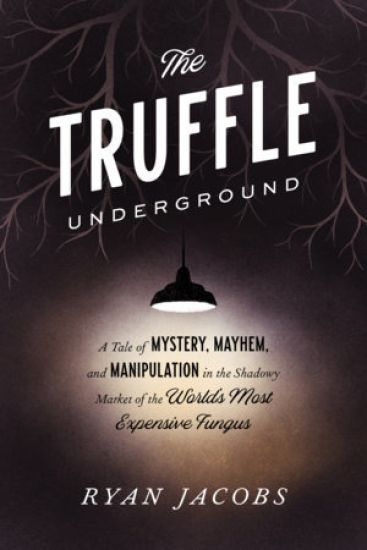
A thrilling journey through the hidden underworld of the world's most prized luxury ingredient. Beneath the gloss of star chefs and crystal-laden tables, the truffle supply chain is touched by theft, secrecy, sabotage, and fraud. Farmers patrol their fields with rifles and fear losing trade secrets to spies. Hunters plant poisoned meatballs to eliminate rival truffle-hunting dogs. Naive buyers and even knowledgeable experts are duped by liars and counterfeits. Deeply reported and elegantly written, this page-turning expos documents the dark, sometimes deadly crimes at each level of the truffle's path from ground to plate, making sense of an industry that traffics in scarcity, seduction, and cash. Through it all, a question lingers: What, other than money, draws people to these dirt-covered knobs?
Two masters of offbeat humor combine the mindless fun of children's coloring books and the hilariously soul-crushing realities of modern adult life. From two writers with over 150 YouTube videos and more than 65 million views to their credit.
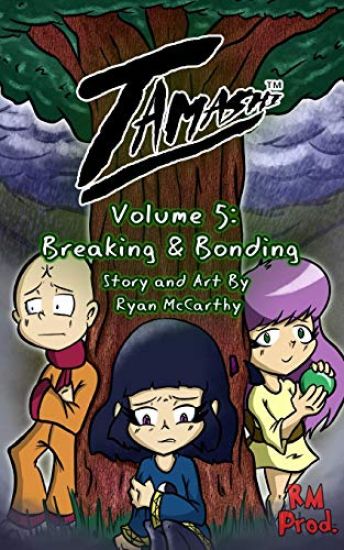
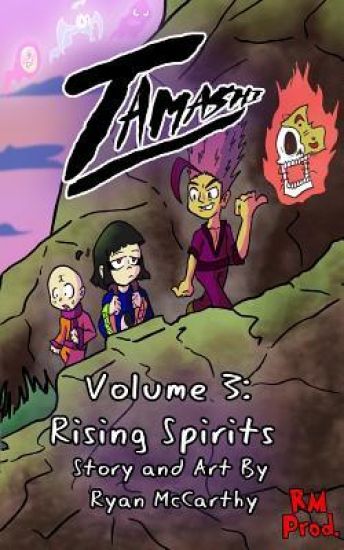
Tamashi is lost and alone in the mysterious Ancient Land. Attempting to get home, she faces many trials, and defeats many foes. Through her adventures she encounters people with abnormal skills and abilities. Together, they will need guidance and help to survive in this prejudiced land. Tamashi and Sui-mo continue their journey through the vast Ancient Land. After helping Ehako and the citizens of Mizurai, the two Childs head to Fujishi Village. Being the home of the Fujishi Family, the Town of the Mind is a well known place of dread for Children of the Ancient Land. What is supposed to be a simple walk through town, quickly becomes a huge test of trust and friendship between the two Childs. Contains Chapters 21-25
Everything we know about drugs-from acid to epidemics to DARE and salvia-turns out to be wrongStock up on munchies and line up your water bottles: journalist Ryan Grim will take you on a cross-country tour of illicit drug use in the U.S.-from the agony (the huge DEA bust of an acid lab in an abandoned missile silo in Kansas) to the ecstasy (hallucinogens at raves and music festivals). Along the way, Grim discovers some surprising truths. Did anti-drug campaigns actually encourage more drug use? Did acid really disappear in the early 2000s? And did meth peak years ago? Did our Founding Fathers-or, better yet, their wives-get high just as much as we do?Traces the evolution of United States's long and twisted relationship with drugsGives surprising answers to questions such as: how did heroin become popular, when did the meth epidemic peak, and has LSD gone the way of QuaaludesBased on solid reporting and wide-ranging research-including surveys, reports, historical accounts, and moreNot since Eric Schlosser ventured underground to marijuana's black market in Reefer Madness has a reporter trained such a keen eye on drugs and culture. A powerful and often shocking history of one of our knottiest social and cultural problems, This is Your Country on Drugs leads you on a profound exploration of what it means to be an American.
Your key to making this revolutionary new approach work for you and your organizationGoogle Apps are Web-based, low-cost (or free!) office productivity tools that do everything those expensive applications do — and you can access them from any computer with an Internet connection. Google Apps For Dummies boosts your "app-titude" by giving you the low-down on choosing, setting up, and using these nifty and powerful gadgets for work or play. Whether you're an individual who wants to take advantage of iGoogle or an organization looking for an enterprise-wide training solution for users at all levels, this comprehensive, practical guide brings you up to speed with all of the basic information and advanced tips and tricks you need to make good use of every Google Apps's tool and capability. Discover how to: Get productive fast with free or inexpensive Web-based appsDesign your perfect Start Page layoutChoose among the different editionsUse Gmail and Google TalkWork with Google Docs and spreadsheet documentsCreate and collaborate on documentsImport events into your calendarBuild dazzling presentationsUse Dashboard to create and manage user accountsCreate a Web page with a unique domain setting Google Apps are poised to shatter the primacy of the current way of working with PCs, saving businesses, schools, government agencies, and individuals big bucks on software, network infrastructure, and administration.
As the search for alternative fuels heats up, no topic is hotter than fuel cells. Filling a glaring gap in the literature, Fuel Cell Fundamentals, Second Edition gives advanced undergraduate and beginning level graduate students an important introduction to the basic science and engineering behind fuel cell technology. Emphasizing the foundational scientific principles that apply to any fuel cell type or technology, the text provides straightforward descriptions of how fuel cells work, why they offer the potential for high efficiency, and how their unique advantages can best be used. Designed to be accessible to fuel cell beginners, the text is suitable for any engineering or science major with a background in calculus, basic physics, and elementary thermodynamics. This new edition provides updated and enhanced examples, problems, and pedagogy for classroom use and features a significantly enlarged section on the practical applications of fuel cell technology. A solutions manual will be developed.
"Prefab Architecture . . . is beyond theory, and beyond most of what we think we know about pods, containers, mods, and joints. This book is more than 'Prefabrication 101.' It is the Joy of Cooking writ large for the architecture and construction industries." ?From the Foreword by James Timberlake, FAIA THE DEFINITIVE REFERENCE ON PREFAB ARCHITECTURE FOR ARCHITECTS AND CONSTRUCTION PROFESSIONALS Written for architects and related design and construction professionals, Prefab Architecture is a guide to off-site construction, presenting the opportunities and challenges associated with designing and building with components, panels, and modules. It presents the drawbacks of building in situ (on-site) and demonstrates why prefabrication is the smarter choice for better integration of products and processes, more efficient delivery, and realizing more value in project life cycles. In addition, Prefab Architecture provides: A selected history of prefabrication from the Industrial Revolution to current computer numerical control, and a theory of production from integrated processes to lean manufacturingCoverage on the tradeoffs of off-site fabrication including scope, schedule, and cost with the associated principles of labor, risk, and qualityUp-to-date products featuring examples of prefabricated structure, enclosure, service, and nterior building systemsDocumentation on the constraints and execution of manufacturing, factory production, transportation, and assemblyDozens of recent examples of prefab projects by contemporary architects and fabricators including KieranTimberlake, SHoP Architects, Office dA, Michelle Kaufmann, and many others In Prefab Architecture, the fresh approaches toward creating buildings that accurately convey ature and expanded green building methodologies make this book an important voice for adopting change in a construction industry entrenched in traditions of the past.
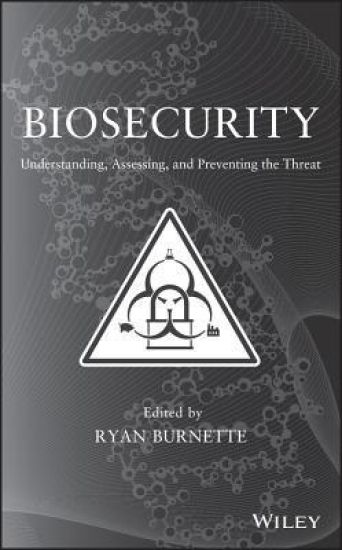
Learn how to assess and prevent biosecurity threats to protect public health and national security With contributions from experts in all facets of biosecurity, this book explains the fundamental elements of biosecurity as well as the related concepts of biosafety and biosurety, detailing how all three concepts fit within the framework of biodefense. Readers are then given the tools needed to assess and prevent biosecurity threats and vulnerabilities. The book explores the nature of biosecurity threats to research laboratories as well as to agriculture, food, and mass transit. Moreover, readers will learn how to apply principles of biosecurity to assess epidemics and protect public health. Biosecurity takes a detailed look at today's biosecurity policy, explaining how it is likely to evolve given current and potential threats to national security. The authors stress the importance of education and advocacy, helping readers develop effective programs to build public awareness and preparedness. The book also presents a novel tool to assess the effectiveness of laboratory biosafety and biosecurity programs. Biosecurity is divided into four parts: Part I: An Introduction to BiosecurityPart II: Elements of BiosecurityPart III: Biosecurity in Various SectorsPart IV: Biosecurity Policy, Bioterrorism, and the Future This book will instill a deep understanding of what biosecurity is and what it is not. It urges readers to think about the importance of biosecurity as it relates to national security, safety, and health. By exposing major flaws in global biosecurity thinking, Biosecurity sets forth a clear pathway to correct those errors and build stronger biosecurity programs.
Everything we know about drugs-from acid to epidemics to DARE and salvia-turns out to be wrongStock up on munchies and line up your water bottles: journalist Ryan Grim will take you on a cross-country tour of illicit drug use in the U.S.-from the agony (the huge DEA bust of an acid lab in an abandoned missile silo in Kansas) to the ecstasy (hallucinogens at raves and music festivals). Along the way, Grim discovers some surprising truths. Did anti-drug campaigns actually encourage more drug use? Did acid really disappear in the early 2000s? And did meth peak years ago? Did our Founding Fathers-or, better yet, their wives-get high just as much as we do?Traces the evolution of United States's long and twisted relationship with drugsGives surprising answers to questions such as: how did heroin become popular, when did the meth epidemic peak, and has LSD gone the way of QuaaludesBased on solid reporting and wide-ranging research-including surveys, reports, historical accounts, and moreNot since Eric Schlosser ventured underground to marijuana's black market in Reefer Madness has a reporter trained such a keen eye on drugs and culture. A powerful and often shocking history of one of our knottiest social and cultural problems, This is Your Country on Drugs leads you on a profound exploration of what it means to be an American.