

Kirjahaku
Etsi kirjoja tekijän nimen, kirjan nimen tai ISBN:n perusteella.
1000 tulosta hakusanalla Allison Reed

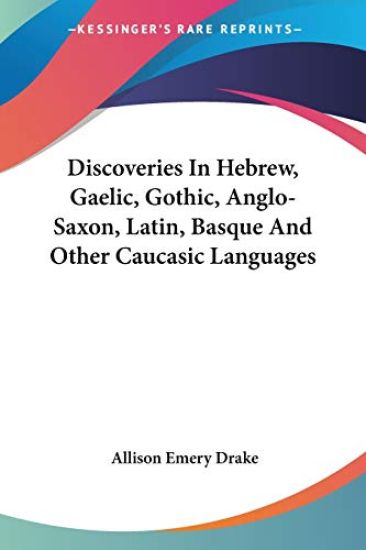
Discoveries in Hebrew, Gaelic, Gothic, Anglo-saxon, Latin, Basque and Other Caucasic Languages
Allison Emery Drake
Kessinger Pub
2007
pokkari
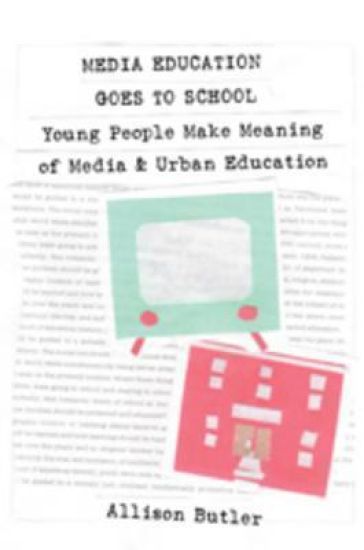
Media Education Goes to School examines the struggles involved in integrating media education across the curriculum at a small urban school. Based on quasi-ethnographic research – specifically semi-formal individual and group interviews with twenty-one participants and participant-observation – the text focuses on how students understand and make meaning of media education in their schools, and what they know about urban education and urban school reform. The book argues against the neoliberal ethos that continuously harms urban youth and the rhetoric of new school reform that replicates, not heals, subjected social positions. Media education is a necessity in secondary schooling, but it cannot be thoroughly integrated into schools until significant structural changes are made in education: this book positions the site of change through the struggles students express with their own experience of education.
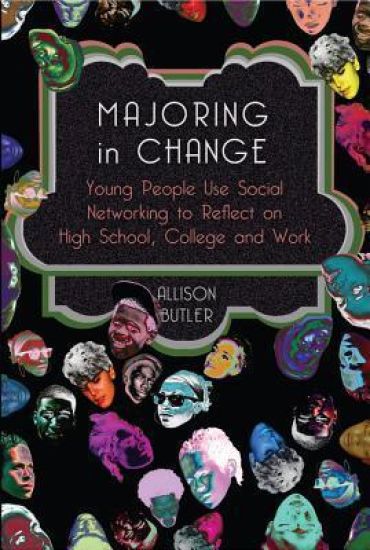
This volume presents a long-term qualitative study that follows 20 New York City public high school students as they make the transition into college and work. The primary data are the young people’s reflections on high school, how they felt unprepared for college or career, and the subsequent work they have done in order to succeed. The text critiques the current state of secondary and university education, especially the neoliberal emphasis on private industry and competition. However, it claims that a critical media literacy intervention can provide young people with the skills to challenge their environments and realize they are part of, not apart from, larger social issues. One unique feature of the text is its datagathering method: Stories are culled from in-person interviews and, most importantly, electronic interviews conducted on Facebook. The research was conducted, and this book written, to illustrate the very real struggles and socioeconomic challenges of young people and works to create proactive, productive change on their behalf.
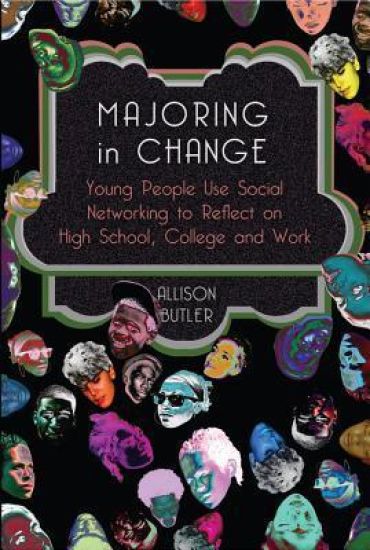
This volume presents a long-term qualitative study that follows 20 New York City public high school students as they make the transition into college and work. The primary data are the young people’s reflections on high school, how they felt unprepared for college or career, and the subsequent work they have done in order to succeed. The text critiques the current state of secondary and university education, especially the neoliberal emphasis on private industry and competition. However, it claims that a critical media literacy intervention can provide young people with the skills to challenge their environments and realize they are part of, not apart from, larger social issues. One unique feature of the text is its datagathering method: Stories are culled from in-person interviews and, most importantly, electronic interviews conducted on Facebook. The research was conducted, and this book written, to illustrate the very real struggles and socioeconomic challenges of young people and works to create proactive, productive change on their behalf.
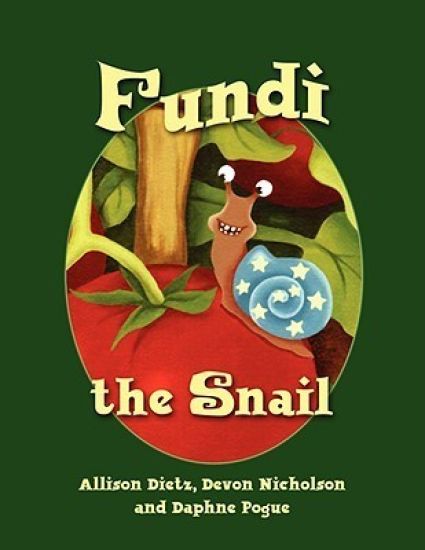
Fundi the Snail is the story of a young gastropod who leaves home in search of experience and knowledge. Daring to face the harsh light of day and the dangers of the sunlit world, Fundi sets out on a quest that teaches him of the hazards, excitement and beauty of the unfamiliar, and the ultimate importance of home and family. The vibrantly colored, charming illustrations add to the wonderful character of the story and help to create this heartfelt and timeless tale of curiosity, adventure and love.



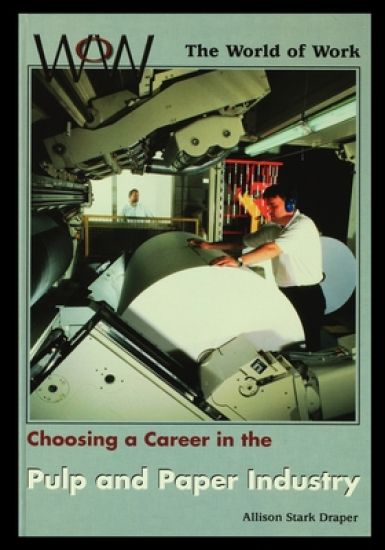

Hydropower of the Future: New Ways of Turning Water Into Energy
Allison Draper
ROSEN PUBLISHING GROUP
2003
nidottu
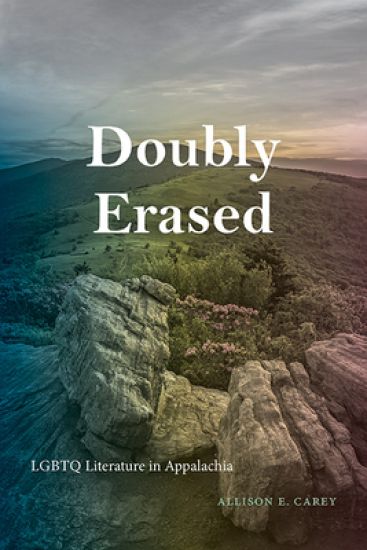
A wide-ranging overview of contemporary literary works by LGBTQ Appalachians with a focus on LGBTQ themes and characters.The first book of its kind, Doubly Erased is a comprehensive study of the rich tradition of LGBTQ themes and characters in Appalachian novels, memoirs, poetry, drama, and film. Appalachia has long been seen as homogenous and tradition-bound. Allison E. Carey helps to remedy this misunderstanding, arguing that it has led to LGBTQ Appalachian authors being doubly erased-routinely overlooked both within United States literature because they are Appalachian and within the Appalachian literary tradition because they are queer. In exploring motifs of visibility, silence, storytelling, home, food, and more, Carey brings the full significance and range of LGBTQ Appalachian literature into relief. Dorothy Allison's Bastard Out of Carolina and Alison Bechdel's Fun Home are considered alongside works by Maggie Anderson, doris davenport, Jeff Mann, Lisa Alther, Julia Watts, Fenton Johnson, and Silas House, as well as filmmaker Beth Stephens. While primarily focused on 1976 to 2020, Doubly Erased also looks back to the region's literary "elders," thoughtfully mapping the place of sexuality in the lives and works of George Scarbrough, Byron Herbert Reece, and James Still.
A wide-ranging overview of contemporary literary works by LGBTQ Appalachians with a focus on LGBTQ themes and characters.The first book of its kind, Doubly Erased is a comprehensive study of the rich tradition of LGBTQ themes and characters in Appalachian novels, memoirs, poetry, drama, and film. Appalachia has long been seen as homogenous and tradition-bound. Allison E. Carey helps to remedy this misunderstanding, arguing that it has led to LGBTQ Appalachian authors being doubly erased-routinely overlooked both within United States literature because they are Appalachian and within the Appalachian literary tradition because they are queer. In exploring motifs of visibility, silence, storytelling, home, food, and more, Carey brings the full significance and range of LGBTQ Appalachian literature into relief. Dorothy Allison's Bastard Out of Carolina and Alison Bechdel's Fun Home are considered alongside works by Maggie Anderson, doris davenport, Jeff Mann, Lisa Alther, Julia Watts, Fenton Johnson, and Silas House, as well as filmmaker Beth Stephens. While primarily focused on 1976 to 2020, Doubly Erased also looks back to the region's literary "elders," thoughtfully mapping the place of sexuality in the lives and works of George Scarbrough, Byron Herbert Reece, and James Still.