Kirjojen hintavertailu. Mukana 11 342 296 kirjaa ja 12 kauppaa.

Kirjahaku

Etsi kirjoja tekijän nimen, kirjan nimen tai ISBN:n perusteella.

1000 tulosta hakusanalla Edgar Wind

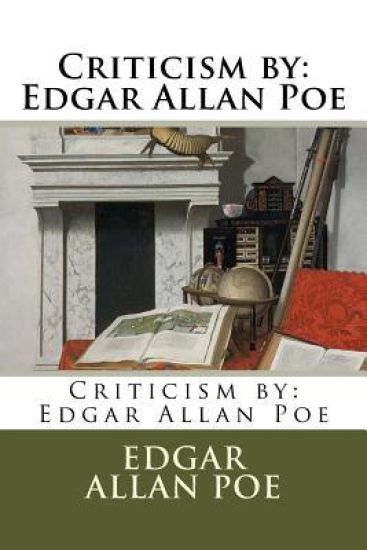
Criticism by: Edgar Allan Poe

Criticism by: Edgar Allan Poe

Edgar Allan Poe

Createspace Independent Publishing Platform
2017
nidottu
Edgar Allan Poe born Edgar Poe; January 19, 1809 - October 7, 1849) was an American writer, editor, and literary critic. Poe is best known for his poetry and short stories, particularly his tales of mystery and the macabre. He is widely regarded as a central figure of Romanticism in the United States and American literature as a whole, and he was one of the country's earliest practitioners of the short story. Poe is generally considered the inventor of the detective fiction genre and is further credited with contributing to the emerging genre of science fiction. 1] He was the first well-known American writer to try to earn a living through writing alone, resulting in a financially difficult life and career. Poe was born in Boston, the second child of two actors. His father abandoned the family in 1810, and his mother died the following year. Thus orphaned, the child was taken in by John and Frances Allan of Richmond, Virginia. They never formally adopted him, but Poe was with them well into young adulthood. Tension developed later as John Allan and Edgar repeatedly clashed over debts, including those incurred by gambling, and the cost of secondary education for the young man. Poe attended the University of Virginia for one semester but left due to lack of money. Poe quarreled with Allan over the funds for his education and enlisted in the Army in 1827 under an assumed name. It was at this time that his publishing career began, albeit humbly, with the anonymous collection Tamerlane and Other Poems (1827)
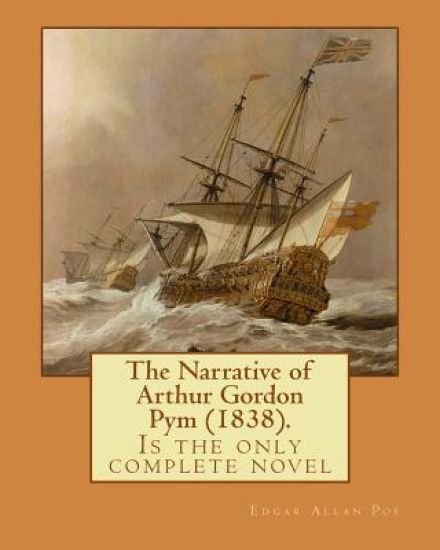
The Narrative of Arthur Gordon Pym (1838). By: Edgar Allan Poe: The Narrative of Arthur Gordon Pym of Nantucket (1838) is the only complete novel writ
The Narrative of Arthur Gordon Pym of Nantucket (1838) is the only complete novel written by American writer Edgar Allan Poe. The work relates the tale of the young Arthur Gordon Pym, who stows away aboard a whaling ship called the Grampus. Various adventures and misadventures befall Pym, including shipwreck, mutiny, and cannibalism, before he is saved by the crew of the Jane Guy. Aboard this vessel, Pym and a sailor named Dirk Peters continue their adventures farther south. Docking on land, they encounter hostile black-skinned natives before escaping back to the ocean. The novel ends abruptly as Pym and Peters continue toward the South Pole. The story starts out as a fairly conventional adventure at sea, but it becomes increasingly strange and hard to classify. Poe, who intended to present a realistic story, was inspired by several real-life accounts of sea voyages, and drew heavily from Jeremiah N. Reynolds and referenced the Hollow Earth theory. He also drew from his own experiences at sea. Analyses of the novel often focus on the potential autobiographical elements as well as hints of racism and the symbolism in the final lines of the work. Difficulty in finding literary success early in his short story-writing career inspired Poe to pursue writing a longer work. A few serialized installments of The Narrative of Arthur Gordon Pym of Nantucket were first published in the Southern Literary Messenger, though never completed. The full novel was published in July 1838 in two volumes. Some critics responded negatively to the work for being too gruesome and for cribbing heavily from other works, while others praised its exciting adventures. Poe himself later called it "a very silly book". In the years since its publication, The Narrative of Arthur Gordon Pym of Nantucket became an influential work, notably for Herman Melville and Jules Verne.... Edgar Allan Poe ( born Edgar Poe; January 19, 1809 - October 7, 1849) was an American writer, editor, and literary critic. Poe is best known for his poetry and short stories, particularly his tales of mystery and the macabre. He is widely regarded as a central figure of Romanticism in the United States and American literature as a whole, and he was one of the country's earliest practitioners of the short story. Poe is generally considered the inventor of the detective fiction genre and is further credited with contributing to the emerging genre of science fiction. 1] He was the first well-known American writer to try to earn a living through writing alone, resulting in a financially difficult life and career. 2] Poe was born in Boston, the second child of two actors. His father abandoned the family in 1810, and his mother died the following year. Thus orphaned, the child was taken in by John and Frances Allan of Richmond, Virginia. They never formally adopted him, but Poe was with them well into young adulthood. Tension developed later as John Allan and Edgar repeatedly clashed over debts, including those incurred by gambling, and the cost of secondary education for the young man. Poe attended the University of Virginia for one semester but left due to lack of money. Poe quarreled with Allan over the funds for his education and enlisted in the Army in 1827 under an assumed name. It was at this time that his publishing career began, albeit humbly, with the anonymous collection Tamerlane and Other Poems (1827), credited only to "a Bostonian". With the death of Frances Allan in 1829, Poe and Allan reached a temporary rapprochement. However, Poe later failed as an officer cadet at West Point, declaring a firm wish to be a poet and writer, and he ultimately parted ways with John Allan....
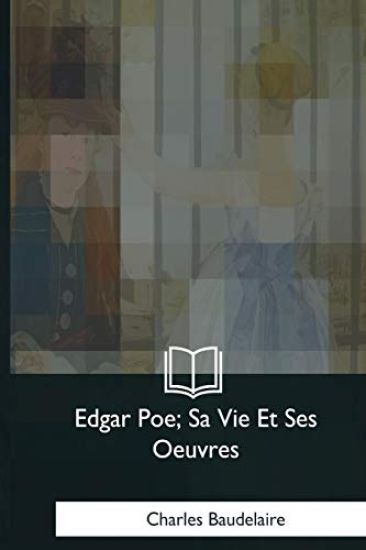
Edgar Poe, Sa Vie Et Ses Oeuvres

Edgar Poe, Sa Vie Et Ses Oeuvres

Charles Baudelaire

Createspace Independent Publishing Platform
2018
nidottu
Dans ces derniers temps, un malheureux fut amen devant nos tribunaux, dont le front tait illustr d'un rare et singulier tatouage: Pas de chance Il portait ainsi au-dessus de ses yeux l' tiquette de sa vie, comme un livre son titre, et l'interrogatoire prouve que ce bizarre criteau tait cruellement v ridique. Il y a, dans l'histoire litt raire, des destin es analogues, de vraies damnations, - des hommes qui portent le mot guignon crit en caract res myst rieux dans les plis sinueux de leur front. L'Ange aveugle de l'expiation s'est empar d'eux et les fouette tour de bras pour l' dification des autres. En vain leur vie montre-t-elle des talents, des vertus, de la gr ce; la Soci t a pour eux un anath me sp cial, et accuse en eux les infirmit s que sa pers cution leur a donn es. - Que ne fit pas Hoffmann pour d sarmer la destin e, et que n'entreprit pas Balzac pour conjurer la fortune ? - Existe-t-il donc une Providence diabolique qui pr pare le malheur d s le berceau, - qui jette avec pr m ditation des natures spirituelles et ang liques dans des milieux hostiles, comme des martyrs dans les cirques ? Y a-t-il donc des mes sacr es, vou es l'autel, condamn es marcher la mort et la gloire travers leurs propres ruines ? Le cauchemar des T n bres assi gera-t-il ternellement ces mes de choix ? Vainement elles se d battent, vainement elles se ferment au monde, ses pr voyances, ses ruses; elles perfectionneront la prudence, boucheront toutes les issues, matelasseront les fen tres contre les projectiles du hasard; mais le Diable entrera par la serrure; une perfection sera le d faut de leur cuirasse, et une qualit superlative le germe de leur damnation.
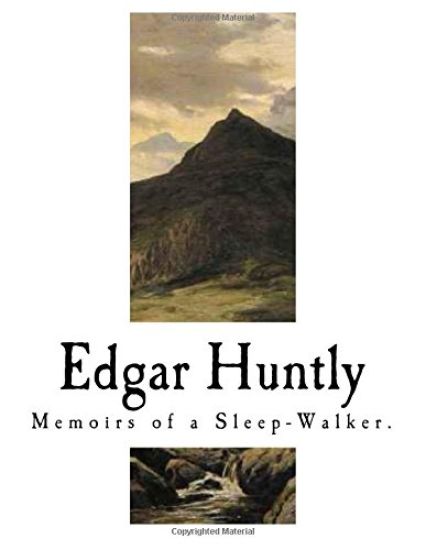
Edgar Huntly: Memoirs of a Sleep-Walker

Edgar Huntly: Memoirs of a Sleep-Walker

Charles Brockden Brown

Createspace Independent Publishing Platform
2017
nidottu
Edgar Huntly; or, Memoirs of a Sleep-Walker by Charles Brockden Brown. Edgar Huntly, Or, Memoirs of a Sleepwalker is a 1799 novel by the American author Charles Brockden Brown. Edgar Huntly, a young man who lives with his uncle and sisters (his only remaining family) on a farm outside Philadelphia, is determined to learn who murdered his friend Waldegrave. Walking near the elm tree under which Waldegrave was killed late one night, Huntly sees Clithero, a servant from a neighboring farm, half-dressed, digging in the ground and weeping loudly. Huntly concludes that Clithero may be the murderer. He also concludes that Clithero is sleepwalking. Huntly decides to follow Clithero when he sleep walks. Clithero leads Huntly through rough countryside, but all this following doesn't lead to Huntly learning much about the murder. Eventually, Huntly confronts Clithero when they are both awake and demands that he confess. Clithero does confess, but not to Waldegrave's murder. Instead he tells a complicated story about his life in Ireland, where he believes he was responsible for the death of a woman who was his patron, after which he fled to Pennsylvania. Clithero claims to know nothing about Waldegrave's murder.
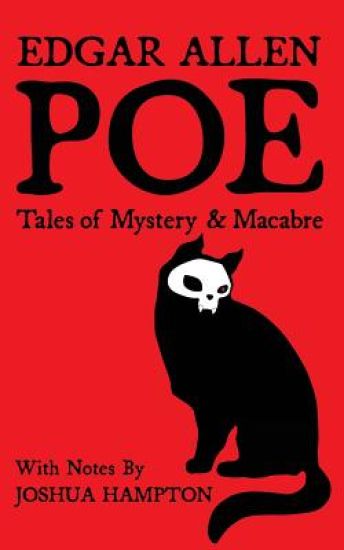
Edgar Allen Poe: Tales of Mystery and Macabre: Illustrated Edition

Edgar Allen Poe: Tales of Mystery and Macabre: Illustrated Edition

Edgar Allen Poe

Createspace Independent Publishing Platform
2017
nidottu
Edgar Allen Poe (1809 - 1849) was an American writer, editor, and literary critic best known for his gothic short stories and poetry. TALES OF MYSTERY & MACABRE is a collection of his best known writings, accompanied by illustrations and publication notes. It's the perfect edition for readers just discovering Poe's distinguished body of work, as well as those wishing to revisit the mysterious and terrifying writings of an American master.
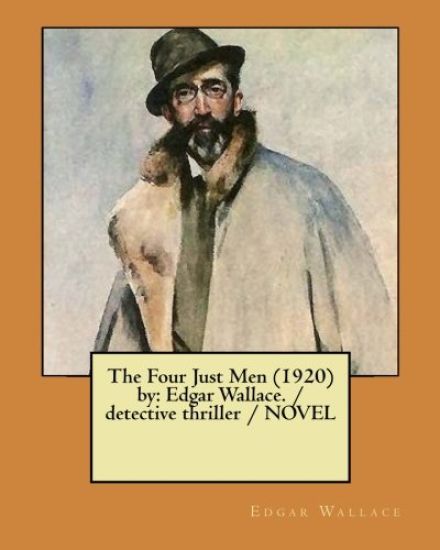
The Four Just Men (1920) by: Edgar Wallace. / detective thriller / NOVEL

The Four Just Men (1920) by: Edgar Wallace. / detective thriller / NOVEL

Edgar Wallace

Createspace Independent Publishing Platform
2017
nidottu
The Four Just Men is a detective thriller published in 1905 by the British writer Edgar Wallace. The eponymous "Just Men" appear in several sequels.Edgar Wallace formed the idea of The Four Just Men - four wealthy gentleman vigilantes (including a European prince) who punish wrong-doers who are beyond the reach of the Law - while returning to England in 1905. He had to create his own publishing company, Tallis, to publish it and decided to manage a 'guess the murder method' competition in the Daily Mail with a prize of 1,000 (equivalent in purchasing power to at least 93,000 in 2013). Wallace intended to advertise the book on an unprecedented scale, not just in Britain itself but across the Empire. He approached the proprietor, Lord Harmsworth for the loan of the 1,000 and was promptly refused, but Wallace pressed ahead anyway. His alarmed workmates at the Mail prevailed upon him to lower the prize money to 500: a 250 first prize, 200 second prize and 50 third prize, but were unable to restrain him in the privacy of his home. Wallace had advertisements placed on buses, hoardings, flyers, and so forth, running up an incredible bill of 2,000. Though he knew he needed the book to sell sufficient copies to make 2,500 before he saw any profit, Wallace was confident that this would be achieved in the first three months of the book going on sale, hopelessly underestimating the expenses
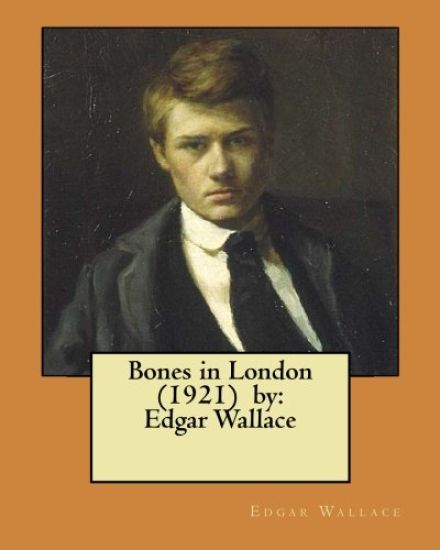
Bones in London (1921) by: Edgar Wallace

Bones in London (1921) by: Edgar Wallace

Edgar Wallace

Createspace Independent Publishing Platform
2017
nidottu
Richard Horatio Edgar Wallace (1 April 1875 - 10 February 1932) was an English writer. Born into poverty as an illegitimate London child, Wallace left school at age 12. He joined the army at age 21 and was a war correspondent during the Second Boer War, for Reuters and the Daily Mail. Struggling with debt, he left South Africa, returned to London, and began writing thrillers to raise income, publishing books including The Four Just Men (1905). Drawing on his time as a reporter in the Congo, covering the Belgian atrocities, Wallace serialised short stories in magazines such as The Windsor Magazine and later published collections such as Sanders of the River (1911). He signed with Hodder and Stoughton in 1921 and became an internationally recognised author. The new managing director of Schemes Ltd. has an elegant London office and a theatrically dressed assistant. However Bones, as he is better known, is bored. Luckily there is a slump in the shipping market and it is not long before Joe and Fred Pole pay Bones a visit.
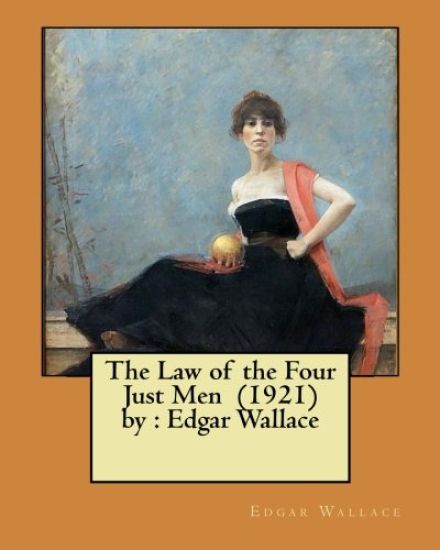
The Law of the Four Just Men (1921) by: Edgar Wallace

The Law of the Four Just Men (1921) by: Edgar Wallace

Edgar Wallace

Createspace Independent Publishing Platform
2017
nidottu
Richard Horatio Edgar Wallace (1 April 1875 - 10 February 1932) was an English writer. Born into poverty as an illegitimate London child, Wallace left school at age 12. He joined the army at age 21 and was a war correspondent during the Second Boer War, for Reuters and the Daily Mail. Struggling with debt, he left South Africa, returned to London, and began writing thrillers to raise income, publishing books including The Four Just Men (1905). Drawing on his time as a reporter in the Congo, covering the Belgian atrocities, Wallace serialised short stories in magazines such as The Windsor Magazine and later published collections such as Sanders of the River (1911). He signed with Hodder and Stoughton in 1921 and became an internationally recognised author.
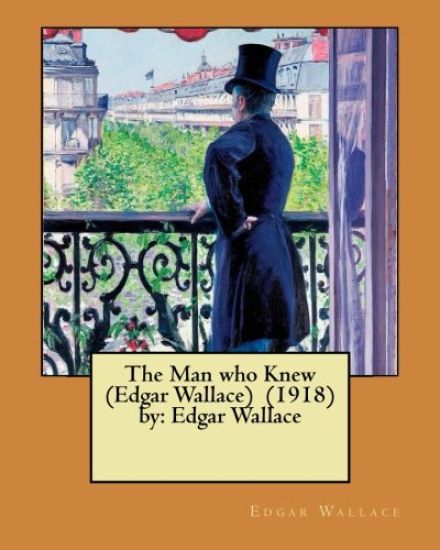
The Man who Knew (Edgar Wallace) (1918) by: Edgar Wallace

The Man who Knew (Edgar Wallace) (1918) by: Edgar Wallace

Edgar Wallace

Createspace Independent Publishing Platform
2017
nidottu
Richard Horatio Edgar Wallace (1 April 1875 - 10 February 1932) was an English writer. Born into poverty as an illegitimate London child, Wallace left school at age 12. He joined the army at age 21 and was a war correspondent during the Second Boer War, for Reuters and the Daily Mail. Struggling with debt, he left South Africa, returned to London, and began writing thrillers to raise income, publishing books including The Four Just Men (1905). Drawing on his time as a reporter in the Congo, covering the Belgian atrocities, Wallace serialised short stories in magazines such as The Windsor Magazine and later published collections such as Sanders of the River (1911). He signed with Hodder and Stoughton in 1921 and became an internationally recognised author.
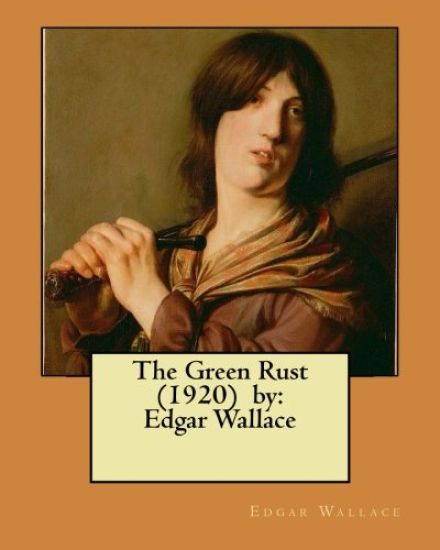
The Green Rust (1920) by: Edgar Wallace

The Green Rust (1920) by: Edgar Wallace

Edgar Wallace

Createspace Independent Publishing Platform
2017
nidottu
Richard Horatio Edgar Wallace (1 April 1875 - 10 February 1932) was an English writer. Born into poverty as an illegitimate London child, Wallace left school at age 12. He joined the army at age 21 and was a war correspondent during the Second Boer War, for Reuters and the Daily Mail. Struggling with debt, he left South Africa, returned to London, and began writing thrillers to raise income, publishing books including The Four Just Men (1905). Drawing on his time as a reporter in the Congo, covering the Belgian atrocities, Wallace serialised short stories in magazines such as The Windsor Magazine and later published collections such as Sanders of the River (1911). He signed with Hodder and Stoughton in 1921 and became an internationally recognised author. The new managing director of Schemes Ltd. has an elegant London office and a theatrically dressed assistant. However Bones, as he is better known, is bored. Luckily there is a slump in the shipping market and it is not long before Joe and Fred Pole pay Bones a visit.
The Works of Edgar Allan Poe In Five Volumes. Vol. 1

The Works of Edgar Allan Poe In Five Volumes. Vol. 1

Edgar Allan Poe

Createspace Independent Publishing Platform
2017
nidottu
The name Poe brings to mind images of murderers and madmen, premature burials, and mysterious women who return from the dead. His works have been in print since 1827 and include such literary classics as The Tell-Tale Heart, The Raven, and The Fall of the House of scientific theory, and hundreds of essays and book reviews. He is widely acknowledged as the inventor of the modern detective story and an innovator in the science fiction genre, but he made his living as america s first great literary critic and theoretician. F Collier & Son published a five volume collection of Poe's work in hardback in 1903. This is volume 1.
The Works of Edgar Allan Poe In Five Volumes

The Works of Edgar Allan Poe In Five Volumes

Edgar Allan Poe

Createspace Independent Publishing Platform
2017
nidottu
This book is a result of an effort made by us towards making a contribution to the preservation and repair of original classic literature. In an attempt to preserve, improve and recreate the original content, we have worked towards: 1. Type-setting & Reformatting: The complete work has been re-designed via professional layout, formatting and type-setting tools to re-create the same edition with rich typography, graphics, high quality images, and table elements, giving our readers the feel of holding a 'fresh and newly' reprinted and/or revised edition, as opposed to other scanned & printed (Optical Character Recognition - OCR) reproductions. 2. Correction of imperfections: As the work was re-created from the scratch, therefore, it was vetted to rectify certain conventional norms with regard to typographical mistakes, hyphenations, punctuations, blurred images, missing content/pages, and/or other related subject matters, upon our consideration. Every attempt was made to rectify the imperfections related to omitted constructs in the original edition via other references. However, a few of such imperfections which could not be rectified due to intentional\unintentional omission of content in the original edition, were inherited and preserved from the original work to maintain the authenticity and construct, relevant to the work. We believe that this work holds historical, cultural and/or intellectual importance in the literary works community, therefore despite the oddities, we accounted the work for print as a part of our continuing effort towards preservation of literary work and our contribution towards the development of the society as a whole, driven by our beliefs. We are grateful to our readers for putting their faith in us and accepting our imperfections with regard to preservation of the historical content. HAPPY READING
The Works of Edgar Allan Poe In Five Volumes. Vol. 3

The Works of Edgar Allan Poe In Five Volumes. Vol. 3

Edgar Allan Poe

Createspace Independent Publishing Platform
2017
nidottu
The name Poe brings to mind images of murderers and madmen, premature burials, and mysterious women who return from the dead. His works have been in print since 1827 and include such literary classics as The Tell-Tale Heart, The Raven, and The Fall of the House of scientific theory, and hundreds of essays and book reviews. He is widely acknowledged as the inventor of the modern detective story and an innovator in the science fiction genre, but he made his living as america s first great literary critic and theoretician. F Collier & Son published a five volume collection of Poe's work in hardback in 1903. This is volume 3.
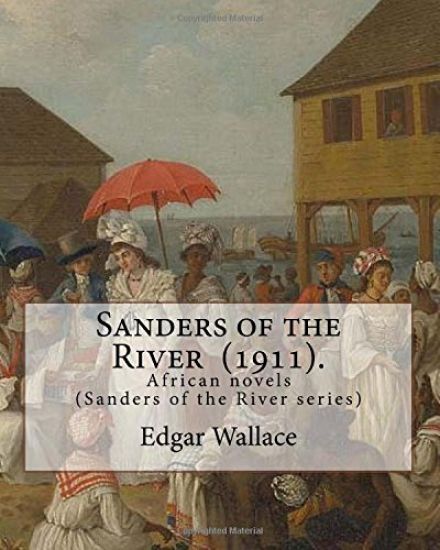
Sanders of the River (1911). By: Edgar Wallace: African novels (Sanders of the River series)
Richard Horatio Edgar Wallace (1 April 1875 - 10 February 1932) was an English writer. Born into poverty as an illegitimate London child, Wallace left school at age 12. He joined the army at age 21 and was a war correspondent during the Second Boer War, for Reuters and the Daily Mail. Struggling with debt, he left South Africa, returned to London, and began writing thrillers to raise income, publishing books including The Four Just Men (1905). Drawing on his time as a reporter in the Congo, covering the Belgian atrocities, Wallace serialised short stories in magazines such as The Windsor Magazine and later published collections such as Sanders of the River (1911). He signed with Hodder and Stoughton in 1921 and became an internationally recognised author. After an unsuccessful bid to stand as Liberal MP for Blackpool (as one of David Lloyd George's Independent Liberals) in the 1931 general election, Wallace moved to Hollywood, where he worked as a script writer for RKO studios. He died suddenly from undiagnosed diabetes, during the initial drafting of King Kong (1933). Wallace was such a prolific writer that one of his publishers claimed that a quarter of all books in England were written by him. 1] As well as journalism, Wallace wrote screen plays, poetry, historical non-fiction, 18 stage plays, 957 short stories, and over 170 novels, 12 in 1929 alone. More than 160 films have been made of Wallace's work. He is remembered for the creation of King Kong, as a writer of 'the colonial imagination', for the J. G. Reeder detective stories, and for The Green Archer serial. He sold over 50 million copies of his combined works in various editions, and The Economist describes him as "one of the most prolific thriller writers of the 20th] century", although few of his books are still in print in the UK. Sanders of the River is a 1935 British film directed by the Hungarian-British director, Zolt n Korda, based on the stories of Edgar Wallace. It is set in British Nigeria. The lead Nigerian characters were played by African-Americans Paul Robeson and Nina Mae McKinney.The film proved a significant commercial and critical success, giving Korda the first of his four nominations for Best Film at the Venice Film Festival. Plot: Sanders (Leslie Banks) is a British colonial District Commissioner in Colonial Nigeria. He tries to rule his province fairly, including the various tribes comprising the Peoples of the River. He is regarded with respect by some and with fear by others, among whom he is referred to as "Sandi" and "Lord Sandi". He has an ally in Bosambo, a literate and educated chief (played by the American actor, Paul Robeson). When Sanders goes on leave, another chief, King Mofolaba, spreads the rumour that "Sandi is dead." Inter-tribal war seems inevitable, and the situation is made worse by gun-runners and slavers. His relief, Ferguson (known to the natives as Lord Ferguson), is unequal to the task; he is captured and killed by King Mofolaba. Sanders returns to restore peace. When Bosambo's wife Lilongo (Nina Mae McKinney) is kidnapped, the chief tracks down her kidnappers. Captured by them, he is saved by a relief force commanded by Sanders. Bosambo kills King Mofolaba and is subsequently named by Sanders as the King of the Peoples of the River...............
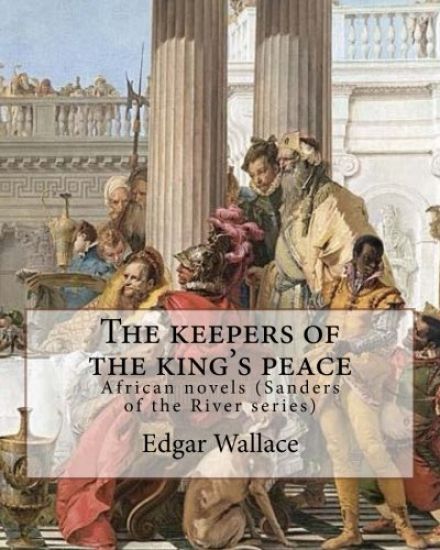
The keepers of the king's peace By: Edgar Wallace: African novels (Sanders of the River series)
Richard Horatio Edgar Wallace (1 April 1875 - 10 February 1932) was an English writer. Born into poverty as an illegitimate London child, Wallace left school at age 12. He joined the army at age 21 and was a war correspondent during the Second Boer War, for Reuters and the Daily Mail. Struggling with debt, he left South Africa, returned to London, and began writing thrillers to raise income, publishing books including The Four Just Men (1905). Drawing on his time as a reporter in the Congo, covering the Belgian atrocities, Wallace serialised short stories in magazines such as The Windsor Magazine and later published collections such as Sanders of the River (1911). He signed with Hodder and Stoughton in 1921 and became an internationally recognised author. After an unsuccessful bid to stand as Liberal MP for Blackpool (as one of David Lloyd George's Independent Liberals) in the 1931 general election, Wallace moved to Hollywood, where he worked as a script writer for RKO studios. He died suddenly from undiagnosed diabetes, during the initial drafting of King Kong (1933). Wallace was such a prolific writer that one of his publishers claimed that a quarter of all books in England were written by him. As well as journalism, Wallace wrote screen plays, poetry, historical non-fiction, 18 stage plays, 957 short stories, and over 170 novels, 12 in 1929 alone. More than 160 films have been made of Wallace's work. He is remembered for the creation of King Kong, as a writer of 'the colonial imagination', for the J. G. Reeder detective stories, and for The Green Archer serial. He sold over 50 million copies of his combined works in various editions, and The Economist describes him as "one of the most prolific thriller writers of the 20th] century", although few of his books are still in print in the UK. Parents and birth: Wallace was born at 7 Ashburnham Grove, Greenwich, to actors Richard Horatio Edgar and Mary Jane "Polly" Richards, n e Blair. Wallace's mother was born in 1843, in Liverpool, to an Irish Catholic family. Mary's family had been in show business, and she worked in the theatre as a stagehand, usherette, and bit-part actress until she married in 1867. Mary's husband, Captain Joseph Richards, was also born in Liverpool, in 1838; he was also from an Irish Catholic family. He and his father John Richards were both Merchant Navy captains, and his mother Catherine Richards came from a mariner family. When Mary was eight months pregnant, in January 1868, her husband died at sea. After the birth, destitute, Mary took to the stage, assuming the stage name "Polly" Richards. In 1872, Polly met and joined the Marriott family theatre troupe, managed by Mrs. Alice Edgar, her husband Richard Edgar, and their three adult children, Grace Edgar, Adeline Edgar, and Richard Horatio Edgar. Richard Horatio Edgar and Polly had a "broom cupboard" style sexual encounter during an after-show party. Discovering she was pregnant, Polly invented a fictitious obligation in Greenwich that would last at least half a year and obtained a room in a boarding house where she lived until her son's birth, on 1 April 1875. During her confinement she had asked her midwife to find a couple to foster the child. The midwife introduced Polly to her close friend, Mrs Freeman, a mother of ten children, whose husband George Freeman was a Billingsgate fishmonger. On 9 April 1875, Polly took Edgar to the semi-literate Freeman family, and made arrangements to visit often......
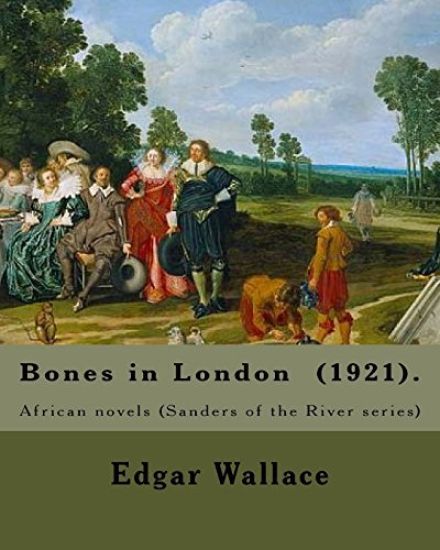
Bones in London (1921). By: Edgar Wallace: African novels (Sanders of the River series)
Richard Horatio Edgar Wallace (1 April 1875 - 10 February 1932) was an English writer. Born into poverty as an illegitimate London child, Wallace left school at age 12. He joined the army at age 21 and was a war correspondent during the Second Boer War, for Reuters and the Daily Mail. Struggling with debt, he left South Africa, returned to London, and began writing thrillers to raise income, publishing books including The Four Just Men (1905). Drawing on his time as a reporter in the Congo, covering the Belgian atrocities, Wallace serialised short stories in magazines such as The Windsor Magazine and later published collections such as Sanders of the River (1911). He signed with Hodder and Stoughton in 1921 and became an internationally recognised author. After an unsuccessful bid to stand as Liberal MP for Blackpool (as one of David Lloyd George's Independent Liberals) in the 1931 general election, Wallace moved to Hollywood, where he worked as a script writer for RKO studios. He died suddenly from undiagnosed diabetes, during the initial drafting of King Kong (1933). Wallace was such a prolific writer that one of his publishers claimed that a quarter of all books in England were written by him. As well as journalism, Wallace wrote screen plays, poetry, historical non-fiction, 18 stage plays, 957 short stories, and over 170 novels, 12 in 1929 alone. More than 160 films have been made of Wallace's work. He is remembered for the creation of King Kong, as a writer of 'the colonial imagination', for the J. G. Reeder detective stories, and for The Green Archer serial. He sold over 50 million copies of his combined works in various editions, and The Economist describes him as "one of the most prolific thriller writers of the 20th] century", although few of his books are still in print in the UK. Parents and birth: Wallace was born at 7 Ashburnham Grove, Greenwich, to actors Richard Horatio Edgar and Mary Jane "Polly" Richards, n e Blair. Wallace's mother was born in 1843, in Liverpool, to an Irish Catholic family. Mary's family had been in show business, and she worked in the theatre as a stagehand, usherette, and bit-part actress until she married in 1867. Mary's husband, Captain Joseph Richards, was also born in Liverpool, in 1838; he was also from an Irish Catholic family. He and his father John Richards were both Merchant Navy captains, and his mother Catherine Richards came from a mariner family. When Mary was eight months pregnant, in January 1868, her husband died at sea. After the birth, destitute, Mary took to the stage, assuming the stage name "Polly" Richards. In 1872, Polly met and joined the Marriott family theatre troupe, managed by Mrs. Alice Edgar, her husband Richard Edgar, and their three adult children, Grace Edgar, Adeline Edgar, and Richard Horatio Edgar. Richard Horatio Edgar and Polly had a "broom cupboard" style sexual encounter during an after-show party. Discovering she was pregnant, Polly invented a fictitious obligation in Greenwich that would last at least half a year and obtained a room in a boarding house where she lived until her son's birth, on 1 April 1875. During her confinement she had asked her midwife to find a couple to foster the child. The midwife introduced Polly to her close friend, Mrs Freeman, a mother of ten children, whose husband George Freeman was a Billingsgate fishmonger. On 9 April 1875, Polly took Edgar to the semi-literate Freeman family, and made arrangements to visit often......
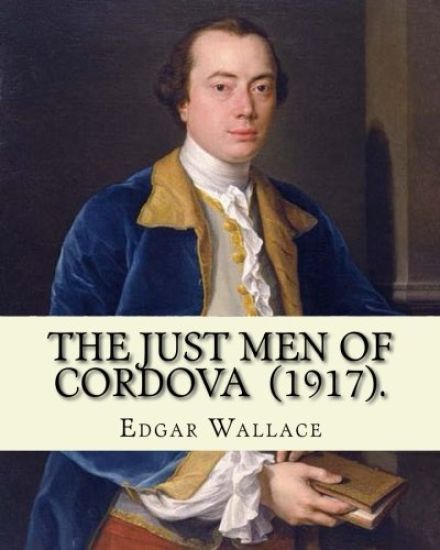
The Just Men of Cordova (1917). By: Edgar Wallace: Four Just Men series

The Just Men of Cordova (1917). By: Edgar Wallace: Four Just Men series

Edgar Wallace

Createspace Independent Publishing Platform
2018
nidottu
The novels of the Four Just Men series follow four men who take it upon themselves to kill for the greater cause of justice--in theory, those who are "beyond the law" like government figures, lawmakers, and other figures powerful enough to thwart justice. The just men consider themselves patriots and defenders of law and order who must act to protect society.... Richard Horatio Edgar Wallace (1 April 1875 - 10 February 1932) was an English writer. Born into poverty as an illegitimate London child, Wallace left school at age 12. He joined the army at age 21 and was a war correspondent during the Second Boer War, for Reuters and the Daily Mail. Struggling with debt, he left South Africa, returned to London, and began writing thrillers to raise income, publishing books including The Four Just Men (1905). Drawing on his time as a reporter in the Congo, covering the Belgian atrocities, Wallace serialised short stories in magazines such as The Windsor Magazine and later published collections such as Sanders of the River (1911). He signed with Hodder and Stoughton in 1921 and became an internationally recognised author. After an unsuccessful bid to stand as Liberal MP for Blackpool (as one of David Lloyd George's Independent Liberals) in the 1931 general election, Wallace moved to Hollywood, where he worked as a script writer for RKO studios. He died suddenly from undiagnosed diabetes, during the initial drafting of King Kong (1933). Wallace was such a prolific writer that one of his publishers claimed that a quarter of all books in England were written by him. As well as journalism, Wallace wrote screen plays, poetry, historical non-fiction, 18 stage plays, 957 short stories, and over 170 novels, 12 in 1929 alone. More than 160 films have been made of Wallace's work. He is remembered for the creation of King Kong, as a writer of 'the colonial imagination', for the J. G. Reeder detective stories, and for The Green Archer serial. He sold over 50 million copies of his combined works in various editions, and The Economist describes him as "one of the most prolific thriller writers of the 20th] century", although few of his books are still in print in the UK. .................
The Law of the Four Just Men (1921). By: Edgar Wallace: Four Just Men series

The Law of the Four Just Men (1921). By: Edgar Wallace: Four Just Men series

Edgar Wallace

Createspace Independent Publishing Platform
2018
nidottu
Richard Horatio Edgar Wallace (1 April 1875 - 10 February 1932) was an English writer. Born into poverty as an illegitimate London child, Wallace left school at age 12. He joined the army at age 21 and was a war correspondent during the Second Boer War, for Reuters and the Daily Mail. Struggling with debt, he left South Africa, returned to London, and began writing thrillers to raise income, publishing books including The Four Just Men (1905). Drawing on his time as a reporter in the Congo, covering the Belgian atrocities, Wallace serialised short stories in magazines such as The Windsor Magazine and later published collections such as Sanders of the River (1911). He signed with Hodder and Stoughton in 1921 and became an internationally recognised author. After an unsuccessful bid to stand as Liberal MP for Blackpool (as one of David Lloyd George's Independent Liberals) in the 1931 general election, Wallace moved to Hollywood, where he worked as a script writer for RKO studios. He died suddenly from undiagnosed diabetes, during the initial drafting of King Kong (1933). Wallace was such a prolific writer that one of his publishers claimed that a quarter of all books in England were written by him. As well as journalism, Wallace wrote screen plays, poetry, historical non-fiction, 18 stage plays, 957 short stories, and over 170 novels, 12 in 1929 alone. More than 160 films have been made of Wallace's work. He is remembered for the creation of King Kong, as a writer of 'the colonial imagination', for the J. G. Reeder detective stories, and for The Green Archer serial. He sold over 50 million copies of his combined works in various editions, and The Economist describes him as "one of the most prolific thriller writers of the 20th] century", although few of his books are still in print in the UK. Parents and birth: Wallace was born at 7 Ashburnham Grove, Greenwich, to actors Richard Horatio Edgar and Mary Jane "Polly" Richards, n e Blair. Wallace's mother was born in 1843, in Liverpool, to an Irish Catholic family. Mary's family had been in show business, and she worked in the theatre as a stagehand, usherette, and bit-part actress until she married in 1867. Mary's husband, Captain Joseph Richards, was also born in Liverpool, in 1838; he was also from an Irish Catholic family. He and his father John Richards were both Merchant Navy captains, and his mother Catherine Richards came from a mariner family. When Mary was eight months pregnant, in January 1868, her husband died at sea. After the birth, destitute, Mary took to the stage, assuming the stage name "Polly" Richards. In 1872, Polly met and joined the Marriott family theatre troupe, managed by Mrs. Alice Edgar, her husband Richard Edgar, and their three adult children, Grace Edgar, Adeline Edgar, and Richard Horatio Edgar. Richard Horatio Edgar and Polly had a "broom cupboard" style sexual encounter during an after-show party. Discovering she was pregnant, Polly invented a fictitious obligation in Greenwich that would last at least half a year and obtained a room in a boarding house where she lived until her son's birth, on 1 April 1875. During her confinement she had asked her midwife to find a couple to foster the child. The midwife introduced Polly to her close friend, Mrs Freeman, a mother of ten children, whose husband George Freeman was a Billingsgate fishmonger. On 9 April 1875, Polly took Edgar to the semi-literate Freeman family, and made arrangements to visit often......