

Kirjahaku
Etsi kirjoja tekijän nimen, kirjan nimen tai ISBN:n perusteella.
1000 tulosta hakusanalla Evripides






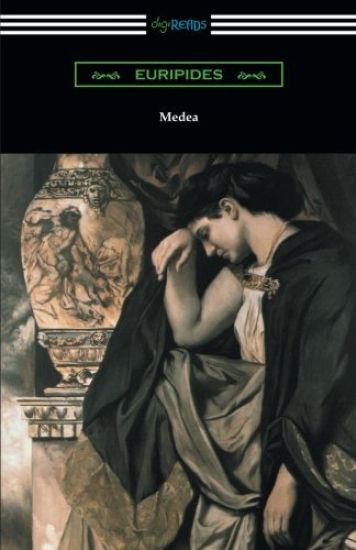
Medea (Translated with an Introduction and Annotations by Gilbert Murray)
Euripides
Digireads.com
2017
nidottu
The influence of Euripides on the development of the dramatic genre cannot be overstated. Along with Sophocles and Aeschylus he is regarded as one of the three great Greek tragedians from classical antiquity. One of the most important of Euripides' surviving dramas is "Medea", the story of its title character, the wife of Jason of the Argonauts, who seeks revenge upon her unfaithful husband when he abandons her for a another bride. Set in Corinth sometime after Jason's quest for the Golden Fleece, the play begins with Medea raging against her husband's plans to marry Glauce, daughter of Creon, King of Corinth. Jason tries to explain his intent to marry Glauce as an effort to improve his status and that afterwards he intends to unify the two families taking Medea as his mistress. Medea however is unconvinced and pursues a path of murderous revenge. The play is controversial for its depiction of Medea murdering her own children as part of her revenge. This depiction was unconventional and not well received with the contemporary Athenian audience who expected the more traditional depiction of Medea's children being killed by the Corinthians after her escape. Regardless of this unfavorable initial reaction, "Medea" has come to be regarded as one of the most important tragedies of classical antiquity. This edition is printed on premium acid-free paper and is translated with an introduction and annotations by Gilbert Murray.
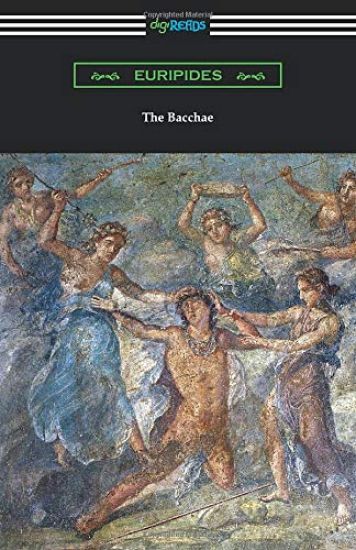
Euripides turned to playwriting at a young age, achieving his first victory in the Athens' City Dionysia dramatic competitions in 441 BC. He would be awarded this honor three more times in his life, and once more posthumously. His plays are often ironic, pessimistic, and display radical rejection of classical decorum and rules. In 408 BC, Euripides left war-torn Athens for Macedonia, upon the invitation of King Archelaus, and there he spent his last years as a confidant of the king. In his final years, he produced "The Bacchae", which in modern times has become one of the most frequently preformed plays from classical antiquity. Winner of the first prize of the Athens' City Dionysia dramatic competition, the play is a tragedy based on the Greek myth of King Pentheus of Thebes and his mother Agave. When Dionysus appears at the palace of Thebes to attest that he is the son of Zeus, the sisters of his mortal mother, Semele, do not believe him. He proceeds to establish a cult of followers in Thebes and exact vengeance on all those who deny his godly status. Considered one of the greatest of all dramas from classical antiquity, this play's popularity and critical acclaim stands as a testament to the profound dramatic talent of Euripides. This edition is printed on premium acid-free paper.
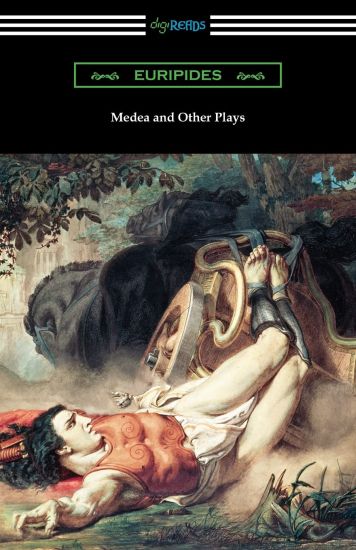
Euripides, along was Sophocles, and Aeschylus, is largely responsible for the rise of Greek tragedy. It was in the 5th Century BC, during the height of Greece's cultural bloom, that Euripides lived and worked. Of his roughly ninety-two plays, only seventeen tragedies survive. Both ridiculed and lauded during his life, Euripides now stands as an innovator of the Greek drama. Collected here are six of Euripides' tragedies in prose translation by Edward P. Coleridge: "Medea", "Hippolytus", "Hecuba", "Electra", "Heracles", and "Helen". The first play in this collection, "Medea", tells the horrific tale of a woman who seeks revenge on her husband by killing her children. "Hippolytus" relates the tragedy of its titular character, son of Theseus, and his tragic fall at the hands of Phaedra. "Hecuba" is the tale of a fallen Queen, the grief she feels for the death of her daughter, and the revenge she takes for the murder of her son. In "Electra" we find the daughter of a slain king plotting her revenge. In "Heracles" we find a hero racing to save his family from a death sentence. Lastly, "Helen" presents an alternate tale regarding Helen of Troy than that which sparked the Trojan War. For the lover of drama and the ancient world, this collection is not to be missed--Euripides is seen here in all of his valor and brilliance. This edition is printed on premium acid-free paper.
Of Euripides' roughly ninety-two plays, only seventeen tragedies survive. Both ridiculed and lauded during his life, Euripides now stands as one of the greatest innovators of Greek drama. Collected here are ten of Euripides' most important tragedies in prose translation by Edward P. Coleridge. In the first play in this collection, "The Alcestis", Euripides expands upon the myth of Princess Alcestis at the time of her death. "Medea", tells the horrific tale of a woman who seeks revenge on her husband by killing her children. "Hippolytus" relates the tragedy of its titular character, son of Theseus, and his tragic fall at the hands of Phaedra. "Andromache" dramatizes the life of a Greek slave in the years after the Trojan War. In "Ion" we discover the divine origins of an orphan. "The Trojan Women" is the most complete surviving play of Euripides' Trojan War trilogy in which we learn of the fates of the women of Troy following its sacking. In "Electra" we find the daughter of a slain king plotting her revenge. "Iphigenia Among the Taurians" relates how Agamemnon's daughter Iphigenia is saved from sacrifice and travels to Tauris to meet her brother Orestes. "The Bacchae" tells the tragic consequences for King Pentheus of Thebes and his mother Agave for their persecution of Dionysus worshippers. Finally in "Iphigenia at Aulis" we have the classic myth of Agamemnon before and during the Trojan War and his decision to sacrifice his daughter Iphigenia. Together these plays represent the brilliance of one of classical antiquity's greatest playwrights. This edition is printed on premium acid-free paper.



The Bacchanals, and Other Plays
Euripides; Henry Hart (TRN) Milman; Michael (TRN) Wodhull
Kessinger Pub
2007
pokkari