
Kirjahaku
Etsi kirjoja tekijän nimen, kirjan nimen tai ISBN:n perusteella.
1000 tulosta hakusanalla Jackson Carter
Ramona (1884) NOVEL By: Helen Jackson
Helen Jackson
Createspace Independent Publishing Platform
2016
nidottu
The Hunter Cats of Connorloa (1894) By Helen Jackson
Helen Jackson
Createspace Independent Publishing Platform
2016
nidottu

Andrew Jackson: A Controversial President
Karla Lant
Createspace Independent Publishing Platform
2016
nidottu
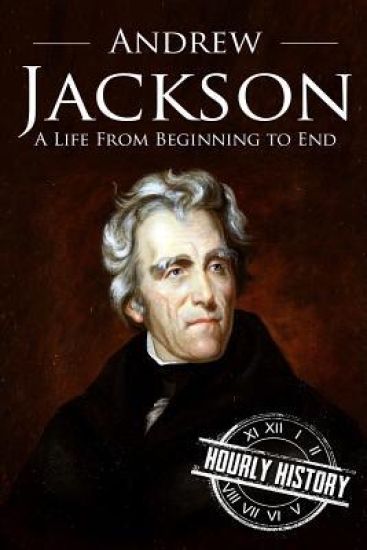
Andrew JacksonOld Hickory. King Mob. The Peoples President. King Andrew I. The nicknames by which the seventh president is known reflect the different facets of his complicated nature. He believed in the rights of the common man because he came from humble beginnings and distrusted the vested institutions of power. The first American president born to immigrant parents, Jackson was the embodiment of the new blood which infused the American spirit in the early 19th century. Inside you will read about...- The Birth of a Legend- Jackson the General- Jackson and Politics- Jackson's Home Life- Jackson's First Term- Jackson's Second Term- Jackson Returns to Tennessee- Jackson's LegacyLike his country, he was both ruthless and chivalrous, hot-tempered and steadfast, an authoritarian and a believer in equality. Jackson cannot be described in one-dimensional terms because there were layers to the Tennessee frontier president. Jacksonian democracy invigorated the national government and became a foundation of the modern political process. Controversial and complicated, Andrew Jacksons life is worthy of examination. To understand America, it's vital to understand Andrew Jackson."
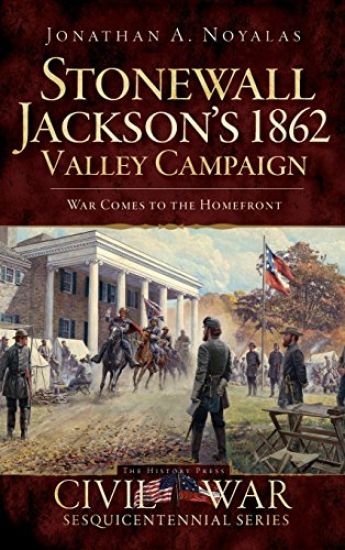
Stonewall Jackson's 1862 Valley Campaign: War Comes to the Homefront
Jonathan A. Noyalas
History Press Library Editions
2010
sidottu
Virginia's Shenandoah Valley was known as the "Breadbasket of the Confederacy" due to its ample harvests and transportation centers, its role as an avenue of invasion into the North and its capacity to serve as a diversionary theater of war. The region became a magnet for both Union and Confederate armies during the Civil War, and nearly half of the thirteen major battles fought in the valley occurred as part of General Thomas J. "Stonewall" Jackson's 1862 Valley Campaign. Civil War historian Jonathan A. Noyalas examines Jackson's Valley Campaign and how those victories brought hope to an infant Confederate nation, transformed the lives of the Shenandoah Valley's civilians and emerged as Stonewall Jackson's defining moment.

Fort Jackson is a sprawling military base east of Columbia, South Carolina. With the impending entry of America into World War I, city fathers recognized the country's need for military training camps and made a successful proposal to the US Army for construction of a camp near Columbia. Named after Andrew Jackson, the hero of the Battle of New Orleans and the seventh US president, Camp Jackson soon became the home of the famous 81st "Wildcat" Division and, later, the 5th Infantry Division. Over time, the camp's prospects waned, but the advent of another world war brought renewed interest in the camp and its eventual designation as Fort Jackson in 1940. Fort Jackson has been instrumental in the mobilization and training of troops for service in the Korean War, the Vietnam War, and the Global War on Terror. Today, Fort Jackson is the Army's premier basic training installation, responsible for over 50 percent of Army trainees each year.
Michael Jackson's Truth & Confession: About Kat and Joe
Fizz Khan
Createspace Independent Publishing Platform
2016
nidottu
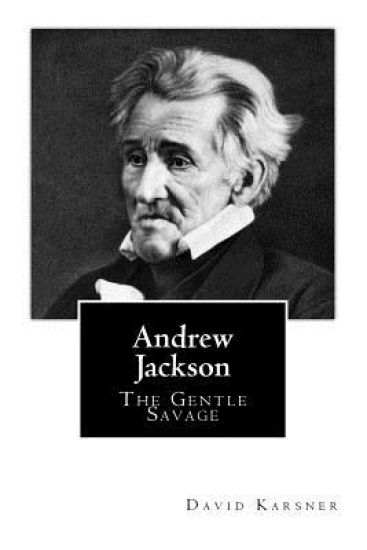
Andrew Jackson: The Gentle Savage
David Karsner
Createspace Independent Publishing Platform
2016
nidottu
Excerpt from Andrew Jackson: The Gentle Savage IF E, unmeasured and unhurried, takes all the time it seems to need for the development of its animate and inanimate tokens Of triumph and travail. Life is a prodigal sower of the seed that laughs at the harvest, and busies itself with hanging out the stars each night and dusting off the sun for the day. About the Publisher Forgotten Books publishes hundreds of thousands of rare and classic books. Find more at www.forgottenbooks.com This book is a reproduction of an important historical work. Forgotten Books uses state-of-the-art technology to digitally reconstruct the work, preserving the original format whilst repairing imperfections present in the aged copy. In rare cases, an imperfection in the original, such as a blemish or missing page, may be replicated in our edition. We do, however, repair the vast majority of imperfections successfully; any imperfections that remain are intentionally left to preserve the state of such historical works.
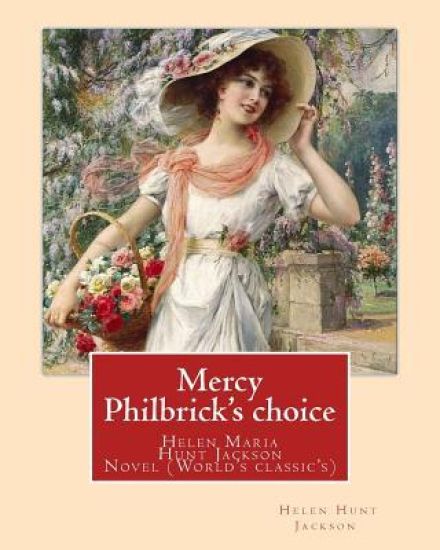
Mercy Philbrick's choice. By: Helen Jackson (H.H): Helen Maria Hunt Jackson, born Helen Fiske (October 15, 1830 - August 12, 1885). Novel (World's c
Helen Jackson
Createspace Independent Publishing Platform
2016
nidottu
Helen Maria Hunt Jackson, born Helen Fiske (October 15, 1830 - August 12, 1885), was an American poet and writer who became an activist on behalf of improved treatment of Native Americans by the U.S. government. She described the adverse effects of government actions in her history A Century of Dishonor (1881). Her novel Ramona (1884) dramatized the federal government's mistreatment of Native Americans in Southern California after the Mexican-American War and attracted considerable attention to her cause. Commercially popular, it was estimated to have been reprinted 300 times and most readers liked its romantic and picturesque qualities rather than its political content.The novel was so popular that it attracted many tourists to Southern California who wanted to see places from the book.She was born Helen Maria Fiske in Amherst, Massachusetts, the daughter of Nathan Welby Fiske and Deborah Waterman Vinal Fisk. Helen's father was a minister, author, and professor of Latin, Greek, and philosophy at Amherst College. She had two brothers, both of whom died soon after birth, and a sister Anne. They were raised as Unitarian.Anne became the wife of E. C. Banfield, a federal government official who served as Solicitor of the United States Treasury. The girls lost their mother in 1844, when Helen was fifteen. Three years later their father died. He had provided financially for Helen's education and arranged for an uncle to care for her. Fiske attended Ipswich Female Seminary and the Abbott Institute, a boarding school in New York City run by Reverend J.S.C. Abbott. She was a classmate of Emily Dickinson, also from Amherst; Emily became a renowned poet. The two corresponded for the rest of their lives, but few of their letters have surviveed.In 1852 at age 22, Fiske married U.S. Army Captain Edward Bissell Hunt. They had two sons, one of whom, Murray Hunt, died as an infant in 1854 of a brain disease. In 1863, her husband died in a military accident. Her second son Rennie Hunt died of diphtheria in 1865. Hunt traveled widely. In the winter of 1873-1874 she was in Colorado Springs, Colorado at the resort of Seven Falls, seeking rest in hopes of a cure for tuberculosis, which was often fatal before the invention of antibiotics. (See Tuberculosis treatment in Colorado Springs).While in Colorado Springs, Hunt met William Sharpless Jackson, a wealthy banker and railroad executive. They married in 1875 and she took the name Jackson, under which she was best known for her later writings.Helen Hunt began writing after the deaths of her family members. She published her early work anonymously, usually under the name "H.H."Ralph Waldo Emerson admired her poetry and used several of her poems in his public readings. He included five of them in his Parnassus: An Anthology of Poetry (1880). Over the next two years, she published three novels in the anonymous No Name Series, including Mercy Philbrick's Choice and Hetty's Strange History.She also encouraged a contribution from Emily Dickinson to A Masque of Poets as part of the same series........
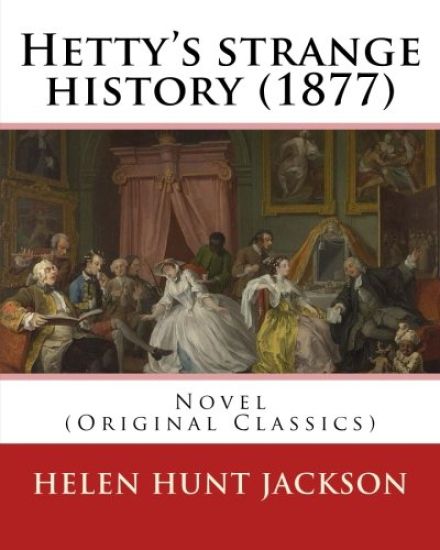
Hetty's strange history (1877). By: Helen Jackson (H.H). Helen Maria Hunt Jackson, born Helen Fiske (October 15, 1830 - August 12, 1885): Novel (Origi
Helen Jackson
Createspace Independent Publishing Platform
2016
nidottu
Helen Maria Hunt Jackson, born Helen Fiske (October 15, 1830 - August 12, 1885), was an American poet and writer who became an activist on behalf of improved treatment of Native Americans by the U.S. government. She described the adverse effects of government actions in her history A Century of Dishonor (1881). Her novel Ramona (1884) dramatized the federal government's mistreatment of Native Americans in Southern California after the Mexican-American War and attracted considerable attention to her cause. Commercially popular, it was estimated to have been reprinted 300 times and most readers liked its romantic and picturesque qualities rather than its political content.The novel was so popular that it attracted many tourists to Southern California who wanted to see places from the book.She was born Helen Maria Fiske in Amherst, Massachusetts, the daughter of Nathan Welby Fiske and Deborah Waterman Vinal Fisk. Helen's father was a minister, author, and professor of Latin, Greek, and philosophy at Amherst College. She had two brothers, both of whom died soon after birth, and a sister Anne. They were raised as Unitarian.Anne became the wife of E. C. Banfield, a federal government official who served as Solicitor of the United States Treasury. The girls lost their mother in 1844, when Helen was fifteen. Three years later their father died. He had provided financially for Helen's education and arranged for an uncle to care for her. Fiske attended Ipswich Female Seminary and the Abbott Institute, a boarding school in New York City run by Reverend J.S.C. Abbott. She was a classmate of Emily Dickinson, also from Amherst; Emily became a renowned poet. The two corresponded for the rest of their lives, but few of their letters have surviveed.In 1852 at age 22, Fiske married U.S. Army Captain Edward Bissell Hunt. They had two sons, one of whom, Murray Hunt, died as an infant in 1854 of a brain disease. In 1863, her husband died in a military accident. Her second son Rennie Hunt died of diphtheria in 1865. Hunt traveled widely. In the winter of 1873-1874 she was in Colorado Springs, Colorado at the resort of Seven Falls, seeking rest in hopes of a cure for tuberculosis, which was often fatal before the invention of antibiotics. (See Tuberculosis treatment in Colorado Springs).While in Colorado Springs, Hunt met William Sharpless Jackson, a wealthy banker and railroad executive. They married in 1875 and she took the name Jackson, under which she was best known for her later writings.Helen Hunt began writing after the deaths of her family members. She published her early work anonymously, usually under the name "H.H."Ralph Waldo Emerson admired her poetry and used several of her poems in his public readings. He included five of them in his Parnassus: An Anthology of Poetry (1880). Over the next two years, she published three novels in the anonymous No Name Series, including Mercy Philbrick's Choice and Hetty's Strange History.She also encouraged a contribution from Emily Dickinson to A Masque of Poets as part of the same series......
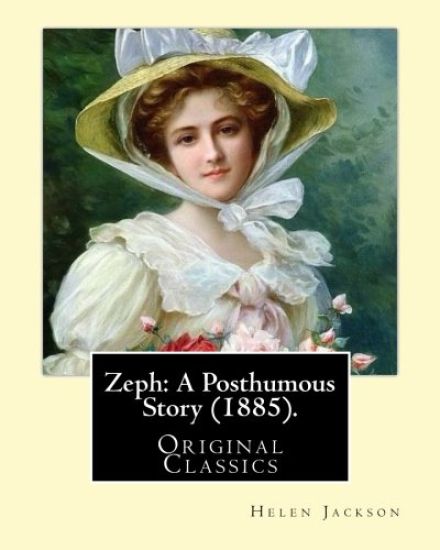
Zeph: A Posthumous Story (1885). By: Helen Jackson (Original Classics): Helen Maria Hunt Jackson, born Helen Fiske (October 15, 1830 - August 12, 1885
Helen Jackson
Createspace Independent Publishing Platform
2016
nidottu
Helen Maria Hunt Jackson, born Helen Fiske (October 15, 1830 - August 12, 1885), was an American poet and writer who became an activist on behalf of improved treatment of Native Americans by the U.S. government. She described the adverse effects of government actions in her history A Century of Dishonor (1881). Her novel Ramona (1884) dramatized the federal government's mistreatment of Native Americans in Southern California after the Mexican-American War and attracted considerable attention to her cause. Commercially popular, it was estimated to have been reprinted 300 times and most readers liked its romantic and picturesque qualities rather than its political content.The novel was so popular that it attracted many tourists to Southern California who wanted to see places from the book.She was born Helen Maria Fiske in Amherst, Massachusetts, the daughter of Nathan Welby Fiske and Deborah Waterman Vinal Fisk. Helen's father was a minister, author, and professor of Latin, Greek, and philosophy at Amherst College. She had two brothers, both of whom died soon after birth, and a sister Anne. They were raised as Unitarian.Anne became the wife of E. C. Banfield, a federal government official who served as Solicitor of the United States Treasury. The girls lost their mother in 1844, when Helen was fifteen. Three years later their father died. He had provided financially for Helen's education and arranged for an uncle to care for her. Fiske attended Ipswich Female Seminary and the Abbott Institute, a boarding school in New York City run by Reverend J.S.C. Abbott. She was a classmate of Emily Dickinson, also from Amherst; Emily became a renowned poet. The two corresponded for the rest of their lives, but few of their letters have surviveed.In 1852 at age 22, Fiske married U.S. Army Captain Edward Bissell Hunt. They had two sons, one of whom, Murray Hunt, died as an infant in 1854 of a brain disease. In 1863, her husband died in a military accident. Her second son Rennie Hunt died of diphtheria in 1865. Hunt traveled widely. In the winter of 1873-1874 she was in Colorado Springs, Colorado at the resort of Seven Falls, seeking rest in hopes of a cure for tuberculosis, which was often fatal before the invention of antibiotics. (See Tuberculosis treatment in Colorado Springs).While in Colorado Springs, Hunt met William Sharpless Jackson, a wealthy banker and railroad executive. They married in 1875 and she took the name Jackson, under which she was best known for her later writings.Helen Hunt began writing after the deaths of her family members. She published her early work anonymously, usually under the name "H.H."Ralph Waldo Emerson admired her poetry and used several of her poems in his public readings. He included five of them in his Parnassus: An Anthology of Poetry (1880). Over the next two years, she published three novels in the anonymous No Name Series, including Mercy Philbrick's Choice and Hetty's Strange History.She also encouraged a contribution from Emily Dickinson to A Masque of Poets as part of the same series
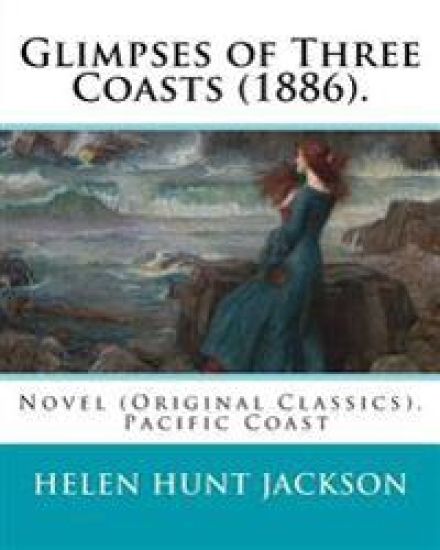
Glimpses of Three Coasts (1886). By: Helen Jackson: Novel (Original Classics). Helen Maria Hunt Jackson, born Helen Fiske (October 15, 1830 - August 1
Helen Jackson
Createspace Independent Publishing Platform
2016
nidottu
Helen Maria Hunt Jackson, born Helen Fiske (October 15, 1830 - August 12, 1885), was an American poet and writer who became an activist on behalf of improved treatment of Native Americans by the U.S. government. She described the adverse effects of government actions in her history A Century of Dishonor (1881). Her novel Ramona (1884) dramatized the federal government's mistreatment of Native Americans in Southern California after the Mexican-American War and attracted considerable attention to her cause. Commercially popular, it was estimated to have been reprinted 300 times and most readers liked its romantic and picturesque qualities rather than its political content.The novel was so popular that it attracted many tourists to Southern California who wanted to see places from the book.She was born Helen Maria Fiske in Amherst, Massachusetts, the daughter of Nathan Welby Fiske and Deborah Waterman Vinal Fisk. Helen's father was a minister, author, and professor of Latin, Greek, and philosophy at Amherst College. She had two brothers, both of whom died soon after birth, and a sister Anne. They were raised as Unitarian.Anne became the wife of E. C. Banfield, a federal government official who served as Solicitor of the United States Treasury. The girls lost their mother in 1844, when Helen was fifteen. Three years later their father died. He had provided financially for Helen's education and arranged for an uncle to care for her. Fiske attended Ipswich Female Seminary and the Abbott Institute, a boarding school in New York City run by Reverend J.S.C. Abbott. She was a classmate of Emily Dickinson, also from Amherst; Emily became a renowned poet. The two corresponded for the rest of their lives, but few of their letters have surviveed.In 1852 at age 22, Fiske married U.S. Army Captain Edward Bissell Hunt. They had two sons, one of whom, Murray Hunt, died as an infant in 1854 of a brain disease. In 1863, her husband died in a military accident. Her second son Rennie Hunt died of diphtheria in 1865. Hunt traveled widely. In the winter of 1873-1874 she was in Colorado Springs, Colorado at the resort of Seven Falls, seeking rest in hopes of a cure for tuberculosis, which was often fatal before the invention of antibiotics. (See Tuberculosis treatment in Colorado Springs).While in Colorado Springs, Hunt met William Sharpless Jackson, a wealthy banker and railroad executive. They married in 1875 and she took the name Jackson, under which she was best known for her later writings.Helen Hunt began writing after the deaths of her family members. She published her early work anonymously, usually under the name "H.H."Ralph Waldo Emerson admired her poetry and used several of her poems in his public readings. He included five of them in his Parnassus: An Anthology of Poetry (1880). Over the next two years, she published three novels in the anonymous No Name Series, including Mercy Philbrick's Choice and Hetty's Strange History.She also encouraged a contribution from Emily Dickinson to A Masque of Poets as part of the same series.......
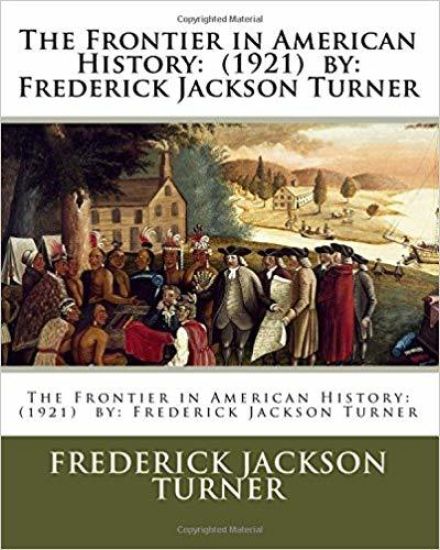
The Frontier in American History: (1921) by: Frederick Jackson Turner
Frederick Jackson Turner
Createspace Independent Publishing Platform
2016
nidottu
Frederick Jackson Turner (November 14, 1861 - March 14, 1932) was an American historian in the early 20th century, based at the University of Wisconsin until 1910, and then at Harvard. He trained many PhDs who came to occupy prominent places in the history profession. He promoted interdisciplinary and quantitative methods, often with a focus on the Midwest. He is best known for his essay "The Significance of the Frontier in American History", whose ideas formed the Frontier Thesis. He argued that the moving western frontier shaped American democracy and the American character from the colonial era until 1890. He is also known for his theories of geographical sectionalism. In recent years historians and academics have argued strenuously over Turner's work; all agree that the Frontier Thesis has had an enormous impact on historical scholarship and the American mind.

Travis Jackson Had A Wife
Vicki Hanson; Nels Hanson
Createspace Independent Publishing Platform
2016
nidottu
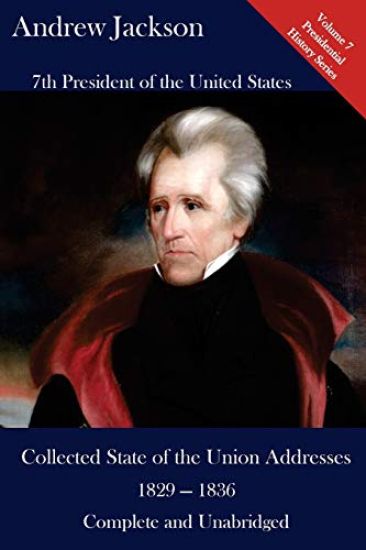
Andrew Jackson: Collected State of the Union Addresses 1829 - 1836: Volume 7 of the Del Lume Executive History Series
Andrew Jackson
Createspace Independent Publishing Platform
2017
nidottu