Kirjojen hintavertailu. Mukana 11 342 296 kirjaa ja 12 kauppaa.

Kirjahaku

Etsi kirjoja tekijän nimen, kirjan nimen tai ISBN:n perusteella.

1000 tulosta hakusanalla Markus Breuning

Abenteuer Schatzjagd

Abenteuer Schatzjagd

Markus Winter

Independently Published
2018
pokkari
Das kompakte Sondeng nger HandbuchDer Ratgeber f r Einsteiger und erfahrene Schatzsucher mit Lust auf Abenteuer N tzliches Wissen und hilfreiche Tipps offenbaren alles Wichtige ber die erfolgreiche Schatzsuche mit dem Metalldetektor. Der Autor fasst die wichtigsten Themen zusammen und schildert in einmaliger Form einen tiefen Einblick in dieses faszinierende Hobby. Ein Muss f r jeden ambitionierten Schatzsucher in Deutschland. Das kompakte Handbuch f r Sondeng nger Das Buch rund um Metalldetektoren: ➤Die besten Schatzverstecke➤Die richtige Ausr stung f r Sondeng nger➤Versteckte Sch tze in Deutschland➤M nzen, Militaria und Edelmetalle mit dem Detektor finden➤Noch bessere Bodenfunde➤Metalldetektor, Pinpointer und Ausr stung➤Das ist beim Sondeln verboten ➤Das ist bei der Schatzsuche erlaubtWarum sollten Sie genau dieses Buch kaufen? ➤Sie erhalten kompakte Infos, wie Sie mit dem Metalldetektor bessere Funde verzeichnen➤Sie erfahren, was beim Sondeln hierzulande erlaubt ist➤Sie lernen die besten Verstecke f r Gold, Silber und Militaria kennen➤Sie k nnen sofort auf die Schatzsuche gehen und bessere Funde machenSie erhalten viele Tipps rund um das Thema Metalldetektoren, Sondeln und wertvolle Informationen rund ums Schatzsuchen.Worauf warten Sie noch? Kaufen Sie dieses Buch und erhalten Sie einen tiefen Einblick in den deutschen Volkssport "Sondeln gehen".Klicken Sie einfach auf "Jetzt kaufen" um Ihr pers nliches Exemplar zu sichern
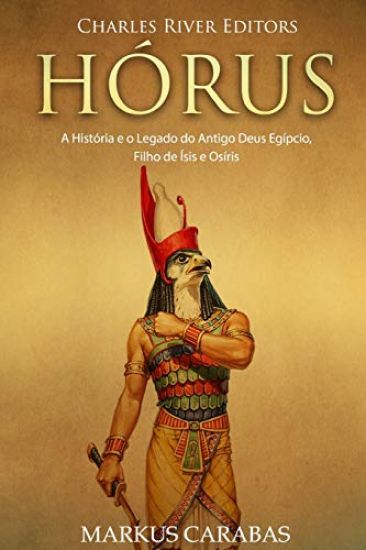
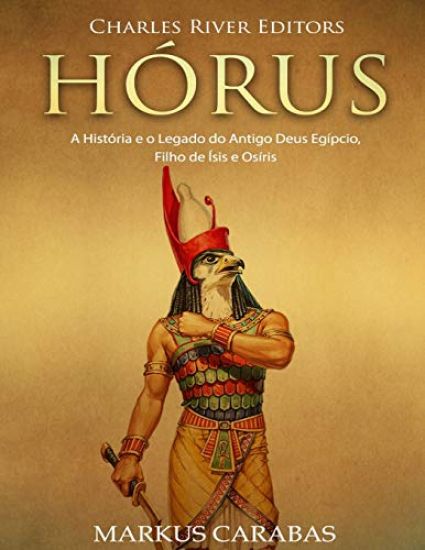
Hórus: A História e o Legado do Antigo Deus Egípcio, Filho de Ísis e Osíris

Hórus: A História e o Legado do Antigo Deus Egípcio, Filho de Ísis e Osíris

Markus Carabas; Charles River

Createspace Independent Publishing Platform
2018
nidottu
A frica pode ter dado origem os primeiros humanos, enquanto o Egito, provavelmente, deu origem s primeiras grandes civiliza es, que continuam a fascinar sociedades modernas por todo o mundo, mesmo depois de quase cinco mil anos. Da Biblioteca e do Farol de Alexandria Grande Pir mide de Giz , os antigos eg pcios criaram diversas maravilhas do mundo, revolucionaram a arquitetura e a constru o, criaram alguns dos primeiros sistemas de matem tica e medicina do mundo e estabeleceram idiomas e arte que se espalharam por todo o mundo conhecido. Com l deres mundialmente famosos como Rei Tut e Cle patra, n o de se admirar que hoje existem tantos egipt logos. Para os antigos eg pcios, como em qualquer sociedade composta por humanos curiosos, o mundo era um lugar confuso e muitas vezes assustador, repleto de destrui o, morte e fen menos inexplic veis. A fim de encontrar o sentido de tal exist ncia, eles recorreram s hist rias teleol gicas. Criar uma explica o para um fen meno, deixava-o menos horripilante e ajudava a dar sentido ao mundo que os rodeava. N o surpreende, portanto, que antigos deuses eg pcios tenham se infiltrado em todas as particularidades da exist ncia. H alguns personagens da mitologia eg pcia cujas imagens e nomes s o mais conhecidos que H rus. Seu nome provavelmente significava "O Distante," como o falc o celestial, e acreditava-se que suas asas se abriam ao longo de toda a extens o do c u distante e que seus olhos eram o sol e a lua. Tal nome trai a conex o de H rus com R , o deus "todo poderoso" do sol, e tamb m sugere que sua encarna o anterior fora um dos primeiros deuses celestiais da cren a religiosa eg pcia. Uma das primeiras imagens do Antigo Egito a de um falc o habitando a famosa "Barca Solar" de R , que os antigos eg pcios acreditavam atravessar o c u durante o dia e cruzar as perigosas terras dos mortos durante a noite. O lugar de H rus na Barca provavelmente o representa como "uma estrela ou planeta cruzando o Canal Sinuoso do c u," j que os eg pcios eram famosos por seu complexo sistema astron mico que incorporava diversos elementos m ticos, mas o papel dele na barca era muito mais do que ser apenas mais um na comitiva divina do deus-sol. A linhagem mitol gica de H rus o coloca como um descendente direto da En ade, os nove deuses e deusas que surgiram a partir de conceitos abstratos anteriores nas guas primordiais de "Nun". Isso o p e numa encruzilhada interessante em rela o a seu relacionamento com o grande pante o. N o fazer parte da En ade enfraquece a reivindica o de H rus pelo direito divino ao trono quando contrastado a Set, seu tio, que reivindica supremacia por ser um membro da En ade. O resultado deste confronto cria uma fascinante briga de poder e um mito, que teria ramifica es pelo mundo real ao longo de toda a vasta extens o da hist ria eg pcia. H rus, eventualmente, ascende ao trono do pai, Os ris, e por isso manteve uma profunda conex o com o trono do Egito unificado. Os primeiros deuses eram representados por falc es (h muito considerados membros da "Fam lia dos Falcon deos") transformando inimigos em presas, a raz o disso est no alicerce mitol gico da vida de H rus e tamb m na compreens o, pelo mundo real, da "hist ria" da linhagem real dos reis. Integrada aos mitos de H rus, est a no o de heran a real. Nascido do deus assassinado, Os ris, e da deusa m gica, sis, H rus, o mais novo, pelo menos, teve a vida definida pelo estabelecimento da linhagem real dos reis eg pcios. Para o leitor moderno ocidental, esta no o de deuses mortais e herdeiros do poder de seus pais pode parecer estranha, mas, para os antigos eg pcios, hist rias sobre disputas entre divindades mortais foram comuns ao decorrer da hist ria, e uma compreens o das nuances das cren as religiosas do Antigo Egito pode ajudar a evitar confus o.
Hórus: A História e o Legado do Antigo Deus Egípcio, Filho de Ísis e Osíris

Hórus: A História e o Legado do Antigo Deus Egípcio, Filho de Ísis e Osíris

Markus Carabas; Charles River

Createspace Independent Publishing Platform
2018
nidottu
A frica pode ter dado origem os primeiros humanos, enquanto o Egito, provavelmente, deu origem s primeiras grandes civiliza es, que continuam a fascinar sociedades modernas por todo o mundo, mesmo depois de quase cinco mil anos. Da Biblioteca e do Farol de Alexandria Grande Pir mide de Giz , os antigos eg pcios criaram diversas maravilhas do mundo, revolucionaram a arquitetura e a constru o, criaram alguns dos primeiros sistemas de matem tica e medicina do mundo e estabeleceram idiomas e arte que se espalharam por todo o mundo conhecido. Com l deres mundialmente famosos como Rei Tut e Cle patra, n o de se admirar que hoje existem tantos egipt logos. Para os antigos eg pcios, como em qualquer sociedade composta por humanos curiosos, o mundo era um lugar confuso e muitas vezes assustador, repleto de destrui o, morte e fen menos inexplic veis. A fim de encontrar o sentido de tal exist ncia, eles recorreram s hist rias teleol gicas. Criar uma explica o para um fen meno, deixava-o menos horripilante e ajudava a dar sentido ao mundo que os rodeava. N o surpreende, portanto, que antigos deuses eg pcios tenham se infiltrado em todas as particularidades da exist ncia. H alguns personagens da mitologia eg pcia cujas imagens e nomes s o mais conhecidos que H rus. Seu nome provavelmente significava "O Distante," como o falc o celestial, e acreditava-se que suas asas se abriam ao longo de toda a extens o do c u distante e que seus olhos eram o sol e a lua. Tal nome trai a conex o de H rus com R , o deus "todo poderoso" do sol, e tamb m sugere que sua encarna o anterior fora um dos primeiros deuses celestiais da cren a religiosa eg pcia. Uma das primeiras imagens do Antigo Egito a de um falc o habitando a famosa "Barca Solar" de R , que os antigos eg pcios acreditavam atravessar o c u durante o dia e cruzar as perigosas terras dos mortos durante a noite. O lugar de H rus na Barca provavelmente o representa como "uma estrela ou planeta cruzando o Canal Sinuoso do c u," j que os eg pcios eram famosos por seu complexo sistema astron mico que incorporava diversos elementos m ticos, mas o papel dele na barca era muito mais do que ser apenas mais um na comitiva divina do deus-sol. A linhagem mitol gica de H rus o coloca como um descendente direto da En ade, os nove deuses e deusas que surgiram a partir de conceitos abstratos anteriores nas guas primordiais de "Nun". Isso o p e numa encruzilhada interessante em rela o a seu relacionamento com o grande pante o. N o fazer parte da En ade enfraquece a reivindica o de H rus pelo direito divino ao trono quando contrastado a Set, seu tio, que reivindica supremacia por ser um membro da En ade. O resultado deste confronto cria uma fascinante briga de poder e um mito, que teria ramifica es pelo mundo real ao longo de toda a vasta extens o da hist ria eg pcia. H rus, eventualmente, ascende ao trono do pai, Os ris, e por isso manteve uma profunda conex o com o trono do Egito unificado. Os primeiros deuses eram representados por falc es (h muito considerados membros da "Fam lia dos Falcon deos") transformando inimigos em presas, a raz o disso est no alicerce mitol gico da vida de H rus e tamb m na compreens o, pelo mundo real, da "hist ria" da linhagem real dos reis. Integrada aos mitos de H rus, est a no o de heran a real. Nascido do deus assassinado, Os ris, e da deusa m gica, sis, H rus, o mais novo, pelo menos, teve a vida definida pelo estabelecimento da linhagem real dos reis eg pcios. Para o leitor moderno ocidental, esta no o de deuses mortais e herdeiros do poder de seus pais pode parecer estranha, mas, para os antigos eg pcios, hist rias sobre disputas entre divindades mortais foram comuns ao decorrer da hist ria, e uma compreens o das nuances das cren as religiosas do Antigo Egito pode ajudar a evitar confus o.
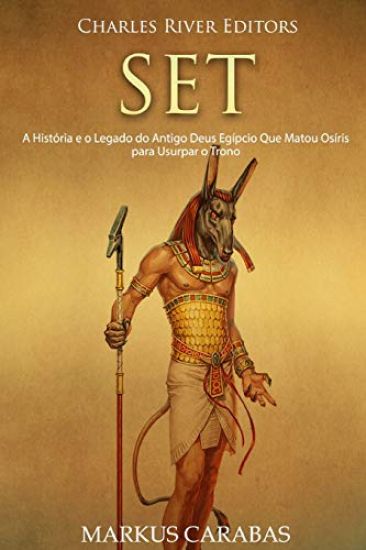
Set: A História e o Legado do Antigo Deus Egípcio Que Matou Osíris para Usurpar o Trono

Set: A História e o Legado do Antigo Deus Egípcio Que Matou Osíris para Usurpar o Trono

Markus Carabas; Charles River

Createspace Independent Publishing Platform
2018
nidottu
A frica pode ter dado origem os primeiros humanos, enquanto o Egito, provavelmente, deu origem s primeiras grandes civiliza es, que continuam a fascinar sociedades modernas por todo o mundo, mesmo depois de quase cinco mil anos. Da Biblioteca e do Farol de Alexandria Grande Pir mide de Giz , os antigos eg pcios criaram diversas maravilhas do mundo, revolucionaram a arquitetura e a constru o, criaram alguns dos primeiros sistemas de matem tica e medicina do mundo e estabeleceram idiomas e arte que se espalharam por todo o mundo conhecido. Com l deres mundialmente famosos como Rei Tut e Cle patra, n o de se admirar que hoje existem tantos egipt logos. Embora os eg pcios possam n o ter passado sua cultura diretamente a povos posteriores, elementos-chave que compunham a civiliza o eg pcia, incluindo religi o, ideias iniciais de estado, arte e arquitetura, podem ser encontrados em outras civiliza es. Por exemplo, civiliza es bastante separadas no tempo e espa o, como China e Mesoam rica, possu am elementos-chave semelhantes aos encontrados no Antigo Egito. Sem d vida, j que a civiliza o eg pcia representa conceitos humanos fundamentais, um estudo de sua cultura pode ser muito til para compreender diversas outras culturas pr -modernas. No primeiro per odo din stico, h uma representa o simb lica sobre as primeiras formas de reinado. O s mbolo consiste em "Duas Senhoras e Dois Senhores". As Senhoras eram as deusas Nekhbet e Uadjet, que representavam o Alto e o Baixo Egito, cada uma com sua coroa, Branca ou Vermelha, e os Dois Senhores eram os conflitantes deuses H rus e Set. Os confrontos entre esses dois deuses transcenderam a conflitos do mundo real, quando, durante a Segunda Dinastia, o Rei Peribsen colocou o misterioso "Animal de Set" como superior a seu nome, assim favorecendo um deus acima do outro. Peribsen manteve uma liga o pr xima a Set, traindo a conex o anterior dos reis com H rus, at que o rei Khasekhemui o tirou do trono e colocou ambos os animais dos deuses como superiores a seu pr prio nome e declarou que "os Dois Senhores agora descansavam". A historiadora moderna Geraldine Pinch sugere que este um exemplo antigo muito claro sobre a tend ncia dos eg pcios a mistificarem os conflitos do mundo real, uma caracter stica que os eg pcios mantiveram por toda sua longa hist ria. verdade que a vasta hist ria do Egito s pode ser vista superficialmente, mas, no caso dos mitos, apenas o bastante para contextualizar a hist ria pode ser o suficiente para se compreender a progress o de uma divindade como Set ao logo dos mil nios. Na verdade, o desenvolvimento do personagem de Set atrav s da hist ria possivelmente um dos mais fascinantes e ele se destaca entre as divindades eg pcias. Come ando como um dos "Dois Senhores," a pr -emin ncia de Set entre os deuses continuou ao longo de dinastias posteriores e ele nunca perdeu sua posi o entre as nove principais divindades conhecidas como En ade, mesmo com os problemas nefastos que tinha com o irm o, Os ris, sua irm e cunhada, sis, e seu sobrinho e filho deles, H rus. Em um primeiro olhar, f cil perceber que Set foi vilificado como uma esp cie de "monstro" ou "dem nio," mas ao compreender a estrutura religiosa da qual ele nasceu, os leitores modernos podem descobrir que o pol mico deus foi muito mais complexo do que apenas um "advers rio". Set: A Hist ria e o Legado do Antigo Deus Eg pcio que Matou Os ris para Usurpar o Trono analisa a mitologia que envolve uma das mais famosas divindades da antiguidade. Junto com fotos que retratam pessoas, lugares e eventos importantes, voc aprender sobre Set como nunca antes.
Set: A História e o Legado do Antigo Deus Egípcio Que Matou Osíris para Usurpar o Trono

Set: A História e o Legado do Antigo Deus Egípcio Que Matou Osíris para Usurpar o Trono

Markus Carabas; Charles River

Createspace Independent Publishing Platform
2018
nidottu
A frica pode ter dado origem os primeiros humanos, enquanto o Egito, provavelmente, deu origem s primeiras grandes civiliza es, que continuam a fascinar sociedades modernas por todo o mundo, mesmo depois de quase cinco mil anos. Da Biblioteca e do Farol de Alexandria Grande Pir mide de Giz , os antigos eg pcios criaram diversas maravilhas do mundo, revolucionaram a arquitetura e a constru o, criaram alguns dos primeiros sistemas de matem tica e medicina do mundo e estabeleceram idiomas e arte que se espalharam por todo o mundo conhecido. Com l deres mundialmente famosos como Rei Tut e Cle patra, n o de se admirar que hoje existem tantos egipt logos. Embora os eg pcios possam n o ter passado sua cultura diretamente a povos posteriores, elementos-chave que compunham a civiliza o eg pcia, incluindo religi o, ideias iniciais de estado, arte e arquitetura, podem ser encontrados em outras civiliza es. Por exemplo, civiliza es bastante separadas no tempo e espa o, como China e Mesoam rica, possu am elementos-chave semelhantes aos encontrados no Antigo Egito. Sem d vida, j que a civiliza o eg pcia representa conceitos humanos fundamentais, um estudo de sua cultura pode ser muito til para compreender diversas outras culturas pr -modernas. No primeiro per odo din stico, h uma representa o simb lica sobre as primeiras formas de reinado. O s mbolo consiste em "Duas Senhoras e Dois Senhores". As Senhoras eram as deusas Nekhbet e Uadjet, que representavam o Alto e o Baixo Egito, cada uma com sua coroa, Branca ou Vermelha, e os Dois Senhores eram os conflitantes deuses H rus e Set. Os confrontos entre esses dois deuses transcenderam a conflitos do mundo real, quando, durante a Segunda Dinastia, o Rei Peribsen colocou o misterioso "Animal de Set" como superior a seu nome, assim favorecendo um deus acima do outro. Peribsen manteve uma liga o pr xima a Set, traindo a conex o anterior dos reis com H rus, at que o rei Khasekhemui o tirou do trono e colocou ambos os animais dos deuses como superiores a seu pr prio nome e declarou que "os Dois Senhores agora descansavam". A historiadora moderna Geraldine Pinch sugere que este um exemplo antigo muito claro sobre a tend ncia dos eg pcios a mistificarem os conflitos do mundo real, uma caracter stica que os eg pcios mantiveram por toda sua longa hist ria. verdade que a vasta hist ria do Egito s pode ser vista superficialmente, mas, no caso dos mitos, apenas o bastante para contextualizar a hist ria pode ser o suficiente para se compreender a progress o de uma divindade como Set ao logo dos mil nios. Na verdade, o desenvolvimento do personagem de Set atrav s da hist ria possivelmente um dos mais fascinantes e ele se destaca entre as divindades eg pcias. Come ando como um dos "Dois Senhores," a pr -emin ncia de Set entre os deuses continuou ao longo de dinastias posteriores e ele nunca perdeu sua posi o entre as nove principais divindades conhecidas como En ade, mesmo com os problemas nefastos que tinha com o irm o, Os ris, sua irm e cunhada, sis, e seu sobrinho e filho deles, H rus. Em um primeiro olhar, f cil perceber que Set foi vilificado como uma esp cie de "monstro" ou "dem nio," mas ao compreender a estrutura religiosa da qual ele nasceu, os leitores modernos podem descobrir que o pol mico deus foi muito mais complexo do que apenas um "advers rio". Set: A Hist ria e o Legado do Antigo Deus Eg pcio que Matou Os ris para Usurpar o Trono analisa a mitologia que envolve uma das mais famosas divindades da antiguidade. Junto com fotos que retratam pessoas, lugares e eventos importantes, voc aprender sobre Set como nunca antes.
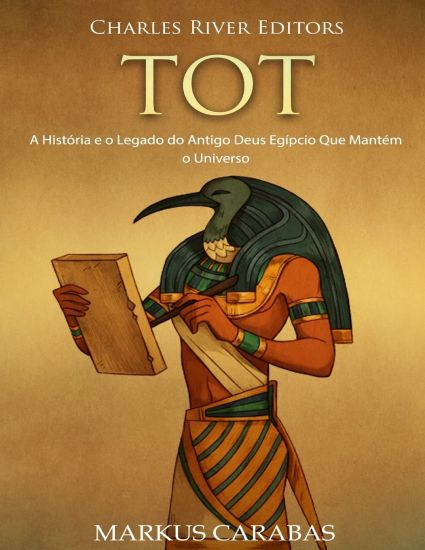
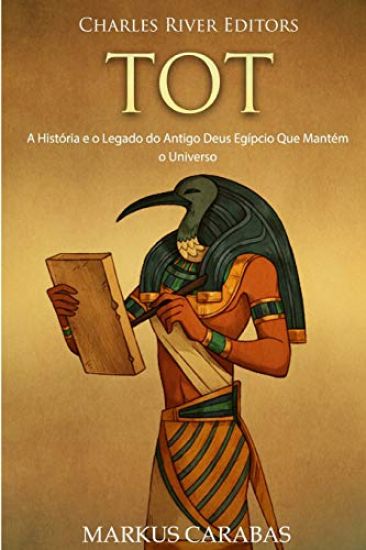
Tot: A História e o Legado do Antigo Deus Egípcio Que Mantém o Universo

Tot: A História e o Legado do Antigo Deus Egípcio Que Mantém o Universo

Markus Carabas; Charles River

Createspace Independent Publishing Platform
2018
nidottu
A frica pode ter dado origem os primeiros humanos, enquanto o Egito, provavelmente, deu origem s primeiras grandes civiliza es, que continuam a fascinar sociedades modernas por todo o mundo, mesmo depois de quase cinco mil anos. Da Biblioteca e do Farol de Alexandria Grande Pir mide de Giz , os antigos eg pcios criaram diversas maravilhas do mundo, revolucionaram a arquitetura e a constru o, criaram alguns dos primeiros sistemas de matem tica e medicina do mundo e estabeleceram idiomas e arte que se espalharam por todo o mundo conhecido. Com l deres mundialmente famosos como Rei Tut e Cle patra, n o de se admirar que hoje existem tantos egipt logos. Talvez o aspecto mais intrigante da antiga civiliza o eg pcia seja sua concep o a partir do zero, uma vez que os antigos eg pcios n o tiveram acesso nenhuma civiliza o pr via que pudessem utilizar como refer ncia. Na verdade, o Antigo Egito tornou-se um modelo para as civiliza es seguintes. Os gregos e os romanos ficaram t o impressionados com a cultura eg pcia que, muitas vezes, atribu am de maneira err nea muitas caracter sticas da pr pria cultura aos eg pcios. Com isto dito, alguns elementos da antiga cultura eg pcia foram, de fato, transferidos para civiliza es posteriores. A estatu ria eg pcia parece ter, inicialmente, influenciado a vers o grega, e a l ngua eg pcia antiga sobreviveu como l ngua copta por muito tempo ap s o per odo fara nico. Para os antigos eg pcios, como em qualquer sociedade composta por humanos curiosos, o mundo era um lugar confuso e muitas vezes assustador, repleto de destrui o, morte e fen menos inexplic veis. A fim de encontrar o sentido de tal exist ncia, eles recorreram s hist rias teleol gicas. Criar uma explica o para um fen meno, deixava-o menos horripilante e ajudava a dar sentido ao mundo que os rodeava. N o surpreende, portanto, que antigos deuses eg pcios tenham se infiltrado em todas as particularidades da exist ncia. Os babu nos possu am uma posi o de prest gio na religi o eg pcia. Eles eram considerados animais sagrados em v rios templos, porque eg pcios contempor neos os consideravam os observadores religiosos originais, particularmente em rela o ao deus sol, R . Os antigos eg pcios viam os babu nos selvagens se alongando nas pernas traseiras e com as dianteiras elevadas ao c u como em uma ora o ao deus sol ao alvorecer. E mais, estes antigos antepassados da terra do Egito eram saudados ao alvorecer pelas concatena es dos babu nos tagarelas que, de um ponto de vista religioso, eram compreendidas como uma devo o ao in cio da manh e, at acreditava-se que os babu nos falavam a l ngua original da religi o, e uma afirma o sobre serem capazes de compreenderem babu nos era feita por certos membros da classe sacerdotal. Mas a associa o ao bis que mais representa a imagem visual de Tot. J que os antigos eg pcios acreditavam que o universo surgiu das guas pantanosas de Nun, era o p ssaro aqu tico que recebia as venera es mais prestigiadas. P ssaros como gansos, gar as e bises eram associados a este per odo da cria o e, de acordo com algumas cren as, o mundo surgiu gra as ao alto "grasnar" de um ganso primordial, cuja casca do ovo era dita estar preservada no templo de Tot. Acreditava-se que R criara a forma de babu no de Tot para ser sua "lua brilhante," e sua forma de bis para ser um mensageiro entre o c u e a terra (apesar de ele ser ainda muito mais que isso). Tot: A Hist ria e o Legado do Antigo Deus Eg pcio que Mant m o Universo analisa a mitologia que envolve uma das mais famosas divindades da antiguidade. Junto com fotos que retratam pessoas, lugares e eventos importantes, voc aprender sobre Tot como nunca antes.
Tot: A História e o Legado do Antigo Deus Egípcio Que Mantém o Universo

Tot: A História e o Legado do Antigo Deus Egípcio Que Mantém o Universo

Markus Carabas; Charles River

Createspace Independent Publishing Platform
2018
nidottu
A frica pode ter dado origem os primeiros humanos, enquanto o Egito, provavelmente, deu origem s primeiras grandes civiliza es, que continuam a fascinar sociedades modernas por todo o mundo, mesmo depois de quase cinco mil anos. Da Biblioteca e do Farol de Alexandria Grande Pir mide de Giz , os antigos eg pcios criaram diversas maravilhas do mundo, revolucionaram a arquitetura e a constru o, criaram alguns dos primeiros sistemas de matem tica e medicina do mundo e estabeleceram idiomas e arte que se espalharam por todo o mundo conhecido. Com l deres mundialmente famosos como Rei Tut e Cle patra, n o de se admirar que hoje existem tantos egipt logos. Talvez o aspecto mais intrigante da antiga civiliza o eg pcia seja sua concep o a partir do zero, uma vez que os antigos eg pcios n o tiveram acesso nenhuma civiliza o pr via que pudessem utilizar como refer ncia. Na verdade, o Antigo Egito tornou-se um modelo para as civiliza es seguintes. Os gregos e os romanos ficaram t o impressionados com a cultura eg pcia que, muitas vezes, atribu am de maneira err nea muitas caracter sticas da pr pria cultura aos eg pcios. Com isto dito, alguns elementos da antiga cultura eg pcia foram, de fato, transferidos para civiliza es posteriores. A estatu ria eg pcia parece ter, inicialmente, influenciado a vers o grega, e a l ngua eg pcia antiga sobreviveu como l ngua copta por muito tempo ap s o per odo fara nico. Para os antigos eg pcios, como em qualquer sociedade composta por humanos curiosos, o mundo era um lugar confuso e muitas vezes assustador, repleto de destrui o, morte e fen menos inexplic veis. A fim de encontrar o sentido de tal exist ncia, eles recorreram s hist rias teleol gicas. Criar uma explica o para um fen meno, deixava-o menos horripilante e ajudava a dar sentido ao mundo que os rodeava. N o surpreende, portanto, que antigos deuses eg pcios tenham se infiltrado em todas as particularidades da exist ncia. Os babu nos possu am uma posi o de prest gio na religi o eg pcia. Eles eram considerados animais sagrados em v rios templos, porque eg pcios contempor neos os consideravam os observadores religiosos originais, particularmente em rela o ao deus sol, R . Os antigos eg pcios viam os babu nos selvagens se alongando nas pernas traseiras e com as dianteiras elevadas ao c u como em uma ora o ao deus sol ao alvorecer. E mais, estes antigos antepassados da terra do Egito eram saudados ao alvorecer pelas concatena es dos babu nos tagarelas que, de um ponto de vista religioso, eram compreendidas como uma devo o ao in cio da manh e, at acreditava-se que os babu nos falavam a l ngua original da religi o, e uma afirma o sobre serem capazes de compreenderem babu nos era feita por certos membros da classe sacerdotal. Mas a associa o ao bis que mais representa a imagem visual de Tot. J que os antigos eg pcios acreditavam que o universo surgiu das guas pantanosas de Nun, era o p ssaro aqu tico que recebia as venera es mais prestigiadas. P ssaros como gansos, gar as e bises eram associados a este per odo da cria o e, de acordo com algumas cren as, o mundo surgiu gra as ao alto "grasnar" de um ganso primordial, cuja casca do ovo era dita estar preservada no templo de Tot. Acreditava-se que R criara a forma de babu no de Tot para ser sua "lua brilhante," e sua forma de bis para ser um mensageiro entre o c u e a terra (apesar de ele ser ainda muito mais que isso). Tot: A Hist ria e o Legado do Antigo Deus Eg pcio que Mant m o Universo analisa a mitologia que envolve uma das mais famosas divindades da antiguidade. Junto com fotos que retratam pessoas, lugares e eventos importantes, voc aprender sobre Tot como nunca antes.
Anubis: The History and Legacy of the Ancient Egyptian God of the Afterlife

Anubis: The History and Legacy of the Ancient Egyptian God of the Afterlife

Markus Carabas; Charles River

Createspace Independent Publishing Platform
2018
nidottu
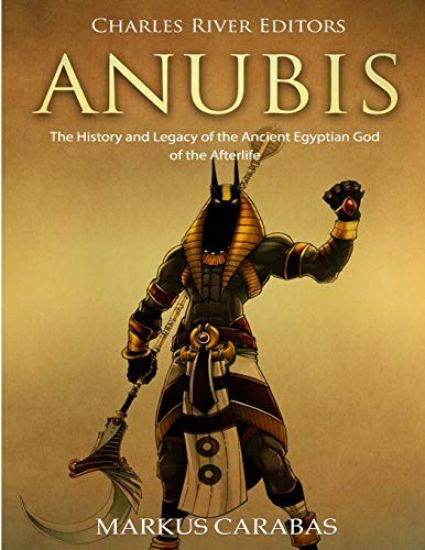
*Includes pictures *Includes ancient accounts *Includes online resources and a bibliography for further reading "When Nephthys gave birth to Anubis, Isis treated the child as if it were her own; for Nephthys is that which is beneath the earth and invisible, Isis that which is above the earth and visible; and the circle which touches these, called the horizon, being common to both, has received the name Anubis, and is represented in form like a dog; for the dog can see with his eyes both by night and by day alike." To the ancient Egyptians, as was the case with any society made up of inquiring humans, the world was a confusing and often terrifying place of destruction, death and unexplained phenomena. In order to make sense of such an existence, they resorted to teleological stories. Giving a phenomenon a story made it less horrifying, and it also helped them make sense of the world around them. Unsurprisingly, then, the ancient Egyptian gods permeated every aspect of existence. Given the abundance of funerary artifacts that have been found within the sands of Egypt, it sometimes seems as though the Ancient Egyptians were more concerned with the matters of the afterlife than they were with matters of the life they experienced from day to day. This is underscored most prominently by the pyramids, which have captured the world's imagination for centuries. Thus, it's little surprise that Anubis was one of the most important gods in the Egyptian pantheon. The image of Anubis, with his jet-black jackal's head downturned in merciless judgment, continues to inspire artists and neo-Pagans today. There is something about this somber figure that has made him stand the test of time and allowed him to survive while so many gods and goddesses have fallen from memory in the wake of newer religions that are aided by a more interconnected world. Perhaps it is because Anubis is associated with death, or maybe it's because the lack of references to him in Egypt's literary and archaeological record invites multiple interpretations. It also may be due to his appearances in the most emotive works of ancient Egyptian art, notably the vignettes from tombs depicting the mysterious journey of the dead, which beckon viewers to imagine an unearthly, poetic view of death so far removed from modern conceptions. In a sense, Anubis is both awful and majestic. To the ancient Egyptians, however, Anubis evolved over millennia, and even though his image may strike fear into modern hearts, in ancient times, his appearance was somewhat comforting to those who feared the invisible spirits inhabiting all things beside the Nile. Just as the dog is today a figure of protection against violence and trespass, so too was Anubis a figure whose fearsome aspect was a source of comfort for those following the code of their religion, ensuring their piety would be defendable in the Hall of Justice at the end of their lives. How his image was taken up by later cultures, ones who were not acolytes of the ancient Egyptian religion, is fascinating and a testament to human imagination. Anubis: The History and Legacy of the Ancient Egyptian God of the Afterlife looks at the god that had such a decisive impact on the Egyptians' concepts of death and afterlife. Along with pictures depicting important people, places, and events, you will learn about Anubis like never before.
Anubis: The History and Legacy of the Ancient Egyptian God of the Afterlife

Anubis: The History and Legacy of the Ancient Egyptian God of the Afterlife

Markus Carabas; Charles River

Createspace Independent Publishing Platform
2018
nidottu
*Includes pictures *Includes ancient accounts *Includes online resources and a bibliography for further reading "When Nephthys gave birth to Anubis, Isis treated the child as if it were her own; for Nephthys is that which is beneath the earth and invisible, Isis that which is above the earth and visible; and the circle which touches these, called the horizon, being common to both, has received the name Anubis, and is represented in form like a dog; for the dog can see with his eyes both by night and by day alike." To the ancient Egyptians, as was the case with any society made up of inquiring humans, the world was a confusing and often terrifying place of destruction, death and unexplained phenomena. In order to make sense of such an existence, they resorted to teleological stories. Giving a phenomenon a story made it less horrifying, and it also helped them make sense of the world around them. Unsurprisingly, then, the ancient Egyptian gods permeated every aspect of existence. Given the abundance of funerary artifacts that have been found within the sands of Egypt, it sometimes seems as though the Ancient Egyptians were more concerned with the matters of the afterlife than they were with matters of the life they experienced from day to day. This is underscored most prominently by the pyramids, which have captured the world's imagination for centuries. Thus, it's little surprise that Anubis was one of the most important gods in the Egyptian pantheon. The image of Anubis, with his jet-black jackal's head downturned in merciless judgment, continues to inspire artists and neo-Pagans today. There is something about this somber figure that has made him stand the test of time and allowed him to survive while so many gods and goddesses have fallen from memory in the wake of newer religions that are aided by a more interconnected world. Perhaps it is because Anubis is associated with death, or maybe it's because the lack of references to him in Egypt's literary and archaeological record invites multiple interpretations. It also may be due to his appearances in the most emotive works of ancient Egyptian art, notably the vignettes from tombs depicting the mysterious journey of the dead, which beckon viewers to imagine an unearthly, poetic view of death so far removed from modern conceptions. In a sense, Anubis is both awful and majestic. To the ancient Egyptians, however, Anubis evolved over millennia, and even though his image may strike fear into modern hearts, in ancient times, his appearance was somewhat comforting to those who feared the invisible spirits inhabiting all things beside the Nile. Just as the dog is today a figure of protection against violence and trespass, so too was Anubis a figure whose fearsome aspect was a source of comfort for those following the code of their religion, ensuring their piety would be defendable in the Hall of Justice at the end of their lives. How his image was taken up by later cultures, ones who were not acolytes of the ancient Egyptian religion, is fascinating and a testament to human imagination. Anubis: The History and Legacy of the Ancient Egyptian God of the Afterlife looks at the god that had such a decisive impact on the Egyptians' concepts of death and afterlife. Along with pictures depicting important people, places, and events, you will learn about Anubis like never before.
Ra: The History and Legacy of the Ancient Egyptian God of the Sun

Ra: The History and Legacy of the Ancient Egyptian God of the Sun

Markus Carabas; Charles River

Createspace Independent Publishing Platform
2018
nidottu
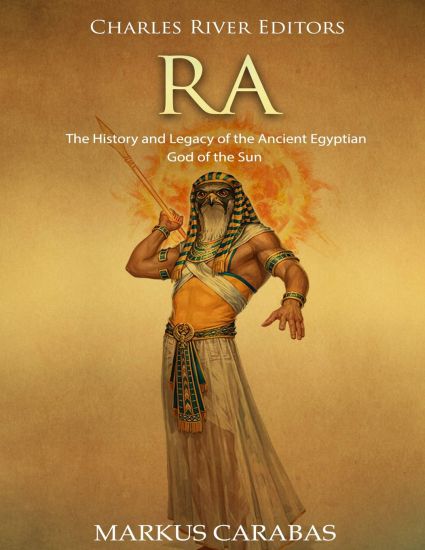
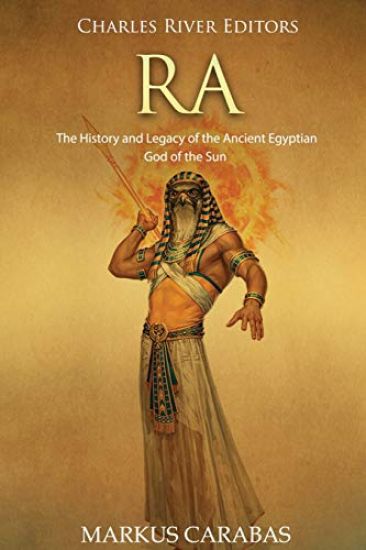
*Includes pictures *Includes ancient accounts *Includes online resources and a bibliography for further reading Africa may have given rise to the first human beings, and Egypt probably gave rise to the first great civilizations, which continue to fascinate modern societies across the globe nearly 5,000 years later. From the Library and Lighthouse of Alexandria to the Great Pyramid at Giza, the Ancient Egyptians produced several wonders of the world, revolutionized architecture and construction, created some of the world's first systems of mathematics and medicine, and established language and art that spread across the known world. With world-famous leaders like King Tut and Cleopatra, it's no wonder that today's world has so many Egyptologists. Although the Egyptians may not have passed their civilization directly on to later peoples, the key elements that comprised Egyptian civilization, including their religion, early ideas of state, and art and architecture, can be found among other civilizations. For instance, civilizations far separated in time and space, such as China and Mesoamerica, possessed key elements that were similar to those found in ancient Egypt. Indeed, since Egyptian civilization represented some fundamental human concepts, a study of their culture can be useful when trying to understand many other pre-modern cultures. To the ancient Egyptians, as was the case with any society made up of inquiring humans, the world was a confusing and often terrifying place of destruction, death and unexplained phenomena. In order to make sense of such an existence, they resorted to teleological stories. Giving a phenomenon a story made it less horrifying, and it also helped them make sense of the world around them. Unsurprisingly, then, the ancient Egyptian gods permeated every aspect of existence. Given the abundance of funerary artifacts that have been found within the sands of Egypt, it sometimes seems as though the Ancient Egyptians were more concerned with the matters of the afterlife than they were with matters of the life they experienced from day to day. This is underscored most prominently by the pyramids, which have captured the world's imagination for centuries. Ra's name was all but ubiquitous in ancient Egyptian texts, to the point that many people today have come across it in history classes. Amun-Ra, Atum-Ra, and Ra-Harakhti have been used in modern cinema and literature for decades, yet isolating "Ra" as a single character, for all its preeminence in the concept of Egyptian mythology, is frustratingly difficult. People familiar with Egyptian mythology know Ra as a sun god, which would seem to explain Ra's centrality in ancient Egyptian religion, but there is so much more to his being a solar entity than a simple manifestation of this awe-inspiring, daily phenomenon for early humans. Ra was a king and tyrant, a lover and friend. It is only through the understanding of this deity as such that people today can fully appreciate the richness of his character and the roles he played in ancient Egyptian religious thought. Ra: The History and Legacy of the Ancient Egyptian God of the Sun looks at the god that had such a decisive impact on the Egyptians' concepts of life. Along with pictures depicting important people, places, and events, you will learn about Ra like never before.
Ra: The History and Legacy of the Ancient Egyptian God of the Sun

Ra: The History and Legacy of the Ancient Egyptian God of the Sun

Markus Carabas; Charles River

Createspace Independent Publishing Platform
2018
nidottu
*Includes pictures *Includes ancient accounts *Includes online resources and a bibliography for further reading Africa may have given rise to the first human beings, and Egypt probably gave rise to the first great civilizations, which continue to fascinate modern societies across the globe nearly 5,000 years later. From the Library and Lighthouse of Alexandria to the Great Pyramid at Giza, the Ancient Egyptians produced several wonders of the world, revolutionized architecture and construction, created some of the world's first systems of mathematics and medicine, and established language and art that spread across the known world. With world-famous leaders like King Tut and Cleopatra, it's no wonder that today's world has so many Egyptologists. Although the Egyptians may not have passed their civilization directly on to later peoples, the key elements that comprised Egyptian civilization, including their religion, early ideas of state, and art and architecture, can be found among other civilizations. For instance, civilizations far separated in time and space, such as China and Mesoamerica, possessed key elements that were similar to those found in ancient Egypt. Indeed, since Egyptian civilization represented some fundamental human concepts, a study of their culture can be useful when trying to understand many other pre-modern cultures. To the ancient Egyptians, as was the case with any society made up of inquiring humans, the world was a confusing and often terrifying place of destruction, death and unexplained phenomena. In order to make sense of such an existence, they resorted to teleological stories. Giving a phenomenon a story made it less horrifying, and it also helped them make sense of the world around them. Unsurprisingly, then, the ancient Egyptian gods permeated every aspect of existence. Given the abundance of funerary artifacts that have been found within the sands of Egypt, it sometimes seems as though the Ancient Egyptians were more concerned with the matters of the afterlife than they were with matters of the life they experienced from day to day. This is underscored most prominently by the pyramids, which have captured the world's imagination for centuries. Ra's name was all but ubiquitous in ancient Egyptian texts, to the point that many people today have come across it in history classes. Amun-Ra, Atum-Ra, and Ra-Harakhti have been used in modern cinema and literature for decades, yet isolating "Ra" as a single character, for all its preeminence in the concept of Egyptian mythology, is frustratingly difficult. People familiar with Egyptian mythology know Ra as a sun god, which would seem to explain Ra's centrality in ancient Egyptian religion, but there is so much more to his being a solar entity than a simple manifestation of this awe-inspiring, daily phenomenon for early humans. Ra was a king and tyrant, a lover and friend. It is only through the understanding of this deity as such that people today can fully appreciate the richness of his character and the roles he played in ancient Egyptian religious thought. Ra: The History and Legacy of the Ancient Egyptian God of the Sun looks at the god that had such a decisive impact on the Egyptians' concepts of life. Along with pictures depicting important people, places, and events, you will learn about Ra like never before.
The OMAD Diet: How Intermittent Fasting With One Meal A Day Can Maximize Your Weight Loss Potential
Maximize Your Weight Loss With OMADHave you lost weight on a diet only to put the pounds back on again?Have you had enough of fad diets?Are you obese or worried about your health?OMAD is a lifestyle and a movement that is proven to reduce the weight of those who have tried it. This solution to your weight loss problems is meant to help you get the most nutrients from the foods you eat, and keep your calories down. This is not fad diet, OMAD Intermittent Fasting is backed by numerous scientific studies. You see, you can feel better within a week by making one simple change. OMAD is a lifestyle that changes the way you look at food and nutrition, allowing you to get the most out of your meals. The best part?There will be no more cravings As you fast, your body will adapt and your metabolism will change. You will enjoy a more positive relationship with food.lose weight effortlessly.supercharge your brain.improve your digestive system.improve your immune system.control your cholesterol.control your blood pressure.control your blood sugar.With "The OMAD Diet: How Intermittent Fasting With One Meal A Day Can Help You Lose Weight And Keep It Off" you will learn: The Main course of ObesityHow water plays a part in weight lossHow to avoid stop snackingHow to manage your hungerAnd most importantly there is a guide for you to put a plan in place to reap the benefits of eating OMAD even if you are on keto or vegan. So if you're ready to experience a happier, healthier life...And feel changes in your body faster than you ever thought possible...Click "Buy Now" and receive your book instantly
Rá: A História e o Legado do Antigo Deus Egípcio do Sol

Rá: A História e o Legado do Antigo Deus Egípcio do Sol

Markus Carabas; Charles River

Createspace Independent Publishing Platform
2018
nidottu
Talvez o aspecto mais intrigante da antiga civiliza o eg pcia seja sua concep o a partir do zero, uma vez que os antigos eg pcios n o tiveram acesso nenhuma civiliza o pr via que pudessem utilizar como refer ncia. Na verdade, o Antigo Egito tornou-se um modelo para as civiliza es seguintes. Os gregos e os romanos ficaram t o impressionados com a cultura eg pcia que, muitas vezes, atribu am de maneira err nea muitas caracter sticas da pr pria cultura aos eg pcios. Com isto dito, alguns elementos da antiga cultura eg pcia foram, de fato, transferidos para civiliza es posteriores. A estatu ria eg pcia parece ter, inicialmente, influenciado a vers o grega, e a l ngua eg pcia antiga sobreviveu como l ngua copta por muito tempo ap s o per odo fara nico. Embora os eg pcios possam n o ter passado sua cultura diretamente a povos posteriores, elementos-chave que compunham a civiliza o eg pcia, incluindo religi o, ideias iniciais de estado, arte e arquitetura, podem ser encontrados em outras civiliza es. Por exemplo, civiliza es bastante separadas no tempo e espa o, como China e Mesoam rica, possu am elementos-chave semelhantes aos encontrados no Antigo Egito. Sem d vida, j que a civiliza o eg pcia representa conceitos humanos fundamentais, um estudo de sua cultura pode ser muito til para compreender diversas outras culturas pr -modernas. Para os antigos eg pcios, como em qualquer sociedade composta por humanos curiosos, o mundo era um lugar confuso e muitas vezes assustador, repleto de destrui o, morte e fen menos inexplic veis. A fim de encontrar o sentido de tal exist ncia, eles recorreram s hist rias teleol gicas. Criar uma explica o para um fen meno, deixava-o menos horripilante e ajudava a dar sentido ao mundo que os rodeava. N o surpreende, portanto, que antigos deuses eg pcios tenham se infiltrado em todas as particularidades da exist ncia. Dada a abund ncia de artefatos funer rios encontrados nas areias do Egito pode-se, s vezes, parecer que os antigos eg pcios estavam mais preocupados com quest es da vida p s-morte do que com a vida que levavam diariamente. Isso enfatizado pelas pir mides que capturam a imagina o do mundo h s culos. O nome de R era praticamente onipresente nos textos eg pcios antigos, a tal ponto que muitas pessoas hoje se depararam com ele em aulas de hist ria. Amun-Ra, Atum-Ra e Ra-Harakhti t m sido usados no cinema e na literatura modernos h d cadas, mas isolar "R " como um nico personagem, apesar de toda sua preemin ncia no conceito da mitologia eg pcia, frustrantemente dif cil. Pessoas familiarizadas com a mitologia eg pcia conhecem R como o deus-sol, isso parece explicar a centralidade de R na religi o eg pcia antiga, mas h muitas mais quest es envolvidas no fato dele ser tido como uma entidade solar do que uma simples manifesta o do fen meno di rio e inspirador para os primeiros humanos. R foi rei e tirano, amante e amigo. somente atrav s da compreens o dessa divindade que, hoje, as pessoas podem apreciar plenamente a riqueza de seu car ter e dos pap is que desempenhou no pensamento religioso do Egito Antigo. R A Hist ria e Legado do Antigo Deus Eg pcio do Sol analisa o deus que teve impacto decisivo sobre os conceitos de vida dos eg pcios. Junto com fotos que retratam pessoas, lugares e eventos importantes, voc aprender sobre R como nunca antes.
Das Erfolgreiche Geschäft Mit Neuheiten & Trendartikeln
"Das erfolgreiche Gesch ft mit Neuheiten & Trendartikeln"Das Existenzgr nderkonzept vom Profi -215 Seiten geballtes Fachwissen -mit ausf hrlicher Beschreibung der Gesch ftsidee.-mit allen Infos zu Existenzgr ndung, Betriebsf hrung, Steuern, Versicherungen, Marketing uvm.-mit genauer Schritt-f r-Schritt-Anleitung f r den Sofortstart -mit ber 2000 Kontaktadressen Starten Sie JETZT in eine erfolgreiche Zukunft Womit l sst sich heute noch ein erfolgreiches Internetgesch ft aufbauen? Mit gut eingef hrten Produkten vom Gro h ndler oder Hersteller? Wenn Sie das glauben, haben Sie warscheinlich ein gro es St ck Entwicklung verpasst. Sie w rden die schmerzliche Erfahrung machen, dass fast alle Gro h ndler und Hersteller gut eingef hrter und bew hrter Produkte ihre Ware selbst im Internet anbieten.Ganz anders verh lt es sich bei Trendartikeln und Neuheiten. Hier wird das richtig gute Geld verdient Da f r diese Waren meistens noch kein Vertriebsnetz existiert, liegt hier die gro e Chance auch f r kleine H ndler. In diesem einmaligen eBook erfahren Sie alle Geheimnisse rund um den Handel mit Neuheiten und Trendartikeln. Angefangen mit den besten Strategien zum Aufsp ren von Neuheiten in aller Welt, ber die richtigen Einkaufstaktiken bis zu den wirkungsvollsten Vertriebswegen wird hier nichts ausgelassen. In einem Sonderteil erfahren Sie sogar, wie Sie gutes Geld ganz ohne Kauf und Verkauf verdienen - nur durch den Handel mit sehr begehrten Informationen.
Iram: A Map for Creating Conscious Relationships

Iram: A Map for Creating Conscious Relationships

Markus William Kasunich

I3magi Light Press
2020
nidottu
"Kasunich has designed a brilliant, original map for creating self-awareness. His balanced and thoughtful holistic approach to personal development is a much-needed contribution to the field of transpersonal psychology. For anyone who is interested in changing their relationships and their lives, this is an absolute must read. I highly recommend it." - Dr. Denise Brachmann MD (Child and Adult Psychiatrist)TRANSFORM EVERY RELATIONSHIP IN YOUR LIFE Are you feeling stuck in your relationships? Are you unwilling to settle for something that is not fulfilling? Do you seem to create the same dysfunctional types of people in your life? Do you repeat similar behaviors in your romantic partners and friendships? Do you long for more intimate and healthy relationships with yourself and others?Do you want to understand and master your inner dynamics that influence every relationship? Have you ever wished for a "relationship guidebook" to assist you in the process? The IRAM: A Map for Creating Conscious Relationships is an invaluable tool. This powerful inner map of consciousness helps you to deeply understand, observe and change your outer relationships by accessing the untapped potential within you. The IRAM (Inner Relationship Archetypal Model) teaches how to access and apply the 24 relationship archetypes of the Radiant Inner Child, Mature Inner Adult, Wounded Inner Child and Shadow Inner Adult in your practical world. This interactive guidebook offers a collection of life-changing self-awareness tools: personal assessments, journaling exercises, techniques and worksheets all carefully designed to assist you on your personal journey. Discover how your conscious and unconscious belief systems and conditioning influences every relationship in your life.Learn how to transform every outer relationship from the inside out and consciously create the healthy intimacy, connection and fulfillment that you deserve.
The Resilient Society

The Resilient Society

Markus Brunnermeier

Endeavor Literary Press
2021
pokkari
People in a resilient society are able to bounce back from shocks, such as pandemics and economic crises. The Resilient Society, by Princeton University economist Markus Brunnermeier, describes how individuals, institutions, and nations can successfully navigate a dynamic, globalized economy filled with unknown risks. Lacking resilience, societies, families, and individuals can reach tipping points from which they cannot recover. Written for business leaders, economists, policymakers, and politically interested citizens, the book argues that the concept of resilience can be a compass for developing a social contract that benefits all people. The author applies his macroeconomic insights to public health, innovation, public debt overhang, inflation, inequality, climate change, and challenges to the global order. "Markus Brunnermeier has written a landmark book on resilience. It is an indispensable guide to what we must learn from the pandemic, and how to do better next time." - Angus Deaton, 2015 Nobel laureate in economics"In this book, Markus Brunnermeier thinks big about the long-term future, in light of the lessons we have learned from recent transforming events, such as the Covid-19 pandemic and the digital revolution. His book is a significant read for anyone taking a leadership role in the coming years. An excellent reading to an intro economics course." - Robert Shiller, 2013 Nobel laureate in economics"Markus Brunnermeier provides a new framework for understanding resilience in finance and in the political economy. He argues that we need to adopt a wider vision of how economies work. Lucid, clear, and engaging, the book should be required reading for any economist or policymaker seeking a new way of imagining the craft of economics." - Gillian Tett, Financial Times, chair of the editorial board and editor-at-large"Markus Brunnermeier, one of the leading economists of this generation, shows us how we can address crises more effectively in the future. His book will be an invaluable resource for scholars and practitioners looking to build a more resilient, just, and productive society." - Raj Chetty, William A. Ackman Professor at Harvard University and the director of Opportunity Insights
The Greatest Polar Expedition of All Time

The Greatest Polar Expedition of All Time

Markus Rex

GREYSTONE BOOKS,CANADA
2022
sidottu
??For readers of Madhouse at the End of the Earth, Endurance, and other seafaring adventure stories comes a thrilling account of a 21st-century Arctic mission.“ A contemporary classic!”—Ken McGoogan, author of Fatal Passage“Show-stopping.”­—Publisher’s Weekly STARRED ReviewThe Greatest Polar Expedition of All Time vividly describes one year aboard the Polarstern, a powerful ice-breaker ship that journeyed deep into the Arctic in 2019, carrying over 100 scientists and crew known as the MOSAiC Expedition. Hailing from across the world, they would become the largest expedition to ever survive a polar winter. Their purpose? To understand—and predict—the impacts of climate change on the Arctic.Written by the expedition’s leader, the renowned atmospheric scientist Markus Rex, this page-turner reads like a captain’s log of daily life aboard the Polarstern. Living in one of the most remote, dangerous, and electrifying places on earth, Rex describes incredible sights: polar bears playing with scientific equipment, Christmas parties in the bitter cold, frostbitten scientists, and hair-raising storms that threaten to break the Polarstern’s cables and send it flying across the ice. He also reveals breathtaking science from deep inside the sea ice.Filled with sobering, heart-warming, and bone-chilling moments, The Greatest Polar Expedition of All Time is a testament to Rex’s extraordinary drive to save a precious ecosystem. It’s also an ode to a place that has beguiled sailors and explorers for centuries.
Brand Plan Rx

Brand Plan Rx

Markus Saba; Hilary Gentile

Page Two Press
2021
pokkari
"How do you market a successful brand in today's constantly changing healthcare industry? Markus Saba and Hilary Gentile have spent decades confronting that challenge. In Brand Plan Rx, they show us how to use a simple and powerful framework of inspirational storytelling." -Arianna Huffington, founder and CEO, Thrive GlobalBuild a healthcare brand that changes lives.A thriving brand requires a plan. Even the best marketing ideas cannot come to fruition without a cohesive brand plan. This is especially relevant and challenging in the health and wellness industry. Brand Plan Rx provides a proven road map that empowers you to make the choices that drive demand and will get you to synthesize your plan onto one page designed specifically with the health and wellness industry in mind.In Brand Plan Rx, healthcare and pharmaceutical marketing executives, professor Markus Saba and marketer Hilary Gentile, provide a step-by-step formula to uncover the unique needs that drive brand choice in the health and wellness industry. Drawing on their decades of work in launching major pharmaceutical and wellness brands, they outline exactly how you can create a strong, effective brand plan to launch and market your brand.Brand Plan Rx's Choice Map guides you through the difficult decisions that will build your brand. You will bring it all together into a cohesive and clear brand story. As you master synthesis and clarity, you will create a one-page Cohesion Map, a clear roadmap to use as your sounding board for all decisions you make for your brand. Ultimately, you'll learn how to apply traditional marketing principles to the healthcare space so that your brand will make a marked difference in people's lives."Captures the essence of brand planning in the pharma/biotech space in a manner that is clear, simple, and practical." -Enrique Conterno, CEO, FibroGen, Inc."A book that considers all the distinct factors of marketing in the healthcare industry. Practical, to the point, entertaining, and educational." -Rolf Hoffmann, chairman of the board of directors, Biotest"I recommend this book to all commercial leaders in our industry." -Burcu Eryilmaz, VP, Sanofi Genzyme"An essential guide from industry experts who have spearheaded thousands of successful launches." -Danielle Kayembe, founder and CEO, GreyFire Impact