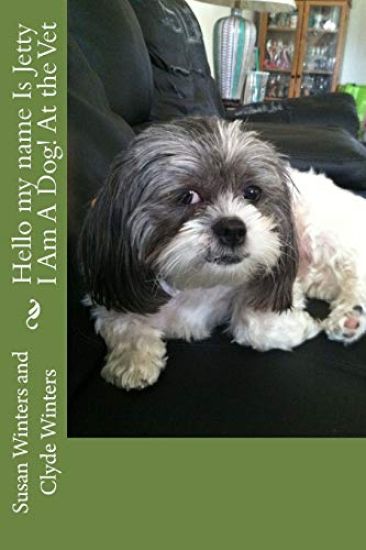
This book is about Jetty's visit to the zoo with her family. It teaches children that they should obey adults when they go on trips, eat healthy, and keep the areas where they eat clean.
In this book Jetty meets a new neighborhood dog. It encourages the reader to recognizes that being different is not bad. It explains the safety features pet owners need to implement to keep their pets safe. And it explains how pets should come from responsible Breeders.
This book explains how hierarchies threaten to destroy human society - and how they could all be replaced with a new organizational paradigm that is non-hierarchic and free of bureaucracy. Buckminster Fuller said: "You never change things by fighting the existing reality. To change something, build a new model that makes the existing model obsolete." Clyde Cleveland, the author of Common Sense Revisited says of FLOURISH : "This book is powerful beyond description... I have never read any book or heard anyone describe our present system and its faults as clearly as Robert Podolsky does in this book. The real meat of this book is the solution presented to create an alternative system." Foster Gamble, the creator of the movie, "Thrive", said of it: "It is rare for me to read such a clear well thought-through book on any topic, much less the most important one on planet Earth " Those who want to fix government and those who want a better alternative will find in this book a way to work together toward the goals they have in common: peace, prosperity, creativity, and an ethical structured society in a world without government.
This is the story of Frank. He has had a hard life and is now living on the streets. Chance throws a young lady into his life and things can only get better from here
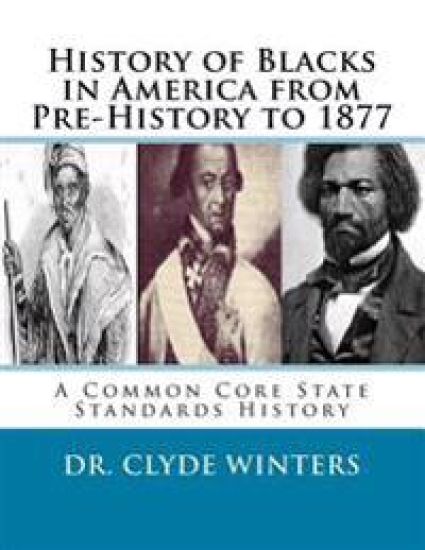
In History of Blacks in America from Pre-History to 1877, I discuss the real history of Blacks in America. It explains that the contemporary Black population in the United States is made up of three Black Nationalities: Black Europeans, Black Native Americans and Black Africans from Sub-Saharan Africa.A History of Blacks in America from Pre-History to 1877 is meant to be used as a textbook or a stand alone history text. The book is divided into two parts. In this revision of the 2014 edition, Part One has been expanded to provide a detailed discussion of Afro-American history beginning with the Paleoamerican and Pre-Columbian periods up to the 1980's.Part Two provides two short essays on the Black Europeans and American Mound builders, along with short informational text teachers can use to teach the history of the Black Americans of European descent, Black Americans of African descent and Black Americans of Native American descent so the reader can have a full knowledge of the history of Blacks in America.
This book is an attempt to record a small portion of my father's life and the events of an era that had a profound influence on the whole of his life. As a typical teenager, with answers to all of life's questions, Dad dove head first into any adventure that dared challenge him. After two tours of duty in the Pacific during WWII, answers turned into questions, most with no resolution this side of heaven. Dad's values were clearly evident to any who took the time to examine - a love of God, family and country. This book focuses on the third, a love of country, exemplified by his eight years of service in the United States Marine Corp. At an early age I was aware of my father's participation in WWII from the photos he proudly displayed on our den wall, showing the units and companies he served with. It was much later in life that stories behind the photos were shared. It was not so much that Dad had not wanted to talk about them; I was just late asking. More so in his later years, anyone desiring could get an earful of tales about South Pacific islands and Marine Corp exploits sprinkled with an occasional anecdote about growing up in small town Alabama. The last few years of Dad's life found the two of us, most every weekday afternoon, sitting on his back deck, drinking Buffalo Rock ginger ale, eating peanuts and talking about life. Usually his life. The longer we sat, the more questions I asked and the more Dad would reminisce of younger days. I finally recognized the value of these conversations and found myself hurrying home to write down details of the afternoon's exchange. As months passed, most stories were shared multiple times, occasionally with new details stirred by questions I posed. Unfortunately, the years had erased all but the most memorable events. As I penned more and more of Dad's story, I found myself looking deeper into the history surrounding his life and trying to fill in dates and events. This book is a combination of Dad's back-deck ramblings and many hours of research into the history that shaped not only his life, but life as we know it.In my study of Dad's life, I've been blessed to find some of those answers he longed for.
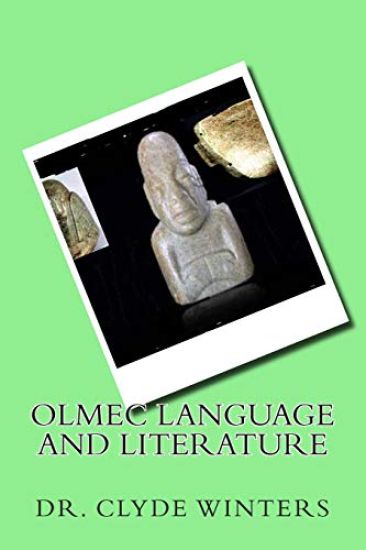
Olmec Language and Literature (OLL) tells the story of the Olmec language. In it you will learn that the we know the name of the Olmecs is Xi, because this the name they claim for the people who gave them writing. OLL is divided into two parts. In the first part of the book readers will learn how the Olmec writing system was deciphered, the Xi language and how to read Olmec texts. In part two, Dr. Winters deciphers and translates the major Xi text. These Olmec text include the Tuxtla Statuette, LaVenta Celts, Mojarra Stela, Olmec Heads, and Teo Mask to name a few. OLL is easy to read and provides explicit insight into the culture and religious practices of the Olmecs.