

Kirjahaku
Etsi kirjoja tekijän nimen, kirjan nimen tai ISBN:n perusteella.
1000 tulosta hakusanalla Dandi Daley Mackall
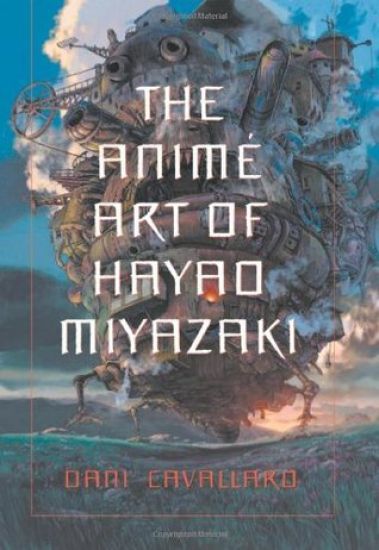
"This work considers the visual conventions of Japanese comic books and animated films, Miyazaki's early foray into comic books and animation, the Studio Ghibli era, and the company's development. It analyzes all of Miyazaki's productions between 1984 and 2004, including such hits as My Neighbor Totoro"--Provided by publisher.
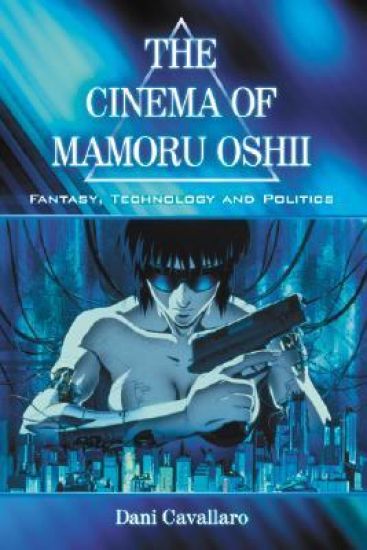
"This book is an analytical survey of Oshii's cinematic works from the early years of his career through his 21st-century productions. The author examines Oshii productions in relation to the Carnivalesque movement, technopolitics and the director's post-robotic vision. Special emphasis is placed on Oshii's revolutionary film techniques. A complete filmography is included"--Provided by publisher.
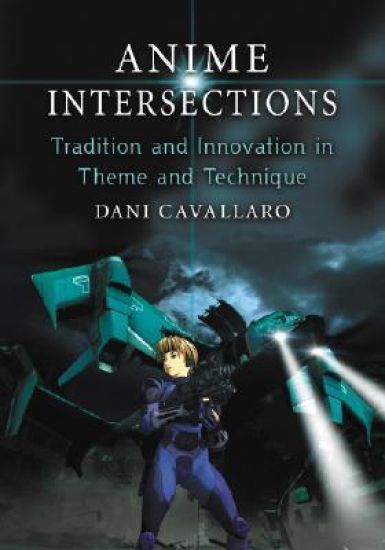
This text examines the artistic development of anime, from its origins as a subset of the Japanese film industry to its modern-day status as one of the most popular forms of animation worldwide. Chapter One provides a discussion of the history of anime and the separate phases of the artistic process involved in creating a traditional anime film. The main body of the text comprises nine chapters, each of which is devoted to a detailed analysis of a chosen production and explores the technical and thematic developments pioneered in works such as Ninja Scroll, Perfect Blue, and Howl's Moving Castle. The final chapter examines the impact of the medium within Western contexts, focusing on changing perceptions of anime and on the medium's frequent appearances within Western pop culture and the fine arts. A complete bibliography and filmography are included.
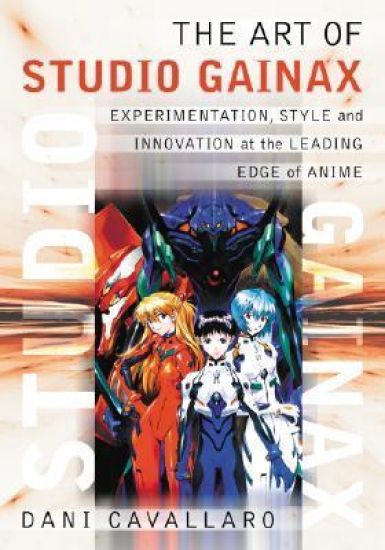
Formed by a small group of university students in the early 1980s, Studio Gainax is now one of the most adventurous and widely esteemed anime companies on the scene. And it is fascinating for its unique approach to animation. Formal experimentation, genre-straddling, self-reflexivity, unpredictable plot twists, a gourmet palate for stylishness, proverbially controversial endings, and a singularly iconoclastic worldview are some of the hallmarks. This documentation of the studio's achievements provides a critical overview of both the company and its films: in-depth examinations of particular titles that best represent the company's overall work, including television series such as Nadia: The Secret of Blue Water and Neon Genesis Evangelion, and feature films such as Royal Space Force: The Wings of Honneamise and Gunbuster vs. Diebuster. Each chapter highlights the contribution made by a specific production to the company's progress.
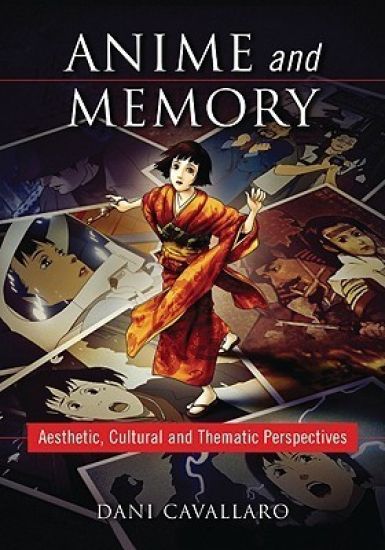
The theme of memory has played a significant role in anime throughout its evolution as an art form and as popular entertainment. Anime's handling of memory is multifaceted, weaving it into diverse symbolic motifs, narratives and aesthetic issues. This study aims to provide a detailed analysis of a range of anime titles wherein different aspects of this cultural phenomenon are articulated. It explores anime films and series that exemplify the distinctive signatures placed by particular directors or studios on the treatment of memory, while also highlighting the prominence of memory in anime with reference to specific philosophical, artistic, and historical contexts.

This volume examines the military strategy and issues that Egyptian war planners faced during the 1973 Yom Kippur War. Of major interest is the relationship between the political and military leaders and how that affected the buildup and course of the conflict. Taking this as a starting place, the author concentrates on how Soviet military doctrinal changes presented themselves between the conclusion of the Six-Day War and the Yom Kippur War.
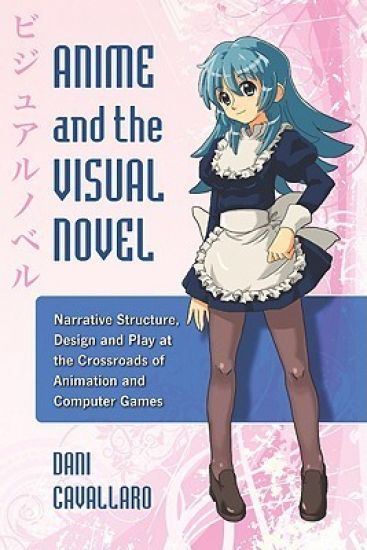
This book describes the thematic and structural traits of a recent and popular development within the realm of anime: series adapted from visual novels. Visual novels are interactive fiction games in which players creatively control decisions and plot turning points. Endings alter according to the player's choices, providing a motivation to replay the game and opt for alternative decisions each time. Pictorial sumptuousness, plot depth and subtle characterization are vital aspects of the medium. Anime based on visual novels capitalizes on the parent games' attributes, yielding thought-provoking yarns and complex personalities.
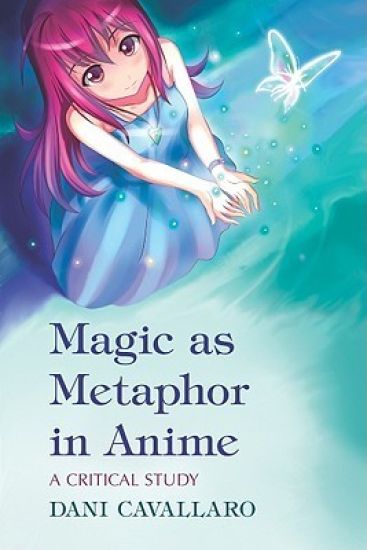
Since its inception as an art form, anime has engaged with themes, symbols and narrative strategies drawn from the realm of magic. In recent years, the medium has increasingly turned to magic specifically as a metaphor for a wide range of cultural, philosophical and psychological concerns. This book first examines a range of Eastern and Western approaches to magic in anime, addressing magical thinking as an overarching concept which unites numerous titles despite their generic and tonal diversity. It then explores the collusion of anime and magic with reference to specific topics. A close study of cardinal titles is complemented by allusions to ancillary productions in order to situate the medium's fascination with magic within an appropriately broad historical context.
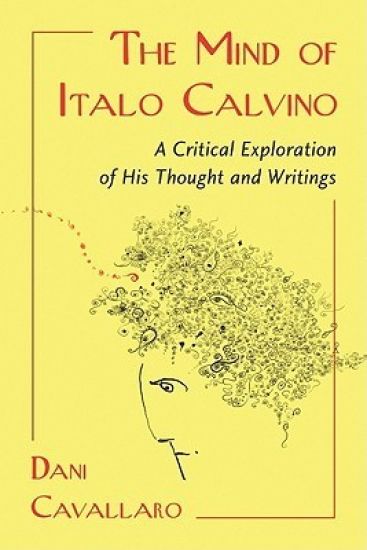
At the time of his death, Italo Calvino was internationally regarded as one of Italy's greatest twentieth century writers. His approach to literature was remarkably adventurous, and he produced a thought-provoking oeuvre. It invited readers to engage themselves with radical thoughts and philosophies, an approach lamentably scarce in contemporary global culture. This book examines Calvino's works of fiction in the context of the philosophical ideas he advanced in his theoretical and critical works. His was an extraordinarily versatile mind, keen on experimenting with a dazzling variety of both fiction and nonfiction forms.
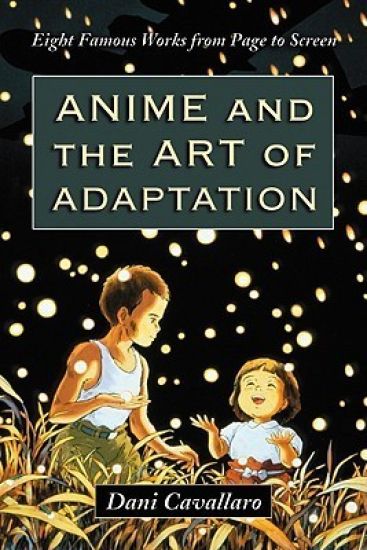
Exploring a selection of anime adaptations of famous works of both Eastern and Western provenance, this book is concerned with appreciating their significance and appeal as independent texts. The author evaluates three aspects of anime adaptation--how anime adaptations develop their original sources in stylistic, aesthetic, and psychological terms; how specific features of the anime medium impact alchemically on the original sources to bring into being imaginative works of an autonomous nature; and which qualities render an adaptation in anime form a distinctly unique artistic creation.
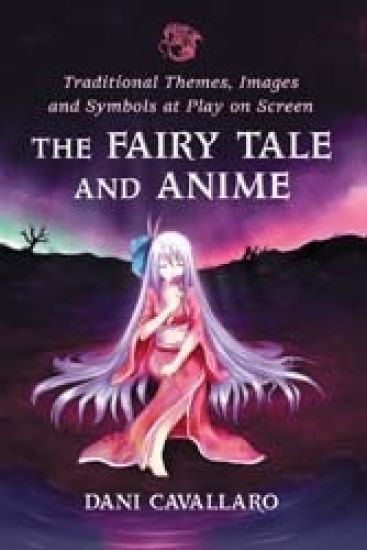
Over the last few decades, anime has consistently come into fruitful contact with themes, images and symbols associated with the fairy tale tradition. This critical text focuses on the ways in which fundamental principles of the fairy tale tradition are deployed, and hence come to manifest themselves narratively and cinematographically, in anime. Topics covered include modes of storytelling, aesthetics, as well as dramatic, ethical, psychological and social considerations. Of particular interest is the way in which allegorical commentaries on cultural and historical issues are illustrated in anime.
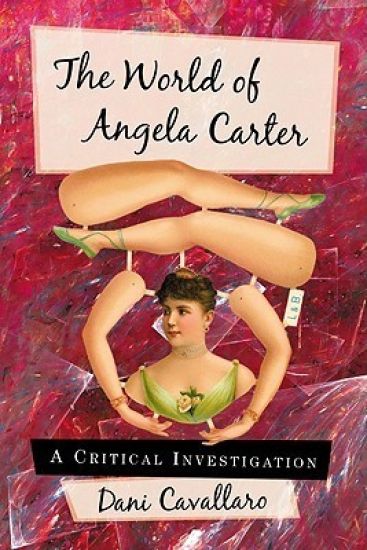
Angela Carter, a prolific author who worked in numerous genres, remains one of the most important British writers of the last century. She was particularly renowned for her investigation of cultural mythologies, which shape our lives but which we often leave unexamined. This text explores a selection of Carter's novels and short stories, supplemented with her perspectives on politics, society and aesthetics, and her attempts to redefine popular genres such as the fairy tale. This critical work is a strong addition to the scholarship on this important but often overlooked writer.
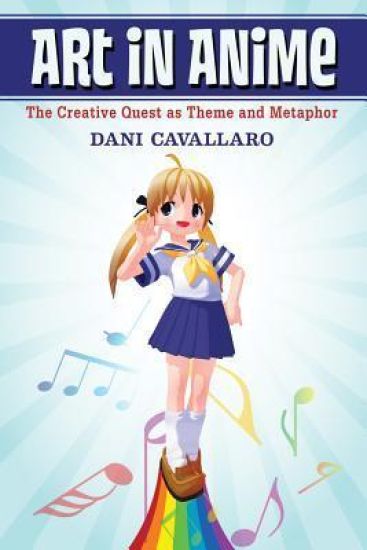
Anime, hand-drawn or computer-animated Japanese cartoons, appears in television series, films, video, video games, and commercials, and represents most genres of fiction. This critical study explores anime's relationship with art from a twofold perspective. Drawing from categories as varied as romance, comedy, slice of life drama, science fiction, bildungsroman, and school drama, it examines anime's representation of characters pursuing diverse artistic activities and related aesthetic visions, focusing closely on the concepts of creativity, talent, expressivity and experimentation. Additionally, the analysis engages with anime's own artistry, proposing that those characters' endeavors provide metaphors for the aims and objectives pursued by anime itself as an evolving art form. The cross-cultural resonance of this work makes it relevant not only to anime fans and scholars, but also to those interested in the phenomenon of image-making.
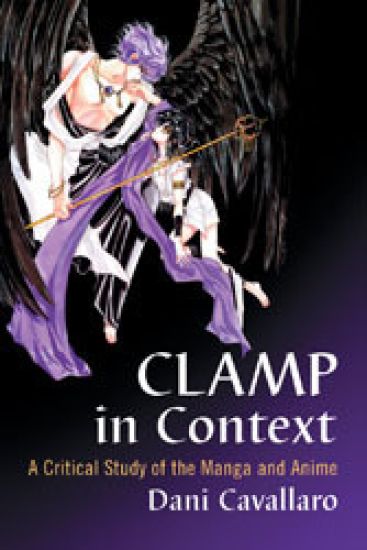
Since its debut manga RG Veda, CLAMP has steadily asserted itself as one of the most widely renowned teams of manga artists, leaving a durable imprint in every established genre while also devising novel formulas along the way. Endowed not only with stylistic distinctiveness but also comprehensive cultural structure, CLAMP's output is distinguished by unique worldbuilding ?air and visual vitality. Exploring a selection of CLAMP manga as well as anime it inspired, this volume examines CLAMP's broader philosophical underpinnings, its dedication to the invention of elaborate narrative constructs, its legendary passion for multilayered universes, and its symbolic interpretation of human identity. Throughout, the work highlights the team's incremental creation of a graphic constellation of unparalleled appeal.
Kyoto Animation, a studio with very humble beginnings, has gained recognition the world over as a uniquely inspired and inventive enterprise. This book examines Kyoto Animation's philosophy and creative vision with close reference to its anime. It focuses on the studio's choice of genres, themes and imagery while exploring its maintenance of high production values. The analysis highlights the studio's commitment to the pursuit of both artistic excellence and technical experimentation--and its reliance on the imagination and expertise of in-house staff.
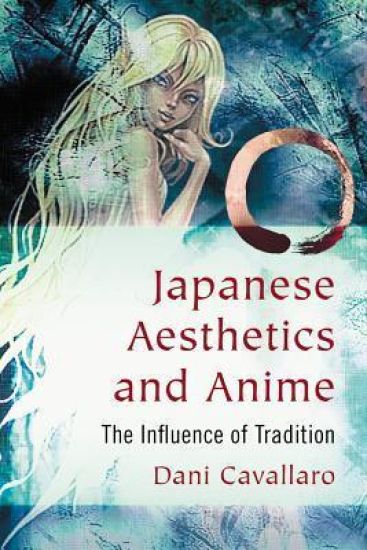
This study addresses the relationship between Japanese aesthetics, a field steeped in philosophy and traditional knowledge, and anime, a prominent part of contemporary popular culture. There are three premises: (1) the abstract concepts promoted by Japanese aesthetics find concrete expression at the most disparate levels of everyday life; (2) the abstract and the concrete coalesce in the visual domain, attesting to the visual nature of Japanese culture at large; and (3) anime can help us appreciate many aspects of Japan's aesthetic legacy, in terms of both its theoretical propositions and its visual, even tangible, aspects.
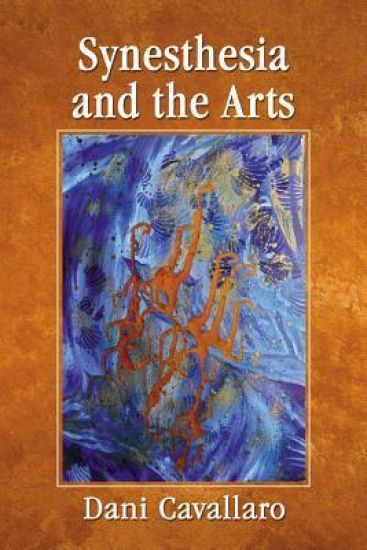
This study explores the relationship between synesthesia--the experience of a sensation in one perceptual domain triggering a sensation in another perceptual domain--and the arts (including painting, photography, music and literature). Its aim is twofold: to introduce readers as yet unfamiliar with synesthesia to this intriguing phenomenon by focusing on its impact on the creation and reception of art; and to alert readers already conversant with synesthesia in its many manifestations to its potential to encourage fresh ways of approaching art, of understanding the part played by our bodies in its production and receipt and, by extension, of reassessing our position in nature as humans.
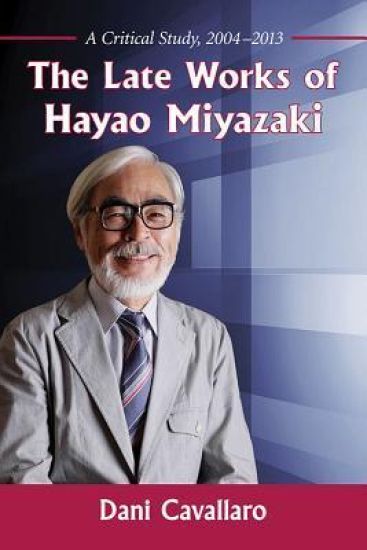
Once a favorite of mainly art house audiences, Hayao Miyazaki's films have enjoyed increasing exposure in the West since his Spirited Away won the Oscar for Best Animated Feature in 2003. The award signaled a turning point for Miyazaki's Studio Ghibli, bringing his films prominence in the media and driving their distribution in multiple formats. This book explores the closing decade of Miyazaki's career (2004-2013), providing a close study of six feature films to which he contributed, including three he directed (Howl's Moving Castle, Ponyo and The Wind Rises). Seven short films created for exclusive screening at Tokyo's Ghibli Museum are also covered, four of which were directed by Miyazaki.
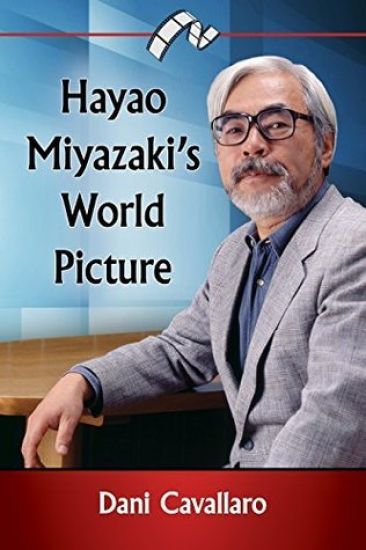
Hayao Miyazaki has gained worldwide recognition as a leading figure in the history of animation, alongside Walt Disney, Milt Kahl, Tex Avery, Chuck Jones, Yuri Norstein and John Lasseter. In both his films and his writings, Miyazaki invites us to reflect on the unexamined beliefs that govern our lives. His eclectic body of work addresses compelling philosophical and political questions and demands critical attention. This study examines his views on contemporary culture and economics from a broad spectrum of perspectives, from Zen and classical philosophy and Romanticism, to existentialism, critical theory, poststructuralism and psychoanalytic theory.