
Kirjahaku
Etsi kirjoja tekijän nimen, kirjan nimen tai ISBN:n perusteella.
1000 tulosta hakusanalla Graham Patterson
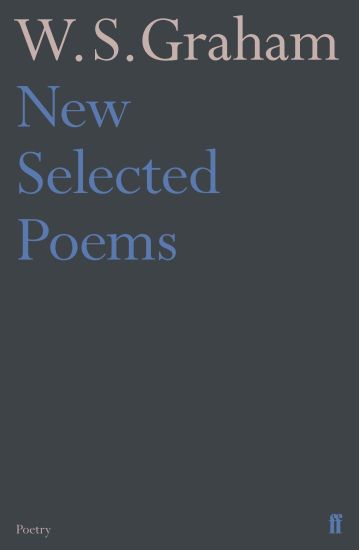
One hundred years after his birth, W. S. Graham's words seem more awake than ever. His subtle exploration of the paradoxes of language, his passionate conviction of the importance of art and the love he expresses for the people and landscapes of his native Clydeside and adopted home of Cornwall attract more readers each year. In startlingly original poems, he celebrates family and friendship and probes the limits of our understanding of the world and our place in it. Graham's New Collected Poems (2004) marked a crucial point in the growth of his reputation, bringing together for the first time all the poems of his seven collections as well as some of the unpublished material that had come to light since his death in 1986. Now, as we honour his centenary, this New Selected Poems presents his best and most characteristic: from his epic seafaring masterpiece 'The Nightfishing' to the quirky metaphysics of 'Implements in their Places', as well as a selection of his early neo-romantic poems, which Graham himself believed were essential to a full understanding of his oeuvre, and some remarkable uncollected work. There is no better way to make the acquaintance of one of the greatest British poets of the twentieth century.
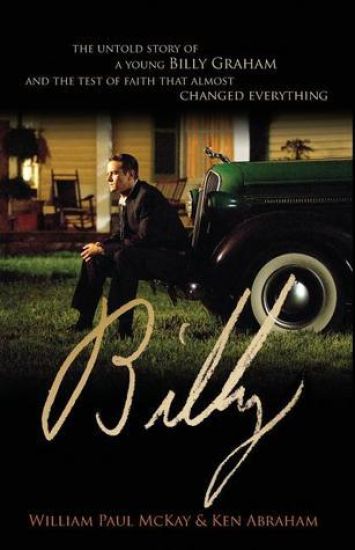
Billy: The Untold Story of a Young Billy Graham and the Test of Faith That Almost Changed Everything
William Paul McKay; Ken Abraham
THOMAS NELSON
2011
nidottu
The remarkable true story of a young Billy Graham and his best friend who walked away from the faith.We all know howthe story ends but how did it begin? Before he became a household name, and America's Pastor, he was simply known asBilly. When he wasn't playing baseball, he was discovering his lovefor Christian ministry. His best friend, Charles Templeton, wasalready ontrack to be a highly successful evangelist and the two young men beganstrategizing on how to win the world for Christ. That plan takes adrastic turn, however, when Templeton deserts the faith and becomes anatheist. The impact of this decision on a young Billy Graham isimmeasurable and agonizing. Charles would later become the greatintellectual architect for agnosticism and atheism. Billy wouldbecome the single greatest messenger for the Christian Gospel. It isone of the great untold dramas between friends - Atheism vsChristianity, betrayal and hope.

Welcome to Cathy Graham’s floral world. In her second book, published in a beautiful slipcase, the acclaimed artist, host, and gardener presents a new series of floral creations. With her uniquely whimsical style and artful touch, Graham conjures a variety of colorful designs for the table, home, and party. Brilliant bouquets are paired with Graham’s own watercolor artwork, and step-by-step guides to creating delightful table settings and floral designs will inspire readers to design their own creations. Graham creates a wide range of table settings, for occasions ranging from a simple lunch to a festive dinner party. These elaborate arrangements are accompanied by useful sidebars (on everything from painted pots to DIY faux trees) perfect for readers eager to entertain. Drawing from her art background, Graham also presents a variety of collages, which showcase her creative ingenuity and provide helpful information on flower style, species, and arrangement. Beautiful and useful, the book provides a bevy of inspiration as well as accessible takeaways. Beginner floral arrangers and seasoned hosts alike will delight in her unconventional arrangements, expert tips, and informative guides, all sure to make any home more colorful.
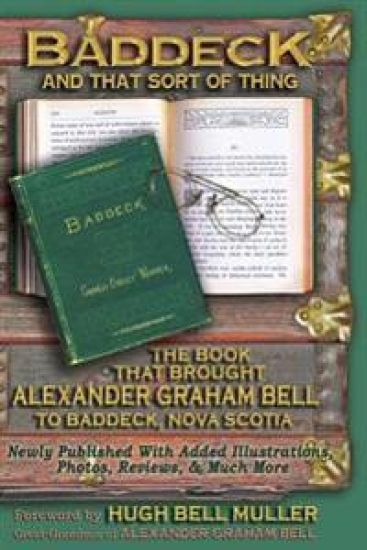
Baddeck and that sort of thing: The Book that Brought Alexander Graham Bell to Baddeck, Nova Scotia
Charles Dudley Warner
Dejavu Press
2015
nidottu

Memorials And Letters Illustrative Of The Life And Times Of John Graham Of Claverhouse, Viscount Dundee
Mark Napier
Hutson Street Press
2025
pokkari
'carrots', By Ennis Graham
Hutson Street Press
2025
sidottu
'carrots', By Ennis Graham
Hutson Street Press
2025
pokkari
Fictional Representations of (Un)ethical Journalistic Practices in Graham Greene’s Work
Beatriz Valverde
TAYLOR FRANCIS LTD
2024
sidottu
British author Graham Greene pursued a professional career as a journalist before becoming a full-time writer. After that, he continued taking on reporting assignments as a correspondent for a variety of publications. Greene knew the profession inside out, and the role of the media in shaping the public’s views through information gathering and dissemination—a topic insufficiently researched by criticism—was among his main concerns. Greene’s fictional work features an array of journalists, and the representation of (un)ethical practices of the profession is a constant reference in his narrative. In this book, I intend to fill this research gap in Greenean studies, focusing on three main topics: the author’s reflection on the journalistic practice in connection with the classic paradigm of objectivity versus empathy; his questioning of the misuse of power when gathering and disseminating information by journalists, editors and news corporation owners; and finally, the relationship between journalists and their readership’s expectations, as well as the importance of fostering critical readers that make informed trustworthy decisions regarding journalism performance.
![Voyage of H.M.S. Blonde to the Sandwich Islands, in the Years 1824-1825. Captain the Right Hon. Lord Byron Commander. [By Maria Graham. with Plates, Including a Map.]](/covers/9781241219635.jpg)
Voyage of H.M.S. Blonde to the Sandwich Islands, in the Years 1824-1825. Captain the Right Hon. Lord Byron Commander. [By Maria Graham. with Plates, Including a Map.]
George Anson Byron; Maria Graham
British Library, Historical Print Editions
2011
pokkari
Tactical Deductions from the War of 1870-71 ... Translated ... by Colonel Lumley Graham.
Albert Boguslawski; Lumley Graham
British Library, Historical Print Editions
2011
pokkari
Message from the Governor of Maryland Transmitting the Reports of the Joint Commissioners, and of Lt. Col. Graham, U. S. Engineers, in Relation to the Intersection of the Boundary Lines of the States of Maryland, Pennsylvania, and Delaware.
Eyre; James Duncan Graham; Henry G S Key
British Library, Historical Print Editions
2011
pokkari

Letters to Frances White Emerson from W. Graham Robertson
W. Graham Robertson
Literary Licensing, LLC
2011
nidottu
Make a Joyful Sound: The Romance of Mabel Hubbard and Alexander Graham Bell
Helen Elmira Waite
Literary Licensing, LLC
2012
sidottu
""Make A Joyful Sound"" is a biography that delves into the romantic relationship between Mabel Hubbard and Alexander Graham Bell. The book explores how Mabel, who was deaf, met Bell and helped him refine the invention of the telephone. The story follows their courtship and eventual marriage, as well as their work together on various projects related to communication technology. The book also delves into the challenges that Mabel faced as a deaf woman in a hearing world, and how she overcame them with Bell's help. Overall, ""Make A Joyful Sound"" provides a fascinating look at the lives of two influential figures in history and their enduring love story.Foreword By Gilbert H. Grosvenor. An Authorized Biography.This scarce antiquarian book is a facsimile reprint of the old original and may contain some imperfections such as library marks and notations. Because we believe this work is culturally important, we have made it available as part of our commitment for protecting, preserving, and promoting the world's literature in affordable, high quality, modern editions, that are true to their original work.

Make a Joyful Sound: The Romance of Mabel Hubbard and Alexander Graham Bell
Helen Elmira Waite
Literary Licensing, LLC
2012
nidottu

Life Was Worth Living: The Reminiscences of W. Graham Robertson
W. Graham Robertson
Literary Licensing, LLC
2013
sidottu
Life Was Worth Living: The Reminiscences Of W. Graham Robertson is a book that offers readers a glimpse into the life and experiences of W. Graham Robertson. Robertson was a prominent figure in the art world during the late 19th and early 20th centuries, and his reminiscences provide a fascinating insight into the cultural and social milieu of that time. The book is divided into chapters that cover different aspects of Robertson's life, including his childhood, his education, his travels, and his friendships with other notable figures of the era. Robertson was a close friend of Oscar Wilde, and his recollections of the famous writer offer a unique perspective on his life and work. Throughout the book, Robertson shares his thoughts and observations on a wide range of topics, from art and literature to politics and society. He offers his opinions on the great artists and writers of his time, and provides insights into the social and cultural changes that were taking place during this period. Life Was Worth Living is a must-read for anyone interested in the history of art and culture, and offers a fascinating glimpse into the life of one of the most influential figures of the early 20th century.This is a new release of the original 1931 edition.This scarce antiquarian book is a facsimile reprint of the old original and may contain some imperfections such as library marks and notations. Because we believe this work is culturally important, we have made it available as part of our commitment for protecting, preserving, and promoting the world's literature in affordable, high quality, modern editions, that are true to their original work.
James S. Graham, Appellant, V. March Fong Eu, Secretary of State of California, et al. U.S. Supreme Court Transcript of Record with Supporting Pleadings
James E Sheldon; James D Welch; Evelle J Younger
Gale Ecco, U.S. Supreme Court Records
2011
pokkari
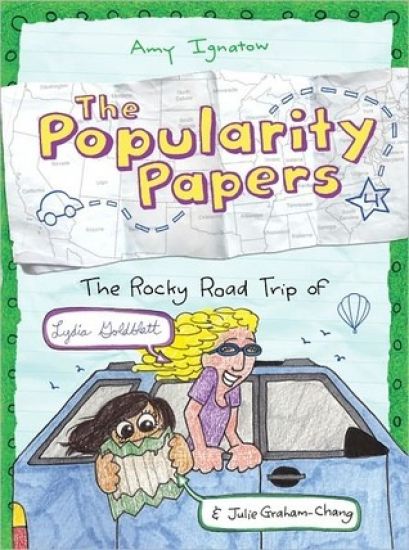
The Rocky Road Trip of Lydia Goldblatt & Julie Graham-Chang (The Popularity Papers #4)
Amy Ignatow
Amulet Books
2012
sidottu
It’s summertime, and Julie and Lydia are going on a road trip! After all the ups and downs of their first year in junior high, they’re looking forward to seeing the sights and getting some new perspective on their quest for popularity. Papa Dad and Daddy will provide the transportation, and they’ll provide the entertainment. At first Julie and Lydia use their Powers of Observation to catalog the traditions and oddities of each new location they visit, but soon their attention turns to parents and family and negotiating sensitive family dynamics. By the time the duo hits familiar streets again, they may have to accept some uncomfortable truths, but their journey is infused with the humor, heart, and truthfulness that Amy Ignatow is known for.