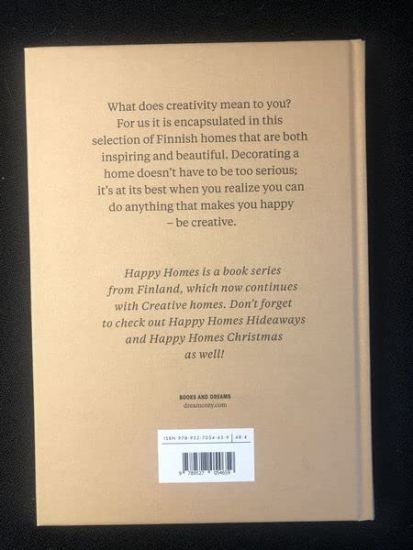
What does creativity mean to you? For us it is encapsulated in this selection of Finnish homes that are both inspiring and beautiful. Decorating a home doesn´t have to be too serious; it´s at its best when you realize you can do anything that makes you happy – be creative. Happy Homes is a book series from Finland, which now continues with Creative homes. Don´t forget to check out Happy Homes Hideaways and Happy Homes Christmas as well! Find the other books of the series: Happy Homes Hideaways Happy Homes Christmas
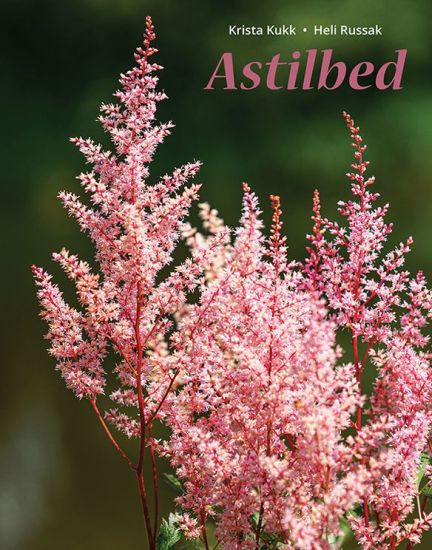
Raamat, mida käes hoiad, on sügav kummardus ja austusavaldus ühele taimeperekonnale - astilbele. Astilbede kaunis pitsiline lehestik ja kesksuvine kohev õitevaht on hingematvalt kaunis vaatepilt. Kes seda on näinud, teab, kui lihtne on sellele lummusele kaotada nii mõistus kui ka süda.Sinu ees avaneb põhjalik käsitlus, milles põimuvad botaanika, ajalugu, liikide ja sortide kirjeldused, lisaks huvitavaid fakte astilbedest. Autorid jagavad oma pikaajalisi kogemusi astilbede kasvatamisel ja hooldamisel ning seletavad lahti kõik sammud, nii et iga aiandushuviline, olgu ta algaja või juba kogenud rohenäpp, leiab endale midagi kasulikku.Raamatu kaunid fotod loovad just õige meeleolu ning on heaks inspiratsiooniallikaks. Astilbed on tõelised südametemurdjad, nad lihtsalt poevad sulle sügavale hinge.
From New York Times bestselling authors Krista and Becca Ritchie comes the next in the Cobalt Empire series, perfect for fans of Elle Kennedy, Elsie Silver, and Liz Tomforde.
Ad ntrate en el mundo de las hermanas Calloway, la saga de romance adulto m s esperada del momento. La sensaci n de TikTok que ha seducido a millones de lectoras. Enam rate de Lily y Lo en este rompedor romance para adultos ambientado en un mundo de lujo, fama, hombres de ensue o y amistades que lo pueden cambiar todo. Nadie sospechar a cu l es el mayor secreto de la t mida Lily Calloway. Mientras los dem s bailan en los bares de universitarios, Lily se queda en el ba o... Para acostarse con hombres. Sus compulsiones la empujan hacia los rollos de una noche, los encuentros m s t rridosy otros momentos de los que luego se arrepiente. Y resulta que la nica persona que conoce su secreto tambi n tiene uno. La mejor amiga de Loren Hale es su botella de bourbon, aunque Lily tiene un re ido segundo puesto. Hace tres a os que fingen salir juntos para esconder sus adicciones a sus familias. Son unos maestros en el arte de esconder petacas y chicos sin nombre que entran y salen de su apartamento. Sin embargo, mientras se hunden bajo el peso de sus adicciones, se aferran a n con m s fuerza a su relaci n destructiva y se preguntan si construir una vida juntos, de verdad, ser mejor que la mentira. Familia y desconocidos empiezan a penetrar en sus aisladas vidas y, con estos nuevos desaf os, se dan cuenta de que tal vez no solo sean adictos al alcohol y el sexo. Es posible que el verdadero vicio de cada uno sea el otro. ENGLISH DESCRIPTION The TikTok sensation Addicted to You, now in a print edition with special bonus material She's addicted to sex. He's addicted to booze...the only way out is rock bottom. Fall in love with Lily and Lo in this edgy new adult romance set in a world of lust, fame, swoon-worthy men, and friendships that run deeper than blood in this special edition with bonus materials--in print only No one would suspect shy Lily Calloway's biggest secret. While everyone is dancing at college bars, Lily stays in the bathroom. To get laid. Her compulsion leads her to one-night stands, steamy hookups and events she shamefully regrets. The only person who knows her secret happens to have one of his own. Loren Hale's best friend is his bottle of bourbon. Lily comes at a close second. For three years, they've pretended to be in a real relationship, hiding their addictions from their families. They've mastered the art of concealing flasks and random guys that filter in and out of their apartment. But as they sink beneath the weight of their addictions, they cling harder to their destructive relationship and wonder if a life together, for real, is better than a lie. Strangers and family begin to infiltrate their guarded lives, and with new challenges, they realize they may not just be addicted to alcohol and sex. Their real vice may be each other.
La nueva entrega de la sensaci n de #Booktok Acompa a de nuevo a Lily Calloway en su camino para superar su adicci n y encontrar el amor: vuelve la Serie Adictos de Krista y Becca Ritchie, la saga rom ntica m s adictiva del mercado. Como adicta al sexo, Lily Calloway debe hacer lo imposible: mantenerse c libe durante noventa d as. Las fantas as y los anhelos se convierten en su nueva rutina, pero Lily teme que Loren Hale, mientras se recupera de su alcoholismo, acabe vi ndola como lo que es: un monstruo. Al fin y al cabo, cuanto m s tiempo le es fiel, m s control ejerce su adicci n sobre su vida. La relaci n disfuncional entre Lo y Lily est en la cuerda floja y, adem s, ahora que est n a kil metros de distancia, se ver n obligados a encontrar alguna forma de reconectar. No poder tocarse se convierte en una de las pruebas m s dif ciles a las que deber n enfrentarse en su camino hacia la recuperaci n. Hay amores que no pasan de la superficie, pero hay otros mucho m s profundos que la piel. Lily y Lo tienen tres meses para descubrir qu clase de amor es el suyo. ENGLISH DESCRIPTION The second book in the TikTok sensation Addicted series, now in a print edition with special bonus material As a sex addict, Lily Calloway must do the impossible: stay celibate for ninety days. Fall in love with Lily and Lo in this edgy new adult romance set in a world of lust, fame, swoonworthy men, and friendships that run deeper than blood in this special edition with bonus materials--in print only Cravings and fantasies become her new routine, but while Loren Hale recovers from his alcohol addiction, Lily wonders if he'll realize what a monster she really is. After all, her sexual compulsions begin to rule her life the longer she stays faithful to him. Progress. That's what Lily's striving for. But by trying to become closer to her family--people who aren't aware of her addiction--she creates larger obstacles. When she spends time with her youngest sister, she learns more about her than she ever imagined and senses an unsettling connection between Daisy and Ryke Meadows. With Lily and Lo's dysfunctional relationship, teetering and unbalanced, they will need to find a way to reconnect from miles apart. But the inability to touch proves to be one of the hardest tests on their road to recovery. Some love brushes the surface. Some love is deeper than skin.
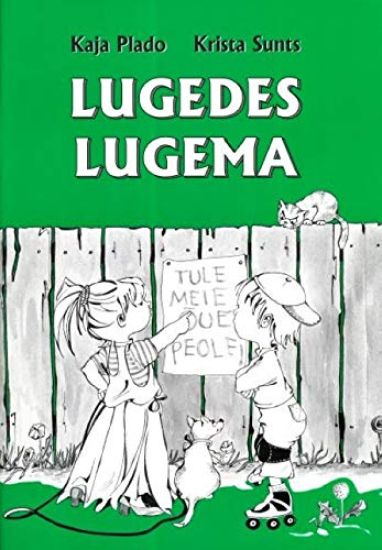
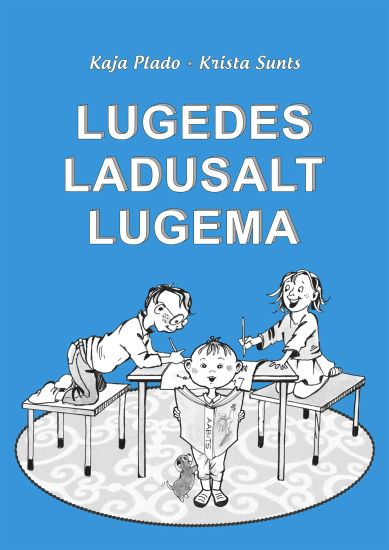
Käesolevas kogumikus olevate sõnamängude ja nuputamisülesannete abil saab arendada laste tähelepanu ning parandada lugemise tehnikat ja funktsionaalse lugemise oskust. Lõbusad ülesanded võimaldavad märgata keelekasutuse eripärasid ja naljakaid seoseid. Kogumik sobib algajale lugejale ning rikastab tema keelelist mõtlemist.Lood on jaotatud viide ossa: pildi ja sõna lood, liidetud ja lahutatud sõnadega lood, tähevahetuslood, peidetud sõnade ning mitme tähendusega sõnade lood.Töövihiku lõpus on peidetud sõnalugude spikker.
See raamat on praktiline ja seni kõige põhjalikum eestikeelne käsitlus floksidest. Tähelepanu keskpunktis on tuntud ja armastatud aedfloks oma rikkaliku sortimendiga - siit leiab infot üle 300 sordi kohta, igaüht ilmestamas kaunis foto. Autorid jagavad oma pikaaegseid kogemusi aedfloksi kasvatamisest, paljundamisest, haigustest ning kasutamisest aiakujunduses ja lõikelillena. Peatükis, mis keskendub flokside kasvatamisele Eestis, on vaatluse all nii botaanikaaedade, aianduskooli kui ka aiapidajate kollektsioonid. Nii mõnestki esmakohtumisest selle kauni lillega on aja jooksul kujunenud mitmesaja sordiga floksiaed. Häid nippe ja uusi teadmisi leiavad sellest rohkete fotodega raamatust nii kogenud aednikud kui algajad aiapidajad. Raamat sobib kõigile, kes soovivad flokse paremini tundma õppida. Krista Kukk ja Heli Russak on 2024. aastal ilmunud raamatu "Astilbed" autorid. Nende järjekordne taimeraamat on hea näide hästi toimivast koostööst.
Across the last fifty years, epidemiology has developed into a vibrant scientific discipline that brings together the social and biological sciences, incorporating everything from statistics to the philosophy of science in its aim to study and track the distribution and determinants of health events. A now-classic text, the third edition of this essential introductory textbook gives an overview of the core concepts that form the underpinnings of epidemiology and epidemiologic research. Rather than focusing on statistics or formulas, Epidemiology presents the underlying epidemiologic principles and concepts in a coherent and straightforward exposition. This core content is supplemented with historical notes, a discussion of scientific inference, details about infectious disease epidemiology, and some advanced topics--including how to deal with missing data, the use of causal diagrams, and quantitative bias analysis techniques--that serve as an on-ramp into further study for those who elect to pursue it. By emphasizing a unifying set of ideas, students will develop a strong foundation for understanding the principles of epidemiologic research.
From the men and women associated with the American Revolution and Civil War to the seminal figures in the struggles for civil and women's rights, Americans have been fascinated with and drawn to icons of great achievement, or at least reputation. But who spins today's narratives about American heroism, and to what ends? In a nation so wracked with division, is there any contemporary consensus about the enduring importance of our heroes or what traits they embody? Can heroes survive in our environment of 24/7 media coverage and cynicism about the motives of those who enter the public domain? In Where Have All the Heroes Gone?, Bruce G. Peabody and Krista Jenkins draw on the concept of the American hero to address these questions and to show an important gap between the views of political and media elites and the attitudes of the mass public. The authors contend that important changes over the past half century, including the increasing scope and power of new media and people's deepening political distrust, have drawn both politicians and producers of media content to the hero meme. However, popular reaction to this turn to heroism has been largely skeptical. As a result, the conversations and judgments of ordinary Americans, government officials, and media elites are often deeply divergent and even directly opposed. Exploring and being able to show these dynamics is important not just for understanding what U.S. heroism means today, but also in helping to wrestle with stubborn and distinctively American problems. Investigating the story of American heroes over the past five decades provides a narrative that can teach us about such issues as political socialization, institutional trust, and political communication.
From the men and women associated with the American Revolution and Civil War to the seminal figures in the struggles for civil and women's rights, Americans have been fascinated with and drawn to icons of great achievement, or at least reputation. But who spins today's narratives about American heroism, and to what ends? In a nation so wracked with division, is there any contemporary consensus about the enduring importance of our heroes or what traits they embody? Can heroes survive in our environment of 24/7 media coverage and cynicism about the motives of those who enter the public domain? In Where Have All the Heroes Gone?, Bruce G. Peabody and Krista Jenkins draw on the concept of the American hero to address these questions and to show an important gap between the views of political and media elites and the attitudes of the mass public. The authors contend that important changes over the past half century, including the increasing scope and power of new media and people's deepening political distrust, have drawn both politicians and producers of media content to the hero meme. However, popular reaction to this turn to heroism has been largely skeptical. As a result, the conversations and judgments of ordinary Americans, government officials, and media elites are often deeply divergent and even directly opposed. Exploring and being able to show these dynamics is important not just for understanding what U.S. heroism means today, but also in helping to wrestle with stubborn and distinctively American problems. Investigating the story of American heroes over the past five decades provides a narrative that can teach us about such issues as political socialization, institutional trust, and political communication.
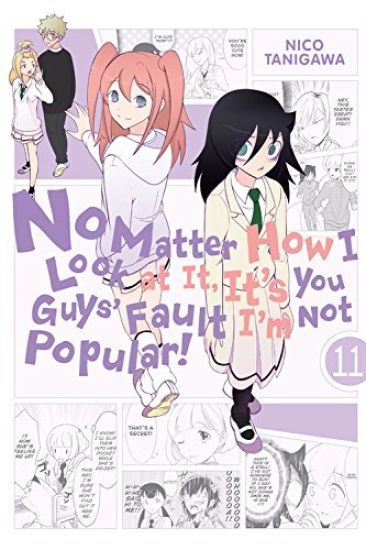
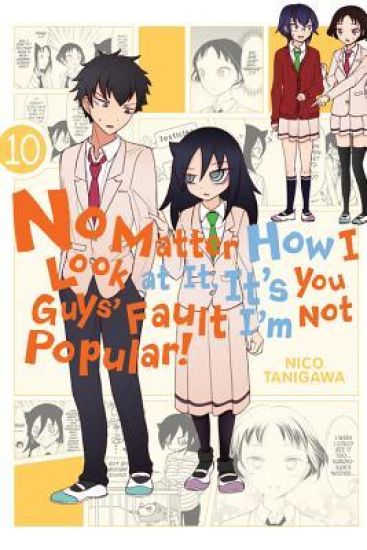
In this surprise, runaway bestseller, a highschool first-year realizes that her dreams of popularity may be out ofreach--and it can't be her own fault, can it?!
Tomoko's caught in a love triangle...and she doesn't even know it yet! First-year Akari is head-over-heels for Tomoko's kid brother, Tomoki. But thanks to Komi's meddling, Akari thinks she and Tomoko are rivals in love! When the three girls finally get together, the confrontation quickly devolves...into a heated debate about d*cks!
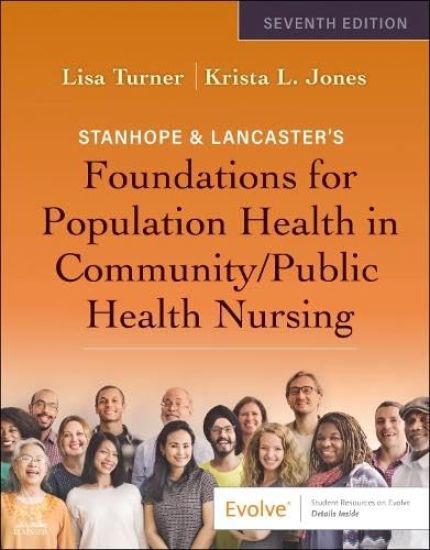
Master the essentials of health promotion in community and public health nursing! Stanhope & Lancaster's Foundations for Population Health in Community/Public Health Nursing, 7th Edition provides clear, concise coverage of the nurse’s role in preventing disease, promoting health, and providing health education in community settings. Case studies and critical thinking activities make it easier to apply concepts to community nursing practice. New to this edition are AACN Essentials, Healthy People 2030 guidelines, and coverage of the latest issues, trends, and practices. Written by nursing educators Lisa Turner and Krista Lynn Jones, this market-leading text shows how to design effective nursing strategies for vulnerable and special populations. Genomics coverage provides a history of genetics and genomics and how they impact public/community health nursing care. Focus on health promotion throughout the text emphasizes initiatives, strategies, and interventions that promote the health of the community. Clinical Application scenarios present practice situations with questions and answers to help you apply chapter concepts to practice in the community. Evidence-Based Practice boxes highlight current research findings, their application to practice, and how community/public health nurses can apply the study results. Levels of Prevention boxes identify specific nursing interventions at the primary, secondary, and tertiary levels, to reinforce the concept of prevention as it pertains to community and public health care. Linking Content to Practice boxes highlight how chapter content is applied in the role of public/community health nursing. Coverage of ongoing health care reform issues includes the impact of legislation on public health nursing. NEW! Updated content and figures reflect the most current data, issues, trends, and practices, including public health nursing and COVID-19. NEW! Reorganized chapters are streamlined to make learning easier. NEW! Healthy People 2030 objectives are highlighted throughout the book, addressing the health priorities and emerging health issues expected in the next decade. NEW! Applying Clinical Judgment in Practice boxes feature scenarios and discussion questions that help you develop clinical judgment skills. NEW! AACN boxes describe the competencies, quality and safety goals, objectives, knowledge, skills, and attitudes needed to become a professional nurse in the community. NEW! Unfolding case studies for the Next Generation NCLEX® (NGN) are provided on the companion Evolve website, offering additional opportunities to build clinical judgment.
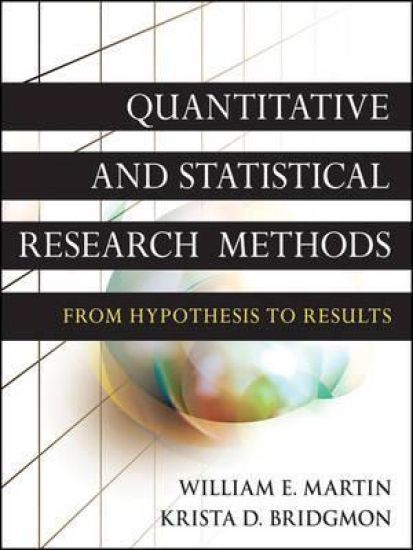
Quantitative and Statistical Research Methods This user-friendly textbook teaches students to understand and apply procedural steps in completing quantitative studies. It explains statistics while progressing through the steps of the hypothesis-testing process from hypothesis to results. The research problems used in the book reflect statistical applications related to interesting and important topics. In addition, the book provides a Research Analysis and Interpretation Guide to help students analyze research articles. Designed as a hands-on resource, each chapter covers a single research problem and offers directions for implementing the research method from start to finish. Readers will learn how to: Pinpoint research questions and hypothesesIdentify, classify, and operationally define the study variablesChoose appropriate research designsConduct power analysisSelect an appropriate statistic for the problemUse a data setConduct data screening and analyses using SPSSInterpret the statisticsWrite the results related to the problem Quantitative and Statistical Research Methods allows students to immediately, independently, and successfully apply quantitative methods to their own research projects.