
Kirjahaku
Etsi kirjoja tekijän nimen, kirjan nimen tai ISBN:n perusteella.
1000 tulosta hakusanalla Robbie F Castleman

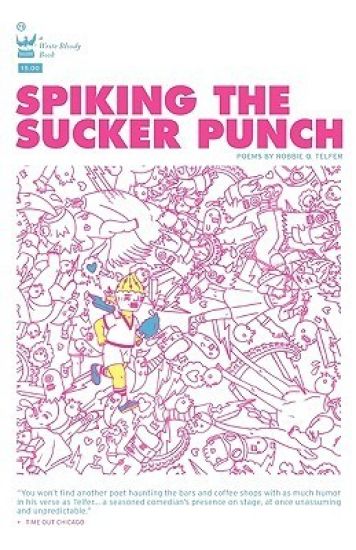
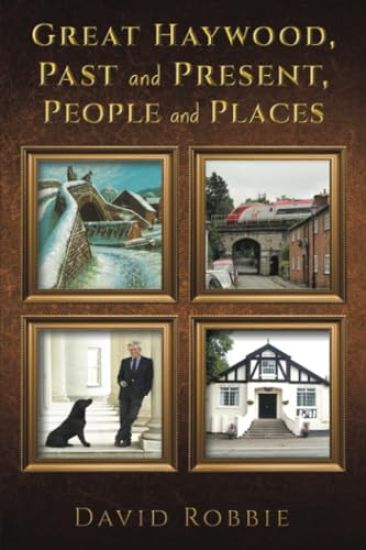
Great Haywood, Past and Present, People and Places
David Robbie
Austin Macauley Publishers
2024
nidottu
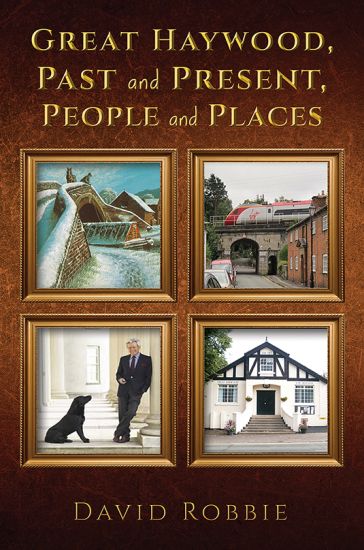
Great Haywood, Past and Present, People and Places
David Robbie
Austin Macauley Publishers
2024
sidottu
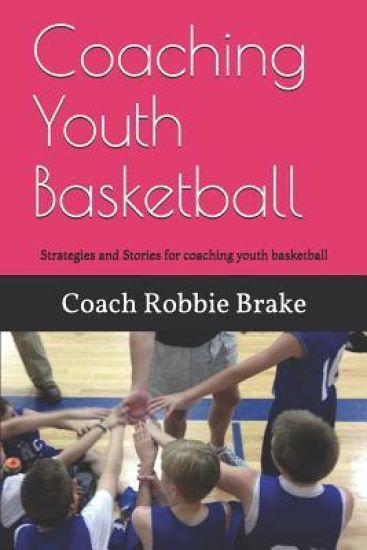
Coaching Youth Basketball: Strategies and Stories for coaching youth basketball
Coach Robbie Brake
Independently Published
2019
nidottu
Strategies and Stories for coaching youth basketball
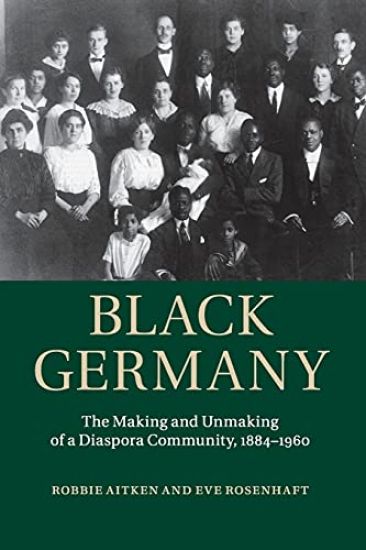
This groundbreaking history traces the development of Germany's black community, from its origins in colonial Africa to its decimation by the Nazis during World War II. Robbie Aitken and Eve Rosenhaft follow the careers of Africans arriving from the colonies, examining why and where they settled, their working lives and their political activities, and giving unprecedented attention to gender, sexuality and the challenges of 'mixed marriage'. Addressing the networks through which individuals constituted community, Aitken and Rosenhaft explore the ways in which these relationships spread beyond ties of kinship and birthplace to constitute communities as 'black'. The study also follows a number of its protagonists to France and back to Africa, providing new insights into the roots of Francophone black consciousness and postcolonial memory. Including an in-depth account of the impact of Nazism and its aftermath, this book offers a fresh critical perspective on narratives of 'race' in German history.



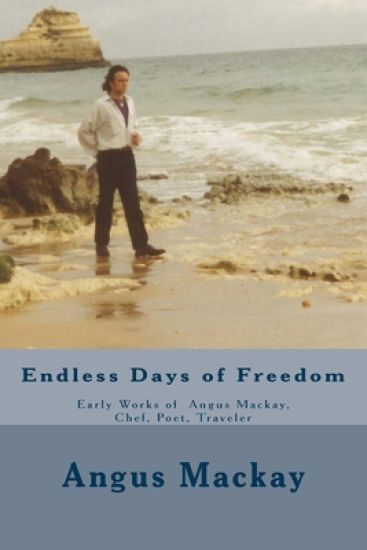
Endless Days of Freedom: Early Works of Angus Mackay, Chef, Poet, Traveler
Angus Robbie MacKay
Createspace Independent Publishing Platform
2015
nidottu
A collection of early poems written in Manchester by Angus Mackay while he was working as a chef in the restaurants and kitchens of that metropolis and attending the Art College. During this time he traveled to Europe and America seeking adventure and new experiences which is reflected in this collection.The illustrations come from photographs, drawings and paintings with family connections chosen by the editor. The first section is inspired by nature: Water, Fire, Summer, Spring, Earth, Air, An Ancient Waterfall, and Winter, a series of astonishing descriptions inquiring minds will devour. "Life" is like a striking thought about an awakening city. The Lion and Elephant was his childhood home in Scotland, a gate lodge at the entrance to Arniston Estate and had a lasting impact on this young man, inspiring some vivid lines: a yearning for home yet drawn to far off places. Cities Across the World will be familiar to those who travel, a feeling of too many borders to comprehend: "Out on the road again, another city, another border line.." And missing someone, maybe home: "I see your face in cities across the world." Skimming Stones Toward the Sun is nostalgic with a hint of the mystical, thought provoking as if there were a hidden message: "the light of a new century's dawn, Reveals our footprints in the sand.." Toy Town is more down to earth and amusing like a childhood song inspired by Robert Louis Stevenson's "A Child's Garden of Verses." A grim tone sets in with, The City Takes Care of its Own", a reminder of life in any major city but with a touch of hope: "It's a perfect night, And one to remember, On these rooftops tonight." The Mall is a mystery of a disappearance, of a life that could have been but never explained: "Whatever it was, great legends thus appeared." The theme of travel is evoked again in Palm Trees at Sunset based on California scenery: "We move ever on." On a visit to the WW1 cemeteries of northern France where his great grandfather is buried Angus was inspired to write Over the Top in which you almost smell the gas, hear the shells, it's so realistic. Another nightmarish theme is found in Mean Streets, which gives the reader a hint of life in San Francisco after the restaurants have closed for the night but offers an optimistic thought: "An angel must be with me on these mean streets tonight.." Distant Fog is a love song to a stranger. I Saw the Devil is illustrated by a collage of natural objects like bleached bones and leaves constructed by his uncle, Alasdair Anderson who lived near Angus' childhood home. The same artist was used for Gates of Dusk, a drawing this time. "Missed", is a poem of lost love, very moving and rather sad: "Now you are gone, leaving behind, So many memories, broken hearts.." Night time scenes are everywhere in this collection as in Ghost Stars. Nostalgia and loss in Rainbow is another recurring theme that is illustrated by an abstract print from his days as an art student in Manchester.Questions abound in The Secret Garden but no answers only a mystical sadness. Finally the lodge house from childhood is the setting for a descriptive piece that is full of joy: Endless Days of Freedom. Nature, memories of a time gone by, and that feeling of peace when finally we return home after a journey is captured perfectly here: "Just as we close the door, We listen and we hear, The sound of the last train.."
To love one's neighbour messy makes.' So writes Amanda Robbie's father in the poem at the start of this book. Messy is OK, even in a world gone mad with perfectionism. The author looks at 'messy' in the context of home, family, children, church, community, meals and celebrations. As someone who has lived in eight homes in four cities and one town, spread across three countries, in the course of her married life, she has had to reassess her priorities regularly and work out what really matters in life. From studying the Scriptures, Amanda has discovered that it's God's grace that matters, not our flawless performance or impressive presentation. In fact - dare we say it? - it's OK to do things imperfectly and even fail. Yes, honestly. This book will lift the burden of guilt from your sagging shoulders. It will free you up to enjoy serving God, imperfectly by this world's standards, but in a way that pleases our heavenly Father.

Follow football mad thirteen-year-old Steven Garrett and his neighbour and outsider Ralf Grimmer as they journey through friendship and football. With their local club in decline after success in Europe, Steven and Ralf must stop themselves from being sucked into the dangerous and violent side of football. Steven observes, dates, and describes the events through his younger but worldlier eyes, but it is Ralf’s voice that guides us through the world of that time. Steven admires and envies Ralf but is often too quick to point out his faults. And despite his detailed memory, can Steven’s recollections be trusted, and can we rely on just his memories? As the story unfolds, beyond the realm of football, courage and its absence take centre stage, revisiting haunting events from the summer before. Join Steven and Ralf in a journey through memory, friendship, and the blurry lines of truth, in a season that will leave an unforgettable mark on their lives.
Globalization necessitates a new reading of the human story, argues historian Robbie Robertson in this thought-provoking study. Its origins, he suggests, lie in the interconnections that slowly enveloped humans since the earliest of times. But things changed dramatically 500 years ago when humanity's interconnections assumed global proportions for the first time and produced what the author sees as three consecutive waves of globalization that have radically transformed human societies and their economic activities. Managing these revolutionary changes has proved difficult. Globalization is destabilizing. The first wave after 1500 destroyed over 90 per cent of North and South America's peoples and contributed to war and revolution in Europe. It also generated an industrial revolution that shaped the second wave in the 19th century. But in the ensuing rush to monopolize the wealth and power globalization promised, classes, nations and empires escalated their rivalries. Consequently the second wave also faltered and collapsed into depression and war. Now the same fate could face us again if we ignore the social and historical lessons globalization presents us with. A globalized humanity, says Robertson, has to develop a new consciousness of itself in order to effect global solutions based on an inclusive rather than exclusive reading of history.