

Kirjahaku
Etsi kirjoja tekijän nimen, kirjan nimen tai ISBN:n perusteella.
1000 tulosta hakusanalla Rocio Ramirez Castillo


"Dear Rocco....Love, Lucy": A Love Story in Twelve Months
Michael J. Howerton
Createspace Independent Publishing Platform
2014
nidottu

Pueblo Recio
Danivera Danivera Danivera Dani
Createspace Independent Publishing Platform
2016
nidottu
Una novela que describe las peque as aventuras de la familia Loson y los Macklain, desde sus inicios primitivos, hasta lograr una vida juntos.
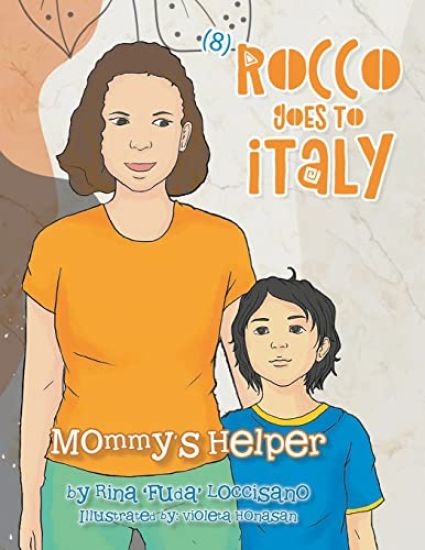
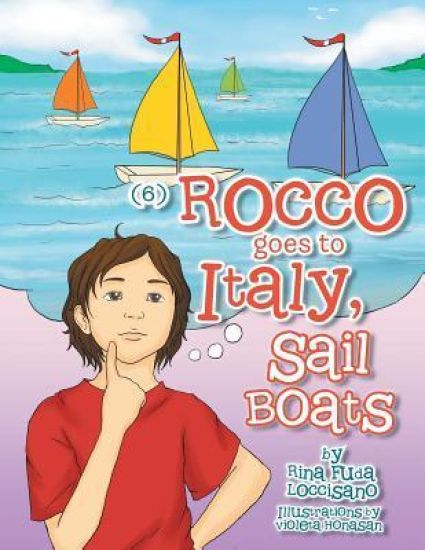
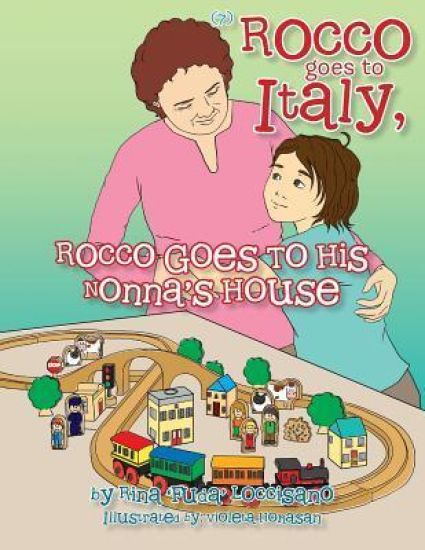
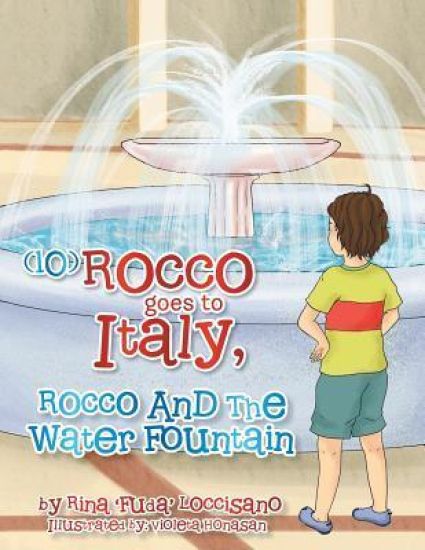
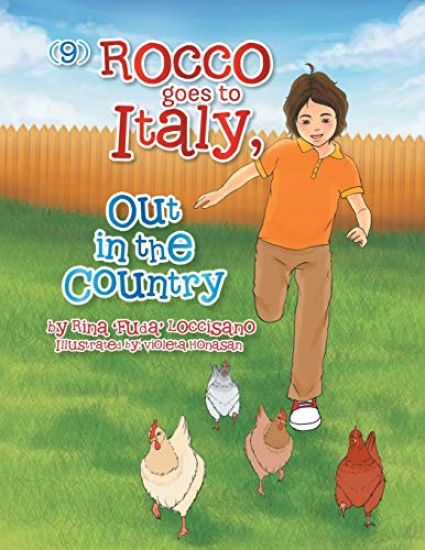
Rocco is a little 5 year old boy with a lot of imagination and wit. I wanted to do a series of children's books on little Rocco and his adventures in Italy. Rocco will be there for two years.Rocco is my grandson, and I talk to him regularly on Skype. When they are in Rome and now that they are back in Canada for a few years, they are living with their Nonna, and it is the best joy imaginable.

Mica needed to get out of the city with her infant son.But her ex's family wanted her baby dead.And she needed to learn to listen to her gut again.She used to be brilliant, until she'd listened to her mother and almost married her baby's father.She barely got out with her life.She's regrouping when a strange man showed up.His muscular, tall, handsome, sweet and kind.Her instincts are to trust him.She discovered he'd escaped from prison, and wanted.She shouldn't stick around, but unlike ex, Rocco felt like a keeper.So she went behind his back to find out what happened to him and fix everything for him.It was probably not smart, but she found herself wanting him to stay, and not just to protect her.Soon the world crashes into her cozy mountain world.Lies were uncovered and their lives are at risk.And she needed to discover if her instincts were right or wrong. And is it possible they fell in love or if that even mattered when bullets fly?One Click to find out now.
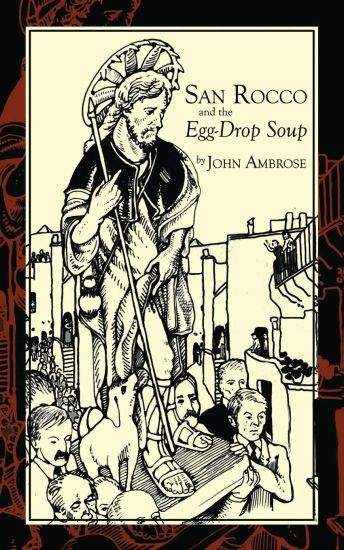
A sophisticated American father on a journey of self-discovery in Italy's traditional South finds both disillusionment and redemption through unforeseeable events.

Gli Scacchi di Leonardo da Vinci: Franco Rocco evidenzia che 49 delle 96 pagine del manoscritto sul gioco degli scacchi del grande matematico Luca Pac
Franco Rocco
Createspace Independent Publishing Platform
2018
nidottu
Vittorio Sgarbi scrive: Anno 2006: a Gorizia, fra i fondi storici della biblioteca del conte Guglielmo Coronini Cronberg, defunto nel 1990, viene ritrovato un manoscritto riconosciuto come preparatorio del De ludo scachorum, un manuale perduto, ma di cui si conosce l'esistenza attraverso la testimonianza del suo autore, il famoso matematico Fr Luca Pacioli. Il manoscritto pacioliano presenta una particolarit che non sfugge a un esperto di storia degli scacchi come Franco Rocco, di professione architetto: le pedine da gioco sono rappresentate in un aspetto inedito, ancora senza riscontro nei documenti dell'epoca. Perch quella forma inconsueta? Franco Rocco risponde precisando che i pezzi per il gioco degli scacchi rappresentati nel manoscritto paciliano non sono semplicemente inconsueti ma che essi non hanno nulla in comune con quelli in uso alla fine del '400 e puntualizzando come ci nonostante, seppure rivoluzionari, essi vadano considerati esemplari del tempo e delle forme classiche antiche ricercate e apprezzate negli anni in cui il manoscritto, fu programmato, definito e disegnato. Pedoni, Torri, Cavalli, Alfieri, Regine e Re, eleganti e aggraziatissimi, sono a tutti gli effetti un'essenziale elevatissima espressione estetica del loro tempo, concepiti in una anticonformistica libert creatrice che riconosciamo solo al genio di Leonardo, per l'invenzione e l'originalit , attestata dai rapporti geometrici utilizzati, riconducibili al suo personalissimo stile nel contesto temporale storicamente accertato. Partendo da questo riconoscimento Franco Rocco analizza sotto tutti i punti di vista e nei minimi dettagli le 96 pagine del manoscritto rivelando che Leonardo ha messo mano personalmente su met pi una di quelle pagine disegnando le figure dei pezzi e le scacchiere a volte anche per presentare nuovi problemi di sua ideazione.
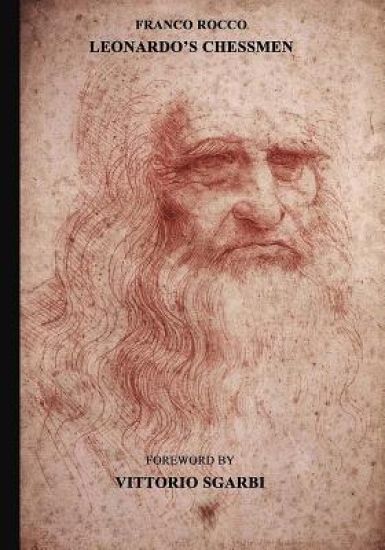
Leonardo's Chessmen: Franco Rocco reveals that 49 of the 96 pages of the manuscript on the game of chess by famed renaissance mathematician
Franco Rocco
Createspace Independent Publishing Platform
2018
nidottu
Italian art critic and art historian Vittorio Sgarbi writes: In 2006 a manuscript was discovered in the historic collection of the library of Count Gugliemo Coronini Cronberg, who died in 1990. It was identified as the preparatory manuscript for De ludo scachorum, a lost manual, whose existence was known through the testimony of its author, the famous mathematician Fr Luca Pacioli The Pacioli manuscript had a striking feature that did not escape the attention of a chess piece historian like Franco Rocco, who is an architect by profession: the chess pieces had an unprecedented appearance, and nothing comparable appeared in the publications of the time. What was the explanation for this singular design? Franco Rocco explains that the chess pieces represented in the Pacioli manuscript were not simply unusual: they were completely different to those used until the end of the 15th century. Furthermore, he points out that while they were revolutionary, they were also exemplary of the classical design elements that were the subject of much research and admiration at the time of the manuscript's planning, writing and illustration. The pawns, rooks, knights, bishops, kings and queens are superbly graceful, in every respect a pure expression of the aesthetic of that period, conceived with the free nonconformist creativity that we recognise as unique to Leonardo's genius; the originality and invention that characterise the pieces and their geometric ratios are other unmistakable aspects of his highly personal style. Franco Rocco analyses the 96 pages of the manuscript from every viewpoint in minute detail, demonstrating that Leonardo personally drew the chess pieces and boards for half of the pages plus one. Moreover, he composed some new problems of particular interest.
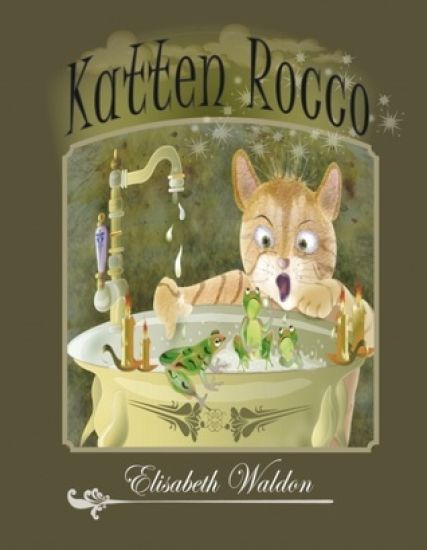
En dag drog katten på jakt efter spöken till ett gammalt och avlägset hus. Men vilka udda överraskningar som väntade katten där, ingen kunde gissa. Och inte ens kissemissen anade något. En väl illustrerad barnsaga för de minsta.
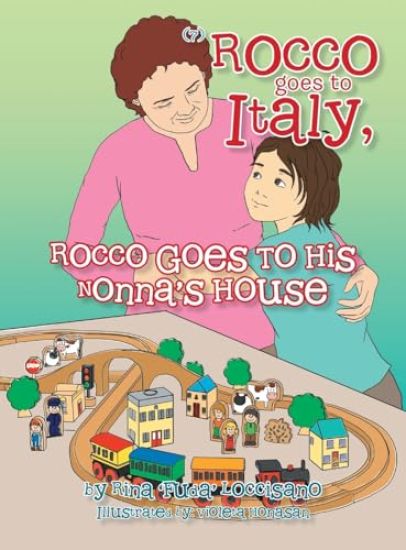
(7) Rocco Goes to Italy, Rocco Goes to His Nonna's House
Rina 'Fuda' Loccisano
XLIBRIS CORPORATION
2013
sidottu
Frate Rocco ovvero Piccoli frammenti morali scritti in beneficio degli asili infantili da Antonio Ranieri
Antonio Ranieri
Antigonos Verlag
2025
pokkari
Frate Rocco ovvero Piccoli frammenti morali scritti in beneficio degli asili infantili da Antonio Ranieri
Antonio Ranieri
Antigonos Verlag
2025
sidottu