Kirjahaku
Etsi kirjoja tekijän nimen, kirjan nimen tai ISBN:n perusteella.
1000 tulosta hakusanalla Rudolf

Deutsche Geschichte von Rudolf von Habsburg bis auf die neueste Zeit
Karl Hagen
Anatiposi Verlag
2023
pokkari
Unver nderter Nachdruck der Originalausgabe von 1855. Der Verlag Anatiposi gibt historische B cher als Nachdruck heraus. Aufgrund ihres Alters k nnen diese B cher fehlende Seiten oder mindere Qualit t aufweisen. Unser Ziel ist es, diese B cher zu erhalten und der ffentlichkeit zug nglich zu machen, damit sie nicht verloren gehen.

Deutsche Geschichte von Rudolf von Habsburg bis auf die neueste Zeit
Karl Hagen
Anatiposi Verlag
2023
sidottu
Unver nderter Nachdruck der Originalausgabe von 1855. Der Verlag Anatiposi gibt historische B cher als Nachdruck heraus. Aufgrund ihres Alters k nnen diese B cher fehlende Seiten oder mindere Qualit t aufweisen. Unser Ziel ist es, diese B cher zu erhalten und der ffentlichkeit zug nglich zu machen, damit sie nicht verloren gehen.

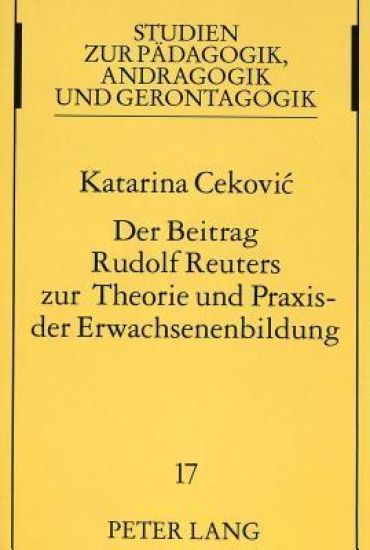
Der Beitrag Rudolf Reuters Zur Theorie Und Praxis Der Erwachsenenbildung
Katarina Popovic
Peter Lang AG
1994
nidottu
Die vorliegende Studie beschaftigt sich mit dem Leben und Werk Rudolf Reuters, der zur Zeit der Weimarer Republik zu den fuhrenden Personlichkeiten der Volksbildungsbewegung gehorte. Erstmalig wird sein Leben monographisch dargestellt mit besonderer Berucksichtigung der Archivmaterialien. Im Kontext der Auffassungen anderer Autoren werden die Ideen Rudolf Reuters in verschiedenen Bereichen der Erwachsenenbildung analysiert. Zur Zeit der Weimarer Republik hatte Reuter starken Einfluss auf die Erneuerung sowohl der Volksbuchereien als auch der katholischen Erwachsenenbildung. Nach 1945 war er in Westdeutschland massgeblich am Aufbau einer neuen, demokratischen Erwachsenenbildung beteiligt und bemuhte sich um deren Etablierung als Lehr- und Forschungsgebiet an den Universitaten."

Die Bildungsphilosophie Rudolf Steiners Und Ihre Realisierung an Der Waldorfschule
Xenia Kucirek
Peter Lang AG
1994
nidottu
Der Anthroposoph Rudolf Steiner (1861-1925) begrundet mit der Waldorfschule eine von Staat und Wirtschaft unabhangige -Freie Schule-, die Lehrer und Eltern partnerschaftlich verantworten. Erziehungsziel ist der freie, verantwortungsbewusste Mensch. Auf der Basis der Anthroposophischen Menschenkunde soll der ganze Mensch erzogen werden. Willens- und Gefuhlserziehung stehen im Vordergrund, da sie Voraussetzung fur gesundes Denken sind. Waldorfpadagogik folgt der Entwicklung des Menschen durch die drei Jahrsiebente von der Geburt bis zum Erwachsensein und spricht dem Alter entsprechend Wollen, Fuhlen und Denken an. Denn was gelehrt werden soll, sagt uns das Kind, meint Steiner."

Der Band rekonstruiert den Lebenslauf des aus der Berliner j dischen Gesellschaft stammenden und 1933 nach Paris und in die USA emigrierten Rudolf Bodl nder (1903-1988). Angelpunkte sind bisher z.T. erstmals publizierte Briefe aus der Korrespondenz mit Rainer Maria Rilke, Anton Kippenberg und C.G. Jung. Im M rz 1922 erhielt der Dichter Rainer Maria Rilke ein erstes Schreiben des ihm v llig unbekannten jungen Manns. Rudolf Bodl nder war ein begeisterter Rilke-Leser und stand vor einer schwierigen Berufswahl: Er sollte nach dem Willen der Eltern Jura studieren, hatte jedoch eine Neigung zu Geisteswissenschaften. Ohne den Briefschreiber je getroffen zu haben, gab Rilke eine hilfreiche Wegweisung. Sie begleitete den jungen Mann ins Berufsleben, in die Emigration nach Frankreich und 1941 mit den Briefen des Dichters im Gep ck in die USA. Aus dem Internierungslager heraus wurde der B cherliebhaber zum Korrespondenzpartner des Z rcher Psychologen C.G.Jung und in der Neuen Welt als Rudolf C. Bodlander zu einem Vertreter der Analytischen Psychologie mit Studien zu Heraklit und Franz Kafka.

Das anthroposophische Menschenbild Rudolf Steiners als Grundlage der Waldorfpädagogik
Daniela Hammerschmidt
Grin Verlag
2007
pokkari
Hausarbeit aus dem Jahr 2006 im Fachbereich Pädagogik - Reformpädagogik, einseitig bedruckt, Note: 1,3, Johannes Gutenberg-Universität Mainz, Veranstaltung: MS Anthropologie II, 11 Eintragungen im Literaturverzeichnis, Sprache: Deutsch, Abstract: In den letzten Jahren ist gerade das deutsche Schulsystem vor allem durch die Ergebnisse der Pisa- Studien zunehmend in Kritik geraten. Um ihren Kindern einen besseren Bildungsweg zu ermöglichen und ihnen somit auch höhere Chancen für das spätere Berufsleben zu eröffnen, suchen immer mehr Eltern nach einer Alternative zu den staatlichen Gymnasien, Haupt- und Realschulen. Eine Alternative bieten die Waldorfschulen, die in der Öffentlichkeit häufig polarisieren. Sie werden von ihren Befürwortern in den höchsten Tönen gelobt, als das einzig "wahre" Schulkonzept propagiert und gleichzeitig von einem großen Teil der Bevölkerung mit Vorurteilen konfrontiert und kategorisch abgelehnt. Eine Schule ohne Zensuren und ohne Sitzenbleiben wird in einer Gesellschaft wie der unsrigen, in welcher das gesellschaftliche Handeln durch universalistische Wertorientierungen sowie durch das Leistungsprinzip gekennzeichnet ist, nur schwer ernst genommen. Die meisten Vorurteile bestätigen sich allerdings bei einer Auseinandersetzung mit dem Konzept der Waldorfschulen nicht. Somit stellt sich die Frage, inwiefern sich das Konzept der Waldorfpädagogik von dem anderer Schulen unterscheidet und welches Menschenbild diesem Konzept zugrunde liegt. Die Anthroposophie Rudolf Steiners bildet die Grundlage der Waldorfpädagogik. Aus ihr leiten sich sowohl der Lehrplan als auch die verwendeten Methoden ab. Zunächst widme ich mich den Fragen, was genau unter Anthroposophie verstanden wird und wo die Ursprünge dieses Begriffes zu suchen sind. araufhin soll das anthroposophische Menschenbild in Bezug auf die Entwicklung und die vier Wesensglieder des Menschen sowie auf die Temperamentenlehre nach Steiner und die zentrale Vorstellung von Reinkarnation und Karma dargestellt werden. Darauf Bezug nehmend werden die Besonderheiten der Waldorfschulen vor allem in den Bereichen des künstlerischen, religiösen und fremdsprachlichen Unterrichts aufgezeigt und erklärt. Neben den Besonderheiten im Lehrplan, sollen auch die Rolle des Lehrers und die Versetzungs- und Bewertungsregeln in Waldorfschulen erläutert werden. Abschließend geht es um eine kurze kritische Auseinandersetzung mit dem Konzept der Waldorfpädagogik und ihrer anthroposophischen Grundlagen sowie um eine persönliche Einschätzung der Thematik.

Waldorfschule - Die Reformpädagogik von Rudolf Steiner
Jasmine Immerheiser
Grin Publishing
2007
pokkari

Die Politik des Königs Rudolf von Habsburg in Thüringen, der Markgrafschaft Meißen und dem Pleißenland zwischen 1277 und 1290
Daniel Böhme
Grin Publishing
2007
pokkari
Studienarbeit aus dem Jahr 2003 im Fachbereich Geschichte Europa - and. L nder - Mittelalter, Fr he Neuzeit, Note: 2,0, Technische Universit t Dresden, 11 Quellen im Literaturverzeichnis, Sprache: Deutsch, Abstract: Diese Arbeit besch ftigt sich mit der Politik des K nigs Rudolf von Habsburg in Th ringen, der Markgrafschaft Mei en und dem Plei enland zwischen 1277 und 1290. Begonnen werden soll mit dem Streit zwischen den Wettinern nach 1265 und den Bem hungen Rudolfs von Habsburg um hier einen erneuten Landfrieden in Th ringen durchzusetzen, dem sich die Darstellung der erneuten Unruhen nach dem Tod Heinrichs des Erlauchten 1288 anschlie en. Im Weiteren wird die "Befriedungspolitik" des K nigs bis in das Jahr 1290 nachgezeichnet und schlie lich auf die erflogreiche Durchsetzung des Landfriedens eingegangen.

Studienarbeit aus dem Jahr 2006 im Fachbereich Theologie - Systematische Theologie, einseitig bedruckt, Note: 1,5, Ruhr-Universität Bochum (Fakultät für Religionswissenschaft), Veranstaltung: Texte zu Grundbegriffen der Religionswissenschaft, 4 Quellen im Literaturverzeichnis, Sprache: Deutsch, Abstract: I. Einleitung Das Heilige, seit jeher, gerade im Deutschen, ein schwer zu fassender Begriff, ist Gegenstand des gleichnamigen Buches aus dem Jahre 1917 von Rudolf Otto. Der bekannte Theologe Otto versucht in seinem viel rezipierten Buch seinen Lesern und zugleich der religionswissenschaftlichen und theologischen Welt, die Entstehung und Bedeutung des Heiligen oder des Numinosen (eine Wortschöpfung, die von Otto selbst stammt) zu erklären und damit die wahrscheinlich ewig währende Definitionsfrage des Heiligen einen entscheidenden Schritt nach vorne zu bringen. Otto bestimmte das Heilige als ein Apriori, das aller religiösen Erfahrung zugrunde liegt. Er umschrieb es mit mystisch und fasste seine wichtigsten irrationalen Momente wie das fascinans und das tremendum zum Numinosen zusammen. Über diese Kategorie des Numinosen versuchte Otto das allem Natürlichen gegenüberstehende "Ganz Andere", also das Objekt der Religion zu erreichen. Gleichzeitig glaubte Otto erkannt zu haben, dass das Heilige eine zusammengesetzte Kategorie sowohl aus irrationalen als auch aus rationalen Momenten sei. Mit dieser Arbeit soll nun der Versuch unternommen werden, den Begriff des Heiligen bei Rudolf Otto in dessen gleichnamigen Werk näher zu beleuchten. Besonderes Augenmerk liegt hierbei auf der apriorischen Kategorie, die Otto zu beweisen versucht. Die interessante historische Entwicklung des Begriffes des Heiligen in der Sprache muss hierbei allerdings ausgelassen werden, da diese den Rahmen dieser Arbeit unheilsam sprengen würde. Wie bereits angedeutet hat Ottos Werk nicht nur in der wissenschaftlichen Welt große Bedeutung gewonnen und analog dazu einige Kritiker auf den Plan gerufen. Ihre Anmerkungen zu Ottos Religionsbegriff sollen ebenso wie Otto selbst ihren Platz in dieser Arbeit finden. In dem ersten Teil dieser Arbeit soll nun neben Ottos Wirken seine Kategorie des Heiligen vorgestellt werden. Im zweiten Teil dieser Arbeit sollen exemplarisch einige Gegenpositionen zu Ottos Werk beleuchtet werden. In Anbetracht des Erscheinungsdatums des Werkes von Otto bewegt sich auch die verwendete Literatur zum großen Teil in der ersten Hälfte des 20. Jahrhunderts, namentlich Schriften von Joseph Geyser, Walter Baetke und Friedrich Karl Feigel. Aber auch Literatur neueren Datums soll hier ihre Verwendung finden, so zum Beispiel "Philosophie und Theologie bei Rudolf Otto" von Tomislav Tribuljak.


Studienarbeit aus dem Jahr 2006 im Fachbereich P dagogik - Reformp dagogik, Note: 1,0, Rheinisch-Westf lische Technische Hochschule Aachen, Sprache: Deutsch, Abstract: 'Okkultismus', 'Rassismus', 'Dogmatismus': das sind nur einige der Vorurteile, mit denen die Waldorfschule konfrontiert wird. Dennoch steigt die Zahl der Waldorfschulen in Deutschland und auch weltweit an. So sind es im Jahre 2006 allein 197 in Deutschland und 923 insgesamt auf der Welt. Dabei reicht das Spektrum der L nder von Ungarn ber gypten, bis nach Neuseeland und Thailand. Und das obwohl die Waldorfschule als Privatschule auch einen nicht unerheblichen finanziellen Aufwand bedeutet. Grund genug beziehungsweise geradezu 'Notwendigkeit' genug sich n her mit der dahinter stehenden Theorie und der praktischen Umsetzung der Waldorfschule zu befassen. Ich werde also in der vorliegenden Arbeit zun chst auf den Mann eingehen, der die p dagogische Lehre der Waldorfschule begr ndet hat, Rudolf Steiner und die Umst nde der ersten Schulgr ndung erl utern. Darauf folgend soll es um die zahlreichen Merkmale gehen, die die Schule pr gen und sie auch von staatlichen Schulen unterscheidet. Im Anschluss wende ich mich der Theorie der Waldorfp dagogik zu, um dann die Vor- und Nachteile dieses Schulsystems aufzuzeigen. Grunds tzliches Ziel meiner Arbeit ist ferner, die vorangestellten Vorurteile zu relativieren und auch einsichtig zu machen, wie eine so starke Polarisierung, die dann negativ auch zu diesen Vorw rfen f hrt, zu Stande kommen kann.

Festgabe für Rudolf von Gneist zum Doktorjubiläum am XX. November MDCCCLXXXVIII
Heinrich Brunner; Ernst Eck; Levin Goldschmidt; Otto Gradenwitz; Berhard Hübler; Leonard Jacobi; Josef Kohler; Alfred Pernice; Karl Zeumer
Springer-Verlag Berlin and Heidelberg GmbH Co. K
1888
nidottu

Die Friedenspolitik König Rudolf I. und seine Auseinandersetzung mit Ottokar II. von Böhmen
Fabian Prilasnig
Grin Publishing
2013
pokkari

Die Selbstbildgestaltung von Rudolf Höß in "Kommandant in Auschwitz"
Genevieve Mulack
Grin Publishing
2013
pokkari

Dieser Buchtitel ist Teil des Digitalisierungsprojekts Springer Book Archives mit Publikationen, die seit den Anfängen des Verlags von 1842 erschienen sind. Der Verlag stellt mit diesem Archiv Quellen für die historische wie auch die disziplingeschichtliche Forschung zur Verfügung, die jeweils im historischen Kontext betrachtet werden müssen. Dieser Titel erschien in der Zeit vor 1945 und wird daher in seiner zeittypischen politisch-ideologischen Ausrichtung vom Verlag nicht beworben.

Jean-Jaques Rousseau und Rudolf Steiner. Zwei Wegbereiter des Umdenkens in der Erziehung im Vergleich
Alexandra Schmidt
Grin Publishing
2016
pokkari