
Kirjahaku
Etsi kirjoja tekijän nimen, kirjan nimen tai ISBN:n perusteella.
1000 tulosta hakusanalla Virginia Woolf




Como otras obras de la autora, "Al faro" es tambi n una de las obras m s valoradas de la literatura del siglo XX. Basada en la propia infancia de la autora, narra la historia de la familia Ramsey en la isla escocesa de Skye, en el periodo de entreguerras. El rumor del mar, la presencia insomne del faro, la guerra, la muerte, el erotismo o el paso del tiempo se mezclan formando un oleaje de s mbolos, palabras e im genes.

Como otras obras de la autora, "Al faro" es tambi n una de las obras m s valoradas de la literatura del siglo XX. Basada en la propia infancia de la autora, narra la historia de la familia Ramsey en la isla escocesa de Skye, en el periodo de entreguerras. El rumor del mar, la presencia insomne del faro, la guerra, la muerte, el erotismo o el paso del tiempo se mezclan formando un oleaje de s mbolos, palabras e im genes.


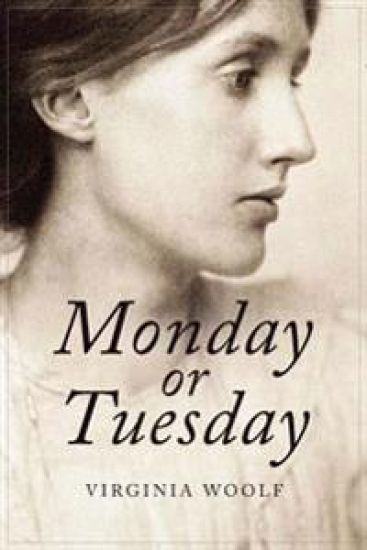
Monday or Tuesday was written in October 1920 and first appeared in Monday or Tuesday (1921) - a collection of experimental short prose pieces Virginia Woolf had written between 1917 and 1921. It was published by the Hogarth Press and also included A Society, A Haunted House, An Unwritten Novel, The String Quartet, Blue and Green, and Solid Objects.

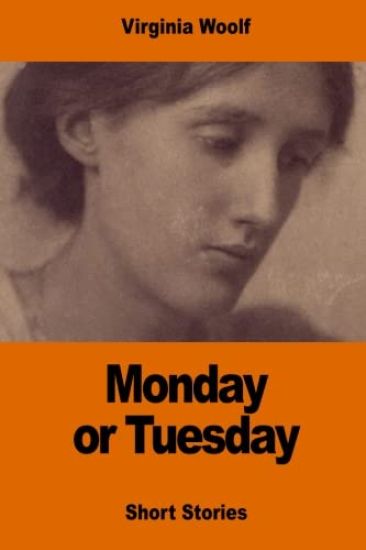
In her 1919 work "Modern Fiction", Virginia Woolf explains her new approach to writing: " Examine for a moment an ordinary mind on an ordinary day. The mind receives a myriad impressions-trivial, fantastic, evanescent, or engraved with the sharpness of steel. From all sides they come, an incessant shower of innumerable atoms; and as they fall, as they shape themselves into the life of Monday or Tuesday." This last phrase "the life of Monday or Tuesday" is what Woolf believed to be at the core of fiction; and from it came the title of this, her first short story collection, and the only selection she published herself.


"So of course," wrote Betty Flanders, pressing her heels rather deeper in the sand, "there was nothing for it but to leave." Slowly welling from the point of her gold nib, pale blue ink dissolved the full stop; for there her pen stuck; her eyes fixed, and tears slowly filled them. The entire bay quivered; the lighthouse wobbled; and she had the illusion that the mast of Mr. Connor's little yacht was bending like a wax candle in the sun. She winked quickly. Accidents were awful things. She winked again. The mast was straight; the waves were regular; the lighthouse was upright; but the blot had spread. "... nothing for it but to leave," she read.
