This work has been selected by scholars as being culturally important and is part of the knowledge base of civilization as we know it.This work is in the public domain in the United States of America, and possibly other nations. Within the United States, you may freely copy and distribute this work, as no entity (individual or corporate) has a copyright on the body of the work.Scholars believe, and we concur, that this work is important enough to be preserved, reproduced, and made generally available to the public. To ensure a quality reading experience, this work has been proofread and republished using a format that seamlessly blends the original graphical elements with text in an easy-to-read typeface.We appreciate your support of the preservation process, and thank you for being an important part of keeping this knowledge alive and relevant.
Always wanted to go see Alaska, the 49th state, but never could work it out? Well, never fear, because after reading these stories, you'll probably change your mind and decide to instead visit someplace safe and predictable.In this baker's dozen of all new and original stories from Rusty Wilson, the World's Greatest Bigfoot Storyteller, you'll see an Alaska that few see, an Alaska that maybe even fewer want to see, and an Alaska that puts all the other states to shame for mysterious places and happenings, as well as having the highest number per capita of people who go missing without a trace.Come read about a photographer who finally gets his wish to see the Northern Lights, only to find there are other things that glow in the Arctic wilds-then read about the Kodiak bear guide who finds much more than he was hunting for-and there's the soldier who ends up finding something just a little unusual while out surveying the Alcan Highway-then read about the native Alaskan who's haunted by a dream of epic proportions-and, if you dare, ride along with a young native girl on a snowmachine as her attempt to save her mother's life looks like it may end in sinister disaster-and there's the strange sight seen by two roustabouts out checking an oil pipeline-and the bush pilot who sees a chilling sight on one of Alaska's largest glaciers-and the story of almost catching something besides salmon in fish camp-then read about the elusive and very destructive Copper People-two guys who go hunting with a drone and find exactly what they were looking for after they've changed their minds-and a woman who finds there's much more to the deep wilderness than what can be seen-then read about unexpected trouble in Alaska's version of the Bermuda Triangle-and finally, explore the deep rainforest of strange and mysterious Yakobi Island, hoping you live to tell about it.All these and more great campfire tales are guaranteed to make you happy you're safe and sound in your house instead of listening to a strange howling in the darkness from inside your thin nylon tent, deep in the Alaskan wilds. Or, if you're truly the adventurous type, maybe you'll want to buy a thin nylon tent and head to Alaska, but good luck if you do Fly-fishing guide Rusty Wilson spent years collecting these stories from his clients around the campfire, stories guaranteed to scare the pants off you-or make you want to meet the Big Guy "I don't typically get a lot of clients from Alaska, as they have their own great fishing holes up there, but I do have many who were originally from Alaska and have moved Outside (what the Alaskans call the rest of the world). Some of the absolute best stories I've ever heard came from these intrepid souls, many who are far braver than I think I could ever be, given the often hairy circumstances they experienced." -Rusty Wilson
La historia comienza con el narrador que se hace llamar William Wilson, denunciando su pasado derrochador, aunque ste no se siente culpable, pues entiende que ning n otro hombre ha sido tentado de igual manera antes. Narra la infancia y juventud de William en un colegio isabelino. Relata que all conoci a otro chico con su mismo nombre, parecido a l y nacido el mismo d a, el 19 de enero, fecha de cumplea os del mismo autor. Compite con este muchacho, pero l le supera f cilmente, de manera que lo considera prueba de su aut ntica superioridad. Este chico comienza a imitar la forma de vestir, la manera de andar e incluso la forma de hablar del protagonista (aunque tiene un defecto en el habla que solo le permite hablar susurrando), y llega un momento en que William descubre que ste tiene exactamente su misma cara. Al ver esto, William abandona inmediatamente la academia, s lo para descubrir que su doble se ha marchado el mismo d a. William con el tiempo estudia en Eton y Oxford, haci ndose cada vez m s depravado y ganando enormes cantidades de dinero mediante enga os al jugar a las cartas con un pobre noble y la seducci n de una mujer casada. En esta etapa aparece su doble de nuevo, con la cara siempre cubierta, susurrando unas pocas palabras que alertan a otros sobre el comportamiento de William. En el ltimo de estos incidentes, en un baile en Roma, William arrastra a su doble a una antec mara y lo apu ala. Tras la acci n de William, aparece un enorme espejo en el que ste ve el rostro del fallecido, momento en el que el narrador siente que est pronunciando las palabras: en m exist as, y en mi muerte, ve cu n profundamente te has asesinado a ti mismo.
La historia comienza con el narrador que se hace llamar William Wilson, denunciando su pasado derrochador, aunque ste no se siente culpable, pues entiende que ning n otro hombre ha sido tentado de igual manera antes. Narra la infancia y juventud de William en un colegio isabelino. Relata que all conoci a otro chico con su mismo nombre, parecido a l y nacido el mismo d a, el 19 de enero, fecha de cumplea os del mismo autor. Compite con este muchacho, pero l le supera f cilmente, de manera que lo considera prueba de su aut ntica superioridad. Este chico comienza a imitar la forma de vestir, la manera de andar e incluso la forma de hablar del protagonista (aunque tiene un defecto en el habla que solo le permite hablar susurrando), y llega un momento en que William descubre que ste tiene exactamente su misma cara. Al ver esto, William abandona inmediatamente la academia, s lo para descubrir que su doble se ha marchado el mismo d a. William con el tiempo estudia en Eton y Oxford, haci ndose cada vez m s depravado y ganando enormes cantidades de dinero mediante enga os al jugar a las cartas con un pobre noble y la seducci n de una mujer casada. En esta etapa aparece su doble de nuevo, con la cara siempre cubierta, susurrando unas pocas palabras que alertan a otros sobre el comportamiento de William. En el ltimo de estos incidentes, en un baile en Roma, William arrastra a su doble a una antec mara y lo apu ala. Tras la acci n de William, aparece un enorme espejo en el que ste ve el rostro del fallecido, momento en el que el narrador siente que est pronunciando las palabras: en m exist as, y en mi muerte, ve cu n profundamente te has asesinado a ti mismo. The story follows a man of "a noble descent" who calls himself William Wilson because, although denouncing his profligate past, he does not accept blame dubious - discuss]for his actions, saying that "man was never thus ...] tempted before". After several paragraphs, the narration then segues into a description of Wilson's boyhood, which was spent in a school "in a misty-looking village of England". William meets another boy in his school who shared the same name, who had roughly the same appearance, and who was even born on exactly the same date (January 19, Poe's own birthday). William's name (he asserts that his actual name is only similar to "William Wilson") embarrasses him because it sounds "plebeian" or common, and he is irked that he must hear the name twice as much on account of the other William. The boy also dresses like William, walks like him, and even looks like him, but he could only speak in a whisper, he imitates that whisper exactly. He begins to give orders to William of an unspecified nature, which he refuses to obey, resenting the boy's "arrogance". One night he stole into the other William's bedroom and saw that the boy's face had suddenly become different. Upon seeing this, William left the academy immediately in horror, and in the same week, the other boy followed him. William eventually attends Eton and Oxford, gradually becoming more debauched and performing what he terms "mischief". For example, he stole from a man by cheating at cards. The other William appeared, his face covered, whispered a few words sufficient to alert others to William's behavior, and leaves with no others seeing his face. In his latest caper, he tries to seduce a married woman but the other William stops him at a ball in Rome; the enraged William drags his "unresisting" double-who was wearing identical clothes-into an antechamber, and stabs him fatally. After William does this, a large mirror suddenly seems to appear. Reflected at him, he sees "mine own image, but with features all pale and dabbled in blood": apparently the dead double, "but he spoke no longer in a whisper". The narrator feels as if he is pronouncing the words: "In me didst thou exist-and in my death, see ...] how utterly thou hast murdered thyself."
The story follows a man of "a noble descent" who calls himself William Wilson because, although denouncing his profligate past, he does not accept blame dubious - discuss]for his actions, saying that "man was never thus ...] tempted before". After several paragraphs, the narration then segues into a description of Wilson's boyhood, which was spent in a school "in a misty-looking village of England". William meets another boy in his school who shared the same name, who had roughly the same appearance, and who was even born on exactly the same date (January 19, Poe's own birthday). William's name (he asserts that his actual name is only similar to "William Wilson") embarrasses him because it sounds "plebeian" or common, and he is irked that he must hear the name twice as much on account of the other William. The boy also dresses like William, walks like him, and even looks like him, but he could only speak in a whisper, he imitates that whisper exactly. He begins to give orders to William of an unspecified nature, which he refuses to obey, resenting the boy's "arrogance". One night he stole into the other William's bedroom and saw that the boy's face had suddenly become different. Upon seeing this, William left the academy immediately in horror, and in the same week, the other boy followed him. William eventually attends Eton and Oxford, gradually becoming more debauched and performing what he terms "mischief". For example, he stole from a man by cheating at cards. The other William appeared, his face covered, whispered a few words sufficient to alert others to William's behavior, and leaves with no others seeing his face. In his latest caper, he tries to seduce a married woman but the other William stops him at a ball in Rome; the enraged William drags his "unresisting" double-who was wearing identical clothes-into an antechamber, and stabs him fatally. After William does this, a large mirror suddenly seems to appear. Reflected at him, he sees "mine own image, but with features all pale and dabbled in blood" apparently the dead double, "but he spoke no longer in a whisper". The narrator feels as if he is pronouncing the words: "In me didst thou exist-and in my death, see ...] how utterly thou hast murdered thyself."
La historia comienza con el narrador que se hace llamar William Wilson, denunciando su pasado derrochador, aunque ste no se siente culpable, pues entiende que ning n otro hombre ha sido tentado de igual manera antes. Narra la infancia y juventud de William en un colegio isabelino. Relata que all conoci a otro chico con su mismo nombre, parecido a l y nacido el mismo d a, el 19 de enero, fecha de cumplea os del mismo autor. Compite con este muchacho, pero l le supera f cilmente, de manera que lo considera prueba de su aut ntica superioridad. Este chico comienza a imitar la forma de vestir, la manera de andar e incluso la forma de hablar del protagonista (aunque tiene un defecto en el habla que solo le permite hablar susurrando), y llega un momento en que William descubre que ste tiene exactamente su misma cara. Al ver esto, William abandona inmediatamente la academia, s lo para descubrir que su doble se ha marchado el mismo d a. William con el tiempo estudia en Eton y Oxford, haci ndose cada vez m s depravado y ganando enormes cantidades de dinero mediante enga os al jugar a las cartas con un pobre noble y la seducci n de una mujer casada. En esta etapa aparece su doble de nuevo, con la cara siempre cubierta, susurrando unas pocas palabras que alertan a otros sobre el comportamiento de William. En el ltimo de estos incidentes, en un baile en Roma, William arrastra a su doble a una antec mara y lo apu ala. Tras la acci n de William, aparece un enorme espejo en el que ste ve el rostro del fallecido, momento en el que el narrador siente que est pronunciando las palabras: en m exist as, y en mi muerte, ve cu n profundamente te has asesinado a ti mismo.
The story follows a man of "a noble descent" who calls himself William Wilson because, although denouncing his profligate past, he does not accept blame dubious - discuss]for his actions, saying that "man was never thus ...] tempted before". After several paragraphs, the narration then segues into a description of Wilson's boyhood, which was spent in a school "in a misty-looking village of England". William meets another boy in his school who shared the same name, who had roughly the same appearance, and who was even born on exactly the same date (January 19, Poe's own birthday). William's name (he asserts that his actual name is only similar to "William Wilson") embarrasses him because it sounds "plebeian" or common, and he is irked that he must hear the name twice as much on account of the other William. The boy also dresses like William, walks like him, and even looks like him, but he could only speak in a whisper, he imitates that whisper exactly. He begins to give orders to William of an unspecified nature, which he refuses to obey, resenting the boy's "arrogance". One night he stole into the other William's bedroom and saw that the boy's face had suddenly become different. Upon seeing this, William left the academy immediately in horror, and in the same week, the other boy followed him. William eventually attends Eton and Oxford, gradually becoming more debauched and performing what he terms "mischief". For example, he stole from a man by cheating at cards. The other William appeared, his face covered, whispered a few words sufficient to alert others to William's behavior, and leaves with no others seeing his face. In his latest caper, he tries to seduce a married woman but the other William stops him at a ball in Rome; the enraged William drags his "unresisting" double-who was wearing identical clothes-into an antechamber, and stabs him fatally. After William does this, a large mirror suddenly seems to appear. Reflected at him, he sees "mine own image, but with features all pale and dabbled in blood": apparently the dead double, "but he spoke no longer in a whisper". The narrator feels as if he is pronouncing the words: "In me didst thou exist-and in my death, see ...] how utterly thou hast murdered thyself."
William Wilson is classic American horror short story by Edgar Allan Poe that includes the following excerpt: "Let me call myself, for the present, William Wilson. The fair page now lying before me need not be sullied with my real appellation. This has been already too much an object for the scorn-for the horror-for the detestation of my race."
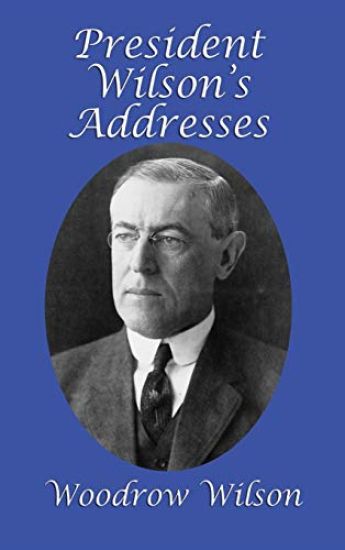
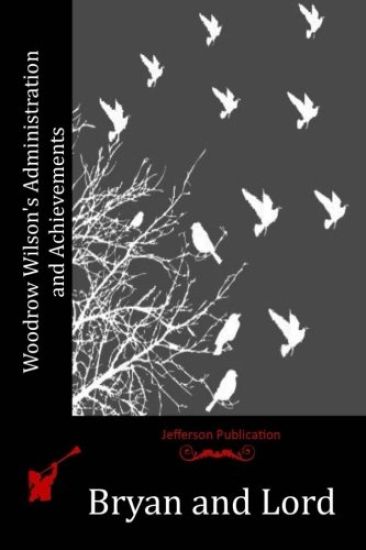
When, on March 4, 1913, Woodrow Wilson entered the White House, the first Democratic president elected in twenty years, no one could have guessed the importance of the r le which he was destined to play. While business men and industrial leaders bewailed the mischance that had brought into power a man whose attitude towards vested interests was reputed none too friendly, they looked upon him as a temporary inconvenience.
When, on March 4, 1913, Woodrow Wilson entered the White House, the first Democratic president elected in twenty years, no one could have guessed the importance of the r le which he was destined to play. While business men and industrial leaders bewailed the mischance that had brought into power a man whose attitude towards vested interests was reputed none too friendly, they looked upon him as a temporary inconvenience.
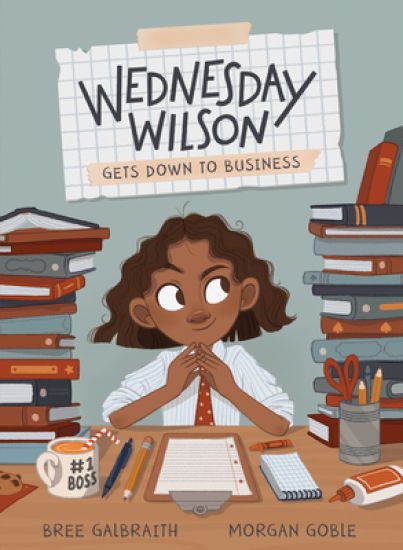
The most important thing to know about Wednesday Wilson is that she's an entrepreneur. She hasn't started any businesses yet, but she's pretty sure today is the day. She and her best friend, Charlie (Wednesday's future Vice President of Operations), with some help from her little brother, Mister, have made a list of potential businesses. But before they get to move forward on one, there's an unfortunate incident in class with the Emmas (whose last initials happen to spell M.E.A.N.) It figures that Wednesday's archnemeses would be the ones to mess up her plans! But maybe this is just the opportunity Wednesday and her friends needed to come up with a brilliant business idea that will save the day and make them millionaires. Or... not?
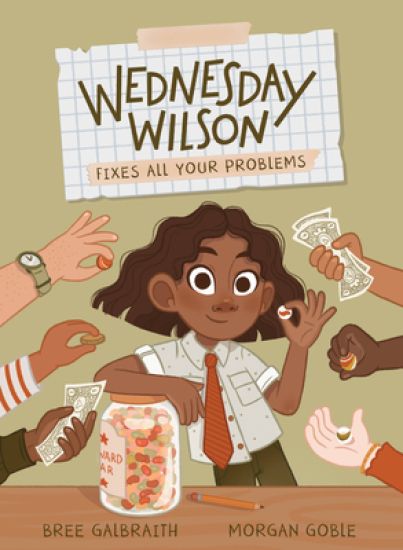
In this second title in the early chapter book series about everyone's favorite young entrepreneur, Wednesday Wilson is only trying to help her brother when her latest business idea strikes Sometimes the best business ideas pop up when you least expect them. Or that's what happens to Wednesday Wilson, anyway, the morning her brother, Mister, locks himself in the bathroom because he's nervous about a school presentation. When classmate Emmet convinces Mister that a worry stone will calm his nerves, Wednesday offers Mister her marble --- with the promise that a Worry Marble will fix all his problems But then Wednesday starts thinking about just how many things kids get nervous about. And, hmm, she does happen to have a whole collection of marbles. Has Wednesday just hit entrepreneurial gold? This is the second title in the early chapter book series by Bree Galbraith that follows the ever-evolving, but always entertaining, antics of girl entrepreneur Wednesday Wilson. The highly engaging series encourages ingenuity, creative thinking and resourcefulness. It's also loads of fun Wednesday's enthusiasm and energy and her one-of-a-kind take on the world will delight and inspire. Short chapters enhanced by Morgan Goble's illustrations along with lists and clever business-themed definitions help bridge the gap for emerging readers. Wednesday has two moms, one is Black and one white, and the story features an expanding diverse cast of BIPOC and disabled characters. It also contains character education lessons on initiative and perseverance.