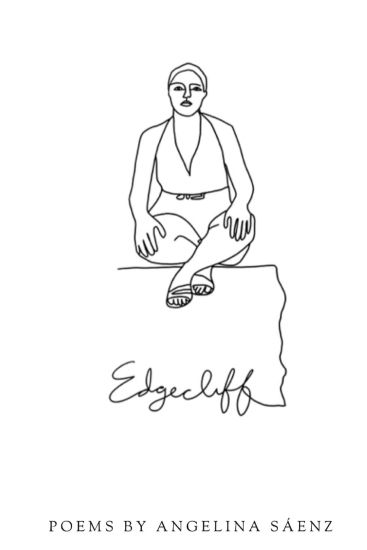
Written in the three years following a divorce from a twenty-two year marriage, these poems are about a middle-aged Chicana who is facing life on her own for the first time. These poems respond to the confusion and pain of a rebound love affair, the courage to pursue an MFA and be in a workshop as an older, first-gen student who never studied literature, the longing and hopes of a single-mother, life under a racist and violent political regime and the everlasting effects of intergenerational trauma in hers and her family's life. These poems bleed love and hope in the midst of uncertainty and longing.
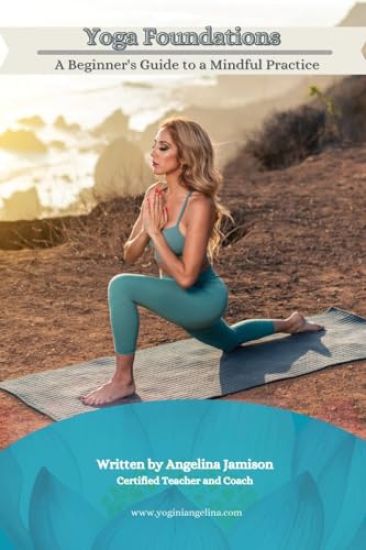
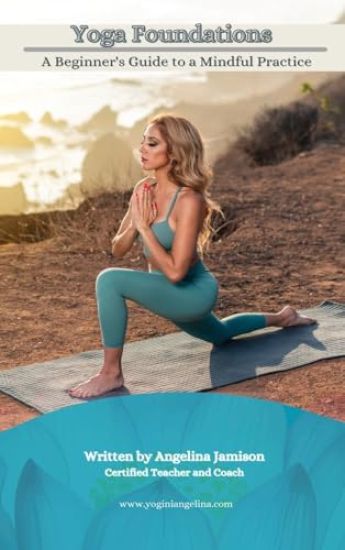
Welcome to the transformative world of yoga, where the union of mind, body, and spirit takes center stage in the journey towards holistic well-being. This ebook delves into the myriad benefits that yoga bestows upon both physical and mental health, offering a pathway to balance and vitality. As a passionate advocate for yoga and a dedicated teacher, my goal is to share the transformative power of this ancient practice. This ebook serves as a guide to help individuals of all levels embark on their yoga journey, cultivating a deeper connection with themselves and the world around them. My intention is to make the practice accessible and enjoyable, empowering readers to embrace yoga as a lifelong companion on their quest for physical health and mental tranquility. Join me in this exploration, and let yoga become your sanctuary for a balanced and fulfilling life.
Welcome to the transformative world of yoga, where the union of mind, body, and spirit takes center stage in the journey towards holistic well-being. This ebook delves into the myriad benefits that yoga bestows upon both physical and mental health, offering a pathway to balance and vitality. As a passionate advocate for yoga and a dedicated teacher, my goal is to share the transformative power of this ancient practice. This ebook serves as a guide to help individuals of all levels embark on their yoga journey, cultivating a deeper connection with themselves and the world around them. My intention is to make the practice accessible and enjoyable, empowering readers to embrace yoga as a lifelong companion on their quest for physical health and mental tranquility. Join me in this exploration, and let yoga become your sanctuary for a balanced and fulfilling life.
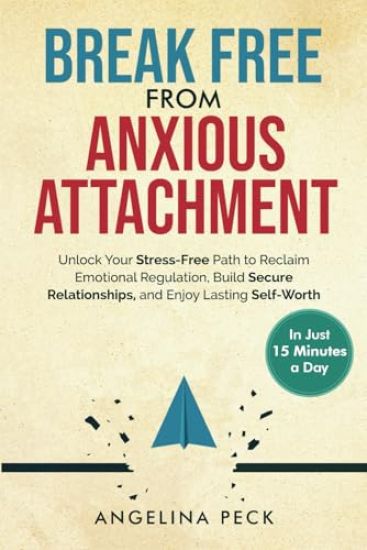
Transform your relationships and self-worth in just 15 minutes a day - find freedom from anxious attachment, even if you've seen it as impossible before Tired of overthinking relationships, fearing abandonment, and seeking validation? Do you struggle to express your needs or feel overwhelmed by insecurity? You're not alone. Anxious attachment affects many, causing stress and unhealthy patterns. But change is possible Here's a taste of the transformative insights inside this life-changing guide: Essential steps to shift to secure attachmentPractical 15-minute daily exercises for emotional regulationThe secret to nurturing self-compassionHow to improve communication techniquesInner-child work and therapeutic support insightsSelf-reflection prompts and Meditation techniques...and so much more
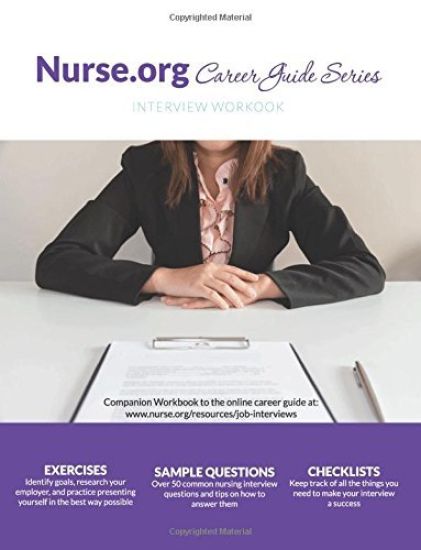
A companion to Nurse.org's popular online career guide, "Complete Guide to Job Interviews." The workbook features exercises for self-assessment, employer and salary research, effective storytelling, checklists, and practice questions to uniquely equip you for success in a nursing job interview.
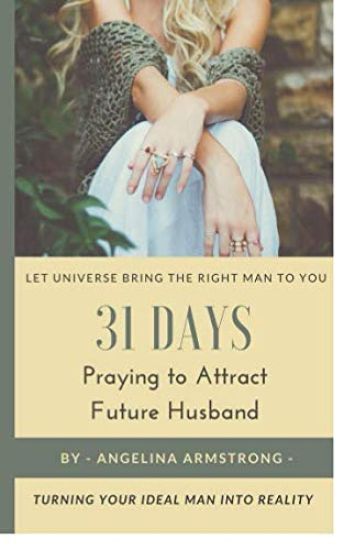
31 Days Praying to Attract Future HusbandTurning Your Ideal Man Into Reality, Let Universe Bring The Right Man To YouAs a woman, one of our dream is to get and marry with a good guy but How This is a proven method develop from the law of attraction. Be specific, clearly, feel it and get it . This book helps you to focus on the characteristic of your right man and send the vibration to let the Universe knows what you want then the Universe will bring your future husband to you.The KEY is that- Be Specific - Clearly what do you REALLY Want - FEEL that you have already had him in your life Enjoy
Estos 15 poemas fueron escritos en una misma noche, despu s de cerrar todos los bares, en 15 postales de postal-free. Era tiempo de ruptura, ahora, desde la distancia, de renacimiento. Tambi n me gustar a que las ultimas 15 hojas fueran dibujadas por ti como postales y con sus correspondientes poemas formaran parte del libro. Lo convertiremos as en un libro de artista en el que os necesito para terminarlo.
This surprising romance novella between two geeks is adorable, to say the least. Nathaniel Levy, aka Eraser, works for the Government: The Federal Reserve Bank of America specifically. Here, he meets Millie, the woman of his dreams. The problem is she is his boss and that's not the only complication; she is also ten years older than him. When someone tries to harm Millie, Eraser comes to the rescue, but he isn't the hero-type. Oh, yes, the complications keep mounting. Through all the challenges, will they eventually find love?
Don't judge a book by its cover. Mosaic is a contemporary story of survival; and, of hope and courage. 'The thing about abuse is you can't bury it like the dead. It's not a dead pet, or a dead loved one or friend. It stays in your heart... so for as long as it keeps beating... you have to keep living with it.' Mosaic is a story about pain and suffering, yet it is also one of hope, redemption and finding love in the most unexpected places. In every sense, this is our story. Betrayed... Ralph was raped as a child. The abuse ended only when the perpetrator, a trusted family friend, was killed by his father. For years, he struggled to deal with the aftermath of this tragic life experience. Will he overcome them? Will his girlfriend's unconditional love be enough to get him through? Wronged and scared... Her husband shattered Kate's faith and belief. With her children in tow, she escaped as far north as Chicago to start afresh. Here, she found her greatest allies. Then, quite suddenly, tranquillity was about to be shattered once more. They soon learned that her husband would be coming to Chicago. Would they be able to protect them from this monster? Secrets... A child's simple sketch revealed a deep, dark, painful past. Secrets that cried out for justice. Would justice be forthcoming? To find out, get your copy of MOSAIC now
Loving Faith and Hope is one of the best love triangles ever. This gorgeous story is not a run-of-the-mill tale of love and despair. It is so much more. What happens when relationships get into difficulties? Luke is in love with Faith, but he also loves his surrogate sister, Hope. Everything is going well in his work and love life until Hope rushes headlong into trouble. Soon, they find themselves in the middle of an unfolding crime drama as they get tangled in a money laundering web. Luke and Faith find themselves slowly ripped apart. To complicate matters, Hope falls in love with Joe Di Nozzi, who is also Victor Carabella. Could he trust Joe/Victor not to hurt Hope? After saving Hope from a fiery conflagration, Luke finds himself in the Burns unit. Gripped in the claws of self-pity, he thinks of himself as disfigured, yet Faith thinks of him as merely scarred. Would he be able to see himself as the hero she believes he is? Faith offers unconditional love, would Luke accept it? Would he take it? To find out, get your copy now
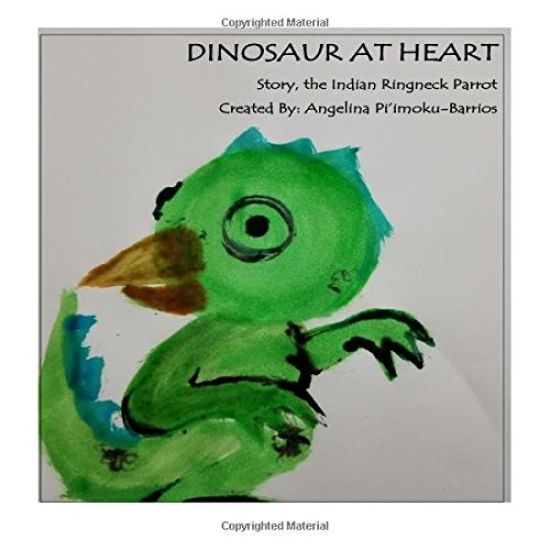
Dinosaur at heart is a fictional book based off of our family bird and the theory that birds are descendants of dinosaurs. Its a fun and colorful way to explore the life of an Indian Ring neck Parrot
Grimke (1805-79) was an American political activist, women's rights advocate and, apart from her sister, the only known white Southern woman to be part of the abolition movement. The sisters toured New England in 1837 speaking about their first-hand experience of slavery, resulting in widespread controversy over women abolitionists' public and political work. These "open letters" to Catherine Beecher, who was strongly anti-suffragist, first appeared in The New England Spectator and The Liberator before being published in book form in 1838.
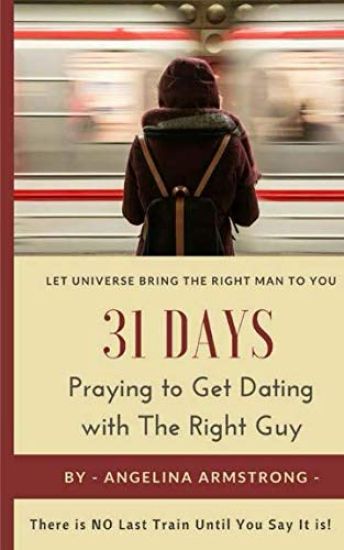
31 Days Praying to Get Dating with The Right Guy: There is NO Last Train Until You Say It is As a woman, one of our dream is to get and marry with a good guy but How When you see couple on the street, in the restaurant or in the therater, you might think why I am I still alone I am more beautiful than her, I am smarter than her, I have a better carreer than her. Why it is not me You might feel more lonely especially in the lovely holiday as a Valentine, X'Mas, New Year You do not want to go anywhere to see the sugar surround you You might think I am now late 30, the last train has already gone. Is it truth?First of all, STOP thinking that it is the last chance to start dating again If you keep talking with yourself like this, I am sure that you will get it as you want. THE LAST TRAING WAS GONE This is a proven method developed from the law of attraction. Be specific, clearly, feel it and get it This book helps you to focus on the characteristic of your right man and send the vibration to let the Universe knows what you want then the Universe will bring your dream guy to you.The KEY is that- Be Specific - Clearly what do you REALLY Want - FEEL that you have already had him in your life - Think and FEEL About it all the time Let start doing exercise with this book and let see how the Universe helps you to GET DATING AGAIN This book is not only for Girl to attact Man but it is for LGBT as well. The method is the same eventhough you are Gay or Lesbian
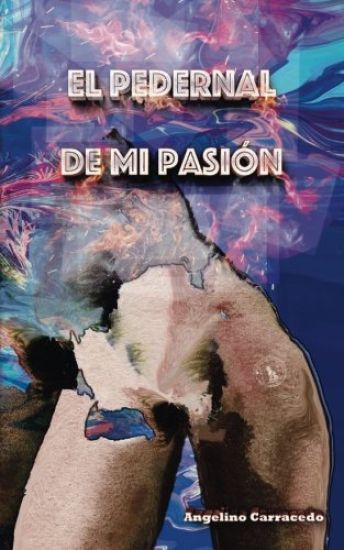
EDICI N ESPA OL-FRANC S. El pedernal de mi pasi n una expresi n que en cierto modo refleja la "historia" colectiva del hombre por reconquistar su alma. En especial la del var n quien, en las mil y una noches de su existencia, vive el acechante embrujo y la presencia a eja de esta femme fatale que presiente en s mismo.
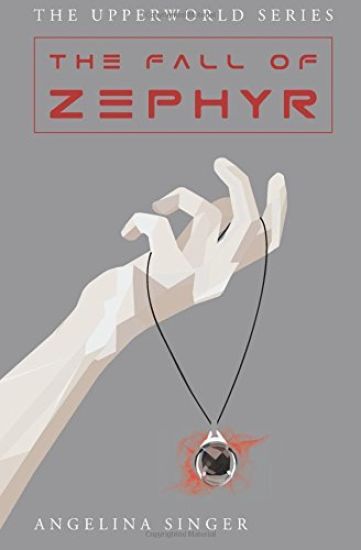
"After all we've been through, haven't you learned? You've just got to do it afraid." As the Upperworld begins to fall apart, Onyx leaves his post as a guide and joins Luna on Earth. She needs protection from a mysterious assassin bent on bringing her ultimate demise. Together, Onyx and Luna learn to navigate the human world while dodging the sinister stalker who is bent on tracking her every move. Above them in the Upperworld that Onyx left behind, the Most High Being is rapidly dying - and nothing can save him. If his death goes unchecked, the entire Upperworld, and all of humanity, will be at risk of extinction. As a last-ditch effort, Jade and Evander begin to organize the Disturbers - Upperworld dwellers who have the same goal in mind: taking Zephyr down before they are all banished to the Underworld with him. Will they succeed, or be dragged down to their doom?
Fashion Coloring Book For Girls by Angelina Kuch is perfect for any fashion lover. It's full of chic designs and trends straight off the runway. Find out what it means to be chic, trendy and modern in this cool fashion coloring book. Book Details: -Large format 8 10 inches. -Premium matte cover finish. -Each image is printed on a black-backed page to reduce bleed-through. MAKES THE CHIC GIFT Buy Now, Start Coloring, and Relax...
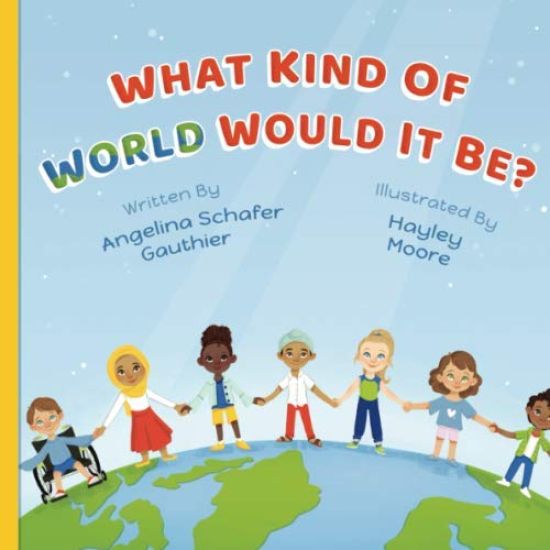
If everyone acted just like me, what kind of world would it be?What Kind of World Would It Be? encourages kindness, cooperation, generosity, and empathy, and will inspire meaningful dialogue about how to make the world a little kinder. This children's book about kindness challenges children to reflect on their actions and inspires meaningful discussions about how actions and words impact others. Filled with bright, bold illustrations, What Kind of World Would It Be? shows how simple, daily social interactions such as a kind word, helping hand, or selfless act can have a huge impact on others, and can fill the world with kindness. This engaging book is a valuable addition to every family's home or teacher's classroom.Kindness is one of the most important character traits we can teach our children. Share this essential message with the children in your life by asking, if everyone acted just like me, what kind of world would it be?