Kirjojen hintavertailu. Mukana 11 342 296 kirjaa ja 12 kauppaa.

Kirjahaku

Etsi kirjoja tekijän nimen, kirjan nimen tai ISBN:n perusteella.

1000 tulosta hakusanalla Bryan W. Strong

Educational and Psychological Measurement

Educational and Psychological Measurement

W. Holmes Finch; Brian F. French; Jason C. Immekus; Shenghai Dai

TAYLOR FRANCIS LTD
2025
nidottu
This new text provides the most current coverage of measurement and psychometrics in a single volume. Authors W. Holmes Finch and Brian F. French first review the basics of psychometrics and measurement, before moving on to more complex topics such as equating and scaling, item response theory, standard setting, and computer adaptive testing. Also included are discussions of cutting-edge topics utilized by practitioners in the field, such as automated test development, game-based assessment, and automated test scoring. This book is ideal for use as a primary text for graduate-level psychometrics/measurement courses, as well as for researchers in need of a broad resource for understanding test theory.Now in its second edition, Educational and Psychological Measurement features new material on:Ethical and fairness issues in testing, quality control in testing, alternative measurement models and scaling methods for psychological assessment, computerized assessment, and application of machine learning methods. It also contains pedagogical features such as "How it Works" and "Psychometrics in the Real World" boxes break down important concepts through worked examples, and show how theory can be applied to practice.End-of-chapter exercises allow students to test their comprehension of the material, while suggested readings and website links provide resources for further investigation.A collection of free online resources include the full output from R, SPSS, and Excel for each of the analyses conducted in the book, as well as additional exercises, sample homework assignments, answer keys, and PowerPoint lecture slides.
Veterinary Oral and Maxillofacial Pathology

Veterinary Oral and Maxillofacial Pathology

Brian G. Murphy; Cynthia M. Bell; Jason W. Soukup

Wiley-Blackwell
2019
sidottu
Veterinary Oral and Maxillofacial Pathology focuses on methods for establishing a diagnosis and set of differential diagnoses. Provides the only text dedicated solely to veterinary oral and maxillofacial pathologyGuides the pathologist through the thought process of diagnosing oral and maxillofacial lesionsFocuses on mammalian companion animals, including dogs, cats and horses, with some coverage of ruminants, camelids, and laboratory animal speciesFeatures access to video clips narrating the process of histological diagnosis on a companion website
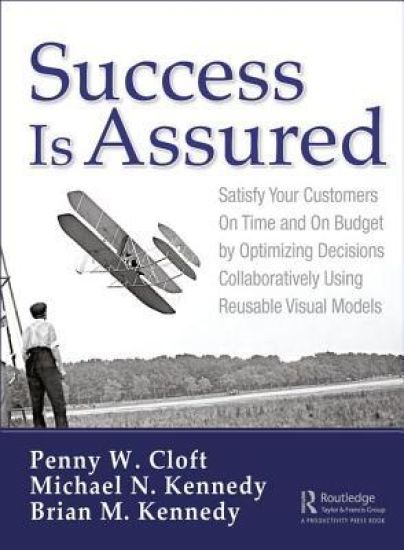
Success is Assured

Success is Assured

Penny W. Cloft; Michael N. Kennedy; Brian M. Kennedy

CRC Press
2018
sidottu
"Success is Assured" was born from a pair using those design practices over a century ago: The Wright Brothers. They set about methodically learning the causal relationships between the different design decisions they needed to make and the performance of the airplane. The Wright Brothers fundamentally transformed the front end of development into a sharply focused learning and decision-making process, and thereby eliminated the late - process rework in which their competition was stuck.Similarly, Toyota built an amazing manual product development system that consistently created a cadence of high quality products that customers want. Myriads of Lean principles, jargon, and tools have been introduced and applied with minimal impact on design loopbacks, engineering productivity, and knowledge reuse within small to midsize engineering companies – and almost no penetration within highly complex engineering companies. This book teaches methodologies to relentlessly expose knowledge gaps and trade-offs early and optimize results before detailed design begins, thereby avoiding the expensive firefighting and engineering rework that consume most of our engineering capacity today. This book teaches new thinking and methodologies to convert the chaotic front end of product development into a convergent process of set-based learning and continuous innovation – a game changer for companies that depend upon a steady flow of innovative products.Watch this video and understand how to consistently satisfy your customers on-time and on-budget! Visit www.SuccessIsAssured.com
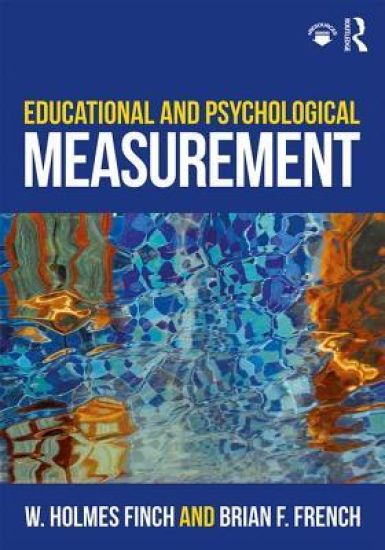
Educational and Psychological Measurement

Educational and Psychological Measurement

W. Holmes Finch; Brian F. French

Routledge
2018
sidottu
This new text provides the most current coverage of measurement and psychometrics in a single volume. Authors W. Holmes Finch and Brian F. French first review the basics of psychometrics and measurement, before moving on to more complex topics such as equating and scaling, item response theory, standard setting, and computer adaptive testing. Also included are discussions of cutting-edge topics utilized by practitioners in the field, such as automated test development, game-based assessment, and automated test scoring. This book is ideal for use as a primary text for graduate-level psychometrics/measurement courses, as well as for researchers in need of a broad resource for understanding test theory. Features: "How it Works" and "Psychometrics in the Real World" boxes break down important concepts through worked examples, and show how theory can be applied to practice. End-of-chapter exercises allow students to test their comprehension of the material, while suggested readings and website links provide resources for further investigation. A collection of free online resources include the full output from R, SPSS, and Excel for each of the analyses conducted in the book, as well as additional exercises, sample homework assignments, answer keys, and PowerPoint lecture slides.
Educational and Psychological Measurement

Educational and Psychological Measurement

W. Holmes Finch; Brian F. French

Routledge
2018
nidottu
This new text provides the most current coverage of measurement and psychometrics in a single volume. Authors W. Holmes Finch and Brian F. French first review the basics of psychometrics and measurement, before moving on to more complex topics such as equating and scaling, item response theory, standard setting, and computer adaptive testing. Also included are discussions of cutting-edge topics utilized by practitioners in the field, such as automated test development, game-based assessment, and automated test scoring. This book is ideal for use as a primary text for graduate-level psychometrics/measurement courses, as well as for researchers in need of a broad resource for understanding test theory. Features: "How it Works" and "Psychometrics in the Real World" boxes break down important concepts through worked examples, and show how theory can be applied to practice. End-of-chapter exercises allow students to test their comprehension of the material, while suggested readings and website links provide resources for further investigation. A collection of free online resources include the full output from R, SPSS, and Excel for each of the analyses conducted in the book, as well as additional exercises, sample homework assignments, answer keys, and PowerPoint lecture slides.
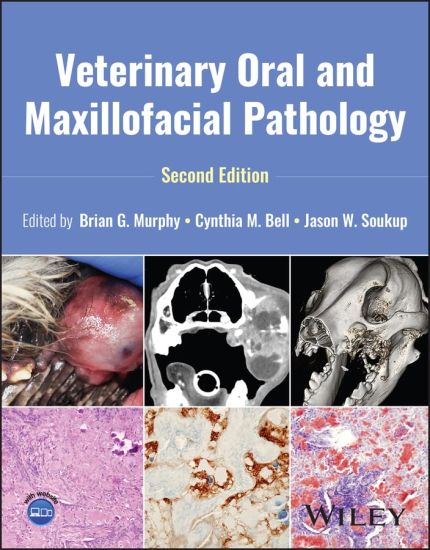
Veterinary Oral and Maxillofacial Pathology

Veterinary Oral and Maxillofacial Pathology

Brian G. Murphy; Cynthia M. Bell; Jason W. Soukup

JOHN WILEY SONS INC
2025
sidottu
Comprehensive reference on diagnostic oral pathology in animals with clinical correlates Veterinary Oral and Maxillofacial Pathology, Second Edition is a comprehensive reference to diagnostic pathology in the oral and maxillofacial region in animals, focusing on information most useful for diagnosis and patient management in clinical practice. The book features high-quality images, including clinical photographs, radiographs and other imaging modalities, gross pathology, histopathology, special stains, immunohistology, ultrastructure, molecular diagnostics, and numerous diagrams. The work focuses on dogs, cats and horses but also offers comparative information for rodent, ruminant, reptile, and exotic patients. The Second Edition adds new chapters focused on oral medicine of small animals and oral and maxillofacial disease of horses, with expanded and improved images and updates throughout. A companion website presents video clips of narrated scanned slides. This edition features multiple authors who are subject matter specialists in oral medicine, viral disease, dermatopathology, and equine dentistry. Veterinary Oral and Maxillofacial Pathology covers all aspects of oral pathology, including: ? Odontogenesis and histological features of normal oral tissues, including oral mucosa, tonsils, lips, teeth, incisive papilla and ducts, salivary glands and jaw bones ? Diagnostic utility of differential diagnoses, the considerable ambiguity and morphologic overlap of some oral lesions, and the ever-evolving state of lesion classification ? Taxonomic controversies, with pros and cons of different viewpoints to allow readers to make their own decisions Veterinary Oral and Maxillofacial Pathology is a one-of-a-kind reference for veterinary pathologists, veterinary dentists, resident trainees, interns, students, and veterinary practitioners.
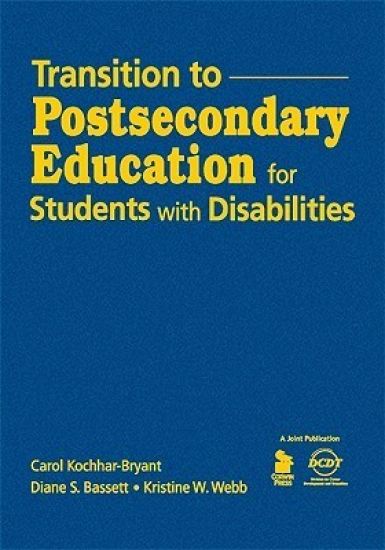
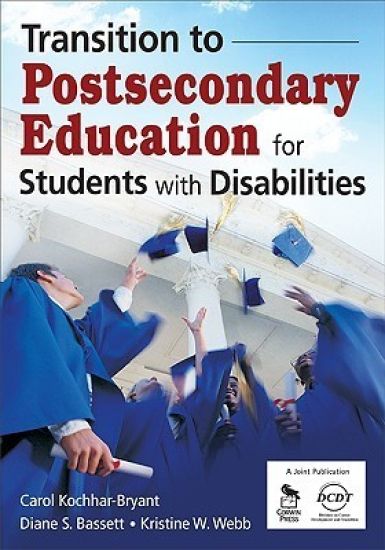
Transition to Postsecondary Education for Students With Disabilities

Transition to Postsecondary Education for Students With Disabilities

Kochhar-Bryant Carol A.; Bassett Diane S.; Kristine (Kris) W. (Wiest) Webb

SAGE Publications Inc
2008
sidottu
"This book fills a noticeable gap in our profession's ability to identify the keys elements, strategies, and resources required for successful transition into postsecondary education." —Robert N. Ianacone, Former President International Division on Career Development "The book is well-written, easy to read, and addresses many facets and avenues for transitioning effectively. A must-have!" —Jane Williams, Former Professor and Chairperson, Department of Special Education Towson University Help students with disabilities put their goals into action and navigate postsecondary life! As mandated by federal law, schools must assist students with disabilities in developing appropriate goals and transition plans for life after high school. Written for teachers and student assistance professionals, this comprehensive and practical book focuses on how the planning process can prepare students for the greater independence of postsecondary settings. Recognizing that students with disabilities have a wide range of needs, this resource discusses the transition requirements of various postsecondary options, including colleges, universities, career and technical training programs, and employment. Developed by highly regarded experts, this authoritative guide includes: An overview of transition considerations for middle school youth The most up-to-date information on key legislation that affects transition services and the rights and responsibilities of students and professionals Advice for helping students document disabilities, develop self-advocacy skills, and seek accommodations Information about postsecondary resources on campus and in the community Students' personal stories and a look at the role of family involvement With user-friendly tools such as checklists, case studies, and reflective questions to support the creation of transition plans, educators can help students successfully explore and pursue educational opportunities after high school.
Transition to Postsecondary Education for Students With Disabilities

Transition to Postsecondary Education for Students With Disabilities

Kochhar-Bryant Carol A.; Bassett Diane S.; Kristine (Kris) W. (Wiest) Webb

SAGE Publications Inc
2008
nidottu
"This book fills a noticeable gap in our profession's ability to identify the keys elements, strategies, and resources required for successful transition into postsecondary education." —Robert N. Ianacone, Former President International Division on Career Development "The book is well-written, easy to read, and addresses many facets and avenues for transitioning effectively. A must-have!" —Jane Williams, Former Professor and Chairperson, Department of Special Education Towson University Help students with disabilities put their goals into action and navigate postsecondary life! As mandated by federal law, schools must assist students with disabilities in developing appropriate goals and transition plans for life after high school. Written for teachers and student assistance professionals, this comprehensive and practical book focuses on how the planning process can prepare students for the greater independence of postsecondary settings. Recognizing that students with disabilities have a wide range of needs, this resource discusses the transition requirements of various postsecondary options, including colleges, universities, career and technical training programs, and employment. Developed by highly regarded experts, this authoritative guide includes: An overview of transition considerations for middle school youth The most up-to-date information on key legislation that affects transition services and the rights and responsibilities of students and professionals Advice for helping students document disabilities, develop self-advocacy skills, and seek accommodations Information about postsecondary resources on campus and in the community Students' personal stories and a look at the role of family involvement With user-friendly tools such as checklists, case studies, and reflective questions to support the creation of transition plans, educators can help students successfully explore and pursue educational opportunities after high school.
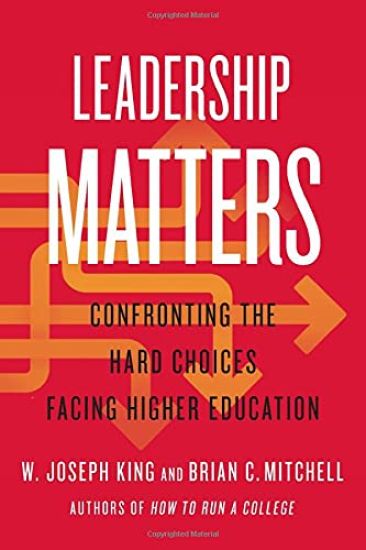
Leadership Matters

Leadership Matters

W. Joseph King; Brian C. Mitchell

Johns Hopkins University Press
2022
sidottu
Leadership matters more than ever in this turbulent moment in American higher education.During these unprecedented times, glaring internal inefficiencies, communication breakdowns, and an overriding sense of cultural inertia on many campuses are too often set against a backdrop of changing consumer preferences, high sticker prices, declining demand, massive tuition discounting, aging infrastructure, technological and pedagogical alternatives, and political pressure. Strategic leadership in such a complex environment needs to be exercised in nuanced ways that differ from those embraced by corporate cultures. In Leadership Matters, W. Joseph King and Brian C. Mitchell argue that the success of higher education institutions depends on strategic leaders who can utilize the strengths of their institutions and leaders to balance internal pressures, shifting demographics, global education needs, and workforce preparation demands beyond the college gates. Drawing on their extensive experience, the authors guide senior administration, trustees, and presidents on how to lead during immense financial, demographic, and social challenges. King and Mitchell believe that, to survive, colleges must be well run—flexible, effective, and forward thinking. The authors begin with a fundamental premise—that colleges and universities must evolve and adapt by modernizing their practices, monetizing their assets, focusing on core educational strategies, and linking explicitly to the modern world. Discussing a broad range of leadership positions, including presidents, provosts, and board chairs, Leadership Matters touches on strategic planning, management and operations, stakeholder relations, campus and community, accreditation and athletic conferences, and much more. The authors offer an optimistic assessment based upon frank and stark conclusions about what colleges must do—and must not do—to remain relevant in the coming decades.
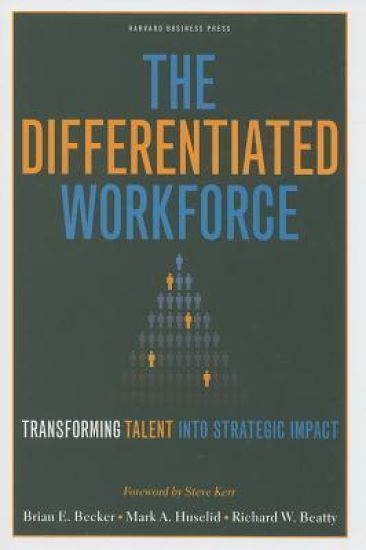
The Differentiated Workforce

The Differentiated Workforce

Brian E. Becker; Mark A. Huselid; Richard W. Beatty

Harvard Business Review Press
2009
sidottu
Do you think of your company's talent as an investment to be managed like a portfolio? You should, according to authors Becker, Huselid, and Beatty, if you're interested in strategy execution. Many companies fall into the trap of spending too much time and money on low performers, while high performers aren't getting the necessary resources, development opportunities, or rewards. In The Differentiated Workforce, the authors expand on their previous books, The HR Scorecard and The Workforce Scorecard, and recommend that you manage your workforce like a portfolio - with disproportionate investments in the jobs that create the most wealth. You'll learn to: Rise above talent management "best practice" and instead create a differentiated workforce that can't be easily copied by competitors Differentiate those capabilities in your company that are truly strategic Identify your wealth-creating "A" positions Create a new relationship between HR and line managers, and articulate the role each plays in a differentiated workforce strategy Develop the right measures for your organization Based on two decades of academic research and experience working with hundreds of executives, The Differentiated Workforce gives you the tools to translate your talent into strategic impact.
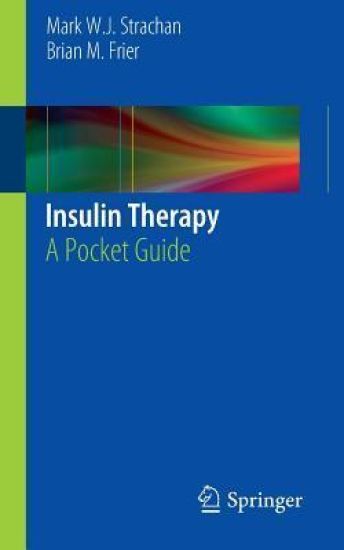
Insulin Therapy

Insulin Therapy

Mark W. J. Strachan; Brian M. Frier

Springer London Ltd
2013
nidottu
The aim of this book is to provide clear and concise information about the safe prescribing of insulin both subcutaneously and intravenously. It provides information on the different types of insulin, the delivery devices, side effects of insulin and, most importantly, on rational dose adjustment.?
Educating English Learners

Educating English Learners

Joyce W. Nutta; Carine Strebel; Kouider Mokhtari; Florin M. Mihai; Edwidge Crevecoeur-Bryant

Harvard Educational Publishing Group
2014
nidottu
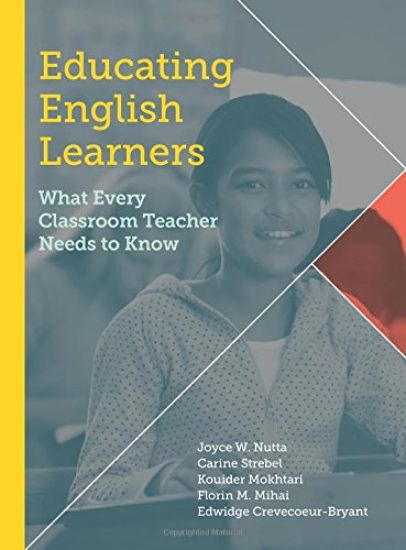
In Educating English Learners, Joyce W. Nutta and her colleagues offer practical tools for helping schools and teachers successfully integrate English learners into mainstream classrooms. Drawing on the One Plus model presented in the award-winning book, Preparing Every Teacher to Reach English Learners, the authors now turn their attention to the needs of K–12 teachers who typically have two or three English learners in their classrooms.English learners are not a homogenous group, andthe challenges they face vary tremendously. Nutta and her colleagues present protocols and case studies to help preservice and in-service teachers understand the needs of English learners in their classrooms and differentiate instruction and assessment accordingly.Woven throughout the book are the stories of Gero, Edith, Tasir, and Edgar, four case study students of different ages, backgrounds, and levels of English proficiency. The authors show how the protocols they provide can be applied to adaptsample lessons for students like these, across a range of grade levels, subject areas, and pedagogical approaches. Finally, the authors show how the system can be applied schoolwide for a collaborative approach to meeting English learners’ needs.
Educating English Learners

Educating English Learners

Joyce W. Nutta; Carine Strebel; Kouider Mokhtari; Florin M. Mihai; Edwidge Crevecoeur-Bryant

Harvard Educational Publishing Group
2014
sidottu
In Educating English Learners, Joyce W. Nutta and her colleagues offer practical tools for helping schools and teachers successfully integrate English learners into mainstream classrooms. Drawing on the One Plus model presented in the award-winning book, Preparing Every Teacher to Reach English Learners, the authors now turn their attention to the needs of K–12 teachers who typically have two or three English learners in their classrooms.English learners are not a homogenous group, andthe challenges they face vary tremendously. Nutta and her colleagues present protocols and case studies to help preservice and in-service teachers understand the needs of English learners in their classrooms and differentiate instruction and assessment accordingly.Woven throughout the book are the stories of Gero, Edith, Tasir, and Edgar, four case study students of different ages, backgrounds, and levels of English proficiency. The authors show how the protocols they provide can be applied to adaptsample lessons for students like these, across a range of grade levels, subject areas, and pedagogical approaches. Finally, the authors show how the system can be applied schoolwide for a collaborative approach to meeting English learners’ needs.
Show, Tell, Build

Show, Tell, Build

Joyce W. Nutta; Carine Strebel; Florin M. Mihai; Edwidge Crevecoeur Bryant; Kouider Mokhtari

Harvard Educational Publishing Group
2018
nidottu
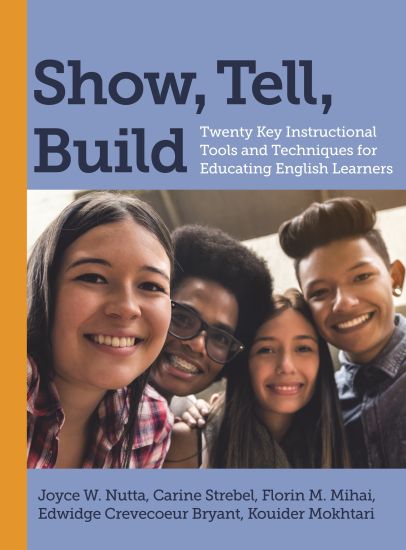
Building upon the theoretical and practical foundation outlined in their previous book, Educating English Learners, the authors show classroom teachers how to develop a repertoire of instructional techniques that address K–12 English learners (ELs) at different English proficiency and grade levels, and across subject areas.Show, Tell, Build is organized around two decision maps for planning and implementing differentiated instruction for ELs: the Academic Subjects Protocol (for teachers of academic subjects) and the Language Arts Protocol (for teachers of language arts). The instructional tools and techniques described in each chapter help teachers provide communication support for ELs through showing and telling, and develop their language proficiency through building their skills. The book also discusses the demands that academic language poses for English learners and ways to assess students' proficiency in English.Show, Tell, Build provides classroom teachers, English language development specialists, literacy coaches, and school leaders with valuable knowledge and skills to support ELs' academic success.
Show, Tell, Build

Show, Tell, Build

Joyce W. Nutta; Carine Strebel; Florin M. Mihai; Edwidge Crevecoeur Bryant; Kouider Mokhtari

Harvard Educational Publishing Group
2018
sidottu
Building upon the theoretical and practical foundation outlined in their previous book, Educating English Learners, the authors show classroom teachers how to develop a repertoire of instructional techniques that address K–12 English learners (ELs) at different English proficiency and grade levels, and across subject areas. Show, Tell, Build is organized around two decision maps for planning and implementing differentiated instruction for ELs: the Academic Subjects Protocol (for teachers of academic subjects) and the Language Arts Protocol (for teachers of language arts). The instructional tools and techniques described in each chapter help teachers provide communication support for ELs through showing and telling, and develop their language proficiency through building their skills. The book also discusses the demands that academic language poses for English learners and ways to assess students’ proficiency in English. Show, Tell, Build provides classroom teachers, English language development specialists, literacy coaches, and school leaders with valuable knowledge and skills to support ELs’ academic success.