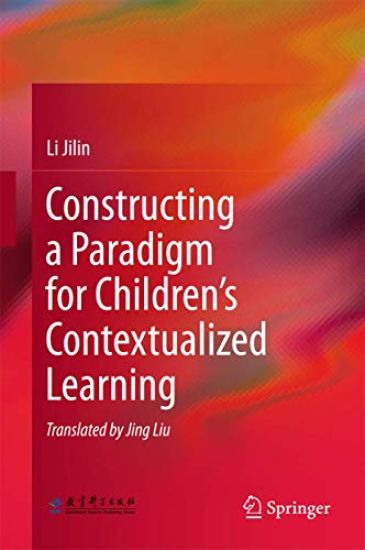
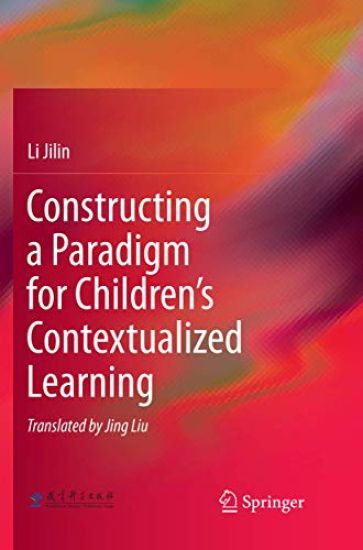
This book focuses on summarizing four elements from the classic Chinese literary theory: truth, beauty, emotion and imagination. Based on the latest findings from learning sciences and brain science, it elaborates on the reasons for creating contexts in language teaching. It also shows how the aesthetical theories can be used to nurture contextualized instruction and presents six major approaches for creating contexts: creating contexts with real objects, representing contexts with pictures, evoking contexts with music, experiencing contexts with acting, unfolding contexts with real life, and describing contexts with languages. The author is a practitioner with over 30 years of practical research experience and all their studies are discussed in this book.
This book focuses on summarizing four elements from the classic Chinese literary theory: truth, beauty, emotion and imagination. Based on the latest findings from learning sciences and brain science, it elaborates on the reasons for creating contexts in language teaching. It also shows how the aesthetical theories can be used to nurture contextualized instruction and presents six major approaches for creating contexts: creating contexts with real objects, representing contexts with pictures, evoking contexts with music, experiencing contexts with acting, unfolding contexts with real life, and describing contexts with languages. The author is a practitioner with over 30 years of practical research experience and all their studies are discussed in this book.
The Kwanja is a small ethnic group of 10,000 people living in Adamawa, Cameroon. The present monograph describes their bilineal kinship system, political structures, oral history, moral economy, rituals, cosmologies and world view. The book discusses the way the Kwanja construct themselves as homogenous despite their astonishing cultural diversity, and how they construct themselves as different from their neighbors despite the cultural traits that they share in common.
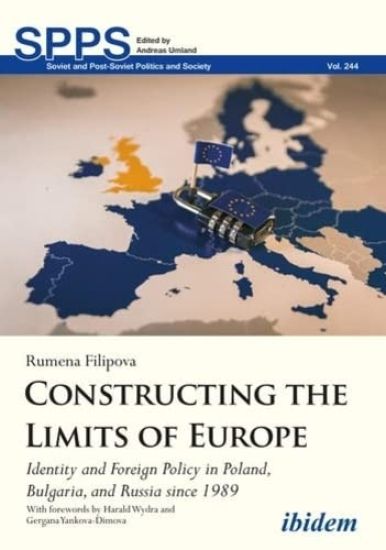
This comparative study harks back to the revolutionary year of 1989 and asks two critical questions about the resulting reconfiguration of Europe in the aftermath of the collapse of communism: Why did Central and East European states display such divergent outcomes of their socio-political transitions? Why did three of those statesPoland, Bulgaria, and Russiadiffer so starkly in terms of the pace and extent of their integration into Europe? Rumena Filipova argues that Polands, Bulgarias, and Russias dominating conceptions of national identity have principally shaped these countries foreign policy behavior after 1989. Such an explanation of these three nations diverging degrees of Europeanization stands in contrast to institutionalist-rationalist, interest-based accounts of democratic transition and international integration in post-communist Europe. She thereby makes a case for the need to include ideational factors into the study of International Relations and demonstrates that identities are not easily malleable and may not be as fluid as often assumed. She proposes a theoretical middle-ground argument that calls for qualified post-positivism as an integrated perspective that combines positivist and post-positivist orientations in the study of IR.