Kirjahaku
Etsi kirjoja tekijän nimen, kirjan nimen tai ISBN:n perusteella.
1000 tulosta hakusanalla Janel Rodriguez
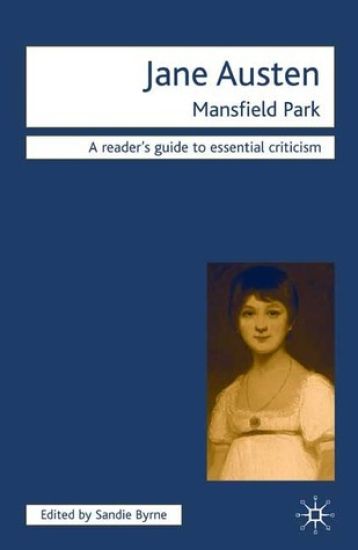
The first novel of the author's maturity, Mansfield Park is complex, highly wrought, and experimental. It marks a transitional stage between the first two published novels, Sense and Sensibility and Pride and Prejudice, and Jane Austen's greatest achievements, Emma and Persuasion. It has been suggested that Mansfield Park is the writer's most autobiographical novel and that, in seeing through the eyes of Fanny Price, deemed the most moralising and judgemental of her heroines, we are seeing through the eyes of Austen herself. Though Fanny Price may be too virtuous for modern readers to take to their hearts, in Mrs Norris Austen creates one of her best, because most plausible, monsters; while in the estate of Mansfield Park itself we find some of the most fully realised descriptions of domestic interiors and exteriors in Austen's fiction.This Guide traces the response to Mansfield Park from the opinions of Jane Austen's contemporaries, through nineteenth-century reviews and twentieth-century critical analyses, including deconstructionist, feminist, postcolonial and poststructuralist, to diverse twenty-first-century approaches to the novel. Sandie Byrne selects the most useful and insightful of these responses and puts them in context, providing the reader with an essential and approachable introduction to the range of critical debate on this important novel.

This book examines Austen's novels in relation to her philosophical and religious context, demonstrating that the combination of the classical and theological traditions of the virtues is central to her work. Austen's heroines learn to confront the fundamental ethical question of how to live their lives. Instead of defining virtue only in the narrow sense of female sexual virtue, Austen opens up questions about a plurality of virtues. In fresh readings of the six completed novels, plus Lady Susan, Emsley shows how Austen's complex imaginative representations of the tensions among the virtues engage with and expand on classical and Christian ethical thought.
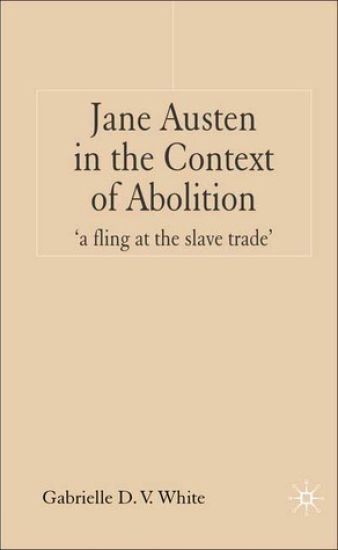
This wide-ranging and convincingly argued study looks at the issues of and attitudes towards slavery in Jane Austen's later novels and culture, and argues against Edward Said's critique of Jane Austen as a supporter of colonialism and slavery. White suggests that Austen is both concerned and engaged with the issue, and that novels such as Mansfield Park, Emma and Persuasion not only presuppose the British outlawing of the transatlantic slave trade but also undermine the status quo of chattel slavery, slavery's most extreme form.
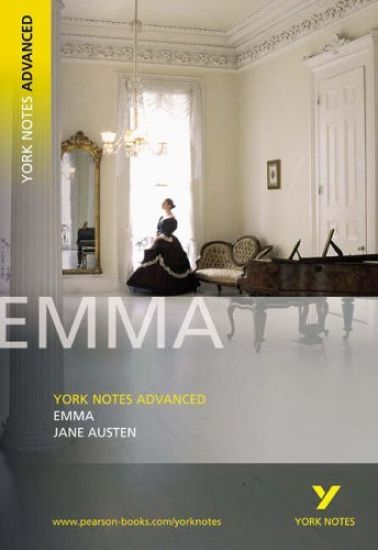
Jane Austen 'Emma': everything you need to catch up, study and prepare for 2025 assessments and 2026 exams
Jane Austen
Pearson Education Limited
2005
pokkari
York Notes Advanced offer a fresh and accessible approach to English Literature. This market-leading series has been completely updated to meet the needs of today's A-level and undergraduate students. Written by established literature experts, York Notes Advanced intorduce students to more sophisticated analysis, a range of critical perspectives and wider contexts.
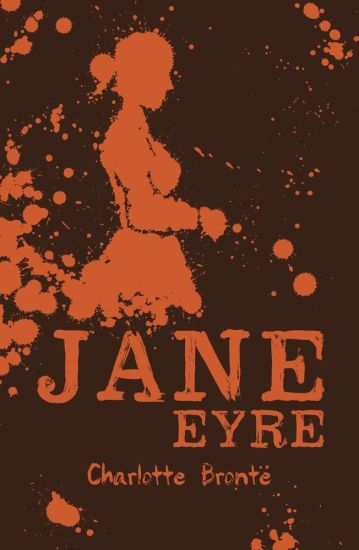
One of the greatest gothic love stories of all time, JANE EYRE tellsof a lowly, plain governess who falls in love with the dashingMr Rochester - who hides a terrible secret. An epic romance seton the Yorkshire moors, and a book that young girls will returnto again and again.
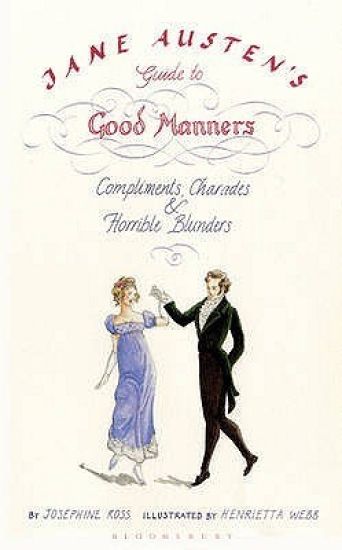
Jane Austen's Guide to Good Manners
Henrietta Webb; Josephine Ross
Bloomsbury Publishing PLC
2009
nidottu
How to pay and return formal 'calls'; how to refuse a proposal of marriage; who should lead off the dancing at a country-house ball; what to wear for a morning walk...Today such social niceties are largely ignored or forgotten, but they underpin all of Jane Austen's timeless novels and are explored and dealt with in this highly original book. Written as if intended for Austen's original readers in the Regency era, and illustrated with exquisitely witty watercolours, Jane Austen's Guide to Good Manners is a light-hearted, entertaining and instructive little handbook of etiquette as depicted in Jane's novels and letters. It will not only offer sound wisdom and pearls of advice, but also encourage the modern-day reader to look back at Jane's work with a new and deepened appreciation.
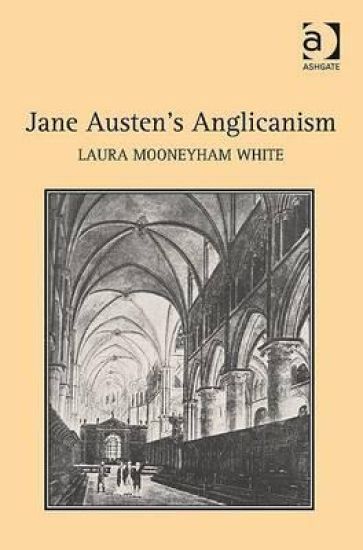
In her re-examination of Jane Austen's Anglicanism, Laura Mooneyham White suggests that engaging with Austen's world in all its strangeness and remoteness reveals the novelist's intensely different presumptions about the cosmos and human nature. While Austen's readers often project postmodern and secular perspectives onto an Austen who reflects their own times and values, White argues that viewing Austen's Anglicanism through the lens of primary sources of the period, including the complex history of the Georgian church to which Austen was intimately connected all her life, provides a context for understanding the central conflict between Austen's malicious wit and her family's testimony to her Christian piety and kindness. White draws connections between Austen's experiences with the clergy, liturgy, doctrine, and religious readings and their fictional parallels in the novels; shows how orthodox Anglican concepts such as natural law and the Great Chain of Being resonate in Austen's work; and explores Austen's awareness of the moral problems of authorship relative to God as Creator. She concludes by surveying the ontological and moral gulf between the worldview of Emma and Oscar Wilde's The Importance of Being Earnest, arguing that the evangelical earnestness of Austen's day had become a figure of mockery by the late nineteenth century.
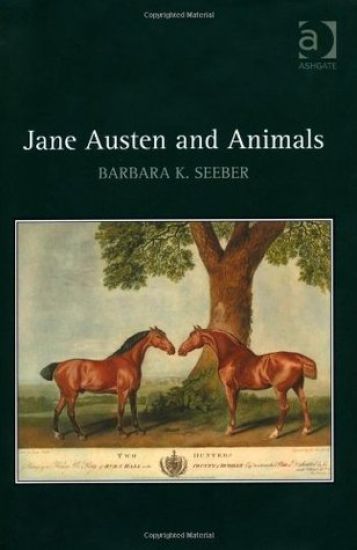
The first full-length study of animals in Jane Austen, Barbara K. Seeber’s book situates the author’s work within the serious debates about human-animal relations that began in the eighteenth century and continued into Austen’s lifetime. Seeber shows that Austen’s writings consistently align the objectification of nature with that of women and that Austen associates the hunting, shooting, racing, and consuming of animals with the domination of women. Austen’s complicated depictions of the use and abuse of nature also challenge postcolonial readings that interpret, for example, Fanny Price’s rejoicing in nature as a celebration of England’s imperial power. In Austen, hunting and the owning of animals are markers of station and a prerogative of power over others, while her representation of the hierarchy of food, where meat occupies top position, is identified with a human-nature dualism that objectifies not only nature, but also the women who are expected to serve food to men. In placing Austen’s texts in the context of animal-rights arguments that arose in the late eighteenth and early nineteenth centuries, Seeber expands our understanding of Austen’s participation in significant societal concerns and makes an important contribution to animal, gender, food, and empire studies in the nineteenth century.

Jane Austen, George Eliot and the Reflective Tradition
Rose Pimentel
Ashgate Publishing Limited
2025
sidottu
In her exploration of the moral tradition shared between Jane Austen and George Eliot, Rose Pimentel argues that a common ethical dynamic between the two authors, and what would later be known as the realist novel, emerged from an emphasis on reflection as introspection that was widespread in the eighteenth century. Pimentel examines what she calls the reflective tradition across a range of discourses, including moral philosophy, children’s literature, the novel, poetry, educational tracts and sermons, that would have been familiar to Austen. Through the lens of Eliot and George Henry Lewis’s shared readings of Austen, Pimentel shows how Austen draws on and expands ideas of reflection from the eighteenth century. Thus, her reading of Eliot in the 1850s reflects on to Austen while her reading of Austen, in turn, reflects back on to Eliot as she analyzes the ways in which Eliot developed this aspect of Austen’s art. By placing Austen’s and Eliot’s novels in a rich and reflective dialogue, Pimentel enriches our understanding of their work in a way that views neither the reflective tradition nor the development of the novel as teleological.
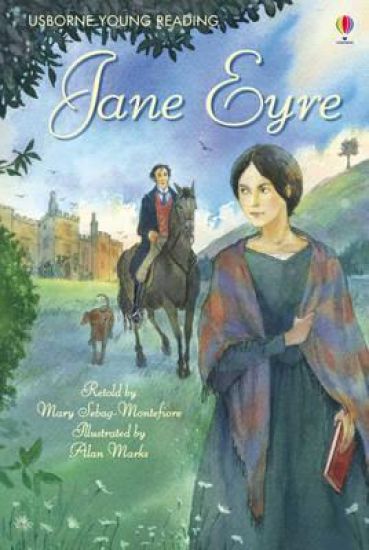
A dramatic adaptation of the much-loved classic by Charlotte Bronte, with atmospheric illustrations by Alan Marks. It is the compelling story of Jane Eyre and the mysterious Mr. Rochester, sensitively retold for younger readers.

When an essay is due and dreaded exams loom, here's the lit-crit help students need to succeed! SparkNotes Literature Guides make studying smarter, better, and faster. They provide chapter-by-chapter analysis, explanations of key themes, motifs, and symbols, a review quiz and essay topics. Lively and accessible, SparkNotes is perfect for late-night studying and paper writing.
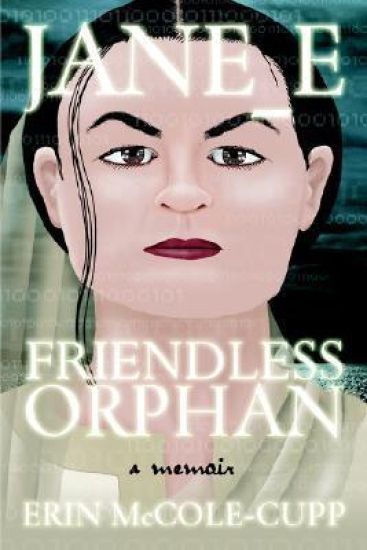
Born not in a past of corsets, bonnets and arranged marriages but in a future of human cloning, bioterror and fleeting relationships, could Jane Eyre survive?
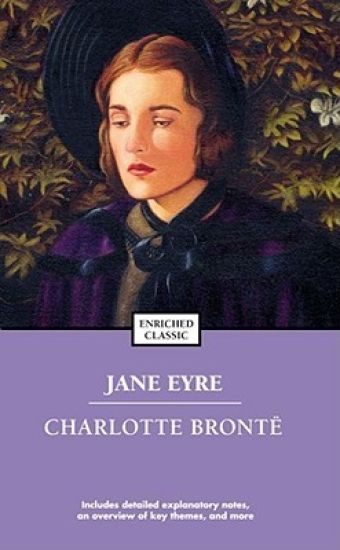
Enriched Classics offer readers accessible editions of great works of literature enhanced by helpful notes and commentary. Each book includes educational tools alongside the text, enabling students and readers alike to gain a deeper and more developed understanding of the writer and their work.A young governess falls in love with her employer in this classic coming-of-age tale set in nineteenth century England. Enriched Classics enhance your engagement by introducing and explaining the historical and cultural significance of the work, the author’s personal history, and what impact this book had on subsequent scholarship. Each book includes discussion questions that help clarify and reinforce major themes and reading recommendations for further research. Read with confidence.