
Kirjahaku
Etsi kirjoja tekijän nimen, kirjan nimen tai ISBN:n perusteella.
1000 tulosta hakusanalla Jim Baggott
Thunder Jim Wade: The Complete Series
Henry Kuttner
Createspace Independent Publishing Platform
2008
nidottu

Plantation Jim And The Freedom Which He Obtained (1867)
Zachariah Atwell Mudge
KESSINGER PUBLISHING, LLC
2008
sidottu

Beautiful Jim, Of The Blankshire Regiment (1900)
John Strange Winter
KESSINGER PUBLISHING, LLC
2008
pokkari

Lord Jim Joseph Conrad
Lord Jim; Joseph Conrad
Createspace Independent Publishing Platform
2010
nidottu
The novel is in two main parts, firstly Jim's lapse aboard the Patna and his consequent fall, and secondly an adventure story about Jim's rise and the tale's denouement amongst the people of Patusan - set in the Indonesian archipelago. The main themes surround young Jim's potential ("...he was one of us", says the narrator, Marlow) thus sharpening the drama and tragedy of his fall, his subsequent struggle to redeem himself, and Conrad's further hints that personal character flaws will almost certainly emerge given an appropriate catalyst. Conrad, speaking through his character Stein, called Jim a romantic figure, and indeed Lord Jim is arguably Conrad's most romantic novel. In addition to the lyricism and beauty of Conrad's descriptive writing, the novel is remarkable for its sophisticated structure. The bulk of the novel is told in the form of a story recited by the character Marlow to a group of listeners, and the conclusion is presented in the form of a letter from Marlow. Within Marlow's narration, other characters also tell their own stories in nested dialogue. Thus, events in the novel are described from several view points, and often out of chronological order. (wikipedia)
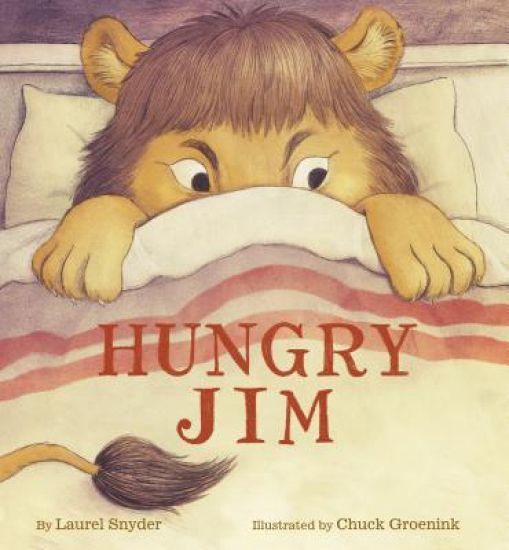
When Jim wakes up one Tuesday morning, he doesn't feel like eating his pancakes. In fact, Jim doesn't feel like Jim. He feels rather, well, beastly. But he is hungry. Very hungry....This clever and relatable tale of moods from Laurel Snyder and Chuck Groenink offers a lighthearted depiction of the beastliness that lives inside all of us—and the power we have to put it in its place. Surprising yet satisfying, this richly illustrated book brims with humor that readers of all ages will be roaring to devour.

Little Jim & Annie Mae: The Bishops and a Lifetime of True Love
Doris Hale Sanders
Createspace Independent Publishing Platform
2010
nidottu
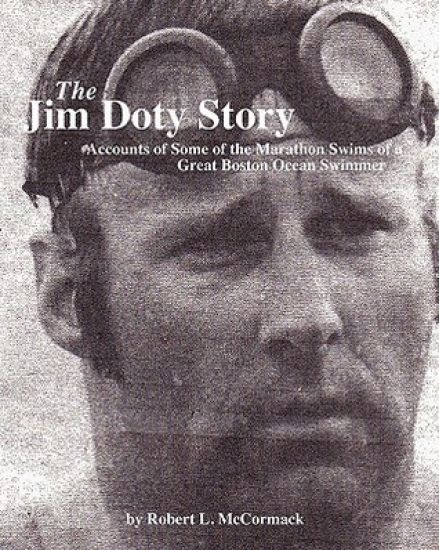
The Jim Doty Story: Accounts of Some of the Marathon Swims of a Great Boston Swimmer
Robert L. McCormack
Createspace Independent Publishing Platform
2010
nidottu


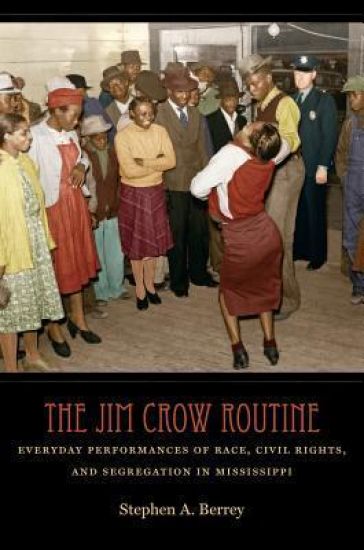
The South's system of Jim Crow racial oppression is usually understood in terms of legal segregation that mandated the separation of white and black Americans. Yet, as Stephen A. Berrey shows, it was also a high-stakes drama that played out in the routines of everyday life, where blacks and whites regularly interacted on sidewalks and buses and in businesses and homes. Every day, individuals made, unmade, and remade Jim Crow in how they played their racial roles--how they moved, talked, even gestured. The highly visible but often subtle nature of these interactions constituted the Jim Crow routine.In this study of Mississippi race relations in the final decades of the Jim Crow era, Berrey argues that daily interactions between blacks and whites are central to understanding segregation and the racial system that followed it. Berrey shows how civil rights activism, African Americans' refusal to follow the Jim Crow script, and national perceptions of southern race relations led Mississippi segregationists to change tactics. No longer able to rely on the earlier routines, whites turned instead to less visible but equally insidious practices of violence, surveillance, and policing, rooted in a racially coded language of law and order. Reflecting broader national transformations, these practices laid the groundwork for a new era marked by black criminalization, mass incarceration, and a growing police presence in everyday life.
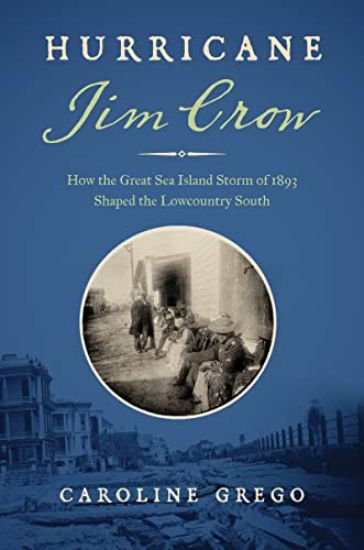
On an August night in 1893, the deadliest hurricane in South Carolina history struck the Lowcountry, killing thousands—almost all African American. But the devastating storm is only the beginning of this story. The hurricane's long effects intermingled with ongoing processes of economic downturn, racial oppression, resistance, and environmental change. In the Lowcountry, the political, economic, and social conditions of Jim Crow were inextricable from its environmental dimensions.This narrative history of a monumental disaster and its aftermath uncovers how Black workers and politicians, white landowners and former enslavers, northern interlocutors and humanitarians all met on the flooded ground of the coast and fought to realize very different visions for the region's future. Through a telescoping series of narratives in which no one's actions were ever fully triumphant or utterly futile, Hurricane Jim Crow explores with nuance this painful and contradictory history and shows how environmental change, political repression, and communal traditions of resistance, survival, and care converged.