Kirjojen hintavertailu. Mukana 11 627 220 kirjaa ja 12 kauppaa.

Kirjahaku

Etsi kirjoja tekijän nimen, kirjan nimen tai ISBN:n perusteella.

1000 tulosta hakusanalla Kevin Messerschmidt

Prison Movies

Prison Movies

Kevin Kehrwald

Columbia University Press
2017
sidottu
Prison Movies: Cinema Behind Bars traces the public fascination with incarceration from the silent era to the present. Often considered an offshoot of the gangster film, the prison film precedes the gangster film and is in many ways its opposite. Rather than focusing on tragic figures heading for a fall, the prison film focuses on fallen characters seeking redemption. The gangster's perverse pursuit of the American dream is irrelevant to the prisoner for whom that dream has already failed. At their core, prison films are about self-preservation at the hands of oppressive authority. Like history itself, prison films display long stretches of idleness punctuated by eruptions of violence, dangerous moments that signify liberation and the potential for change. The enclosed world of the prison is a highly effective microcosm, one that forces characters and audiences alike to confront vexing issues of race, class, gender, and sexuality. These portrayals of men and women behind bars have thrived because they deal with such fundamental human themes as freedom, individuality, power, justice, and mercy. Films examined include The Big House (1930), I Want to Live! (1958), The Defiant Ones (1958), Cool Hand Luke (1967), Midnight Express (1978), Escape from Alcatraz (1979), The Shawshank Redemption (1994), and Starred Up (2013).
Prison Movies

Prison Movies

Kevin Kehrwald

Wallflower Press
2017
pokkari
Prison Movies: Cinema Behind Bars traces the public fascination with incarceration from the silent era to the present. Often considered an offshoot of the gangster film, the prison film precedes the gangster film and is in many ways its opposite. Rather than focusing on tragic figures heading for a fall, the prison film focuses on fallen characters seeking redemption. The gangster's perverse pursuit of the American dream is irrelevant to the prisoner for whom that dream has already failed. At their core, prison films are about self-preservation at the hands of oppressive authority. Like history itself, prison films display long stretches of idleness punctuated by eruptions of violence, dangerous moments that signify liberation and the potential for change. The enclosed world of the prison is a highly effective microcosm, one that forces characters and audiences alike to confront vexing issues of race, class, gender, and sexuality. These portrayals of men and women behind bars have thrived because they deal with such fundamental human themes as freedom, individuality, power, justice, and mercy. Films examined include The Big House (1930), I Want to Live! (1958), The Defiant Ones (1958), Cool Hand Luke (1967), Midnight Express (1978), Escape from Alcatraz (1979), The Shawshank Redemption (1994), and Starred Up (2013).
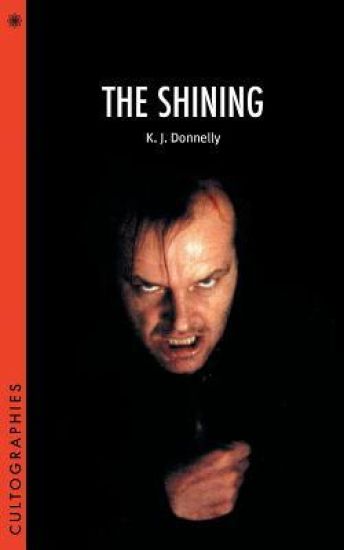
The Shining

The Shining

Kevin Donnelly

Columbia University Press
2018
pokkari
Stanley Kubrick’s The Shining (1980) is an esteemed member of the twentieth century’s pantheon of outstanding films while also perhaps being the director’s most accessible film. It is a rarity in that on the one hand it was a successful mainstream horror film about a violent father in a deserted and haunted hotel, but on the other is a more rarefied and esoteric object for cult audiences who are convinced that the film means something totally different. Indeed, the film appears replete with enigmatic and provocative allusions, which provide The Shining with an almost unmatched sense of resonance. Seeing the film as a vehicle for secret messages has led to a myriad of different interpretations, which has helped elevate the film’s cult status over the years to make it a special case in cinema. Indeed, it is so singular that it arguably even redefines the notion of cult film. This volume investigates The Shining’s most fascinating aspects as a film while also addressing the range of meanings and interpretations assigned to the film, looking into what has made it one of the key cult films of the last half century.
Parks for Profit

Parks for Profit

Kevin Loughran

Columbia University Press
2022
sidottu
A new kind of city park has emerged in the early twenty-first century. Postindustrial parks transform the derelict remnants of an urban past into distinctive public spaces that meld repurposed infrastructure, wild-looking green space, and landscape architecture. For their proponents, they present an opportunity to turn disused areas into neighborhood anchors, with a host of environmental and community benefits. Yet there are clear economic motives as well—successful parks have helped generate billions of dollars of city tax revenues and real estate development.Kevin Loughran explores the High Line in New York, the Bloomingdale Trail/606 in Chicago, and Buffalo Bayou Park in Houston to offer a critical perspective on the rise of the postindustrial park. He reveals how elites deploy the popularity and seemingly benign nature of parks to achieve their cultural, political, and economic goals. As urban economies have become restructured around finance, real estate, tourism, and cultural consumption, parks serve as civic shields for elite-oriented investment. Tracing changing ideas about cities and nature and underscoring the centrality of race and class, Loughran argues that postindustrial parks aestheticize past disinvestment while serving as green engines of gentrification.A wide-ranging investigation of the political, cultural, and economic forces shaping park development, Parks for Profit reveals the social inequalities at the heart of today’s new urban landscape.
Parks for Profit

Parks for Profit

Kevin Loughran

Columbia University Press
2022
pokkari
A new kind of city park has emerged in the early twenty-first century. Postindustrial parks transform the derelict remnants of an urban past into distinctive public spaces that meld repurposed infrastructure, wild-looking green space, and landscape architecture. For their proponents, they present an opportunity to turn disused areas into neighborhood anchors, with a host of environmental and community benefits. Yet there are clear economic motives as well—successful parks have helped generate billions of dollars of city tax revenues and real estate development.Kevin Loughran explores the High Line in New York, the Bloomingdale Trail/606 in Chicago, and Buffalo Bayou Park in Houston to offer a critical perspective on the rise of the postindustrial park. He reveals how elites deploy the popularity and seemingly benign nature of parks to achieve their cultural, political, and economic goals. As urban economies have become restructured around finance, real estate, tourism, and cultural consumption, parks serve as civic shields for elite-oriented investment. Tracing changing ideas about cities and nature and underscoring the centrality of race and class, Loughran argues that postindustrial parks aestheticize past disinvestment while serving as green engines of gentrification.A wide-ranging investigation of the political, cultural, and economic forces shaping park development, Parks for Profit reveals the social inequalities at the heart of today’s new urban landscape.
Philip Payton

Philip Payton

Kevin McGruder

Columbia University Press
2021
sidottu
At the turn of the early twentieth century, Harlem—the iconic Black neighborhood—was predominantly white. The Black real estate entrepreneur Philip Payton played a central role in Harlem’s transformation. He founded the Afro-American Realty Company in 1903, vowing to vanquish housing discrimination. Yet this ambitious mission faltered as Payton faced the constraints of white capitalist power structures.In this biography, Kevin McGruder explores Payton’s career and its implications for the history of residential segregation. Payton stood up for the right of Black people to live in Harlem in the face of vocal white resistance. Through skillful use of print media, he branded Harlem as a Black community and attracted interest from those interested in racial uplift. Yet while Payton “opened” Harlem streets, his business model depended on continued racial segregation. Like white real estate investors, he benefited from the lack of housing options available to desperate Black tenants by charging higher rents. Payton developed a specialty in renting all-Black buildings, rather than the integrated buildings he had once envisioned, and his personal successes ultimately entrenched Manhattan’s racial boundaries. McGruder highlights what Payton’s story shows about the limits of seeking advancement through enterprise in a capitalist system deeply implicated in racial inequality.At a time when understanding the roots of residential segregation has become increasingly urgent, this biography sheds new light on the man and the forces that shaped Harlem.
Philip Payton

Philip Payton

Kevin McGruder

Columbia University Press
2021
pokkari
At the turn of the early twentieth century, Harlem—the iconic Black neighborhood—was predominantly white. The Black real estate entrepreneur Philip Payton played a central role in Harlem’s transformation. He founded the Afro-American Realty Company in 1903, vowing to vanquish housing discrimination. Yet this ambitious mission faltered as Payton faced the constraints of white capitalist power structures.In this biography, Kevin McGruder explores Payton’s career and its implications for the history of residential segregation. Payton stood up for the right of Black people to live in Harlem in the face of vocal white resistance. Through skillful use of print media, he branded Harlem as a Black community and attracted interest from those interested in racial uplift. Yet while Payton “opened” Harlem streets, his business model depended on continued racial segregation. Like white real estate investors, he benefited from the lack of housing options available to desperate Black tenants by charging higher rents. Payton developed a specialty in renting all-Black buildings, rather than the integrated buildings he had once envisioned, and his personal successes ultimately entrenched Manhattan’s racial boundaries. McGruder highlights what Payton’s story shows about the limits of seeking advancement through enterprise in a capitalist system deeply implicated in racial inequality.At a time when understanding the roots of residential segregation has become increasingly urgent, this biography sheds new light on the man and the forces that shaped Harlem.
Generation Gap

Generation Gap

Kevin Munger

Columbia University Press
2022
sidottu
The Baby Boomers are the largest and most powerful generation in American history—and they aren’t going away any time soon. They are, on average, whiter, wealthier, and more conservative than younger generations. They dominate cultural and political institutions and make up the largest slice of the electorate. Generational conflict, with Millennials and Generation Z pitted against the aging Boomer cohort, has become a media staple. Older and younger voters are increasingly at odds: Republicans as a whole skew gray-haired, and within the Democratic Party, the left-leaning youth vote propels primary challengers. The generation gap is widening into a political fault line.Kevin Munger marshals novel data and survey evidence to argue that generational conflict will define the politics of the next decade. He examines the historical trends that made the Baby Boomers so consequential and traces the emergence of age-based political and cultural divisions. Boomers continue to prefer the media culture of their youth, but Millennials and Gen Z are using the internet to render legacy institutions irrelevant. These divergent media habits have led more people than ever to identify with their generation. Munger shows that a common “cohort consciousness” binds aging Boomer voters into a bloc—but a shared identity and purpose among Millennials and Gen Z could topple Boomer power.Bringing together expertise in data analysis and digital culture with keen insight into contemporary politics, Generation Gap explains why the Baby Boomers remain so dominant and how quickly that might change.
Generation Gap

Generation Gap

Kevin Munger

Columbia University Press
2022
pokkari
The Baby Boomers are the largest and most powerful generation in American history—and they aren’t going away any time soon. They are, on average, whiter, wealthier, and more conservative than younger generations. They dominate cultural and political institutions and make up the largest slice of the electorate. Generational conflict, with Millennials and Generation Z pitted against the aging Boomer cohort, has become a media staple. Older and younger voters are increasingly at odds: Republicans as a whole skew gray-haired, and within the Democratic Party, the left-leaning youth vote propels primary challengers. The generation gap is widening into a political fault line.Kevin Munger marshals novel data and survey evidence to argue that generational conflict will define the politics of the next decade. He examines the historical trends that made the Baby Boomers so consequential and traces the emergence of age-based political and cultural divisions. Boomers continue to prefer the media culture of their youth, but Millennials and Gen Z are using the internet to render legacy institutions irrelevant. These divergent media habits have led more people than ever to identify with their generation. Munger shows that a common “cohort consciousness” binds aging Boomer voters into a bloc—but a shared identity and purpose among Millennials and Gen Z could topple Boomer power.Bringing together expertise in data analysis and digital culture with keen insight into contemporary politics, Generation Gap explains why the Baby Boomers remain so dominant and how quickly that might change.
The International Defense of Workers

The International Defense of Workers

Kevin J. Middlebrook

Columbia University Press
2024
sidottu
International trade agreements have often been criticized for limited attention to the rights of workers. The North American Agreement on Labor Cooperation (NAALC), a side agreement to the North American Free Trade Agreement (NAFTA), stands out for linking labor rights provisions to a U.S. trade agreement. Kevin J. Middlebrook provides a comprehensive and systematic examination of the NAALC, assessing its efficacy in protecting workers’ rights over the entire period it was in effect and demonstrating its broader significance for the role of trade and labor standards in U.S. foreign policy.Placing the NAALC in comparative context, Middlebrook considers various ways of promoting workers’ rights and how other U.S. international trade agreements have influenced labor rights abroad. He investigates the origins of the agreement; the political controversies among Canada, Mexico, and the United States over its scope; how the agreement operated in practice; and its longer-term policy legacies. Middlebrook emphasizes the tension between state sovereignty and the international promotion of labor rights in the negotiation and implementation of trade agreements, as well as how labor movements in one partner country can galvanize action in others.Drawing on interviews with high-level officials involved in the trade negotiations and previously unexamined primary sources, The International Defense of Workers is a groundbreaking analysis of the effects of U.S. trade agreements on labor rights.
The International Defense of Workers

The International Defense of Workers

Kevin J. Middlebrook

Columbia University Press
2024
pokkari
International trade agreements have often been criticized for limited attention to the rights of workers. The North American Agreement on Labor Cooperation (NAALC), a side agreement to the North American Free Trade Agreement (NAFTA), stands out for linking labor rights provisions to a U.S. trade agreement. Kevin J. Middlebrook provides a comprehensive and systematic examination of the NAALC, assessing its efficacy in protecting workers’ rights over the entire period it was in effect and demonstrating its broader significance for the role of trade and labor standards in U.S. foreign policy.Placing the NAALC in comparative context, Middlebrook considers various ways of promoting workers’ rights and how other U.S. international trade agreements have influenced labor rights abroad. He investigates the origins of the agreement; the political controversies among Canada, Mexico, and the United States over its scope; how the agreement operated in practice; and its longer-term policy legacies. Middlebrook emphasizes the tension between state sovereignty and the international promotion of labor rights in the negotiation and implementation of trade agreements, as well as how labor movements in one partner country can galvanize action in others.Drawing on interviews with high-level officials involved in the trade negotiations and previously unexamined primary sources, The International Defense of Workers is a groundbreaking analysis of the effects of U.S. trade agreements on labor rights.
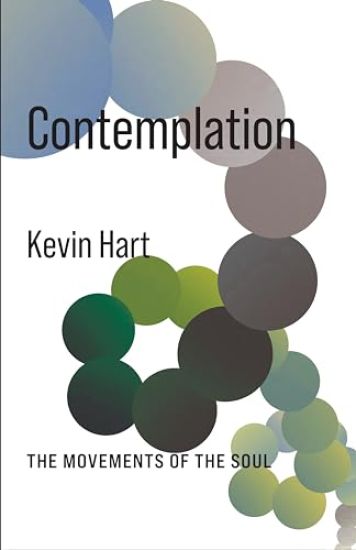
Contemplation

Contemplation

Kevin Hart

Columbia University Press
2024
sidottu
What is contemplation? How is it distinct from meditation? Is contemplation essentially religious or mystical? What should one contemplate, and how? Are there different styles of contemplation, and why should one practice them? Ought we try to lead more contemplative lives?This book offers a philosophical introduction to the theory and practice of contemplation. Kevin Hart examines a variety of religious, aesthetic, and philosophical notions, shedding light on the singular qualities of contemplation. This book spans topics including the spiritual exercises of the ancient Greeks, overlooked aspects of Christian spirituality, and aesthetic contemplation of nature and art. Contemplation ranges from ancient thinkers such as Aristotle, Plato, and Plotinus to Aquinas and other medieval theologians as well as modern philosophers like Kant, Husserl, and Wittgenstein. Though focused on Christianity, it also considers contemplation in other religious traditions, among them Buddhism, Hinduism, Judaism, Islam, and Paganism.Concise and comprehensive, this book provides both religious and nonreligious readers with a foundational understanding of the history and nature of contemplation as well as the benefits of practicing it.
Contemplation

Contemplation

Kevin Hart

Columbia University Press
2024
pokkari
What is contemplation? How is it distinct from meditation? Is contemplation essentially religious or mystical? What should one contemplate, and how? Are there different styles of contemplation, and why should one practice them? Ought we try to lead more contemplative lives?This book offers a philosophical introduction to the theory and practice of contemplation. Kevin Hart examines a variety of religious, aesthetic, and philosophical notions, shedding light on the singular qualities of contemplation. This book spans topics including the spiritual exercises of the ancient Greeks, overlooked aspects of Christian spirituality, and aesthetic contemplation of nature and art. Contemplation ranges from ancient thinkers such as Aristotle, Plato, and Plotinus to Aquinas and other medieval theologians as well as modern philosophers like Kant, Husserl, and Wittgenstein. Though focused on Christianity, it also considers contemplation in other religious traditions, among them Buddhism, Hinduism, Judaism, Islam, and Paganism.Concise and comprehensive, this book provides both religious and nonreligious readers with a foundational understanding of the history and nature of contemplation as well as the benefits of practicing it.
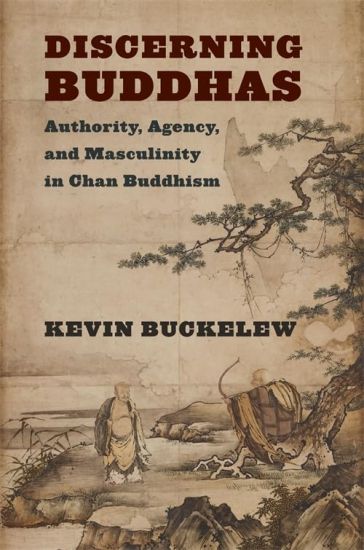
Discerning Buddhas

Discerning Buddhas

Kevin Buckelew

Columbia University Press
2024
sidottu
In Song-period China (960–1279 CE), masters in the Chan (Japanese Zen) school of Buddhism were presented as sources of religious authority on par with the Buddha, an almost unthinkably lofty status before the rise of Chan. This claim carried great rhetorical power, facilitating Chan’s appeal to Buddhist monastics and powerful patrons alike. But it also raised a challenging question for Chan Buddhists, who insisted that buddhahood properly transcends all worldly marks: By what signs could one recognize a Chan master as a buddha?Discerning Buddhas argues that Chan Buddhists wove together tropes of sovereignty, hospitality, and martial heroism drawn from both Buddhist tradition and China’s cultural heritage to develop a distinctive vision of what it meant for a Chan master to be a buddha in Song-period China. Kevin Buckelew analyzes the ways Chan Buddhists deployed such tropes in ritual, literature, and visual culture in order to stage the comparison of Chan mastery with buddhahood. He examines how they used the concept of buddhahood to work through questions about the ideal Chan master’s authority, agency, and masculinity, in the process rendering buddhahood in terms highly legible to elite Chinese society.Chan Buddhists, Buckelew shows, developed their own “signature” of buddhahood, according to which enlightened Chan masters who truly deserved comparison to the Buddha were supposed to be distinguished from everyone else. By exploring the resulting Chan culture of discernment, which raised fundamental questions about Buddhist authority at a pivotal inflection point in Chinese history, this book offers fresh insight into the place of Buddhism in Chinese society.
Discerning Buddhas

Discerning Buddhas

Kevin Buckelew

Columbia University Press
2024
pokkari
In Song-period China (960–1279 CE), masters in the Chan (Japanese Zen) school of Buddhism were presented as sources of religious authority on par with the Buddha, an almost unthinkably lofty status before the rise of Chan. This claim carried great rhetorical power, facilitating Chan’s appeal to Buddhist monastics and powerful patrons alike. But it also raised a challenging question for Chan Buddhists, who insisted that buddhahood properly transcends all worldly marks: By what signs could one recognize a Chan master as a buddha?Discerning Buddhas argues that Chan Buddhists wove together tropes of sovereignty, hospitality, and martial heroism drawn from both Buddhist tradition and China’s cultural heritage to develop a distinctive vision of what it meant for a Chan master to be a buddha in Song-period China. Kevin Buckelew analyzes the ways Chan Buddhists deployed such tropes in ritual, literature, and visual culture in order to stage the comparison of Chan mastery with buddhahood. He examines how they used the concept of buddhahood to work through questions about the ideal Chan master’s authority, agency, and masculinity, in the process rendering buddhahood in terms highly legible to elite Chinese society.Chan Buddhists, Buckelew shows, developed their own “signature” of buddhahood, according to which enlightened Chan masters who truly deserved comparison to the Buddha were supposed to be distinguished from everyone else. By exploring the resulting Chan culture of discernment, which raised fundamental questions about Buddhist authority at a pivotal inflection point in Chinese history, this book offers fresh insight into the place of Buddhism in Chinese society.
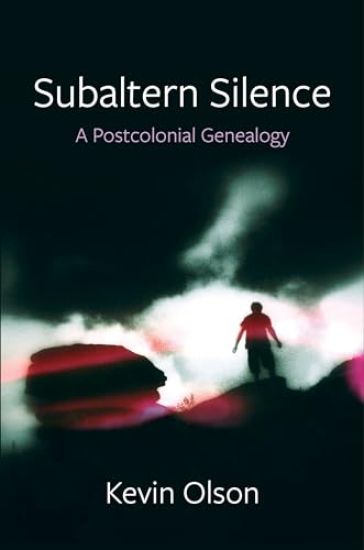
Subaltern Silence

Subaltern Silence

Kevin Olson

Columbia University Press
2024
sidottu
Subordination did not simply fade away in the aftermath of colonialism. Instead, this illuminating book shows, a host of subtle new techniques have arisen that dominate vast categories of people by rendering them silent. Kevin Olson investigates how contemporary societies silence the subaltern: sometimes a literal silencing, often a metaphor for other ways of making people unheard. Such forms of silence make some people invisible, push others to the margins, and devalue the voices and actions of still others.Subaltern Silence traces the development of these techniques to the early years of European colonialism, focusing on Haiti’s revolution and postcolonial trajectory. Exploring rich archives from Europe and the postcolonial world, Olson critiques fundamental modern institutions and technologies, such as the public sphere, the free press, and even progressively minded democratic revolution, as sites of exclusion. With the emergence of postcoloniality, he argues, subordination has become increasingly abstract, virtual, and symbolic. Nonetheless, it lies at the heart of contemporary racial politics, divides Global South from Global North, and allocates privileges and burdens in ways that are often scarcely perceptible. Engaging deeply with the thought of Gayatri Spivak and Michel Foucault, Subaltern Silence offers a new genealogy of colonialism and postcoloniality that is both historically informed and theoretically rich.
Subaltern Silence

Subaltern Silence

Kevin Olson

Columbia University Press
2024
pokkari
Subordination did not simply fade away in the aftermath of colonialism. Instead, this illuminating book shows, a host of subtle new techniques have arisen that dominate vast categories of people by rendering them silent. Kevin Olson investigates how contemporary societies silence the subaltern: sometimes a literal silencing, often a metaphor for other ways of making people unheard. Such forms of silence make some people invisible, push others to the margins, and devalue the voices and actions of still others.Subaltern Silence traces the development of these techniques to the early years of European colonialism, focusing on Haiti’s revolution and postcolonial trajectory. Exploring rich archives from Europe and the postcolonial world, Olson critiques fundamental modern institutions and technologies, such as the public sphere, the free press, and even progressively minded democratic revolution, as sites of exclusion. With the emergence of postcoloniality, he argues, subordination has become increasingly abstract, virtual, and symbolic. Nonetheless, it lies at the heart of contemporary racial politics, divides Global South from Global North, and allocates privileges and burdens in ways that are often scarcely perceptible. Engaging deeply with the thought of Gayatri Spivak and Michel Foucault, Subaltern Silence offers a new genealogy of colonialism and postcoloniality that is both historically informed and theoretically rich.
The Sinner and the Saint

The Sinner and the Saint

Kevin Birmingham

Allen Lane
2021
sidottu
From the acclaimed author of The Most Dangerous Book, the incredible true story behind the creation of a masterpiece of world literature, Fyodor Dostoevsky's Crime and PunishmentIn the summer of 1865, the former exile Dostoevsky found himself trapped in a cheap hotel in Wiesbaden, unable to leave until he'd paid the bill. Having lost the last of his money at the roulette table, his debts hung heavy over his head, his epileptic seizures were worsening, and his wife and beloved brother were dead. Desperate, a story came to him, a way to write himself out of his predicament: the murderer Raskolnikov, the hot, disorienting swirl of St Petersburg, the axe, the terrible crime, and the murderer's paranoia. The book was Crime and Punishment, and from the moment it was published it was a sensation. But how did this haunting tale of guilt come to be, and why does it still hold such a sway over us all these years later? The Sinner and the Saint gives us the story of the creation of a work of literature that has bewitched readers for over a century, and of the two men so central to it: Dostoevsky himself, and Pierre François Lacenaire, a notorious murderer and glamorous egoist who charmed and outraged Paris in the 1830s and whose sensational story provided the germ of the novel. As reports of his trial tore through Europe, readers asked themselves: could the instincts of nihilism, the philosophy inspiring a new generation of Russian revolutionaries, also drive a man to murder? Showing how both men's lives were directed by the intoxicating new ideas swirling around Europe in the nineteenth century, The Sinner and the Saint also reveals why they still appal and entice us today. Thrilling and definitive, this is the story of a masterpiece.
A Short History of Brexit

A Short History of Brexit

Kevin O'Rourke

Pelican
2019
nidottu
'Crisp, clear and quietly devastating' Guardian'Excellent, authoritative, highly readable' Irish TimesA succinct, expert guide to how we got to BrexitAfter all the debates, manoeuvrings, recriminations and exaltations, Brexit is upon us. But, as Kevin O'Rourke writes, Brexit did not emerge out of nowhere: it is the culmination of events that have been under way for decades and have historical roots stretching back well beyond that. Brexit has a history.O'Rourke, one of the leading economic historians of his generation, explains not only how British attitudes to Europe have evolved, but also how the EU's history explains why it operates as it does today - and how that history has shaped the ways in which it has responded to Brexit. Why are the economics, the politics and the history so tightly woven together? Crucially, he also explains why the question of the Irish border is not just one of customs and trade, but for the EU goes to the heart of what it is about. The way in which British, Irish and European histories continue to interact with each other will shape the future of Brexit - and of the continent.Calm and lucid, A Short History of Brexit rises above the usual fray of discussions to provide fresh perspectives and understanding of the most momentous political and economic change in Britain and the EU for decades.