
Kirjahaku
Etsi kirjoja tekijän nimen, kirjan nimen tai ISBN:n perusteella.
1000 tulosta hakusanalla Norbert Lawrence

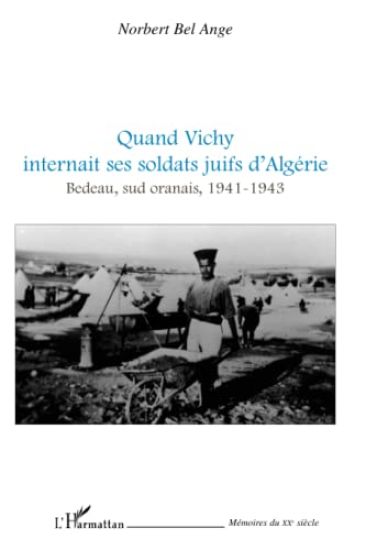
Quand Vichy internait ses soldats juifs d'Algérie
Norbert Belange
Mémoires du XXe siècle
2022
nidottu
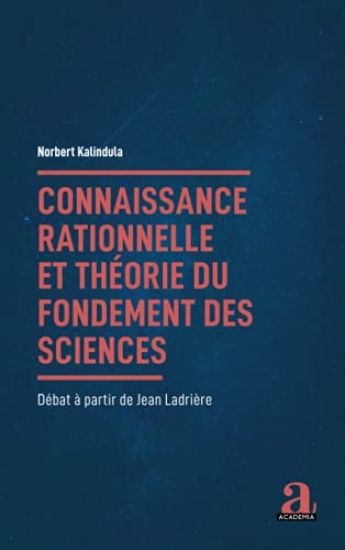
Connaissance rationnelle et théorie du fondement des sciences
Norbert Kalindula
Academia
2025
nidottu
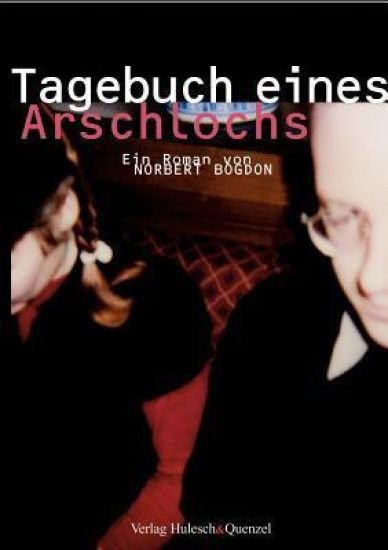
Das Leben des Tagebuchschreibers ist ganz in Ordnung. Die Arbeit verlangt nicht zuviel ab, die Freundin lässt ihm seine Freiheit und das Geld reicht auch. Der Tagebuchschreiber ist einer der Säcke, die glauben, den Durchblick zu haben. Gern führt er mit seinem besten Freund bei reichlich Alkoholika Fachdiskussionen über den Tod und die Verwahrung ausgepuhlter Krabbenschalen oder er grimmt sich über das ungebührliche Benehmen der Menschen. Irgendwie hätte er Lust, sich wieder einmal zu verlieben. Seine Freundin muss davon ja nichts wissen.
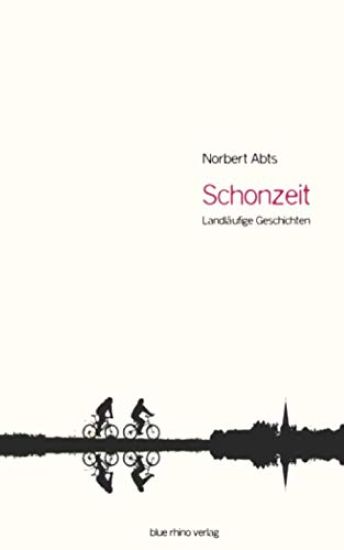
Ein Junge k sst ein M dchen zu Tode, weil er endlich einmal alles richtig machen will. - Einem Hobbyj ger, dem stundenlang die ersehnte Beute verwehrt bleibt, l uft zuf llig ein Liebespaar vor sein Zielfernrohr. - Ein Mann erlebt w hrend eines Sch tzenfest-Kr nungsballs die wundersame Wandlung seiner Frau. - Ein alter Mann ist dem Spott des Dorfes ausgesetzt, weil er nicht aufh ren kann zu lieben."Thomas schaut in den Himmel und durch die Eichenbl tter hindurch sieht er ein Passagierflugzeug in der Sonne funkeln. Wie ein grell leuchtender Stern. Die Triebwerke sto en zwei immer breiter werdende Kondensstreifen aus, die schlie lich zu einem werden. Das Flugzeug fliegt so hoch, dass er es nicht mehr h ren kann. Thomas stellt sich die Menschen da oben vor. Viele tausend Meter ber ihm schauen sie aus ihren Fenstern. Aber ihn k nnen sie nicht sehen. Wahrscheinlich w rden sie nicht einmal sein Dorf erkennen..."Es sind leise Geschichten von lakonischer Beil ufigkeit, die von nicht gelebtem Leben erz hlen, von Menschen, die sich nach etwas sehnen, das ihr Leben ver ndert. Schauplatz dieser Momentaufnahmen ist Glesch, ein Dorf in der Mitte von Deutschland.Inhalt: -Australien-Hinter Gardinen-Schonzeit-Sch ferst ndchen-Kr nungsball-Die Frau im Zug-Warten-M nchen
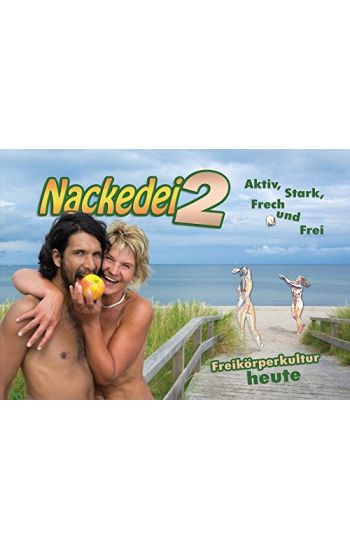
Nackedei 2: Aktiv, Stark, Frech und Frei - Freikörperkultur heute
Norbert Sander
Sander, Norbert
2017
sidottu

Erfolgsgeheimnis Persönlichkeit: Wer bin ich? Was will ich?
Norbert Hermann
Taschenbuch
2019
nidottu

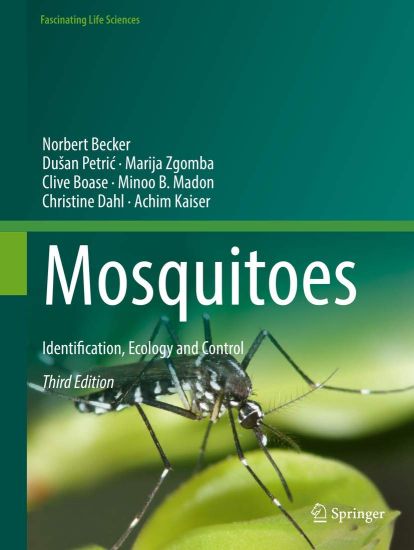
Mosquitoes
Norbert Becker; Dušan Petric; Marija Zgomba; Clive Boase; Minoo B. Madon; Christine Dahl; Achim Kaiser
Springer Nature Switzerland AG
2020
sidottu
“Mosquitoes – Identification, Ecology and Control” presents a wealth of information on the bionomics, systematics, ecology, research techniques and control of both nuisance and disease vector mosquitoes. It provides practical guidance and important information in an easily readable style, suitable for anyone involved with, or interested in mosquitoes and their management.In this new edition, 102 European species including the most important invasive species and more than 100 globally important vector and nuisance species are described. Most of them, including all European species, are presented in the fully illustrated identification keys, followed by a detailed description of the morphology, biology, distribution and medical importance of each species, including over 700 detailed drawings.“Mosquitoes – Identification, Ecology and Control” includes:· systematics and biology· medical significance· research techniques· morphological characteristics used for identification of larvae and adults· illustrated identification keys for larval and adult mosquito genera· morphology, ecology, and distribution of the species identified in the keys· biological, genetic, physical and chemical control of mosquitoes “Mosquitoes – Identification, Ecology and Control” is a valuable tool for vector ecologists, medical entomologists, students and all those involved with mosquito systematics, biology, ecology, and control world-wide. Society as a whole benefit from the implementation of carefully designed and sustainable programs for the management of mosquitoes, and the diseases they transmit. The third edition of this successful publication has been comprehensively updated and expanded, to provide the foundation of a more enlightened and informed approach to mosquito management.
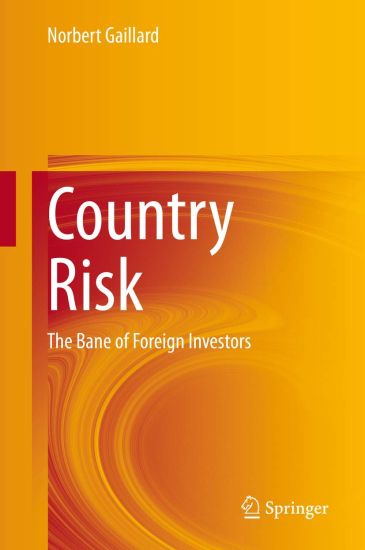
Country risk has been a key notion for economists, financiers, and investors. Norbert Gaillard defines this notion as “any macroeconomic, microeconomic, financial, social, political, institutional, judiciary, climatic, technological, or sanitary risk that affects (or could affect) an investor in a foreign country. Damages may materialize in several ways: financial losses; threat to the safety of the investing company’s employees, clients, or consumers; reputational damage; or loss of a market or supply source.”Chapter 1 introduces the key concepts. Chapter 2 investigates how country risk has evolved and manifested since the advent of the Pax Britannica in 1816. It describes the international political and economic environment and identifies the main obstacles to foreign investment. Chapter 3 documents the numerous forms that country risk may take and provides illustrations of them. Seven broad components of country risk are scrutinized in turn: international political risks; domestic political and institutional risks; jurisdiction risks; macroeconomic risks; microeconomic risks; sanitary, health, industrial, and environmental risks; and natural and climate risks. Chapter 4 focuses on sovereign risk. It presents the rating methodologies used by four raters; next, it measures and compares their performance (i.e., their ability to forecast sovereign defaults). Chapter 5 studies the risks likely to affect exporters, importers, foreign creditors of corporate entities, foreign shareholders, and foreign direct investors. It presents the rating methodologies used by seven raters and measures their track records in terms of anticipating eight types of shocks that reflect the main components of country risk analyzed in Chapter 3.This book will be most relevant to graduate students in economics as well as professional economists and international investors.
Country risk has been a key notion for economists, financiers, and investors. Norbert Gaillard defines this notion as “any macroeconomic, microeconomic, financial, social, political, institutional, judiciary, climatic, technological, or sanitary risk that affects (or could affect) an investor in a foreign country. Damages may materialize in several ways: financial losses; threat to the safety of the investing company’s employees, clients, or consumers; reputational damage; or loss of a market or supply source.”Chapter 1 introduces the key concepts. Chapter 2 investigates how country risk has evolved and manifested since the advent of the Pax Britannica in 1816. It describes the international political and economic environment and identifies the main obstacles to foreign investment. Chapter 3 documents the numerous forms that country risk may take and provides illustrations of them. Seven broad components of country risk are scrutinized in turn: international political risks; domestic political and institutional risks; jurisdiction risks; macroeconomic risks; microeconomic risks; sanitary, health, industrial, and environmental risks; and natural and climate risks. Chapter 4 focuses on sovereign risk. It presents the rating methodologies used by four raters; next, it measures and compares their performance (i.e., their ability to forecast sovereign defaults). Chapter 5 studies the risks likely to affect exporters, importers, foreign creditors of corporate entities, foreign shareholders, and foreign direct investors. It presents the rating methodologies used by seven raters and measures their track records in terms of anticipating eight types of shocks that reflect the main components of country risk analyzed in Chapter 3.This book will be most relevant to graduate students in economics as well as professional economists and international investors.
Transrational Peace Research and Elicitive Facilitation
Norbert Koppensteiner
Springer Nature Switzerland AG
2020
sidottu
This book sheds new light on transrational approaches to peace research and highlights elicitive approaches to facilitation. Rather than encouraging researchers, teachers and practitioners to control and suppress their own positionality, the book argues that they can see themselves as a potential (re)source that can be creatively tapped for their work. Using dance as a central metaphor, it seeks to reposition research and facilitation as a truly experiential process where the entirety of human experiences and epistemologies can be brought into interplay, opening up new sources of knowledge. Providing a cutting-edge theoretical framework and based on his practical experience, the author demonstrates that facilitation and research are not just cognitive, but can also be(come) embodied, emotional, intuitive, relational and spiritual. By proposing a systematic, methodological framework for research and facilitation, the book offers practical guidance for peace practitioners, facilitators and researchers interested in working through all dimensions of their being and engaging with conflict transformation in a holistic way.