Kirjahaku
Etsi kirjoja tekijän nimen, kirjan nimen tai ISBN:n perusteella.
1000 tulosta hakusanalla R L Butler

This study represents a new approach to the analysis of early modern court festivals, setting the question of identity at its heart. It explores identity as it was portrayed, constructed, and upheld through court festivals within the Holy Roman Empire of the German Nation in the period between the Peace of Augsburg in 1555 and the coronation of Friedrich V, Elector Palatine, as King of Bohemia in 1619. Structured thematically, this detailed analysis touches on core themes of early modern European history including state formation, princely courts, gender, religion, science and the natural world, and cultural encounters. In doing so, it draws on, and speaks to, scholarly literature not only from different historical sub-disciplines but also from sociology and anthropology. Ultimately, Morris argues that these court festivals provided a flexible, albeit contested, rhetoric of identity, grounded in the performance of humanist virtue. Through the performed, material, and literary rhetoric of court festivals, the concept of nobility through virtue was reworked, refined, and given a new vocabulary within the German context. This was inextricably linked with politics in light of the reforms made to the Holy Roman Empire at the end of the fifteenth century, the confessional divisions of the sixteenth century, and the mounting tensions of the early seventeenth century which were to culminate in the Thirty Years War.
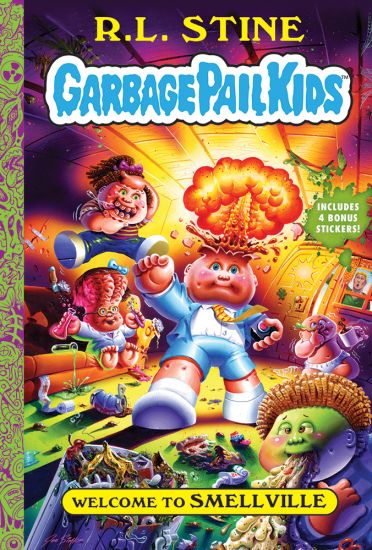
Goosebumps creator R. L. Stine teams up with the pop-culture phenomenon Garbage Pail Kids for a first-ever GPK illustrated middle-grade series Welcome to the town of Smellville, where nine kids all live in a big tumbledown house and have as much fun as they possibly can. People may think that they’re gross and weird and strange, but they’re not bad kids—they just don’t know any better. In this hilarious new series from bestselling author R. L. Stine, the Garbage Pail Kids—from Adam Bomb to Brainy Janie—get into mischief at their middle school, all while battling bullies and their archenemies, Penny and Parker Perfect. These all-new illustrated stories are sure to amuse, entertain, and blow away readers of all ages. Bonus: includes four exclusive Garbage Pail Kids stickers!
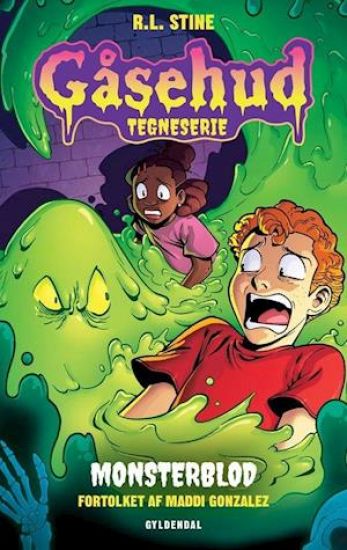
Den klassiske Gåsehud-historie, Monsterblod, er tilbage i en helt ny og uhyggeligt flot tegneserieversion! Nu kan både gamle fans og nye læsere opleve R.L. Stines ikoniske gyser i et visuelt eksplosivt format fyldt med gys, grin og gåsehud. Da Evan finder en gammel dåse med mærkeligt geléagtigt stof, tænker han ikke meget over det. Men snart begynder det grønne snask at vokse. Og vokse. Og vokse. Det er hurtigt ude af kontrol – og det er sultent...
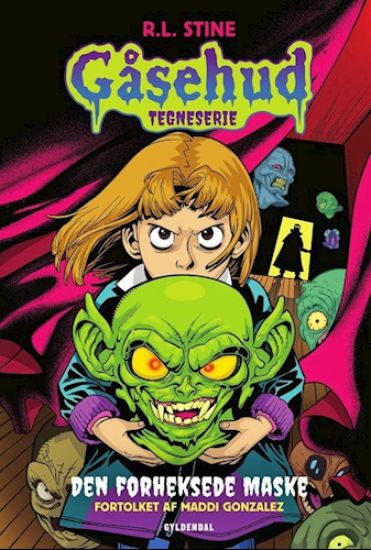
Den klassiske Gåsehud-historie, Den forheksede maske, er tilbage i en helt ny og uhyggeligt flot tegneserieversion! Nu kan både gamle fans og nye læsere opleve R.L. Stines ikoniske gyser i et visuelt eksplosivt format fyldt med gys, grin og gåsehud. Carly Beth er en helt almindelig pige, der finder en skræmmende realistisk maske til halloween. Men da hun tager den på, begynder noget mærkeligt at ske. Hun føler sig stærkere, modigere ... og ondere. Og snart er det ikke længere Carly Beth, der bærer masken – det er masken, der bærer hende ...
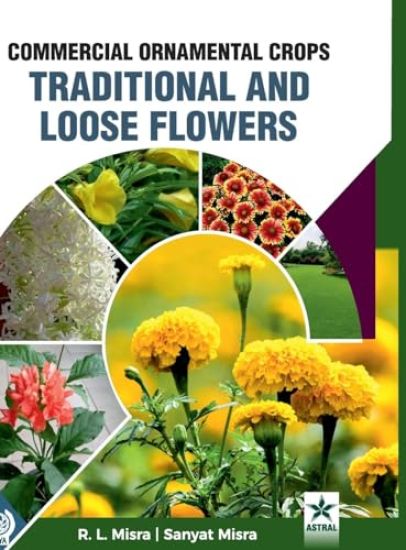
Commercial Ornamental Crops Traditional and Loose Flowers (Edition1st)
R L Misra; Sanyat Misra
Astral International Pvt Ltd
2023
sidottu
This book deals with 43 chapters. Part I deals with 29 most commonly cultivated ornamental crops such as Amaranthus, Annual Chrysanthemum, Asclepias & Calotropis, Barlelia, Celosia argentea, Crossandra, Dahlia, Dianthus, Eranthemum, Ervatamia divaricata, Gaillardia, Gomphrena, Helianthus, Hibiscus, Hymenocallis, Ixora, Jasminum, Lawsonia inermis, Nelumbo, Nerium, Nyctanthes arbortristis, Nymphaea, Paeonia, Pandanus, Polianathes tuberosa, Rosa, Rudbeckia, Tagetes and Thevetia. Each crop is described with its nomenclature, origin, brief history & importance; botany; classification, species and varieties; methods of propagation; cultural practices; manipulation of growth and flowering; postharvest management; and insect-pests, diseases & physiological disorders in a very lucid term. Part II contains 14 chapters on general aspects necessary either for flower growing cum improvement or for value addition cum processing of certain plant-based products. Each crop and aspect is supported with pertinent global works. This is the first book of its kind written worldwide which deals exclusively with Traditional and Loose Flowers as is most prevalent in the Asian countries. However, in western countries though they prioritize the cut flower crops but for garden decoration, bedding, borders, container planting, hedges, rock gardens and pools, and for greenhouse & conservatory plantings they depend largely on such plants. Moreover, ICAR (New Delhi) has also devised curricula for graduate and postgraduate students of floriculture & landscaping, that is why this book has been prepared to act as a ready reckoner not only to the students but also to the teachers, professors and scientists engaged in floricultural activities. This will also prove a comprehensive guide to the horticultural development officers and flower growers worldwide.
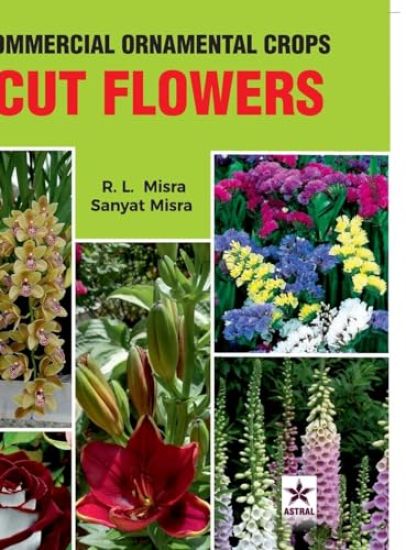
Commercial Ornamental Crops: Cut Flowers (Edition1st)
R L Misra; Sanyat Misra
Astral International Pvt Ltd
2023
sidottu
A book which deals with 36 individual cut flower crops (Achillea, Alstroemeria, Amaryllis & Hippeastrum, Anemone, Anthurium, Antirrhinum, Callistephus chinensis, Campanula, Centaurea, Dahlia, Delphinium, Dendranthema, Dianthus caryophyllus, Digitalis, Eustoma, Gaillardia, Gerbera, Gladiolus, Gypsophila, Helianthus, Heliconia, Iberis, Lilium, Limonium, Matthiola, Narcissus, Orchids, Polianthes tuberosa, Rosa, Salpiglossis, Scabiosa, Solidago, Strelitzia, Tulipa, Zantedeschia and Zinnia), and two separate groups of plants which are either axillary to cut flowers or have included many other individuals to be used as cut flowers, i.e. "Cut Foliage/Cut Greens and Other Fillers" and "Proteaceous Ornamentals". Individual crops have covered almost all the aspects, viz. Introduction, Origin, Uses, Botany, Classification Species and Varieties, Propagation, Cultural Practices soils and bed preparation, planting (season of planting, plant density), irrigation, manuring and fertilization, weeding and where required other practices such as pot cultivation and glasshouse cultivation, growth and development, insects-pests diseases and physiological disorders, postharvest and related references. Apart from the crops, the book is also supported with a comprensive Glossary and Index in the end. In floriculture, no book can cover all the crops entirely under a particular topic due to the crops being innumerable and also as many new crops are being brought out every year but efforts have here been made to cover all the important ones looking into the past publications on the topic, the world scenario, the crop importance, the curriculum of M.Sc. and Ph.D. students worldwide, and as a guide to floricultural scientists & professors. Looking into its coverage and application, this book will work as a most remarkable guide to commercial and enthusiastic growers of cut flower crops worldwide.
Commonly Used Ornamental Plants (Edition1st)
R L Misra; Sanyat Misra
Astral International Pvt Ltd
2023
sidottu
A book which deals with 41 crop chapters, 30 dealing only with common ornamental plants such as Aglaonema, Alstroemeria, Araucaria, Begonia, Bellis, Bougainvillea, Canna, Catharanthus, Codiaeum, Columnea, Dieffenbachia, Euphorbia, Ficus, Fuchsia, Geranium & Pelargonium, Hedera, Holmskioldia, Impatiens, Ixora, Lathyrus, Monstera, Mussaenda, Ornamental Banana, Petunia, Philodendron, Primula, Saintpaulia, Spathiphyllum, Streptocarpus and Viola; and 11 groups of ornamentals such as Annuals with 126 genera, Bromeliads with 34 genera, Cacti with 105 genera, Carnivorous Ornamentals with 12 genera, Ferns and Allied Plants with 53 genera, Flowering Indoor Plants with 188 genera, Foliage Plants with 382 genera, Lawn with 37 genera, Ornamental Gingers with 7 genera, Proteaceous Ornamentals with 12 genera and Succulents other than Cacti with 192 genera. Each crop is detailed with their name derivations, origin, a brief history and uses; botanical description; methods of propagation including micropropagation; classification, species and varieties; cultural practices; manipulation of growth and flowering; postharvest management; and insect-pests, diseases and physiological disorders, supported with succinct account of significant scientific works carried out worldwide. The book is written in a very lucid manner. This book is written to fill up the gap between Cut Flowers and Traditional & Loose Flowers, just to acquaint the people flower growers, horticultural development officers & landscapers, teachers, professors, scientists, and students (B.Tech., M.Sc. and Ph.D.) engaged in pursuit of floriculture and landscaping] about various other important ornamentals worldwide. This has been prepared in a way to meet all the requirements for cultivating these crops with full success.
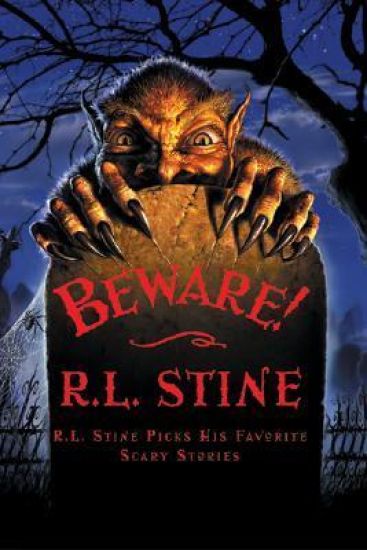
Dim the lights, lock the doors -- and BEWARE! It's time to read R.L. Stine's favorite scary stories. Discover a ghastly secret in "The Judge's House," a terrifying tale of evil rats by Bram Stoker, the author of dracula. Laugh out loud at the scary surprises in poems by Shel Silverstein and Jack Prelutsky. Visit an evil carnival in "The Black Ferris" by Ray Bradbury. (R.L. Stine says this story changed his life!) Within these pages you will find spine-tingling stories by writers and artists who are famous for hair-raising fun. R.L. Stine has selected them just for you, and he has included two new tales of his own!
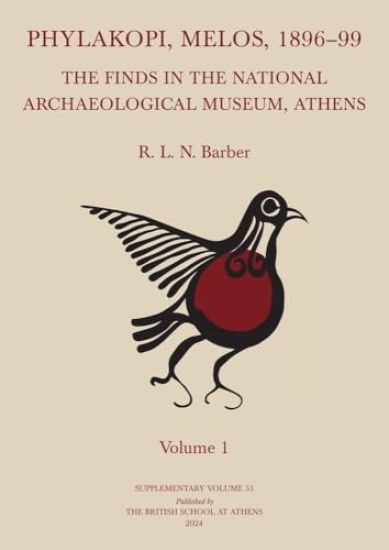
Phylakopi, Melos, 1896–99: The Finds in the National Archaeological Museum, Athens
R L N Barber
British School at Athens
2024
sidottu
The site of Phylakopi on Melos occupies a special place in the prehistory of the Aegean Bronze Age. The first work there by the British School at Athens in 1896–99 (there were two further campaigns, in 1911 and 1974–77) was memorably described by Carl Blegen as ‘the first really serious effort to understand stratification, the first really good excavation in Greece’. The Field Director, Duncan Mackenzie, kept detailed day-to-day records of the work, later applying methods developed on Melos to the excavation of Knossos. The circumstances surrounding the initial excavation permit for Phylakopi and the role of Christos Tsountas, who later organised the Cycladic displays in the National Archaeological Museum in Athens, are here examined in an opening Chapter. Following the 1896–99 excavations, the retained finds were sent to the National Archaeological Museum, where they remain today, thus providing the basis for the studies published here. Although the first publication (1904) of the finds was of exceptional quality for its time — indeed Campbell Edgar’s exemplary account of the pottery provided the foundation of a sequence for the Cyclades — it lacked detailed catalogue descriptions and scale drawings, essential for archaeological analysis and comparison. This double Volume fills such gaps and re-examines the significance of the finds, taking advantage of recent developments in research and scientific techniques. Petrographic, chemical and pXRF analyses clarify the nature and sources of materials used, as well as technological aspects, helping to shed light on relationships with other Cycladic islands, Crete, and the Greek mainland. The coarse and undecorated pottery is fully described for the first time, providing a template for future work. Finds of post-prehistoric date, housed with the Phylakopi material but certainly not from the site, are presented with explanations as to their probable origin in other (unpublished) British School excavations on Melos. Chapters on bone/ivory, metals, and stone all contribute new insights into the discoveries at Phylakopi and their implications for our understanding of the Bronze Age Cyclades and beyond, while the Chapter on weaving undoubtedly has broader relevance to sites elsewhere in the Aegean. A major new study of the physically meagre fresco fragments, illustrated with fine watercolour visualisations, reconstructs the decoration of the Pillar Crypt complex and places it in the context of contemporary Aegean wall painting. Indeed the wealth of illustrations in this publication — line drawings, half-tone and colour plates — will now allow informed comparisons between Phylakopi and other sites of the Bronze Age Aegean.
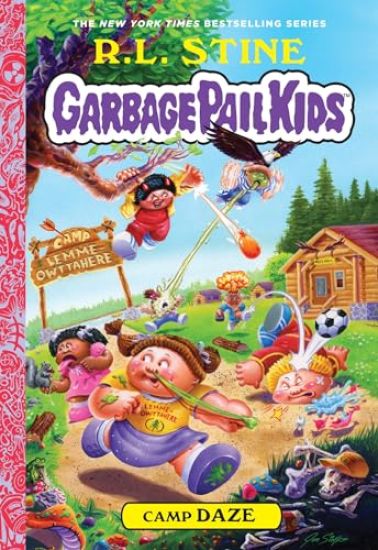
Goosebumps creator R.L. Stine teams up with the pop-culture phenomenon Garbage Pail Kids for Camp Daze, the third volume in this New York Times bestselling middle-grade series featuring illustrations by Jeff Zapata and Joe Simko. The Garbage Pail Kids are off to sleepaway camp. Welcome to the town of Smellville, where 10 kids all live in a big tumbledown house and have as much fun as they possibly can. People may think that they’re gross and weird and slobby and strange, but they’re not bad kids—they just don’t know any better. In this hilarious series from bestselling author R.L. Stine, the Garbage Pail Kids—from Adam Bomb to Brainy Janey—get into mischief at their middle school. These all-new illustrated stories are guaranteed to amuse and entertain readers of all ages. More from the Garbage Pail Kids Series: Welcome to Smellville Thrills and Chills The Garbage Pail Kids Cookbook
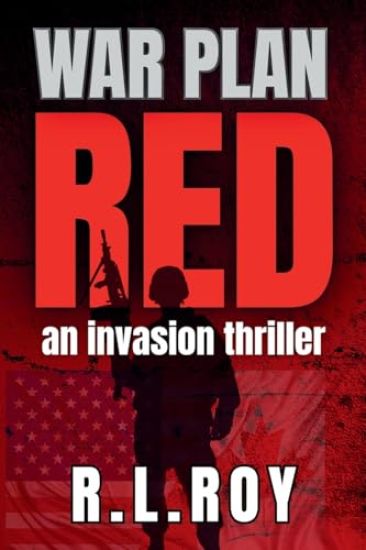
Perfect for fans of John le Carr and Robert Ludlum who want character-driven military fiction that explores the human cost of conflict, not just the technology of war. When a U.S. warship shells a coastal Canadian town, the invasion begins. Retired JTF2 operator Jack Juteau has one priority: reach his sixteen-year-old son in Halifax before the Americans seal the island. Infrastructure is down. Communications are dead. What looks like an isolated strike is a coordinated attack he recognizes immediately. Jack's sister Jamie, a seasoned hunter who survived seventeen years in an abusive marriage, is widowed on the first day of the war. Separated in the chaos, Jack believes she is dead and pushes east, using methods that shatter the life he tried to leave behind. Behind enemy lines, Jamie discovers a traitor feeding intelligence to the Americans. She moves to stop the leak at a devastating personal cost. The fortress survives. She might not. What follows is a pulse-pounding race across occupied Nova Scotia as Jack consolidates resistance forces while Jamie fights to stay alive in enemy custody. Both will be forced to confront impossible choices about loyalty, survival, and how far they'll go to protect what matters most. Family loyalty has a body count.
She's a princess in exile. He's the assassin sent to kill her. And now they're bound by a fae bargain. Princess Eira, a half-fae half-human, only wants freedom for her court and her people. But her stepmother has banished her from the kingdom because of her human bloodline. Now, Eira leads a secret band of rebels, all eager for change. And when an assassin crosses her path, she sees her chance to infiltrate the Winter Court and put an end to her stepmother's rule. Or so she thinks. Theron, the realm's most skilled assassin, has been trapped in a contract with the Queen of the Winter Court for over a decade. Lucky for him, he has one last mission to complete before he is finally free: eliminate the vagabond princess who threatens the queen. But when he tracks her down, she isn't what he expected. She tricks him into a bargain, and now, he is forced to travel alongside her to the Winter Palace. As they journey together, their hatred toward one another shifts, making way for new feelings. Eira realizes Theron is more than just a killer. And Theron discovers that Eira is not the villain the queen had painted her to be. But the queen's hold on Theron is stronger than he thought. And as he starts to fall for Eira, he struggles against the binding magic of his contract with the queen, which demands he fulfill his final assignment. Can Eira achieve her goal of freeing her kingdom? Or will the deadly assassin unravel her plans... and her heart? Crown of Poison is a Snow White retelling with a twist, full of dark fae magic, deadly court schemes, and steamy romance. The Crowns of the Fae books can be read in any order as stand-alone novels. NOTE: Crown of Poison was previously published as Carved in Ice and Glass. This updated edition has been fully rewritten and includes major plot changes and alterations from the original story.
She's a princess in exile. He's the assassin sent to kill her. And now they're bound by a fae bargain. Princess Eira, a half-fae half-human, only wants freedom for her court and her people. But her stepmother has banished her from the kingdom because of her human bloodline. Now, Eira leads a secret band of rebels, all eager for change. And when an assassin crosses her path, she sees her chance to infiltrate the Winter Court and put an end to her stepmother's rule. Or so she thinks. Theron, the realm's most skilled assassin, has been trapped in a contract with the Queen of the Winter Court for over a decade. Lucky for him, he has one last mission to complete before he is finally free: eliminate the vagabond princess who threatens the queen. But when he tracks her down, she isn't what he expected. She tricks him into a bargain, and now, he is forced to travel alongside her to the Winter Palace. As they journey together, their hatred toward one another shifts, making way for new feelings. Eira realizes Theron is more than just a killer. And Theron discovers that Eira is not the villain the queen had painted her to be. But the queen's hold on Theron is stronger than he thought. And as he starts to fall for Eira, he struggles against the binding magic of his contract with the queen, which demands he fulfill his final assignment. Can Eira achieve her goal of freeing her kingdom? Or will the deadly assassin unravel her plans... and her heart? Crown of Poison is a Snow White retelling with a twist, full of dark fae magic, deadly court schemes, and steamy romance. The Crowns of the Fae books can be read in any order as stand-alone novels. NOTE: Crown of Poison was previously published as Carved in Ice and Glass. This updated edition has been fully rewritten and includes major plot changes and alterations from the original story.
ORPHANED. HUNTED. ON THE MENU In the wake of an unthinkable tragedy, a teenage telepath and her gifted brothers witness a meeting between a charismatic businessman and demonic forces planning humanity's extinction. In a race against time, they discover who to trust in a gripping tale of friendship, family, and supernatural survival. The good news? The kids have video proof of the entire event. The bad news? The video may still be in the demon-infested cave, and nobody believes their story. A high-stakes, pulse-pounding thriller awaits. READ WITH CAUTION