Kirjahaku
Etsi kirjoja tekijän nimen, kirjan nimen tai ISBN:n perusteella.
1000 tulosta hakusanalla Rodney A. Ellis
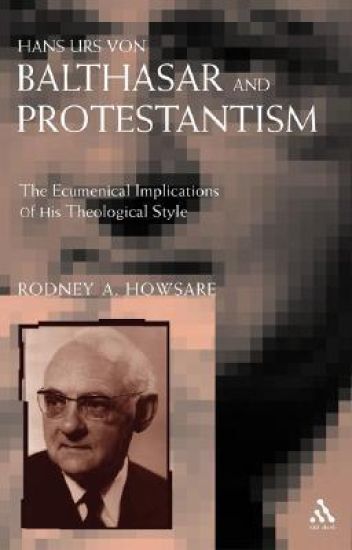
Hans Urs von Balthasar and Protestantism examines Balthasar's engagement with Protestantism, primarily in the persons of Martin Luther and Karl Barth and explores the implications of this engagement for Fundamental Theology. At the very root of Luther's confrontation with the Catholic Church of the late Middle Ages lies his antipathy for Aristotle and for "natural theology". In other words, the Protestant difference has as much to do with its suspicion of the Catholic treatment of faith and reason as it does with the Catholic treatment of faith and works. This is a suspicion that is only exacerbated in Barth's association of the "analogy of being" with the Antichrist. Balthasar takes these criticisms very seriously, and, in addressing them, not only has much of relevance to say about the Catholic-Protestant differences, but also about the Yale-Chicago differences. In short, this study shows how Balthasar's dialogue with Luther and Barth sheds light on the impasse that has arisen between the so-called "correlational" and "revelocentric" schools of contemporary theology. If, indeed, Christ is the "concrete universal," then, it argues, we should not have to decide between the two.
Rodney Thomas addresses the question of whether the book of Revelation was written as an ‘anti-magical' polemic and explores the concept and definition of ‘magic' from both modern and first-century standpoints. Thomas presents the first century as a time dominated by belief in spiritual forces and magical activity which the author of Revelation sought to put into proper perspective. This aim was achieved through a variety of highly creative literary techniques which Thomas examines in this book. At times it is possible to argue that unacceptable magical practices are condemned by being labelled as farmakeia. At other times such practices are carefully placed within the context of Israel's ancient enemies. In addition standard polemical material against magical practices Thomas asserts that it is also possible to identify instances where the author of Revelation wholly appropriates imagery commonly associated with ‘magic' and recasts it into a new Christian context. As a result it is possible to view the magical motifs within Revelation as weighty polemic aimed against certain practices and beliefs in the first century.
The Persuasive Appeal of the Chronicler
Rodney K. Duke
Continuum International Publishing Group Ltd.
2009
nidottu
Drawing on ancient rhetorical principles, this work brings a novel approach to the exploration of the literary dynamics of the books of Chronicles. Contrary to those who have viewed the Chronicler as ploddy and dull, Duke maintains that the Chronicler understood the historiographical demands of his day. Utilizing traditions, genealogical material, speeches of authoritative characters and paradigmatic portrayal of events and characters, and moving from a cautious inductive presentation of his thesis to a more propositional form of argumentation, the Chronicler retold the story of Israel with skill and artistry.
Rodney Thomas addresses the question of whether the book of Revelation was written as an ‘anti-magical' polemic and explores the concept and definition of ‘magic' from both modern and first-century standpoints. Thomas presents the first century as a time dominated by belief in spiritual forces and magical activity which the author of Revelation sought to put into proper perspective. This aim was achieved through a variety of highly creative literary techniques which Thomas examines in this book. At times it is possible to argue that unacceptable magical practices are condemned by being labelled as farmakeia. At other times such practices are carefully placed within the context of Israel's ancient enemies. In addition standard polemical material against magical practices Thomas asserts that it is also possible to identify instances where the author of Revelation wholly appropriates imagery commonly associated with ‘magic' and recasts it into a new Christian context. As a result it is possible to view the magical motifs within Revelation as weighty polemic aimed against certain practices and beliefs in the first century.


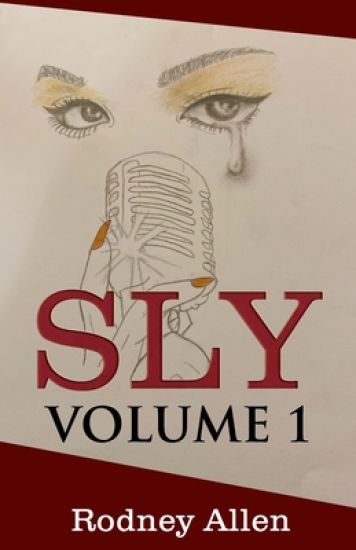
Sylvia Whitmore, known to the world as SLY, is an aspiring young rapper from Gary, Indiana. With the encouragement of her parents, she is determined to do whatever it takes to be the best rapper of all time. Her quick rise to stardom surprised everyone, including herself. Each time SLY graced the microphone, her confidence soared, as she spits bar after bar.Then, the unthinkable happened. During a night that was supposed to be the most memorable, festive event of her early career, the young phenom was literally fighting for her life. The world is left wondering if SLY will ever return to her superstar form again. SLY, Volume 1, is a compelling story of willpower, determination, and family unity.
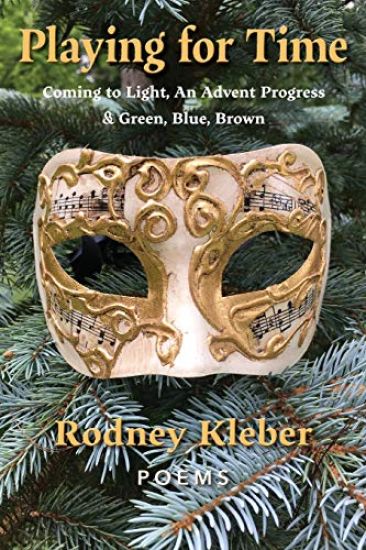
Playing for Time offers (1) the critical preface Pace, Pacem, advocating the need for poetry to be democratic, inclusive, and empathetic toward all readers, the way Shakespeare, Whitman, and Frost have been; (2) twenty-eight poems in the framework of a play, Coming to Light, An Advent Progress, featuring six engaging "Voices"; and (3) twenty-seven more poems featuring a singular voice that also invites the reader to participate in a progress, that of Green, Blue, Brown.
28th century Humanity has been long divided between the centralized government of the Inner Worlds and the defiant, independent Far Worlds. As social unrest and famines force "The Great Reunion", a young woman and her friends find themselves escaping the snare of a brutal "justice" system while pondering what it means to be free amidst an ever growing, tyrannical universe.
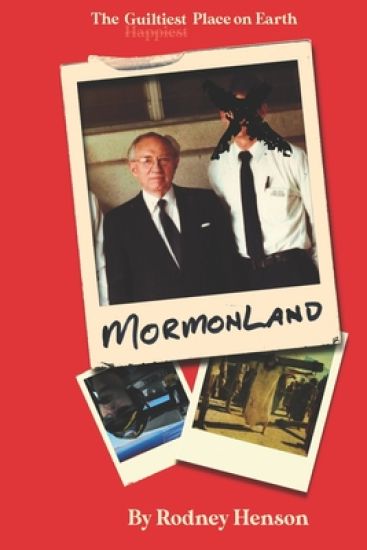
Mormonland is the raw confessional memoir of a Mormon boy who grew up in a small western town and pursued the Hollywood dream. He devoted five decades of his life to a church filled with highly questionable doctrine, troubling temple rituals, and never-ending expectations. His story may not differ from a lot of other Mormon boys, except for the fact that he's telling it.





Codeword: Apollyon shows terrorism's "second wave"—following the bombings of the World Trade Center and Pentagon on September 11th, 2001, from the microcosmic perspective of two US intelligence officers who seek out local terrorists in their midst, fall in love, and put their lives in the balance...as did the brave souls during "9-1-1."