Kirjojen hintavertailu. Mukana 11 393 055 kirjaa ja 12 kauppaa.

Kirjahaku

Etsi kirjoja tekijän nimen, kirjan nimen tai ISBN:n perusteella.

1000 tulosta hakusanalla Steven M. Cahn

Practical Mapping for Applied Research and Program Evaluation

Practical Mapping for Applied Research and Program Evaluation

Bernadette M. Wright; Steven E. Wallis

SAGE Publications Inc
2019
nidottu
Practical Mapping for Applied Research and Program Evaluation is the first book to bring the mapping methodology to social research and program evaluation. Bernadette Wright and Steven E. Wallis guide readers through all phases of the research process: learning from stakeholder experience; reviewing existing knowledge in the field; conducting new data collection such as interviews; collaborating with other researchers; and facilitating the use of knowledge for communication, collaboration, and action. With plenty of illustrations and navigational aids such as "travel tips," the book is an accessible guide for busy students, researchers, and managers of all levels of experience.
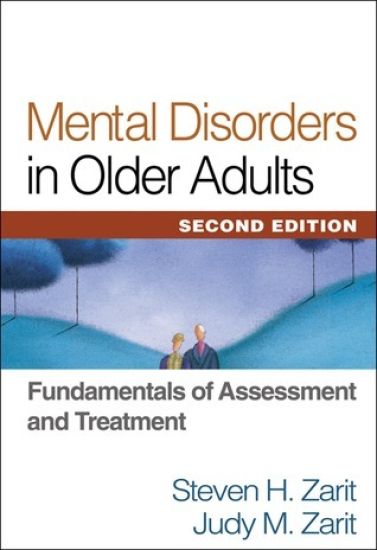
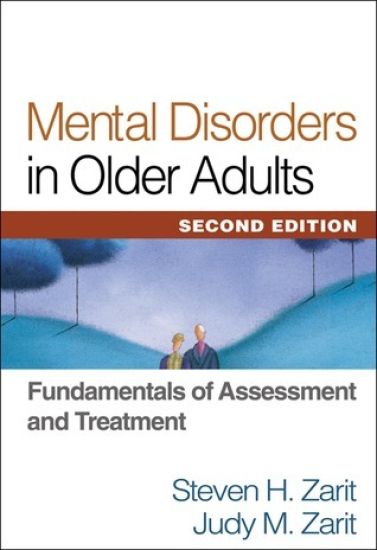
Mental Disorders in Older Adults, Second Edition

Mental Disorders in Older Adults, Second Edition

Steven H. Zarit; Judy M. Zarit

Guilford Publications
2006
sidottu
Illustrated with abundant clinical material, this book provides essential knowledge and skills for effective mental health practice with older adults. It demonstrates how to evaluate and treat frequently encountered clinical problems in this population, including dementias, mood and anxiety disorders, and paranoid symptoms. Strategies are presented for implementing psychosocial interventions and integrating them with medications. The book also describes insightful approaches for supporting family caregivers and addresses the nuts and bolts of consulting in institutional settings. Combining their expertise as a researcher and an experienced clinician, the authors offer a unique perspective on the challenges facing older adults and how to help them lead more fulfilling and independent lives. Three reproducible forms can also be downloaded and printed in a convenient 8 1/2" x 11" size.
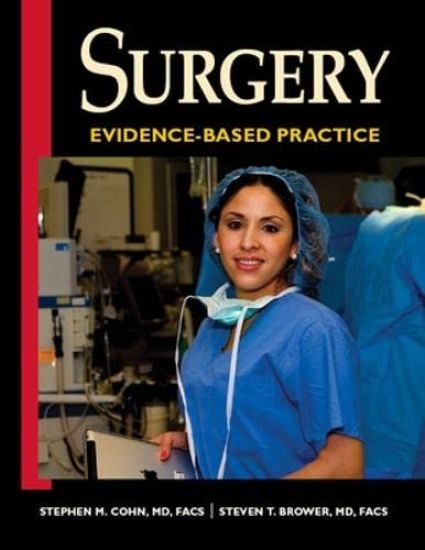
Elective General Surgery: An Evidence-Based Approach

Elective General Surgery: An Evidence-Based Approach

Stephen M. Cohn; Steven T. Brower

PMPH-USA Limited
2012
sidottu
A guide to “when to” and “what to” rather than “how to”, this book provides evidence-based surgical reviews to provide credible answers to age-old surgical management questions. The management issues presented are oriented toward interventions and use evidence-based techniques to assess the safety and efficacy of new treatments and rehabilitative or preventative interventions.Each chapter is organised around the key questions essential to delineating the current status of evidence related to the subject reviewed. Publications from the past decade are cited that provide Level I and II evidence using the Oxford scale. Throughout Elective General Surgery, careful assessment of the validity of intervention studies and the strength of the evidence that they provide underlies the choices of cited publications.The information presented in this volume guides the scientific surgeon in providing state-of-the-art care and in optimizing the use of medical resources without losing sight of the need to address the unique needs of individual patients.
Mental Disorders in Older Adults, Second Edition

Mental Disorders in Older Adults, Second Edition

Steven H. Zarit; Judy M. Zarit

Guilford Publications
2011
nidottu
Illustrated with abundant clinical material, this book provides essential knowledge and skills for effective mental health practice with older adults. It demonstrates how to evaluate and treat frequently encountered clinical problems in this population, including dementias, mood and anxiety disorders, and paranoid symptoms. Strategies are presented for implementing psychosocial interventions and integrating them with medications. The book also describes insightful approaches for supporting family caregivers and addresses the nuts and bolts of consulting in institutional settings. Combining their expertise as a researcher and an experienced clinician, the authors offer a unique perspective on the challenges facing older adults and how to help them lead more fulfilling and independent lives. Three reproducible forms can also be downloaded and printed in a convenient 8 1/2 x 11 size.
Key Techniques in Orthopaedic Surgery

Key Techniques in Orthopaedic Surgery

Steven H. Stern; Christopher M. Bono; Matthew D. Saltzman

Thieme Medical Publishers Inc
2018
sidottu
Key Techniques in Orthopaedic Surgery, 2nd Edition, by Steven Stern, Matthew Saltzman, and Christopher Bono provides a fully updated, easy-to-follow orthopaedics reference. The book encompasses a full spectrum of core orthopaedic procedures impacting pediatric to adult patients. Unlike dense orthopaedic tomes, the straightforward, streamlined approach makes this reference the ideal operating room companion. For each of the 60 procedures, the authors include numbered, step-by-step guidance. This is augmented with more than 300 high-quality black and white line drawings illustrating techniques. In addition to consistently formatted surgery procedures, each chapter includes indications; contraindications; preoperative preparation; special instruments, position, and anesthesia; clinical tips and pearls; pitfalls to avoid; postoperative care issues; and suggested reading. From the foot and ankle to the cervical spine, procedures cover a wide range of acquired and degenerative conditions. Key Features Open and arthroscopic shoulder approaches including rotator cuff repair, Latarjet, Bankart, hemiarthroplasty/reverse shoulder arthroplasty for proximal humerus fractures, and total shoulder arthroplastyManagement of arm, elbow, and hand conditions including compartment syndrome of the forearm, carpal tunnel syndrome, olecranon and radial head/neck fractures, thumb metacarpal fractures, and distal radius fracturesEssential techniques for treating hip fractures, hybrid and uncemented total hip arthroscopy, hemiarthroplasty,and pediatric hip aspirationCore knee and leg procedures including ACL repair, total and medial unicompartmental knee arthroplasty, and repair of tibial shaft, femoral shaft, and patella fracturesThe use of pedicle screws, fusions, decompression, disc arthroplasty, discectomy, and vertebrectomy, for cervical and lumbar spine pathologiesThe succinct, reader-friendly format emphasizes technique and is designed to allow readers to quickly review and absorb salient procedural steps. Orthopaedic residents and surgeons alike will benefit from this must-have rounds and OR resource.
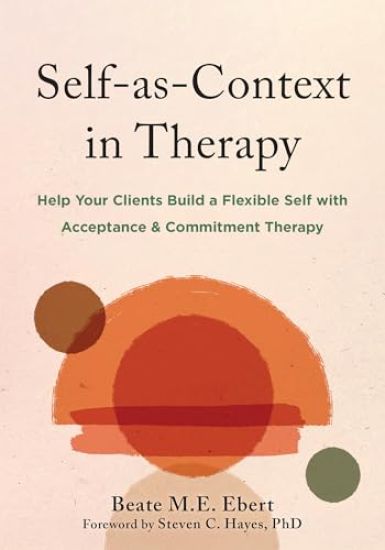
Self-as-Context in Therapy

Self-as-Context in Therapy

Beate M. Ebert; Steven C. Hayes

Context Press
2026
pokkari
Gain a deeper understanding of self-as-context, learn practical interventions, and help your clients thrive.Self-as-context is one of the most important of the six core processes of acceptance and commitment therapy (ACT), yet it is also one of the least understood. Many therapists struggle to fully implement it in their practice--perhaps due to a lack of concrete techniques for real world application--or they may become stuck when facing roadblocks in-session. So how can you gain a deeper understanding of self-as-context as a behavior and learn practical interventions for empowering clients with this essential capacity? Self-as-Context in Therapy takes a challenging concept and translates it into an accessible, actionable process for helping clients cultivate a more flexible self and take valued action. You will start with an exploration of how the self develops, and the clinical implications of inhibiting factors in this process. You'll also learn about three useful aspects of experiencing our self--self-as-process, self-as-content, and self-as-context--and how to recognize when self-as-context work is beneficial in therapy. Finally, the book offers simple strategies to train clients in self-as-context, so they can integrate key lessons and techniques into their daily lives. With clear examples of how to apply self-as-context to common causes of suffering such as grief and loss, burnout, stress, addiction, depression, as well as the challenges of parenting and relationships, you will come away with concrete skills for helping clients improve their lives. If you're looking for resources to help your clients embrace new possibilities and move toward a life more deeply aligned with their values, this comprehensive guide can help you get started.
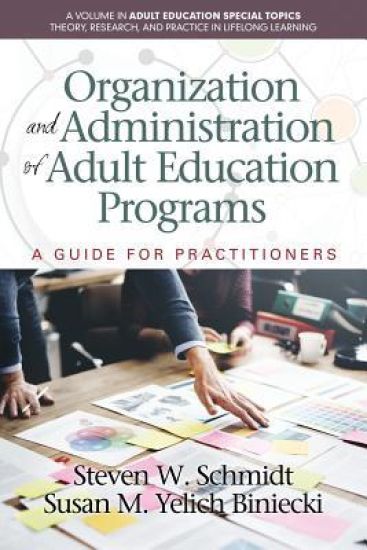
Organization and Administration of Adult Education Programs

Organization and Administration of Adult Education Programs

Steven W. Schmidt; Susan M. Yelich Biniecki

Information Age Publishing
2016
nidottu
Administrators of adult education programs work in dynamic and ever-changing environments. They are continually challenged with a myriad of issues related to program budgeting, marketing, strategic planning, funding, human resources, and other topics. With decades of real world experience in the field, Steven Schmidt and Susan Yelich Biniecki have developed a practical guide for those who are involved in the organization and administration of educational programs for adults. Whether you work in the human resource department of a corporation, a grass-roots community organization, a higher education unit, a consulting company, or any other type of organization that provides adult education, this book is for you. In a no-nonsense approach, Organization and Administration of Adult Education Programs: A Guide for Practitioners “talks” to you as an administrator about topics that are important to you. Guidelines, processes, and procedures discussed in the book can help to make you a more effective practitioner. Scenarios, role plays, and activities are also included for classroom use and personal reflection.
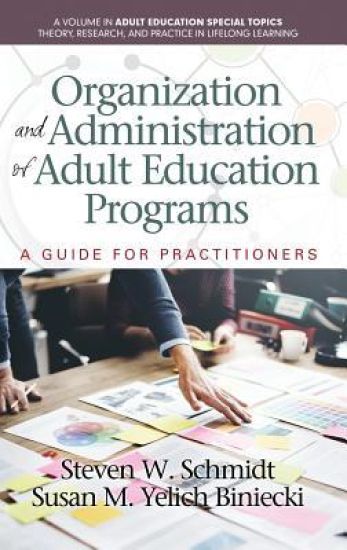
Organization and Administration of Adult Education Programs

Organization and Administration of Adult Education Programs

Steven W. Schmidt; Susan M. Yelich Biniecki

Information Age Publishing
2016
sidottu
Administrators of adult education programs work in dynamic and ever-changing environments. They are continually challenged with a myriad of issues related to program budgeting, marketing, strategic planning, funding, human resources, and other topics. With decades of real world experience in the field, Steven Schmidt and Susan Yelich Biniecki have developed a practical guide for those who are involved in the organization and administration of educational programs for adults. Whether you work in the human resource department of a corporation, a grass-roots community organization, a higher education unit, a consulting company, or any other type of organization that provides adult education, this book is for you. In a no-nonsense approach, Organization and Administration of Adult Education Programs: A Guide for Practitioners “talks” to you as an administrator about topics that are important to you. Guidelines, processes, and procedures discussed in the book can help to make you a more effective practitioner. Scenarios, role plays, and activities are also included for classroom use and personal reflection.
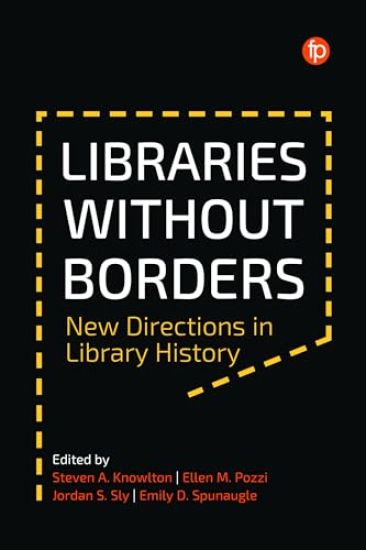
Libraries Without Borders

Libraries Without Borders

Steven A. Knowlton; Ellen M. Pozzi; Jordan S. Sly; Emily D. Spunaugle

FACET PUBLISHING
2024
nidottu
Demonstrating how librarianship has been and continues to be a practice of pushing beyond definitions and preconceptions, the inspiring and informative histories in this volume chronicle library workers and users who strived towards making libraries more diverse, equitable, and inclusive. What does it mean for a library to be without borders? This remarkable collection of essays, drawn from the Library History Seminar sponsored by the Library History Round Table (LHRT), explores the roles that libraries have played in the communities they serve, well beyond the stacks and circulation desk. The research contained in these pages shows how librarians and users can not only reach beyond the border separating professionals from patrons, but also across institutional boundaries separating different specializations within the profession, and outside traditional channels of knowledge acquisition and organization. Delving into a variety of goals, approaches, and practices, all with the intention of fostering community and providing information, this collection's fascinating topics include:a critique of library history as it is currently conducted, pointing out the borders of habit, familiarity, and bias that thwart diversity within library and information studies;stories of the community-based activism that has been key to battling the “epistemicide” that can undermine collective understandings about the world and the interests of African American library users;profiles of current Indigenous library practitioners who are both documenting and creating library history;a grassroots movement to create a comprehensive collection related to the theology and practice of the Society of Mary at the time of great ecclesiastical and liturgical changes;histories of the innovations which led to the Association of Bookmobile and Outreach Services and the Instruction Section of ACRL;using the “due date” as a lens for understanding how patrons and the general public feel about the role of libraries and their rules in the lives of average Americans;how the federal Foreign Agents Registration Act influenced the work of research libraries that collected materials from the Communist Bloc; anda primer on conducting research in library history that will allow readers to explore how libraries in their own communities have affected the lives of their users.
Under the 13th Star: Selected Short Fiction, Non-fiction Poetry and Prose from The Association of Rhode Island Authors

Under the 13th Star: Selected Short Fiction, Non-fiction Poetry and Prose from The Association of Rhode Island Authors

Steven R. Porter; Lenore M. Rheaume

Createspace Independent Publishing Platform
2017
nidottu
Selected short fiction, nonfiction, poetry & prose from The Association of Rhode Island Authors: Lenore M. Rheaume, Steven R. Porter, Al Bettencourt, Jimmy Gyasi Boateng, Helen Burke, Paul F. Caranci, R.N. Chevalier, Kathy Clark, Jane F. Collen, JEssica M. Collette, Norman Desmarais, Leo C. Frisk, Jr. L.A. Jacob, Debbie Kaiman Tillinghast, Deborah Katz, Lawrence J. Krips, Susan Letendre, Frances L. O'Donnell, Christie O'Neil Harrison, Joanne Perella, Mark Perry, Joni Pfeiffer-Moser, Dawn M. Porter, Victor C. Rudowski, Edward Taylor, Tom Trabulsi, Barbara Ann Whitman and Bruce Wilcox.
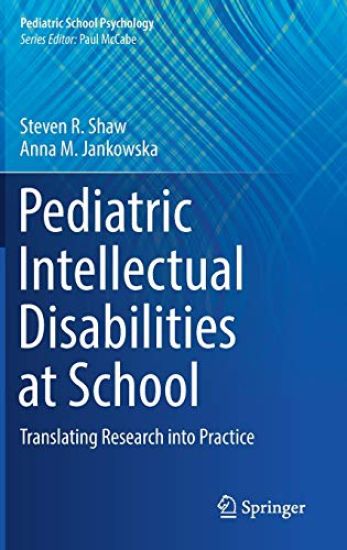
Pediatric Intellectual Disabilities at School

Pediatric Intellectual Disabilities at School

Steven R. Shaw; Anna M. Jankowska

Springer Nature Switzerland AG
2018
sidottu
This book synthesizes the most current evidence-based research and practices on prevention, assessment, intervention, and treatment of pediatric intellectual developmental disabilities. It provides a broad empirical framework for innovative practices and discusses their possible impact on children’s future development, ability to learn, social skills, and quality of life. The book highlights important findings in cognitive and behavioral development for children with such disorders as 22q13 Deletion syndrome (i.e., Phelan McDermid syndrome), Prader-Willi syndrome, Williams syndrome, and sex chromosome disorders (e.g., Klinefelter syndrome) – children often considered untestable, unteachable, and unknowable. In addition, the book includes case studies that emphasize a team approach with physicians, families, school psychologists, and teachers for providing quality research-based psychological, educational, and mental health services. Topics featured in this book include:Up-to-date findings on the causes and symptoms of intellectual disability disorders.Common medical treatments for children with intellectual disabilities.Therapeutic interventions for children with intellectual disabilities.Psychoeducational assessment practices for children requiring special education assistance.Future directions to support people with intellectual disabilities. Pediatric Intellectual Disabilities at School is a must-have resource for researchers, graduate students, and other professionals in child and school psychology, psychiatry, social work, special and general education, public health, and counseling.
The Yale Swallow Protocol

The Yale Swallow Protocol

Steven B. Leder; Debra M. Suiter

Springer International Publishing AG
2014
nidottu
The Yale Swallow Protocol is an evidence-based protocol that is the only screening instrument that both identifies aspiration risk and, when passed, is able to recommend specific oral diets without the need for further instrumental dysphagia testing. Based upon research by Drs. Steven B. Leder and Debra M. Suiter, an easily administered, reliable and validated swallow screening protocol was developed and can be used by speech-language pathologists, nurses, otolaryngologists, oncologists, neurologists, intensivists and physicians assistants. In addition, the protocol can be used in a variety of environments, including acute care, rehabilitation and nursing homes. The Yale Swallow Protocol meets all of the criteria necessary for a successful screening test, including being simple to administer, cross-disciplinary, cost effective, acceptable to patients and able to identify the target attribute by giving a positive finding when aspiration risk is present and a negative finding when aspiration risk is absent. Additionally, early and accurate identification of aspiration risk can significantly reduce health-care costs associated with recognized prandial aspiration.
Ultrasound in Synthesis

Ultrasound in Synthesis

Steven V. Ley; Caroline M.R. Low

Springer-Verlag Berlin and Heidelberg GmbH Co. K
2011
nidottu
The effects of heat and light on chemical reactions have long been known and un­ derstood. Ultrasound has been known to promote chemical reactions for the past 60 years, but despite this, it did not attract the attention of synthetic chemists until recently. This arose historically from early studies which concentrated almost exclu­ sively on reactions in aqueous media and was also, in some measure, due to the availability of suitable technology. Since the early 1980s a plethora of literature has appeared of direct interest to synthetic chemists and the field has been developing rapidly. The aim of this book is to bring the background of this fascinating field to the atten­ tion of a wider audience. It explores the literature to date and attempts to indicate other areas in which ultrasound may be exploited. It also hopes to explode some of the myths surrounding this area which have hitherto been regarded by the synthetic community as a bit of a black art! Existing books and reviews have tended to concentrate on the physics of sonochem­ istry and to catalogue the instances in which ultrasound has proved useful in tack­ ling synthetic problems. Our aim has been to stress the relevance of this technique to synthetic chemists and we have included a section which deals with the practical aspects of carrying out these reactions.
Merit Pay

Merit Pay

Steven E. Williams; Jon M. Wener; Robert L. Heneman

Emerald Publishing Limited
2026
sidottu
The world of work has changed considerably since the second edition of Merit Pay was published. Advances in technology, changes in job design, alternate forms of work processes, differences in workforce demographics form many of these changes. In addition, compensation (in general) and merit pay (in particular) also have experienced changes based on these trends and events. The third edition addresses how these occurrences have introduced new theory and research impacting merit pay plans. While much has changed in the compensation world since the second edition, merit pay remains popular – with perhaps as many as 90% of U.S. firms using it despite its controversial nature. The timeliness of this edition could not be better, occurring on the heels of major events and trends. Readers will benefit from over 230 new references added to the third edition. Moreover, this edition provides study questions and case studies to increase understanding of concepts, principles, and applications. Finally, in selected areas of the book, we added a new feature - current events in merit pay. These events explore innovative and often provocative subjects, aiming to leave readers with meaningful ideas to reflect upon. Merit Pay is essential reading for undergraduate and graduate students studying compensation administration, as well as professionals working in pay administration, human resource management, industrial and organizational psychology, and labor economics.
Merit Pay

Merit Pay

Steven E. Williams; Jon M. Wener; Robert L. Heneman

Emerald Publishing Limited
2026
nidottu
The world of work has changed considerably since the second edition of Merit Pay was published. Advances in technology, changes in job design, alternate forms of work processes, differences in workforce demographics form many of these changes. In addition, compensation (in general) and merit pay (in particular) also have experienced changes based on these trends and events. The third edition addresses how these occurrences have introduced new theory and research impacting merit pay plans. While much has changed in the compensation world since the second edition, merit pay remains popular – with perhaps as many as 90% of U.S. firms using it despite its controversial nature. The timeliness of this edition could not be better, occurring on the heels of major events and trends. Readers will benefit from over 230 new references added to the third edition. Moreover, this edition provides study questions and case studies to increase understanding of concepts, principles, and applications. Finally, in selected areas of the book, we added a new feature - current events in merit pay. These events explore innovative and often provocative subjects, aiming to leave readers with meaningful ideas to reflect upon. Merit Pay is essential reading for undergraduate and graduate students studying compensation administration, as well as professionals working in pay administration, human resource management, industrial and organizational psychology, and labor economics.
Revel for The Heritage of World Civilizations, Combined Volume -- Access Card

Revel for The Heritage of World Civilizations, Combined Volume -- Access Card

Albert M. Craig; William A. Graham; Donald M. Kagan; Steven Ozment; Turner Frank

PEARSON EDUCATION (US)
2015
lisenssiavain
REVEL™ for The Heritage of World Civilizations provides an accessible overview of Asian, African, Middle Eastern, European, and American civilizations with an emphasis on the role played by the world's great religious and philosophical traditions throughout history. Leading scholars in their respective fields, the authors empower students to view the events and processes that have shaped our increasingly interdependent world through a comparative, global lens. REVEL is Pearson’s newest way of delivering our respected content. Fully digital and highly engaging, REVEL offers an immersive learning experience designed for the way today's students read, think, and learn. Enlivening course content with media interactives and assessments, REVEL empowers educators to increase engagement with the course, and to better connect with students. NOTE: REVEL is a fully digital delivery of Pearson content. This ISBN is for the standalone REVEL access card. In addition to this access card, you will need a course invite link, provided by your instructor, to register for and use REVEL.
Organized Innovation

Organized Innovation

Steven C. Currall; Ed Frauenheim; Sara Jansen Perry; Emily M. Hunter

Oxford University Press Inc
2014
sidottu
An innovation gap has emerged as American universities have focused on basic research and industry has concentrated on incremental product development. This gap has widened in recent decades, and the country has failed to close the gap in large part because of three myths-that innovation is about lone geniuses, the free market, and serendipity. It is time to embrace a new solution. In Organized Innovation: How Universities Can Join Forces with Business and Government to Renew America's Prosperity, Currall, Frauenheim, Perry, and Hunter provide a framework for optimizing the way America creates, develops, and commercializes technology breakthroughs. A blueprint for leaders in universities, business, and government, Organized Innovation addresses the innovation gap before us, builds upon the collaborative, brokered way that innovation happens best, and explains how these new discoveries can be most effectively put into practice today to the benefit of both our country and the world. The Organized Innovation framework is grounded in the authors' nearly decade-long study of lessons from a little-known but highly successful federal research program. Over the past quarter-century, the Engineering Research Center program has returned to the U.S. economy 10 times the funding invested in it. Detailed cases from the ERCs are used to bring to life the elements of the Organized Innovation framework.
Neoclassical Realist Theory of International Politics

Neoclassical Realist Theory of International Politics

Norrin M. Ripsman; Jeffrey W. Taliaferro; Steven E. Lobell

Oxford University Press Inc
2016
sidottu
Since Gideon Rose's 1998 review article in the journal World Politics and especially following the release of Lobell, Ripsman, and Taliaferro's 2009 edited volume Neoclassical Realism, the State, and Foreign Policy, neoclassical realism has emerged as major theoretical approach to the study of foreign policy on both sides of the Atlantic. Proponents of neoclassical realism claim that it is the logical extension of the Kenneth Waltz's structural realism into the realm of foreign policy. In Neoclassical Realist Theory of International Relations, Norrin M. Ripsman, Jeffrey W. Taliaferro, and Steven E. Lobell argue that neoclassical realism is far more than an extension of Waltz's structural realism or an effort to update the classical realism of Hans Morgenthau, E.H. Carr, and Henry Kissinger with the language of modern social science. Rejecting the artificial distinction that Waltz draws between theories of international politics and theories of foreign policy, the authors contend neoclassical realism can explain and predict phenomena ranging from short-term crisis-behavior, to foreign policy, to patterns of grand strategic adjustment by individual states up to long-term patterns of international outcomes. It is, therefore, a more powerful theory of international politics than structural realism. Yet it is also a more intuitively satisfying approach than liberal Innenpolitik theories or constructivism. The authors detail the variables and assumptions of neoclassical realist theory, address various aspects of theory construction and methodology, lay out the areas of convergence and sharp disagreement with other leading theoretical approaches -- liberalism, constructivism, analytic eclecticism, and foreign policy analysis (FPA) --- and demonstrate how neoclassical realist theory can be used to resolve longstanding puzzles and debates in international relations theory.
Neoclassical Realist Theory of International Politics

Neoclassical Realist Theory of International Politics

Norrin M. Ripsman; Jeffrey W. Taliaferro; Steven E. Lobell

Oxford University Press Inc
2016
nidottu
Since Gideon Rose's 1998 review article in the journal World Politics and especially following the release of Lobell, Ripsman, and Taliaferro's 2009 edited volume Neoclassical Realism, the State, and Foreign Policy, neoclassical realism has emerged as major theoretical approach to the study of foreign policy on both sides of the Atlantic. Proponents of neoclassical realism claim that it is the logical extension of the Kenneth Waltz's structural realism into the realm of foreign policy. In Neoclassical Realist Theory of International Relations, Norrin M. Ripsman, Jeffrey W. Taliaferro, and Steven E. Lobell argue that neoclassical realism is far more than an extension of Waltz's structural realism or an effort to update the classical realism of Hans Morgenthau, E.H. Carr, and Henry Kissinger with the language of modern social science. Rejecting the artificial distinction that Waltz draws between theories of international politics and theories of foreign policy, the authors contend neoclassical realism can explain and predict phenomena ranging from short-term crisis-behavior, to foreign policy, to patterns of grand strategic adjustment by individual states up to long-term patterns of international outcomes. It is, therefore, a more powerful theory of international politics than structural realism. Yet it is also a more intuitively satisfying approach than liberal Innenpolitik theories or constructivism. The authors detail the variables and assumptions of neoclassical realist theory, address various aspects of theory construction and methodology, lay out the areas of convergence and sharp disagreement with other leading theoretical approaches -- liberalism, constructivism, analytic eclecticism, and foreign policy analysis (FPA) --- and demonstrate how neoclassical realist theory can be used to resolve longstanding puzzles and debates in international relations theory.