Kirjojen hintavertailu. Mukana 11 232 919 kirjaa ja 12 kauppaa.

Kirjahaku

Etsi kirjoja tekijän nimen, kirjan nimen tai ISBN:n perusteella.

1000 tulosta hakusanalla Austin J. Stack

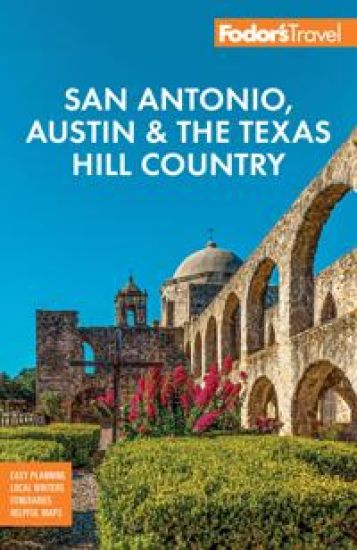
Fodor's San Antonio, Austin & the Texas Hill Country
Whether you want to drift along Halong Bay, marvel at the Golden Hands Bridge, or hike in Ba Vi National Park, the local Fodor’s travel experts in Vietnam are here to help! Fodor’s Essential Vietnam guidebook is packed with maps, carefully curated recommendations, and everything else you need to simplify your trip-planning process and make the most of your time. This new edition has been fully-redesigned with an easy-to-read layout, fresh information, and beautiful color photos.Fodor’s “Essential” guides were named by Booklist as the Best Travel Guide Series of 2020!Fodor’s Essential Vietnam travel guide includes:AN ILLUSTRATED ULTIMATE EXPERIENCES GUIDE to the top things to see and doMULTIPLE ITINERARIES to effectively organize your days and maximize your timeMORE THAN 25 DETAILED MAPS to help you navigate confidentlyCOLOR PHOTOS throughout to spark your wanderlust!HONEST RECOMMENDATIONS FROM LOCALS on the best sights, restaurants, hotels, nightlife, shopping, performing arts, activities, side-trips, and morePHOTO-FILLED “BEST OF” FEATURES on “Vietnam’s Natural Wonders,” “Vietnam’s Temples and Pagodas,” and moreTRIP-PLANNING TOOLS AND PRACTICAL TIPS including when to go, getting around, beating the crowds, and saving time and moneyHISTORICAL AND CULTURAL INSIGHTS providing rich context on the local people, politics, art, architecture, cuisine, music, geography and moreSPECIAL FEATURES on “What to Buy” and “What to Eat and Drink” LOCAL WRITERS to help you find the under-the-radar gemsVIETNAMESE LANGUAGE PRIMER with useful words and essential phrasesUP-TO-DATE COVERAGE ON: Hanoi, Ho Chi Minh City, Ba Vi National Park, the Mekong Delta, Hoi An, and more.Planning on visiting Thailand or Cambodia? Check out Fodor’s Essential Thailand: with Cambodia & Laos*Important note for digital editions: The digital edition of this guide does not contain all the images or text included in the physical edition.ABOUT FODOR'S AUTHORS: Each Fodor's Travel Guide is researched and written by local experts. Fodor’s has been offering expert advice for all tastes and budgets for over 80 years. For more travel inspiration, you can sign up for our travel newsletter at fodors.com/newsletter/signup, or follow us @FodorsTravel on Facebook, Instagram, and Twitter. We invite you to join our friendly community of travel experts at fodors.com/community to ask any other questions and share your experience with us!
Tales of St. Austin's

Tales of St. Austin's

P G Wodehouse

Bibliotech Press
2020
pokkari
Sir Pelham Grenville Wodehouse KBE (15 October 1881 - 14 February 1975) was an English author and one of the most widely read humorists of the 20th century. Born in Guildford, the third son of a British magistrate based in Hong Kong, Wodehouse spent happy teenage years at Dulwich College, to which he remained devoted all his life. After leaving school, he was employed by a bank but disliked the work and turned to writing in his spare time. His early novels were mostly school stories, but he later switched to comic fiction, creating several regular characters who became familiar to the public over the years. They include the jolly gentleman of leisure Bertie Wooster and his sagacious valet Jeeves; the immaculate and loquacious Psmith; Lord Emsworth and the Blandings Castle set; the Oldest Member, with stories about golf; and Mr Mulliner, with tall tales on subjects ranging from bibulous bishops to megalomaniac movie moguls.Most of Wodehouse's fiction is set in England, although he spent much of his life in the US and used New York and Hollywood as settings for some of his novels and short stories. He wrote a series of Broadway musical comedies during and after the First World War, together with Guy Bolton and Jerome Kern, that played an important part in the development of the American musical. He began the 1930s writing for MGM in Hollywood. In a 1931 interview, his na ve revelations of incompetence and extravagance in the studios caused a furore. In the same decade, his literary career reached a new peak.Wodehouse worked extensively on his books, sometimes having two or more in preparation simultaneously. He would take up to two years to build a plot and write a scenario of about thirty thousand words. After the scenario was complete he would write the story. Early in his career he would produce a novel in about three months, but he slowed in old age to around six months. He used a mixture of Edwardian slang, quotations from and allusions to numerous poets, and several literary techniques to produce a prose style that has been compared to comic poetry and musical comedy. Some critics of Wodehouse have considered his work flippant, but among his fans are former British prime ministers and many of his fellow writers. (wikipedia.org)
Tales of St. Austin's

Tales of St. Austin's

P G Wodehouse

Bibliotech Press
2020
sidottu
Sir Pelham Grenville Wodehouse KBE (15 October 1881 - 14 February 1975) was an English author and one of the most widely read humorists of the 20th century. Born in Guildford, the third son of a British magistrate based in Hong Kong, Wodehouse spent happy teenage years at Dulwich College, to which he remained devoted all his life. After leaving school, he was employed by a bank but disliked the work and turned to writing in his spare time. His early novels were mostly school stories, but he later switched to comic fiction, creating several regular characters who became familiar to the public over the years. They include the jolly gentleman of leisure Bertie Wooster and his sagacious valet Jeeves; the immaculate and loquacious Psmith; Lord Emsworth and the Blandings Castle set; the Oldest Member, with stories about golf; and Mr Mulliner, with tall tales on subjects ranging from bibulous bishops to megalomaniac movie moguls.Most of Wodehouse's fiction is set in England, although he spent much of his life in the US and used New York and Hollywood as settings for some of his novels and short stories. He wrote a series of Broadway musical comedies during and after the First World War, together with Guy Bolton and Jerome Kern, that played an important part in the development of the American musical. He began the 1930s writing for MGM in Hollywood. In a 1931 interview, his na ve revelations of incompetence and extravagance in the studios caused a furore. In the same decade, his literary career reached a new peak.Wodehouse worked extensively on his books, sometimes having two or more in preparation simultaneously. He would take up to two years to build a plot and write a scenario of about thirty thousand words. After the scenario was complete he would write the story. Early in his career he would produce a novel in about three months, but he slowed in old age to around six months. He used a mixture of Edwardian slang, quotations from and allusions to numerous poets, and several literary techniques to produce a prose style that has been compared to comic poetry and musical comedy. Some critics of Wodehouse have considered his work flippant, but among his fans are former British prime ministers and many of his fellow writers. (wikipedia.org)
Stephen F. Austin

Stephen F. Austin

Jean Flynn

Eakin Press
2018
pokkari
Stephen F. Austin established the first successful Anglo-American colony in what would become Texas. He brought 300 families to Texas in 1825 and while he led the effort for settlers to get along with the Mexican government, he would eventually become a leader in the effort for Texas independence. Today he is recognized as "The Father of Texas."
The Red Thumb Mark (1907). By: R. Austin Freeman: Book 1 in the medico-legal detective Dr. Thorndyke's mystery series. Reuben Hornby is accused of st
Book 1 in the medico-legal detective Dr. Thorndyke's mystery series. Reuben Hornby is accused of stealing diamonds from the safe of his uncle-his employer and benefactor. The sole evidence, but a damning one, is a paper, dropped in the safe in hurry, by the robber, bearing a fresh and bloody thumbprint. The thumbprint of Reuben ............ Richard Austin Freeman (11 April 1862 - 28 September 1943) was a British writer of detective stories, mostly featuring the medico-legal forensic investigator Dr. Thorndyke. He claimed to have invented the inverted detective story (a crime fiction in which the commission of the crime is described at the beginning, usually including the identity of the perpetrator, with the story then describing the detective's attempt to solve the mystery). Freeman used some of his early experiences as a colonial surgeon in his novels. Many of the Dr. Thorndyke stories involve genuine, but often quite arcane, points of scientific knowledge, from areas such as tropical medicine, metallurgy and toxicology. Early life: Austin Freeman was the youngest of the five children of tailor Richard Freeman and Ann Maria Dunn. He first trained as an apothecary and then studied medicine at Middlesex Hospital, qualifying in 1887. The same year he married Annie Elizabeth, with whom he had two sons. He entered the Colonial Service and was sent to Accra on the Gold Coast. Career: In 1891 he returned to London after suffering from blackwater fever but was unable to find a permanent medical position, and so decided to settle down in Gravesend and earn money from writing fiction, while continuing to practise medicine. His first stories were written in collaboration with John James Pitcairn (1860-1936), medical officer at Holloway Prison, and published under the nom de plume "Clifford Ashdown". His first Thorndyke story, The Red Thumb Mark, was published in 1907, and shortly afterwards he pioneered the inverted detective story, in which the identity of the criminal is shown from the beginning. Some short stories with this feature were collected in The Singing Bone in 1912. During the First World War he served as a captain in the Royal Army Medical Corps and afterwards produced a Thorndyke novel almost every year until his death in 1943. Freeman claimed to have invented the inverted detective story in his 1912 collection of short stories The Singing Bone. "Some years ago I devised, as an experiment, an inverted detective story in two parts. The first part was a minute and detailed description of a crime, setting forth the antecedents, motives, and all attendant circumstances. The reader had seen the crime committed, knew all about the criminal, and was in possession of all the facts. It would have seemed that there was nothing left to tell, but I calculated that the reader would be so occupied with the crime that he would overlook the evidence. And so it turned out. The second part, which described the investigation of the crime, had to most readers the effect of new matter."
The Eye of Osiris: A Detective Romance (1911). By: R. Austin Freeman: John Bellingham is a world-renowned archaeologist who goes missing
John Bellingham is a world-renowned archaeologist who goes missing mysteriously after returning from a voyage to Egypt where fabulous treasures have been uncovered. Bellingham seems to have disappeared leaving clues, which lead all those hunting down blind alleys. But when the piercing perception of the brilliant Dr Thorndyke is brought to bear on the mystery, the search begins for a man tattooed with the Eye of Osiris in this strange, tantalisingly enigmatic tale., ..................... Richard Austin Freeman (11 April 1862 - 28 September 1943) was a British writer of detective stories, mostly featuring the medico-legal forensic investigator Dr. Thorndyke. He claimed to have invented the inverted detective story (a crime fiction in which the commission of the crime is described at the beginning, usually including the identity of the perpetrator, with the story then describing the detective's attempt to solve the mystery). Freeman used some of his early experiences as a colonial surgeon in his novels. Many of the Dr. Thorndyke stories involve genuine, but often quite arcane, points of scientific knowledge, from areas such as tropical medicine, metallurgy and toxicology. Early life: Austin Freeman was the youngest of the five children of tailor Richard Freeman and Ann Maria Dunn. He first trained as an apothecary and then studied medicine at Middlesex Hospital, qualifying in 1887. The same year he married Annie Elizabeth, with whom he had two sons. He entered the Colonial Service and was sent to Accra on the Gold Coast.Career In 1891 he returned to London after suffering from blackwater fever but was unable to find a permanent medical position, and so decided to settle down in Gravesend and earn money from writing fiction, while continuing to practise medicine. His first stories were written in collaboration with John James Pitcairn (1860-1936), medical officer at Holloway Prison, and published under the nom de plume "Clifford Ashdown". His first Thorndyke story, The Red Thumb Mark, was published in 1907, and shortly afterwards he pioneered the inverted detective story, in which the identity of the criminal is shown from the beginning. Some short stories with this feature were collected in The Singing Bone in 1912. During the First World War he served as a captain in the Royal Army Medical Corps and afterwards produced a Thorndyke novel almost every year until his death in 1943. Freeman claimed to have invented the inverted detective story in his 1912 collection of short stories The Singing Bone. "Some years ago I devised, as an experiment, an inverted detective story in two parts. The first part was a minute and detailed description of a crime, setting forth the antecedents, motives, and all attendant circumstances. The reader had seen the crime committed, knew all about the criminal, and was in possession of all the facts. It would have seemed that there was nothing left to tell, but I calculated that the reader would be so occupied with the crime that he would overlook the evidence. And so it turned out. The second part, which described the investigation of the crime, had to most readers the effect of new matter."
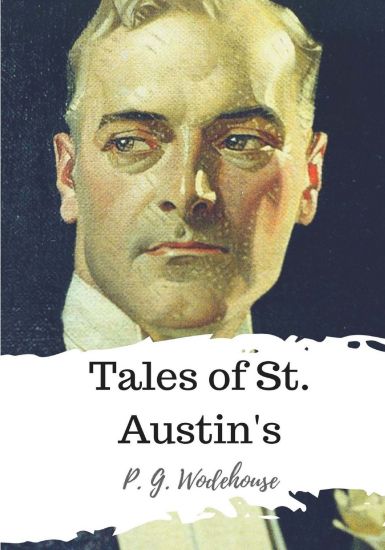
Tales of St. Austin's

Tales of St. Austin's

P. G. Wodehouse

Createspace Independent Publishing Platform
2018
nidottu
Tales of St. Austin's by P. G. Wodehouse St Austin's School is the setting for these twelve delightful early Wodehouse stories. A nostalgic look at English public-school life at the turn of the twentieth century, the cricket-filled tales are made enjoyable today by the young Wodehouse's gentle humor and witty turn of phrase. We are delighted to publish this classic book as part of our extensive Classic Library collection. Many of the books in our collection have been out of print for decades, and therefore have not been accessible to the general public. The aim of our publishing program is to facilitate rapid access to this vast reservoir of literature, and our view is that this is a significant literary work, which deserves to be brought back into print after many decades. The contents of the vast majority of titles in the Classic Library have been scanned from the original works. To ensure a high quality product, each title has been meticulously hand curated by our staff. Our philosophy has been guided by a desire to provide the reader with a book that is as close as possible to ownership of the original work. We hope that you will enjoy this wonderful classic work, and that for you it becomes an enriching experience.
Hollywood Lights, Austin Nights: A Hearts of Braden Novella

Hollywood Lights, Austin Nights: A Hearts of Braden Novella

Michel Prince

Createspace Independent Publishing Platform
2018
nidottu
Soren Birch wrote a movie deserving of the best Hollywood has to offer, but as a first time screenwriter, he's stuck on a shoestring budget. Vision Star has offered him a deal and set him up in Austin, Texas with Zane Sauicer as a local contact. Now the actor turned writer will be donning a few hats, including director, as his passion piece comes to life. In Hollywood, Alicia Winters' star is rising, but she is slowly learning quantity over quality after being kicked off her latest set. She then finds her way to her sister's bakery in Braden, Iowa. A few days of rest and little tough love has her ready to take a chance on a small budget film in Austin.A dream actress and a company willing to take a chance on him, Soren is beginning to think he might actually make a name for himself beyond being a sex symbol. Can his luck finally be changing or will his attraction to Alicia derail his dream before it even starts?
Stephen F. Austin: The Life and Legacy of the Father of Texas

Stephen F. Austin: The Life and Legacy of the Father of Texas

Charles River

Createspace Independent Publishing Platform
2018
nidottu
*Includes pictures *Includes contemporary accounts *Includes online resources and a bibliography for further reading "The independence of Texas is recognized Don't you see it in the papers?" - Stephen F. Austin's last words Texas has a unique history among the 50 states that comprise the United States of America, and much of that is due to the nature of the men who brought about its independence. Of them, few are as famous or more important than Stephen F. Austin. Born in the very shadow of the Founding Fathers in Virginia, Austin seemed destined from birth to do something special. Certainly, his father Moses saw potential in the boy, training him up to take the lead in whatever situation he found himself in, and various life experiences transformed Stephen. Moses provided his son with plenty of the difficulties, including bankruptcy, business losses, and family squabbles, all by the time his son was 20 years old. Ultimately Moses bequeathed his son the chance to become an empresario, a 19th century leader of American pioneers in Texas. Austin in turn shaped the future of Texas in a way that no other leader ever had the opportunity to do, and by carefully choosing men like himself, politically, religiously, and ethically, he helped create an independent nation (and future state) known for its rugged individualism and self-determination. Unfortunately, he also created a place where slavery, America's great shame, was allowed to flourish for more than 40 years, and a place where people of color would struggle for generations to receive equality under the laws, many of which he either wrote or inspired. Ironically, the man whose name is so synonymous with Texas was not involved in the most famous battles that secured its independence. This actually ensured that he survived when so many of his contemporaries died, but he still lost his run for the presidency of Texas and instead had to accept an appointment as the Republic's first Secretary of State. Ultimately, it made little difference in the end, for he served only two months before he died of pneumonia just after his 43rd birthday, but despite his premature death, what cannot be questioned is how profound an impact Austin had on Texas, Mexico, and the United States over the course of several decades. Stephen F. Austin: The Life and Legacy of the Father of Texas looks at how he became one of the Southwest's most important figures. Along with pictures of important people, places, and events, you will learn about Austin like never before.
Stephen F. Austin: The Life and Legacy of the Father of Texas

Stephen F. Austin: The Life and Legacy of the Father of Texas

Charles River

Createspace Independent Publishing Platform
2018
nidottu
*Includes pictures *Includes contemporary accounts *Includes online resources and a bibliography for further reading "The independence of Texas is recognized Don't you see it in the papers?" - Stephen F. Austin's last words Texas has a unique history among the 50 states that comprise the United States of America, and much of that is due to the nature of the men who brought about its independence. Of them, few are as famous or more important than Stephen F. Austin. Born in the very shadow of the Founding Fathers in Virginia, Austin seemed destined from birth to do something special. Certainly, his father Moses saw potential in the boy, training him up to take the lead in whatever situation he found himself in, and various life experiences transformed Stephen. Moses provided his son with plenty of the difficulties, including bankruptcy, business losses, and family squabbles, all by the time his son was 20 years old. Ultimately Moses bequeathed his son the chance to become an empresario, a 19th century leader of American pioneers in Texas. Austin in turn shaped the future of Texas in a way that no other leader ever had the opportunity to do, and by carefully choosing men like himself, politically, religiously, and ethically, he helped create an independent nation (and future state) known for its rugged individualism and self-determination. Unfortunately, he also created a place where slavery, America's great shame, was allowed to flourish for more than 40 years, and a place where people of color would struggle for generations to receive equality under the laws, many of which he either wrote or inspired. Ironically, the man whose name is so synonymous with Texas was not involved in the most famous battles that secured its independence. This actually ensured that he survived when so many of his contemporaries died, but he still lost his run for the presidency of Texas and instead had to accept an appointment as the Republic's first Secretary of State. Ultimately, it made little difference in the end, for he served only two months before he died of pneumonia just after his 43rd birthday, but despite his premature death, what cannot be questioned is how profound an impact Austin had on Texas, Mexico, and the United States over the course of several decades. Stephen F. Austin: The Life and Legacy of the Father of Texas looks at how he became one of the Southwest's most important figures. Along with pictures of important people, places, and events, you will learn about Austin like never before.
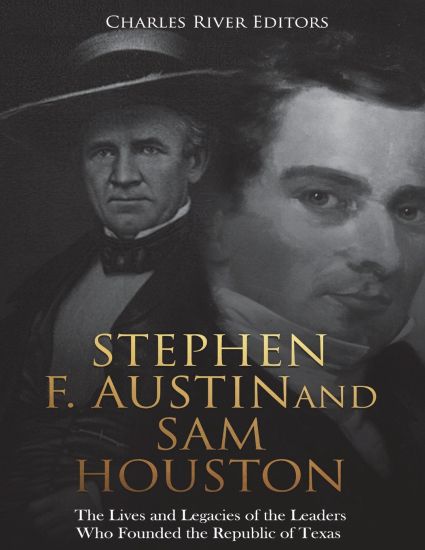
Stephen F. Austin and Sam Houston: The Lives and Legacies of the Leaders Who Founded the Republic of Texas
*Includes pictures *Includes contemporary accounts *Includes online resources and a bibliography for further reading Texas has a unique history among the 50 states that comprise the United States of America, and much of that is due to the nature of the men who brought about its independence. Of them, few are as famous or more important than Stephen F. Austin. Born in the very shadow of the Founding Fathers in Virginia, Austin seemed destined from birth to do something special. Certainly, his father Moses saw potential in the boy, training him up to take the lead in whatever situation he found himself in, and various life experiences transformed Stephen. Moses provided his son with plenty of the difficulties, including bankruptcy, business losses, and family squabbles, all by the time his son was 20 years old. Ultimately Moses bequeathed his son the chance to become an empresario, a 19th century leader of American pioneers in Texas. Austin in turn shaped the future of Texas in a way that no other leader ever had the opportunity to do, and by carefully choosing men like himself, politically, religiously, and ethically, he helped create an independent nation (and future state) known for its rugged individualism and self-determination. Unfortunately, he also created a place where slavery, America's great shame, was allowed to flourish for more than 40 years, and a place where people of color would struggle for generations to receive equality under the laws, many of which he either wrote or inspired. Ironically, the man whose name is so synonymous with Texas was not involved in the most famous battles that secured its independence. This actually ensured that he survived when so many of his contemporaries died, but he still lost his run for the presidency of Texas and instead had to accept an appointment as the Republic's first Secretary of State. Ultimately, it made little difference in the end, for he served only two months before he died of pneumonia just after his 43rd birthday. Austin's most famous contemporary, Sam Houston, was also a colorful and controversial individual. He was born in the United States while George Washington was in office, and in an era when the native people who were gradually being subjugated were considered savages, he called them friends and even lived among them. He was abandoned by his first wife and, after suffering the sting of divorce, married again in the manner of his native family, only to abandon his Indian bride to return to life among his own people. In the interim, he fought for their rights in the halls of government, defending them even as he obtained favor in the eyes of one of their worst enemies. More than a decade passed before he would finally make a successful marriage, marrying a woman more than 20 years his junior but with the right mix of charm and grit to make a successful life with him and their large family. Though he was born and raised elsewhere, Houston is considered one of Texas' truest sons, and during his life he fought for its independence from Mexico and then for its submission to the United States. He owned slaves himself but spent his entire political career fighting against the spread of "the American cancer" to the West. Then, when his beloved state seceded from the Union, he not only opposed secession but sacrificed his own position to protest it, only to turn around and support the Confederacy during the last years of his life. What cannot be questioned is how profound an impact both men had on Texas, Mexico, and the United States over the course of several decades. Stephen F. Austin and Sam Houston: The Lives and Legacies of the Leaders Who Founded the Republic of Texas looks at how the two became some of the Southwest's most important figures. Along with pictures of important people, places, and events, you will learn about Stephen F. Austin and Sam Houston like never before.
Stephen F. Austin and Sam Houston: The Lives and Legacies of the Leaders Who Founded the Republic of Texas
*Includes pictures *Includes contemporary accounts *Includes online resources and a bibliography for further reading Texas has a unique history among the 50 states that comprise the United States of America, and much of that is due to the nature of the men who brought about its independence. Of them, few are as famous or more important than Stephen F. Austin. Born in the very shadow of the Founding Fathers in Virginia, Austin seemed destined from birth to do something special. Certainly, his father Moses saw potential in the boy, training him up to take the lead in whatever situation he found himself in, and various life experiences transformed Stephen. Moses provided his son with plenty of the difficulties, including bankruptcy, business losses, and family squabbles, all by the time his son was 20 years old. Ultimately Moses bequeathed his son the chance to become an empresario, a 19th century leader of American pioneers in Texas. Austin in turn shaped the future of Texas in a way that no other leader ever had the opportunity to do, and by carefully choosing men like himself, politically, religiously, and ethically, he helped create an independent nation (and future state) known for its rugged individualism and self-determination. Unfortunately, he also created a place where slavery, America's great shame, was allowed to flourish for more than 40 years, and a place where people of color would struggle for generations to receive equality under the laws, many of which he either wrote or inspired. Ironically, the man whose name is so synonymous with Texas was not involved in the most famous battles that secured its independence. This actually ensured that he survived when so many of his contemporaries died, but he still lost his run for the presidency of Texas and instead had to accept an appointment as the Republic's first Secretary of State. Ultimately, it made little difference in the end, for he served only two months before he died of pneumonia just after his 43rd birthday. Austin's most famous contemporary, Sam Houston, was also a colorful and controversial individual. He was born in the United States while George Washington was in office, and in an era when the native people who were gradually being subjugated were considered savages, he called them friends and even lived among them. He was abandoned by his first wife and, after suffering the sting of divorce, married again in the manner of his native family, only to abandon his Indian bride to return to life among his own people. In the interim, he fought for their rights in the halls of government, defending them even as he obtained favor in the eyes of one of their worst enemies. More than a decade passed before he would finally make a successful marriage, marrying a woman more than 20 years his junior but with the right mix of charm and grit to make a successful life with him and their large family. Though he was born and raised elsewhere, Houston is considered one of Texas' truest sons, and during his life he fought for its independence from Mexico and then for its submission to the United States. He owned slaves himself but spent his entire political career fighting against the spread of "the American cancer" to the West. Then, when his beloved state seceded from the Union, he not only opposed secession but sacrificed his own position to protest it, only to turn around and support the Confederacy during the last years of his life. What cannot be questioned is how profound an impact both men had on Texas, Mexico, and the United States over the course of several decades. Stephen F. Austin and Sam Houston: The Lives and Legacies of the Leaders Who Founded the Republic of Texas looks at how the two became some of the Southwest's most important figures. Along with pictures of important people, places, and events, you will learn about Stephen F. Austin and Sam Houston like never before.
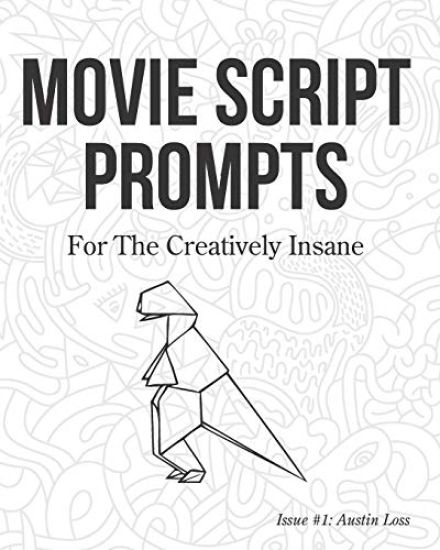
Movie Script Prompts For the Creatively Insane: Issue #1: Austin Loss
Ferguson Littersand is 6 foot tall and works as a fundraiser. An obedient type, he finds himself following his job and relocating. However, everything in his life changes when he meets his new boss, Suffer Timothy..."Beat Writer's Block with Oddball StoriesIdeas are the hardest part of creative writing. Beat writer's block with funny, interesting, and downright weird prompts to inspire the mind and help you write again. Use the 25 different prompts to inspire stories, jokes, and new imagination as you travel through time, space, and sometimes sanity, to create weird worlds and strange outcomes.Develop Incredible CharactersEach section has a main character with physical description, a character profile, and a starting point and twist. There's also a secondary character and suggested prop to use, as well as a suggested genre. If you feel really inspired, continue on to an extra page or go ahead and make an entire darn movie out of it.Create Story IdeasEach prompt includes four sides of lined paper to help inspire writing without overwhelming you, along with one sheet of comic book templates for sketching. Your stories can be short and powerful, or long and insightful - it's totally up to you Find your mind relaxing into new thoughts and bigger storylines as you expand on each prompt.Entertain Yourself... and Others You'll be surprised and excited by the stories that are awakened by these prompts. What exactly does Eurfusn Aterod want with you? How does a hotel keychain hold the key to unraveling a world of secrets? Put your brain to work with these utterly wacky and bizarre story prompts.A Perfect GiftThis is a great gift for creative writers, creative types, artists, literary people, and anyone who loves a good story. A perfect gift for adults who love to read and write, with a little humor sprinkled in.
What's my name? AUSTIN

What's my name? AUSTIN

Tiina Walsh

Createspace Independent Publishing Platform
2017
nidottu
A personalised storybook for boys called AUSTIN. The story is based on the letters of the child's own name. All books are different from one another. The boy wakes up but can't remember his name. Magic Mouse knows how to solve the problem. They go on a wonderful adventure in the Magic Bus Translated and adapted by the author from the top-selling Finnish language children's namebook series "Tytt /Poika, joka unohti nimens ". The beautiful hand-drawn pictures will delight both the young and the young-at-heart Looking for a namebook "What's my name?" but couldn't find a book for the name you are looking for? Please don't hesitate to contact me with your name request -Tiina Walsh Author fb.me/whatsmynamestorybooks for more details about the storybooks
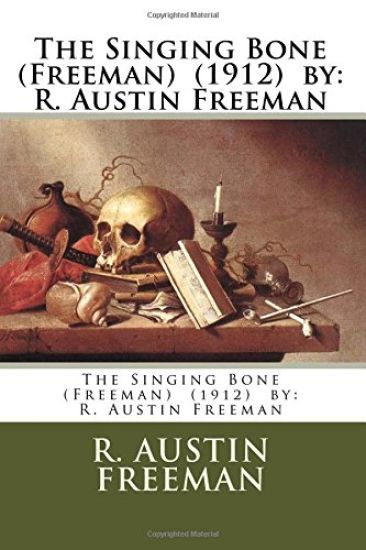
The Singing Bone (Freeman) (1912) by: R. Austin Freeman

The Singing Bone (Freeman) (1912) by: R. Austin Freeman

R. Austin Freeman

Createspace Independent Publishing Platform
2018
nidottu
(US Title: The Adventures of Dr. Thorndyke). Short stories of crime and mystery involving Dr. Thorndyke, the "Scientific Investigator." This also happens to be the book where Austin Freeman claimed to have created the inverted detective story or "howcatchem." "Some years ago I devised, as an experiment, an inverted detective story in two parts. The first part was a minute and detailed description of a crime, setting forth the antecedents, motives, and all attendant circumstances. The reader had seen the crime committed, knew all about the criminal, and was in possession of all the facts. It would have seemed that there was nothing left to tell. But ... the reader would be so occupied with the crime that he would overlook the evidence."
Tales of St. Austin's

Tales of St. Austin's

P. G. Wodehouse

Createspace Independent Publishing Platform
2018
nidottu
British humorist P. G. Wodehouse rose to popularity in part due to his witty stories set in the country's public schools. This collection brings together some of Wodehouse's most hilarious essays, vignettes, and tales of schoolboys. Get ready for a treasure trove of uproarious accounts of cricket, rugby, prank wars and general mischief-making.