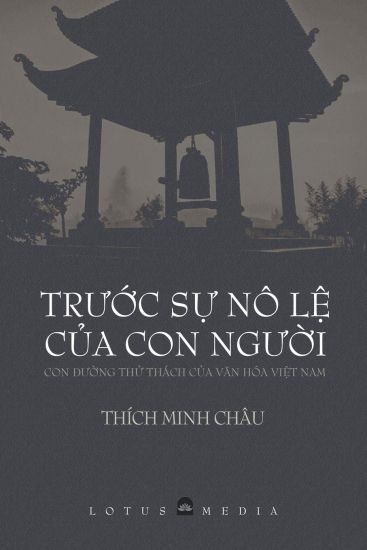
Trước sự N Lệ của Con Người l nhan đề ch ng t i d ng để gọi tập s ch n y, gồm những b i viết v những b i thảo luận quan trọng m ch ng t i đ tr nh b y trong những hội nghị quốc tế v quốc nội. Những vấn đề đặt ra trong tập s ch n y đều nhắm v o một trọng t m độc nhất: t m lại con đường của văn h a Việt Nam trước sự n lệ của con người để khai quang một ch n trời cho thức tự do của nh n t nh.Đ y cũng l lộ tr nh của Viện Đại Học Vạn Hạnh trước bao nhi u thử th ch cam go của thời đại. Ch ng t i ước mong rằng tập s ch n y sẽ gợi lại một niềm tin n o đ trong l ng người thanh ni n Việt Nam hiện nay, một niềm tin quyết liệt v o vận mệnh thi ng li ng của d n tộc trong thức thể hiện v vượt qua nỗi ph n ly bi đ t của bản t nh con người để m c chịu đựng v bước tới một c ch can đảm tr n con đường của ch n l v s ng tạo.Chiến tranh nay mai sẽ chấm dứt, nhưng sự n lệ của con người kh ng hẳn l mất đi; khi h a b nh đến, sự n lệ n y c ng hiện l n r rệt hơn nữa, v chỉ c một sự n lệ đ ng sợ l sự n lệ của tinh thần v tư tưởng, c n tất cả sự n lệ kh c chỉ c t nh c ch phụ thuộc. Giải tỏa sự n lệ của con người th phải giải tỏa to n diện, tận căn để, c nghĩa l phải giải tỏa sự n lệ của thức, của tư tưởng v t m thức. Đ mới l con đường khả dĩ mang đến sự tự do của nh n t nh tr n lộ tr nh dẫn tới ch n l . Ch n l , Tự do v Nh n t nh, ba l tưởng m Viện Đại Học Vạn Hạnh đang đeo đuổi, vẫn tiếp tục theo đuổi vẫn bất chấp mọi trở ngại, nghịch cảnh, bất chấp mọi đảo đi n của thời cuộc. D ở ho n cảnh n o, t m huyết của ch ng t i vẫn kh ng lay chuyển. Ch ng t i mong rằng tập s ch n y sẽ đưa tới sự thể hiện cụ thể ch sắt đ của Việt Nam v đưa tới một m i trường cho sự hiện diện của những gi trị cao qu nhất trong truyền thống nh n loại. TT. Th ch Minh Ch u
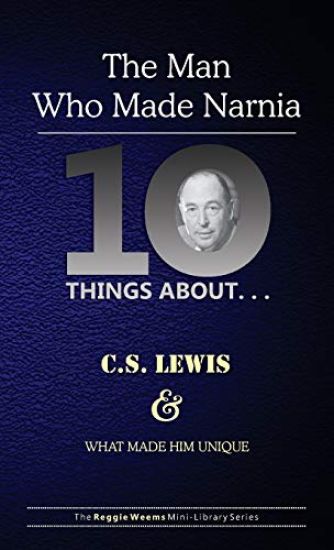
C.S. Lewis was one of the most well-known Christians in the 20th century. Contrary to what he personally thought, his popularity and influence continue to grow exponentially. He is so admired and respected that many well wishers hope for a repeat performance in our generation. But will there ever be another Jack Lewis? The answer is a resounding "no" according to Reggie Weems.
Ch o mừng bạn đến với "S ch dạy nấu ăn tương ớt: Đi s u v o nghệ thuật l m tương ớt với 100 c ng thức nấu ăn ngon l nh." Tương ớt, với hương vị đậm đ , m u sắc rực rỡ v c ch sử dụng linh hoạt, l nền tảng của ẩm thực Ấn Độ v l loại gia vị được y u th ch tr n khắp thế giới. Trong cuốn s ch nấu ăn n y, ch ng t i mời bạn kh m ph thế giới l m tương ớt phong ph v đa dạng, kh m ph 100 c ng thức nấu ăn ngon sẽ n ng cao bữa ăn của bạn v đ nh thức vị gi c của bạn.Tương ớt kh ng chỉ l m n ăn k m; ch ng l sự t n vinh hương vị, sự c n bằng v truyền thống. Trong cuốn s ch dạy nấu ăn n y, ch ng ta sẽ đi s u t m hiểu nghệ thuật l m tương ớt, từ việc lựa chọn nguy n liệu tươi ngon nhất cho đến c n bằng gia vị, vị ngọt v độ chua để tạo n n sự h a quyện h i h a giữa c c hương vị. Cho d bạn l người h m mộ những m n ăn cổ điển được y u th ch như tương ớt xo i v tương ớt bạc h hay h o hức thử nghiệm những sự kết hợp s ng tạo v biến tấu hiện đại, bạn sẽ t m thấy rất nhiều cảm hứng trong những trang n y.Mỗi c ng thức trong cuốn s ch nấu ăn n y đều được chế tạo cẩn thận v ch đến từng chi tiết, đảm bảo rằng mỗi mẻ tương ớt bạn l m đều c hương vị đậm đ v ch n thực. Từ tương ớt c chua thơm đến tương ớt xanh cay nồng, từ tương ớt dứa cay ngọt đến tương ớt dừa thơm, lu n c tương ớt cho mọi khẩu vị v mọi dịp.Với hướng dẫn r r ng, mẹo hữu ch v h nh ảnh ấn tượng, "S ch dạy nấu ăn Chutney Life" gi p bạn dễ d ng nắm vững nghệ thuật l m tương ớt trong ch nh căn bếp của m nh. Cho d bạn đang phục vụ tương ớt l m m n ăn k m với c c m n ăn Ấn Độ y u th ch của m nh, kết hợp ch ng v o b nh m sandwich v m n cuốn hay sử dụng ch ng để th m hương vị cho nước xốt v nước xốt, những c ng thức n y chắc chắn sẽ g y ấn tượng v th ch th .
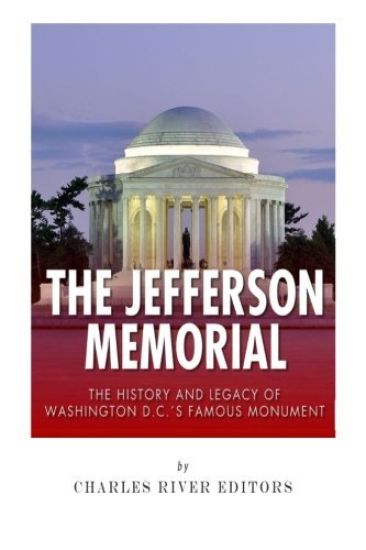
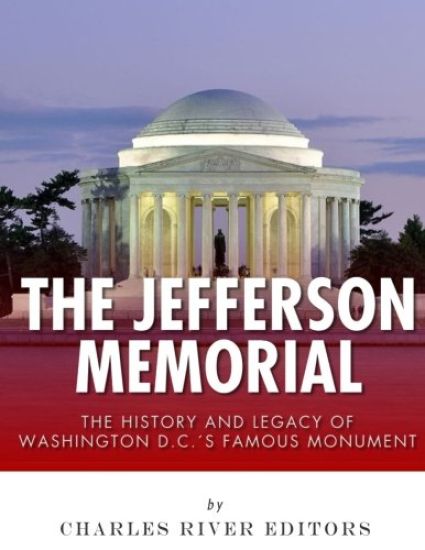
*Includes pictures *Profiles the architects who built the Memorial and the controversies surrounding it *Includes a bibliography for further reading *Includes a table of contents People have always loved symbols and monuments, and monumental architecture has always been as much symbolic as functional. The pyramids of ancient Egypt were artificial mountains expressing the link of the pharaoh to the gods, and mountains have always been associated with the divine in the human imagination. The Colossus of Rhodes, the Roman Senate House and Temple of Capitoline Jove, the Grand Teocalli and Tzompantli or skull-rack of the Aztec capital Tenochtitlan, the Forbidden City of Peking, the Parisian Arc de Triomphe de l'Etoile and the Brandenburg Gate of Berlin, all provide or provided material focuses for national ideals, beliefs, and culture. The story of the United States of America is one of a nation founded upon the loftiest ideals of representative government, attempting to fulfill its goals while encountering competing domestic and global forces. From the beginning, Americans debated how their national government should govern, balancing powers between the federal government and the states, which led to the establishment of the first political parties. At the same time, the nation has struggled to reconcile its guarantee of universal rights and individual liberties with several stark realities, including the presence of millions of slaves at the time of the Declaration of Independence. Nobody spent more time in the thick of these debates than Thomas Jefferson, one of the most famous and revered Americans. Jefferson was instrumental in all of the aforementioned debates, authoring the Declaration of Independence, laying out the ideological groundwork of the notion of states' rights, leading one of the first political parties, and overseeing the expansion of the United States during his presidency. But for all of his accomplishments, Jefferson's reputation and legacy are still inextricably intertwined with the divisive issues of his own day. As the slaveholder who wrote that all men are created equal, and his relationship with one of his slaves, Sally Hemings, Jefferson's life and career are still sometimes fiercely debated today. As a result, it's only fitting that the Jefferson Memorial would also be majestic and controversial. A tranquilly elegant neoclassical building fronted by slender pillars and topped by a gently domed roof, the Jefferson Memorial stands among other American monuments near the shores of the Tidal Basin in Washington D.C. Housing a five-ton, nineteen foot tall statue of Thomas Jefferson, the building looks as though it could be as long-established as the White House itself, but it is actually much newer. Facing opposition on several fronts when it was first proposed, including outcries from those who objected to its neoclassical style and others who lamented the clearing of flowering cherry trees necessary to make room for the edifice, the Memorial was finished and dedicated in 1943, at the height of World War II. Among the countless number of visitors who come to the Jefferson Memorial annually, few know of the checkered and troubled process of its planning and construction. Everything from lofty scholarly debate on the symbolic meaning of its architectural style to protestors preparing to chain themselves to cherry trees to block their felling swirled around the Memorial when it was no more than a set of blueprints and the first stone had yet to be laid. Generations removed from its origins, the Jefferson Memorial is now mostly viewed not only as a fixture of the nation's capital but a fitting tribute to the author of the Declaration of Independence. The Jefferson Memorial: The History of Washington D.C.'s Famous Monument chronicles the construction and history of one of America's most famous memorials.
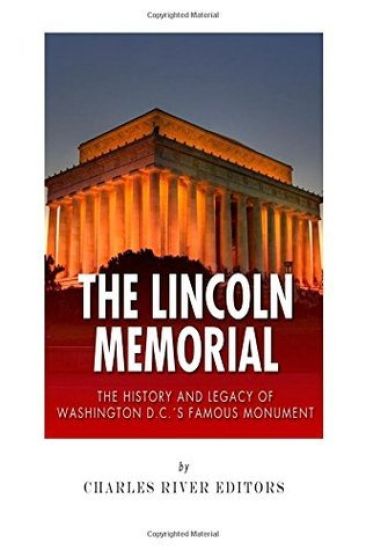
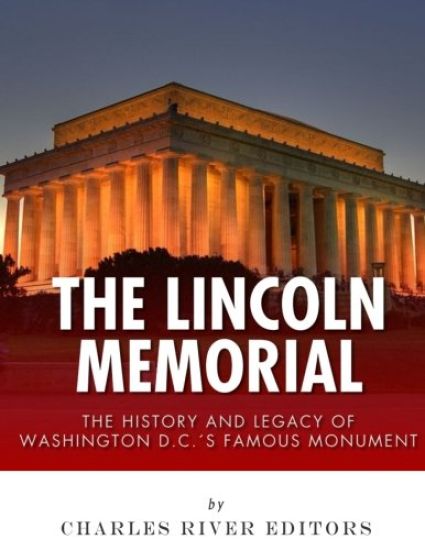
*Includes pictures *Includes accounts of the memorial's construction by people who worked on it *Explains how the memorial's site was chosen and how it was built *Includes a table of contents "IN THIS TEMPLE AS IN THE HEARTS OF THE PEOPLE FOR WHOM HE SAVED THE UNION THE MEMORY OF ABRAHAM LINCOLN IS ENSHRINED FOREVER" - The epitaph by Royal Cortissoz engraved in the Lincoln Memorial People have always loved symbols and monuments. Even before there was any sort of written language, there were places and things considered sacred, whether it was the Mesopotamians' ziggurats or the Egyptians' pyramids. Thus, it had long been a practice to make some sort of memorial to those who had died as a way to remember and honor them. Abraham Lincoln is one of the most famous Americans in history and one of the country's most revered presidents. Schoolchildren can recite the life story of Lincoln, the "Westerner" who educated himself and became a self made man, rising from lawyer to leader of the new Republican Party before becoming the 16th President of the United States. Lincoln successfully navigated the Union through the Civil War but didn't live to witness his crowning achievement, becoming the first president assassinated when he was shot at Ford's Theater by John Wilkes Booth on April 14, 1865. Given the importance of Abraham Lincoln to the country, it's no surprise that plans to build monuments to him began within months of his death. There are countless ways that the Great Emancipator has been commemorated across America, but the most famous is the Lincoln Memorial, which would not be completed until well over half a century after his death. Lincoln had called upon Americans to bind up their wounds in his Second Inaugural Address, and in many ways the memorial was the result of the country's sectional reconciliation, making it all the more fitting. In the end, the time it took to complete the memorial was worth the wait, as the finished product included a masterfully sculpted statue of Lincoln sitting in the middle of a giant structure that immediately brings to mind an Ancient Greek or Roman temple. Situated across the National Mall from the Washington Monument, the Lincoln Memorial is perfectly positioned, and thanks to Lincoln's presidency and freeing of the slaves, the memorial has become a poignant symbol for protests, especially at the height of the Civil Rights Movement when Martin Luther King, Jr. gave his "I Have a Dream" speech. The Lincoln Memorial: The History of Washington D.C.'s Famous Monument chronicles the construction and history of one of America's most famous memorials. Along with pictures of important people, places, and events, you will learn about the Lincoln Memorial like never before, in no time at all.
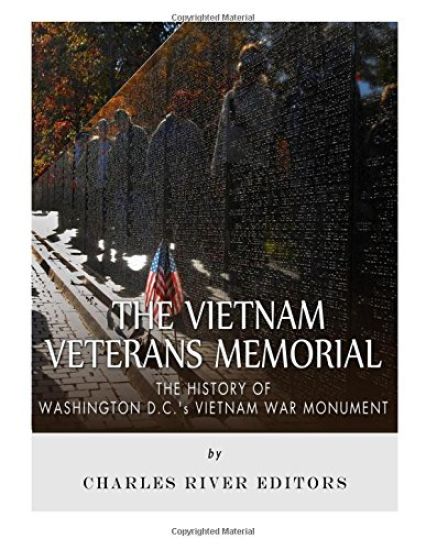
*Includes pictures *Includes accounts of the memorial's history written by people who worked on the project *Includes a bibliography for further reading *Includes a table of contents Before the Vietnam War, most Americans would have been hard pressed to locate Vietnam on a map. South Vietnamese President Diem's regime was extremely unpopular, and war broke out between Communist North Vietnam and South Vietnam around the end of the '50s. Kennedy's administration tried to prop up the South Vietnamese with training and assistance, but the South Vietnamese military was feeble. A month before his death, Kennedy signed a presidential directive withdrawing 1,000 American personnel, and shortly after Kennedy's assassination, new President Lyndon B. Johnson reversed course, instead opting to expand American assistance to South Vietnam. Johnson had sent fewer than 5,000 Marines to Vietnam in early 1965, but he quickly upped it to 200,000 by the end of the year. There was no going back. Although hundreds of thousands protested the war in 1967, including Martin Luther King, Jr., a majority of the public still supported it, due in large part to the Johnson's administration public confidence. But as General Westmoreland talked of victory at the end of 1967, the Viet Cong launched a massive assault across South Vietnam in January 1968. Known as the Tet Offensive, the Viet Cong suffered hundreds of thousands of casualties, and the American forces never lost a battle, but American support for the war still plummeted. By the end of the decade, Vietnam had left tens of thousands of Americans dead, spawned a counterculture with millions of protesters, and destroyed a presidency. And more was still yet to come. The Vietnam War remains one of the most controversial events in American history, and it bitterly divided the nation, so it's somewhat ironic that the most famous monument commemorating the war is also one of the most serene spots in the nation's capital. Indeed, the famous Vietnam Wall is a place of almost eerie silence where even children cease their chatter. Rising out of the ground like an ancient obelisk, it calls upon its visitors to stop talking and to look and gaze upon the magnitude of America's great mistake, a war that began in whispers and ended in tears. As professors Cheree Carlson and John Hocking pointed out in their 1987 paper, "'A Message for My Brother: ' The Vietnam Veterans' Memorial as Rhetorical Situation," "The Vietnam Veterans Memorial is not a 'traditional; war memorial. No shining flags fly no bronze statue of brave heroes stands tall beside it no heroism is lauded. In fact, it is not a memorial to the war at all but rather a memorial to the 2.7 million Americans who served in Vietnam and especially to those who were killed...it focuses our attention on those who did not survive the war. The Vietnam War is reduced to its inevitable result. The Memorial suggests the message 'In war young men die; here are their names.'" At the same time, the monument speaks volumes not just about the nature of war but the utter catastrophe that occurred in Southeast Asia. Whereas the World War II memorial has a grand design that honors contributions and soldiers by state, visitors who may have come from there or the bustling Lincoln Memorial nearby are often struck by the length of the wall, a solemn but powerful reminder that Vietnam claimed nearly 60,000 American lives. Given that, it should come as no surprise that the Vietnam Veterans Memorial is one of the most visited places in the city, with millions coming and paying tribute each year. The Vietnam Veterans Memorial: The History of Washington D.C.'s Vietnam War Monument traces the history and construction of the famous wall. Along with pictures of important people, places, and events, you will learn about the history of the Vietnam Veterans Memorial like never before, in no time at all.