
Kirjahaku
Etsi kirjoja tekijän nimen, kirjan nimen tai ISBN:n perusteella.
1000 tulosta hakusanalla Dagmar Fohl
Psychotherapeutisches Spielen mit dem Plämokasten
Dagmar Lehmhaus; Martin Maurer; Sabine Prentl
Brandes + Apsel Verlag Gm
2025
nidottu




Chernilnye zamarashki - tak vse nazyvajut rebjata iz 3 "A" klassa. Samogo druzhnogo, samogo vesjologo i samogo neugomonnogo klassa v mire! Oni vechno vlipajut v samye neverojatnye istorii. Zato s nimi tochno ne soskuchishsja! Jo-kho-kho! Chernilnye zamarashki otpravljajutsja na ekskursiju! Ikh zhdjot nochjovka na majake i samyj vzapravdashnij piratskij korabl. A vdrug eto korabl-prizrak? Etot 3 "A" prosto pritjagivaet prikljuchenija! Rebjatam predstoit projti neskolko neshutochnykh ispytanij na smelost. Dlja doshkolnogo i mladshego shkolnogo vozrasta. Pjat prichin kupit 1 Dagmar Gajsler - avtor i illjustrator serii "Chernilnye zamarashki". S rannego detstva ona mechtala risovat i illjustrirovat imenno detskie knigi. Segodnja Gejsler ne tolko illjustriruet rasskazy, no i vystupaet kak avtor. 2 Za svoju rabotu Dagmar Gajsler poluchila mnozhestvo nagrad, v tom chisle premii "Serebrjanoe pero" i "Knizhnuju premiju dlja detej i junoshestva Nemetskoj assotsiatsii zhenschin-dejatelej". 3 Knigi etoj serii otlichno podojdut kak dlja sovmestnogo chtenija vslukh (ne tolko doma, no i v shkole), tak i dlja pervogo samostojatelnogo chtenija. Istorii korotkie, dinamichnye, polnye ozorstva i nastojaschej druzhby. 4 Povsednevnaja zhizn klassa, popadajuschego v razlichnye zatrudnitelnye (no uzhasno smeshnye so storony) situatsii, opisana s dobrotoj i ljubovju nastojaschej fei-krestnoj, kotoraja znaet obo vsekh nedostatkakh svoikh podopechnykh i daet im ispytanija iskljuchitelno po silam, i, konechno, iz kotorykh oni objazatelno vynesut dlja sebja vazhnyj urok. 5 Blagodarja illjustratsijam v stile komiksa neugomonnye i takie raznye Zamarashki stanut esche bolee ljubimymi i rodnymi. Perevodchik: Chernysheva Evgenija

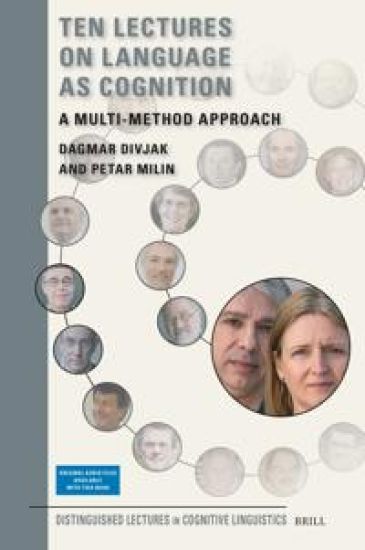
Merging insights from cognitive linguistic theories of language and learning theories originating within psychology, Divjak and Milin present a new paradigm that has computational modelling at its core. They showcase the power of this interdisciplinary approach for linguistic theory, methodology and description. Through a series of detailed case studies that model usage of the English article system, the Polish aspectual system, English tense/aspect contrasts and the Serbian case system they show how computational models anchored in learning can provide a simple and comprehensive account of how intricate phenomena that have long defied a unified treatment could be learned from exposure to usage alone. As such, their models form the basis for a first rigorous test of a core assumption of usage-based linguistics: that of the emergence of structure from use.

Kooperation zwischen Eltern und Schule
Dagmar Killus; Angelika Paseka
Beltz Verlagsgruppe
2020
pokkari

The dark history of eugenic thought in Germany from the nineteenth century to today—and the courageous countervoices Between 1939 and 1945, Nazi genocide claimed the lives of nearly three hundred thousand people diagnosed with psychiatric illness or cognitive deficiencies. Not until the 1980s would these murders, as well as the coercive sterilizations of some four hundred thousand others classified as “feeble-minded,” be officially acknowledged as crimes at all. The Question of Unworthy Life charts this history from its origins in prewar debates about the value of disabled lives to our continuing efforts to unlearn eugenic thinking today. Drawing on a wealth of rare archival evidence, Dagmar Herzog sheds light on how Germany became the only modern state to implement a plan to eradicate cognitive impairment from the entire body politic. She traces how eugenics emerged from the flawed premise that intellectual deficiency was biologically hereditary, and how this crude explanatory framework diverted attention from the actual economic and clinical causes of disability. Herzog describes how the vilification of the disabled was dressed up as the latest science and reveals how Christian leaders and prominent educators were complicit in amplifying and legitimizing Nazi policies. Exposing the driving forces behind the Third Reich’s first genocide and its persistent legacy today, The Question of Unworthy Life recovers the stories of the unsung advocates for disability rights who challenged the aggressive victimization of the disabled and developed alternative approaches to cognitive impairment based on ideals of equality, mutuality, and human possibility.

Schritte plus Neu 1+2. Testtrainer mit Audios online
Dagmar Giersberg
Hueber Verlag GmbH
2025
lehtivihko, moniste