From his childhood in London to his triumphs throughout Europe and beyond, Harry Kane is one of the World's Greatest Soccer Players. The title features informative sidebars, exciting photos, a glossary, and an index. Aligned to Common Core Standards and correlated to state standards. SportsZone is an imprint of Abdo Publishing, a division of ABDO.
Something spooky is happening at Harry's house In same world as HARRY AND THE HOT LAVA, Chris Robertson has created a fun new picture book featuring a spooky, not scary, haunted house. Harry knows there's something special going on for Halloween in his home. Is it creepy? Is it kooky? Watch out, Harry This fun Halloween-themed adventure is sure to get kids laughing and interacting with Harry as he tries to discover the secret to the spooky goings-on.
Step Into a World of Imagination with Harry and the Hot Lava Join Harry on an extraordinary adventure in Harry and the Hot Lava, a captivating picture book by Chris Robertson. This imaginative tale takes the classic childhood game of the floor is lava and turns it into a vibrant story of adventure and creativity. Harry navigates through his home, avoiding the ground at all costs, leaping from chair to cushion to stay clear of the bubbling hot lava below. Through Chris Robertson's engaging storytelling and vivid illustrations, readers will feel the warmth of the lava and the excitement of Harry's quest. It's a story that celebrates imaginative play, encouraging children to see their world in new and creative ways. Invite Harry and the Hot Lava into your home and watch as your living room transforms into a thrilling adventure of imagination and laughter.
About a guy that is hiding a secret that pottery embarrasses him and makes him feel uncomfortable around groups of people. The guy tries to hide this from his friends and teachers. Related to all and drives a Lincoln and got the idea from Balisor Balls and a heritage through the Lincoln world. Credits acknowledgement on this book series; Mr. Finchum and Mr. Franklin and idea to Harry of The Potter in February- March 2000.
Tales of Mystery and Imagination by Edgar Allen Poe, Illustrated by Harry Clarke and Other, Volume One.This is the first volume of a series of full-color editions of Edgar Allen Poe's works illustrated by Harry Clarke and the mysterious Other.The six stories in this volume are; Ligeia, Morella, Berenice, The Tell-Tale Heart, The Masque of the Red Death and Metzengerstein.Irish-born illustrator Harry Clarke, (1889 - 1931) did a series of now-famous illustrations for Poe's stories in 1923. Each story in this volume includes the Harry Clarke illustration in sharp reproduction, as well as additional illustrations by Other.
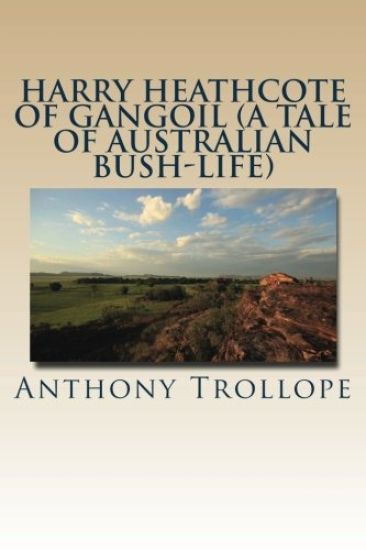
Trollope's only Australian novel, Harry Heathcote of Gangoil deals with the problems facing a young sheepfarmer, or 'squatter' (modelled after Trollope's son Frederic) in outback Australia. Using conventions of the Christmas story established by Dickens in the late 1840s, the novel shows Harry Heathcote thwarting the envious ex-convict neighbors who harbor his disgruntled former employees and who attempt to set fire to his pastures. Trollope draws heavily on his knowledge of the social and economic conditions of bush life acquired during a year-long visit to Australia in 1871-2. Anthony Trollope (24 April 1815 - 6 December 1882) was one of the most successful, prolific and respected English novelists of the Victorian era. Among his best-loved works is a series of novels collectively known as the Chronicles of Barsetshire, which revolves around the imaginary county of Barsetshire. He also wrote perceptive novels on political, social, and gender issues, and on other topical matters.Thomas Anthony Trollope, Anthony's father, was a barrister. Though a clever and well-educated man and a Fellow of New College, Oxford, he failed at the bar due to his bad temper. In addition, his ventures into farming proved unprofitable, and he lost an expected inheritance when an elderly childless uncle a] remarried and had children. As a son of landed gentry, he wanted his sons to be raised as gentlemen and to attend Oxford or Cambridge. Anthony Trollope suffered much misery in his boyhood owing to the disparity between the privileged background of his parents and their comparatively small means.Born in London, Anthony attended Harrow School as a free day pupil for three years from the age of seven because his father's farm, b] acquired for that reason, lay in that neighbourhood. After a spell at a private school at Sunbury, he followed his father and two older brothers to Winchester College, where he remained for three years. He returned to Harrow as a day-boy to reduce the cost of his education. Trollope had some very miserable experiences at these two public schools. They ranked as two of the most lite schools in England, but Trollope had no money and no friends, and was bullied a great deal. At the age of twelve, he fantasized about suicide. However, he also daydreamed, constructing elaborate imaginary worlds.In 1827, his mother Frances Trollope moved to America with Trollope's three younger siblings, to Nashoba Commune. After that failed, she opened a bazaar in Cincinnati, which proved unsuccessful. Thomas Trollope joined them for a short time before returning to the farm at Harrow, but Anthony stayed in England throughout. His mother returned in 1831 and rapidly made a name for herself as a writer, soon earning a good income. His father's affairs, however, went from bad to worse. He gave up his legal practice entirely and failed to make enough income from farming to pay rents to his landlord, Lord Northwick. In 1834, he fled to Belgium to avoid arrest for debt. The whole family moved to a house near Bruges, where they lived entirely on Frances's earnings....
Are there cosmic truths? Harry thinks there are and he's discovered one which will make life easier, simpler and more fulfilling. He wants to share this epiphany with those he loves but not only do they not want to share in his enlightenment, they feel threatened by what he has to tell them. Much is at stake - careers, lifestyles, power - if Harry pursues his truth. For Deidre, his wife - all her life she has worked to overcome the stigma of being the daughter of the neighbourhood drunk. She has struggled for social status, "respectability" and to have "nice things". Now she has attained it and more is within her grasp. She can't allow Harry to jeopardize it. For Philip, his partner - his aggressive manner, lack of sophistication, short stature, balding pate, pudgy midriff and loud ties have made him a subject of derision among his colleagues, but landing this multi-million dollar client will change all that. Soon Harry's condescension and the humiliation of his marriage will be overshadowed by the respect and power corporate success will bring. The "truth" is he only needs Harry to keep it together until the deal closes. After that, he can goddam well wander off into the wilderness if that's what he wants. For Joan, Phil's wife - the bitterness of her affair with Harry twenty years ago in college has shaped and defined her life, But not Harry's. No, he just up and left her in search for "the truth" and she had to survive as best she could on her own. Now he's about to do it again - turn her world upside down with the same selfish, irresponsible behavior. Maybe she can't stop this middle-age flight of fancy but she isn't going to let him influence her teenage daughter with all his nonsense about "following your heart". For Alexus, Joan's daughter - her parent's marriage is empty of love but filled with material possessions. How could "Uncle Harry's" truth make anything worse? Her mom's pushing her to go to college but that's just more "preparing for life". Uncle Harry's truth sounds far more appealing. Better to fill your life with experiences than just more "stuff".
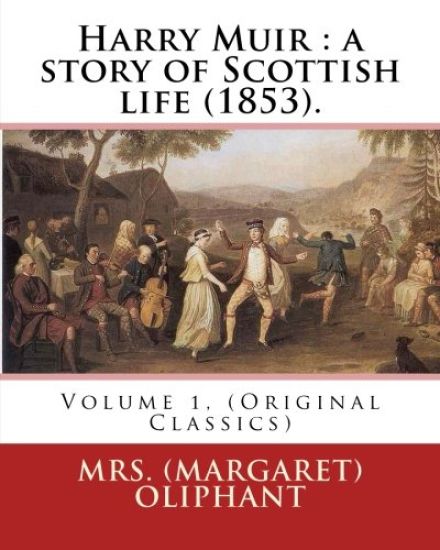
Margaret Oliphant Wilson Oliphant (n e Margaret Oliphant Wilson) (4 April 1828 - 25 June 1897), was a Scottish novelist and historical writer, who usually wrote as Mrs. Oliphant. Her fictional works encompass "domestic realism, the historical novel and tales of the supernatural". *Life* The daughter of Francis W. Wilson (c.1788-1858), a clerk, and his wife, Margaret Oliphant (c.1789-1854), she was born at Wallyford, near Musselburgh, East Lothian, and spent her childhood at Lasswade (near Dalkeith), Glasgow and Liverpool. As a girl, she constantly experimented with writing. In 1849 she had her first novel published: Passages in the Life of Mrs. Margaret Maitland. This dealt with the Scottish Free Church movement, with which Mr. and Mrs. Wilson both sympathised, and met with some success. It was followed by Caleb Field in 1851, the year in which she met the publisher William Blackwood in Edinburgh and was invited to contribute to the famous Blackwood's Magazine. The connection was to last for her whole lifetime, during which she contributed well over 100 articles, including a critique of the character of Arthur Dimmesdale in Nathaniel Hawthorne's The Scarlet Letter. In May 1852, she married her cousin, Frank Wilson Oliphant, at Birkenhead, and settled at Harrington Square in London. An artist working mainly in stained glass, her husband had delicate health, and three of their six children died in infancy, while the father himself developed alarming symptoms of tuberculosis, then known as consumption. For the sake of his health they moved in January 1859 to Florence, and then to Rome, where Frank Oliphant died. His wife, left almost entirely without resources, returned to England and took up the burden of supporting her three remaining children by her own literary activity.She had now become a popular writer, and worked with amazing industry to sustain her position. Unfortunately, her home life was full of sorrow and disappointment. In January 1864 her only remaining daughter Maggie died in Rome, and was buried in her father's grave. Her brother, who had emigrated to Canada, was shortly afterwards involved in financial ruin, and Mrs. Oliphant offered a home to him and his children, and added their support to her already heavy responsibilities.In 1866 she settled at Windsor to be near her sons who were being educated at Eton. That year, her second cousin, Annie Louisa Walker, came to live with her as a companion-housekeeper. 3] This was her home for the rest of her life, and for more than thirty years she pursued a varied literary career with courage scarcely broken by a series of the gravest troubles. The ambitions she cherished for her sons were unfulfilled. Cyril Francis, the elder, died in 1890, leaving a Life of Alfred de Musset, incorporated in his mother's Foreign Classics for English Readers, The younger, Francis (whom she called "Cecco"), collaborated with her in the Victorian Age of English Literature and won a position at the British Museum, but was rejected by Sir Andrew Clark, a famous physician. Cecco died in 1894. With the last of her children lost to her, she had but little further interest in life. Her health steadily declined, and she died at Wimbledon, London, on 25 June 1897.In the 1880s she was the literary mentor of the Irish novelist Emily Lawless. During this time Oliphant wrote several works of supernatural fiction, including the long ghost story A Beleaguered City (1880) and several short tales, including "The Open Door" and "Old Lady Mary".
Margaret Oliphant Wilson Oliphant (n e Margaret Oliphant Wilson) (4 April 1828 - 25 June 1897), was a Scottish novelist and historical writer, who usually wrote as Mrs. Oliphant. Her fictional works encompass "domestic realism, the historical novel and tales of the supernatural". *Life* The daughter of Francis W. Wilson (c.1788-1858), a clerk, and his wife, Margaret Oliphant (c.1789-1854), she was born at Wallyford, near Musselburgh, East Lothian, and spent her childhood at Lasswade (near Dalkeith), Glasgow and Liverpool. As a girl, she constantly experimented with writing. In 1849 she had her first novel published: Passages in the Life of Mrs. Margaret Maitland. This dealt with the Scottish Free Church movement, with which Mr. and Mrs. Wilson both sympathised, and met with some success. It was followed by Caleb Field in 1851, the year in which she met the publisher William Blackwood in Edinburgh and was invited to contribute to the famous Blackwood's Magazine. The connection was to last for her whole lifetime, during which she contributed well over 100 articles, including a critique of the character of Arthur Dimmesdale in Nathaniel Hawthorne's The Scarlet Letter. In May 1852, she married her cousin, Frank Wilson Oliphant, at Birkenhead, and settled at Harrington Square in London. An artist working mainly in stained glass, her husband had delicate health, and three of their six children died in infancy, while the father himself developed alarming symptoms of tuberculosis, then known as consumption. For the sake of his health they moved in January 1859 to Florence, and then to Rome, where Frank Oliphant died. His wife, left almost entirely without resources, returned to England and took up the burden of supporting her three remaining children by her own literary activity.She had now become a popular writer, and worked with amazing industry to sustain her position. Unfortunately, her home life was full of sorrow and disappointment. In January 1864 her only remaining daughter Maggie died in Rome, and was buried in her father's grave. Her brother, who had emigrated to Canada, was shortly afterwards involved in financial ruin, and Mrs. Oliphant offered a home to him and his children, and added their support to her already heavy responsibilities.In 1866 she settled at Windsor to be near her sons who were being educated at Eton. That year, her second cousin, Annie Louisa Walker, came to live with her as a companion-housekeeper. 3] This was her home for the rest of her life, and for more than thirty years she pursued a varied literary career with courage scarcely broken by a series of the gravest troubles. The ambitions she cherished for her sons were unfulfilled. Cyril Francis, the elder, died in 1890, leaving a Life of Alfred de Musset, incorporated in his mother's Foreign Classics for English Readers, The younger, Francis (whom she called "Cecco"), collaborated with her in the Victorian Age of English Literature and won a position at the British Museum, but was rejected by Sir Andrew Clark, a famous physician. Cecco died in 1894. With the last of her children lost to her, she had but little further interest in life. Her health steadily declined, and she died at Wimbledon, London, on 25 June 1897.In the 1880s she was the literary mentor of the Irish novelist Emily Lawless. During this time Oliphant wrote several works of supernatural fiction, including the long ghost story A Beleaguered City (1880) and several short tales, including "The Open Door" and "Old Lady Mary".
Adoring fans have explored much about Harry Potter, especially his classic hero's journey. However, many don't notice how the other characters suffer through the same struggle at every stage of life - one Dumbledore and Neville Longbottom pass but Draco Malfoy and Voldemort do not. Exploding into the Wizarding World in 2016, Harry Potter and the Cursed Child offered an unusual double hero's journey for Albus Severus and Scorpius and a twisted antiheroine's journey for Delphi. This book demystifies all these, unveiling the nostalgic symbolism behind the play's auguries, baby blankets, and time-turners. 2016 also introduced Ilvermorney, the American Hogwarts, and its valiant, loving founder Isolt Sayre. Uncovering her folklore and symbolism reveals a secret war between the Celtic old world and the bold pioneer spirit of the new. Meanwhile, Rowling's original characters overturn Greek, Roman, Norse, and Celtic myths, even as Harry unites King Arthur's hallows and claims the sword as destined king. Revisioning folklore from England to Africa is one of Rowling's talents, especially in Beedle the Bard. Rowling also nods to history, from Voldemort's World War II childhood and Nazi prejudice to the dazzling glitter of the 1920s, setting for Fantastic Beasts and Where to Find Them. For serious fans, an entire world of mythology waits below the surface of the ever-expanding Potterverse.