Kirjahaku
Etsi kirjoja tekijän nimen, kirjan nimen tai ISBN:n perusteella.
1000 tulosta hakusanalla Kimberly L Stringer





COMPRADOR-what's it about? Like Ayn Rand's Atlas Shrugged, this is about a singular man, who has earned the right to answer to no one but himself...and the beliefs he stands for... Setting: Recall the financial meltdown suffered by the western world in 2007? America taking the biggest hit of all. Within a decade came yet another uppercut; one too many, too hard and too quickly. Breaking the U.S. Treasury with their wild, unchecked spending schemes, the politicians had spawned yet another tailspin the country couldn't pull out of...overwhelmed by debt, with fear polluting everyday life, the vaunted free-enterprise system buckles. Tricked into coming to Washington to collect nine tons of gold owed him by the government, Rushton Culhane, a comprador nonpareil, eventually rights the mess he finds...but at huge cost to himself and to much of the world. REVIEWS: "A winner..."-Lee Iacocca "A fast-paced thriller"-Los Angeles Times "An extremely well-written story of deceit, treachery, chicanery and world power."-ALA Booklist "Clever, stylish, demanding...discomforting. The U.S. predicament seems all too plausible."-The Washington Post "Sardonic, sophisticated...this high-spirited tale is told with style, wit and economy. David Cudlip's prose is a joy."-New York Times Book Review "David Cudlip has mastered the art of international commodity trading. One of the rare books written on the art of physical commodity trading that spans the globe. As a trader myself, I must say that Cudlip has a lock on the chaos, intrigue, and stress that is involved in trading raw products. Throw in a few murders and several larger than life characters and you have a winner. If you can put this book down before finishing, I'll eat my hat."-by a customer (as posted on Amazon). "...such a good writer as David Cudlip should not be out of print -Constance Cappel, former editor of Vogue (as posted on Amazon).
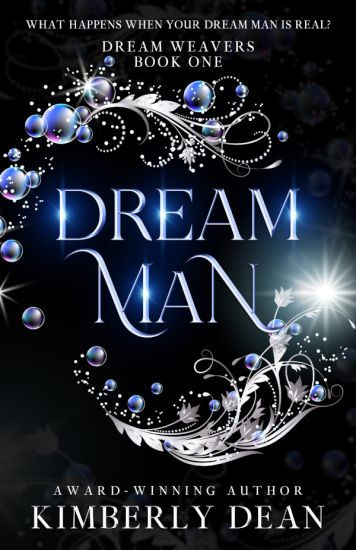
When darkness falls, Devon Bradshaw is pulled into a deeper realm. Each night, she dreams of him - her fantasy lover. She can feel his heated gaze and hear his deep breaths. His presence reaches out to her, yet as consuming as their shared desire is, they can't connect. Until she performs a love spell. Cael Oneiros is stunned when Devon appears on his cosmic plane. For months, he's watched over her as her dream weaver. As a sleeper assigned to his care, his job is to lead the beautiful redhead into REM sleep. Visiting her each night, though, has led to deeper feelings. He wasn't supposed to fall in love with her, but he has. She just wasn't supposed to be aware of him. Now every night Devon visits Cael and their connection grows - but even the most innocent of spells can have repercussions. All around town, people are acting strangely. Tempers are short, and chaos is starting to reign. Nobody is dreaming. Nobody except Devon. When her dream man shows up in flesh and blood, she has to decide if he's really the man of her heart... or the demon of her nightmares.

Research scientist Shea Caldwell has always had a thing for security consultant, Derek Oneiros. He's smart, handsome, and built like a Greek god. As attracted as she is to him, though, she's afraid to let him into her bed - because she's dangerous when she sleeps. Derek is known among his brothers as "The Machine," yet his carefully cultivated control is put to the test whenever he's around Shea. The woman is as beautiful as she is intelligent, but they've always kept things professional - until Derek learns why. Shea is sleepwalking again, but what she doesn't know is that he may be the only one who can help her. For he is a Greek god, and he's charged with protecting her dreams. With Shea threatened, Derek makes things personal, and their nights together turn steamy and intimate. He's ready to battle against the Somnambulist that's been controlling his lover in her sleep, yet is the night creature really causing all the harm? When Shea's groundbreaking research notes are stolen, it's clear that other evil forces may be at work.

Love Your Naked Ass: 80 Gentle Ways to Transform Your Life, Restore Your Serenity & Rediscover Happiness
Kimberly Riggins
Naked Book Press
2011
nidottu



In Part two of this Trilogy, Susan DiGiovanni has come into a fortune worth billions as well as ownership of a massive gold mine. Unfortunately, it cost her the love of her life and made her the target of a cabal trying to take control of the world. Roland Troth is the man Susan has to take down so she can excerpt her revenge. Troth, a member of a secret society, has reached out for help from a man even richer and more powerful than himself, Maxwell York. York is interested in one thing, establishing a neofeudalistic society with him and his associates controlling the world. To Clean up Troth's mess he hires Daniel Sampson, an ex- Special Forces operative. In a strange twist, Sampson falls in love with Susan and convinces her to team up with him to take down the entire cabal of elitists. When the most powerful of men in the world's secret societies start to fall, a power-play to fill the void draws entire nations into the fray and puts the United States in a state of panic. Susan and Sampson, the indirect cause of international collapse, looks for a way to escape and survive to fight another day.

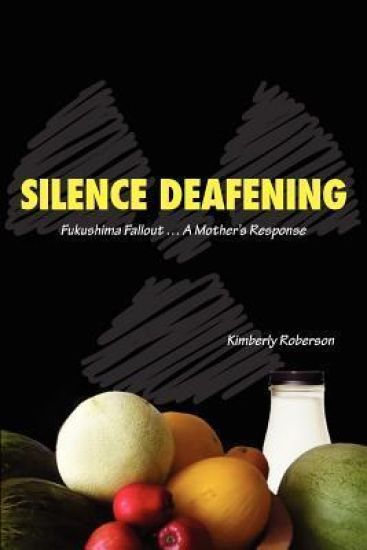
Silence Deafening - Fukushima Fallout ... A Mother's Response
Kimberly Roberson
Vision Talk
2012
pokkari
A CALL TO ACTION: Nuclear disasters and lessons learned. Facts are facts. There have been at least three major nuclear power disasters to date: Three Mile Island in 1979, Chernobyl in 1986, and Fukushima Daiichi's unprecedented three nuclear meltdowns in 2011, the worst in history. There are also many smaller nuclear accidents and near misses every year. Do we wait for another life threatening catastrophic event, or do we act now? With many aging nuclear reactors approaching re-licensure and a shaky nuclear industry engaged in a self proclaimed "Nu Clear Renaissance" (regardless of the ongoing catastrophe at Fukushima) the time to act is indeed now or never. Ms. Roberson explains in "Silence Deafening" that it is easier than many people think to create positive change in these troubling times.The US government and media have remained mostly silent on Fukushima Daiichi's impact regardless of scientists and former nuclear industry executives who have believed for many years that there are no safe levels whatsoever of radioactivity from nuclear fallout. In the spring of 2011 hardly anyone in the mainstream media was talking about it and the silence was indeed overwhelming to those who understood the real dangers of Fukushima. "Silence Deafening..." is the personal account of an environmentalist who then became a nutritionist and mother later in life. Ms Roberson writes, "I always thought it was an unusual leap from radioactive waste campaigner to nutrition and motherhood, but on March 11, 2011 those three worlds merged suddenly in a shocking way. What those combined experiences bring became startling clear: radioactive fallout from nuclear power and food do not mix, and children are especially at risk." She also observes, "Nuclear fallout is a harmful and mysterious tragedy that we can't see, taste, hear, smell or feel. Rather than recoil in fear from Fukushima Daiichi, it really serves to empower further action."Ms. Roberson explains in lay terms how the nuclear industry was took form, and the urgent need to transition to safer, sustainable, renewable forms of energy before another nuclear disaster happens. It is an inspiring story of taking notice and taking action. She notes the writings of Sandra Steingraber and the late Rachel Carson, as well as experiences gleaned from environmentalists, humanitarians, and natural health practitioners she worked with before and as founder of the Fukushima Fallout Awareness Network. The Executive Director of Food and Water Watch (the food safety watchdog which grew from Ralph Nader's Public Citizen) is one of many who have offered praises for "Silence Deafening..". "We all owe Kimberly Roberson a debt of gratitude for bringing to light the health and safety issues related to the dangerous radiation releases from Fukushima. She underscored the need for food monitoring of radiation and transparency of findings in the U.S. food supply, even if U.S. elected officials and the media choose to ignore the ongoing problem. This is a 'must read' for anyone concerned about...future generations."A younger generation of parents, caregivers and educators can learn from their experiences and then realize their own immense power in the age of the Internet. The ultimate message of "Silence Deafening..." is one of responsibility, empowerment, and the urgent need to collectively reduce consumption while we transition en masse to a safe energy future for this and future generations.

Benji, the No One, the Loser, the Rejected, the Revenge Artist
Kimberly J. Fuller
Kimberly J Fuller
2015
nidottu

The Minnesota Cabin Planning Guide & Workbook
Kimberly M. Hanlon
Protitious Publishing Inc
2015
nidottu

The Minnesota Small Business Owner's Legal Survival Guide: (how to Avoid the 15 Legal Snares That Can Ruin Your Business, Take Over Your Life, and Lea
Kimberly M. Hanlon
Protitious Publishing Inc
2018
nidottu
The plain-English legal guide for Minnesota small business ownersWhen it comes to business, ignorance isn't bliss; ignorance is risk. There's a handful of legal topics that business owners should be familiar with, at least on a rudimentary level, to reduce the risk of having something horrible come out of left field.This book is a legal guide to help you put the most common business legal issues on your radar, with enough information for you to be on alert for when you may need to get some professional advice. The intention in arming you with this information is so that you can proceed in business confidently and with fewer legal quagmires.
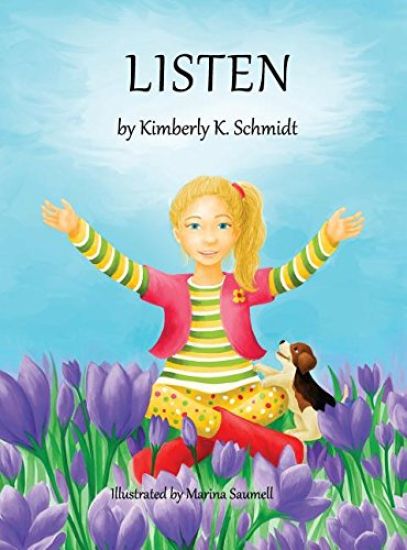
"Listen and you can hear God speaking", said Anabel's mom Featuring gorgeous illustrations and a relatable storyline, "Listen" is an inspirational and uplifting story geared toward children ages four to seven. Set on a horse farm and following the seasons of the year, young readers will find themselves learning important faith-based lessons along with the main character, Anabel, and listening carefully for the voice of God, all along the way. Young children will enjoy the "find the cat" feature as they travel through the story with Anabel, getting lost in the illustrations and searching for the pesky calico cat hiding on every page.