Socratic Testimonies offers a well-structured introduction to the study of Socrates by way of exploring some of the main writings about him from Aristophanes, Xenophon, and Plato. In this second edition, the translations have been revised and annotated by the author. An extensive bibliography of modern works on Socrates is included. The selections are accompanied by extensive and detailed annotations that clarify names and terms with which the reader many not be familiar. Intended as an introductory text for undergraduate students, Socratic Testimonies will help students gain an appreciation of the importance of the philosophical legacy and traditions associated with Socrates.
Provides a comprehensive examination of the primary sources of information concerning Socrates, and a clear analysis of the major themes associated with Socrates' philosophy.
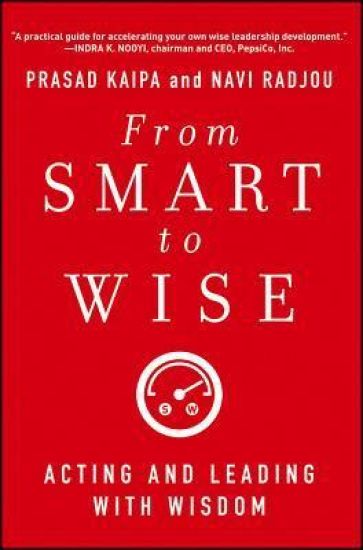
A fresh and timely approach to nurturing wise, resilient, and flexible leadership in a world of growing complexity Leaders tend to obstinately stick to the leadership style that brought them most success in the past, usually one of two extreme styles: functional leadership that focuses on operational excellence or smart leadership that focuses on growth. When a leader's focus is too functional, the organization becomes introverted and can focus too much on bottom-line profitability while missing out on top-line growth opportunities. But when leaders focus too much on smart leadership, the organization may experience quick growth but lose its effectiveness quickly. From Smart to Wise offers a new approach that balances the two styles to achieve a form of wise leadership that is both functional and smart. Drawing on inspiring real-life stories of historical and contemporary wise leaders such as Bill Gates, Warren Buffet, and even Mahatma Gandhi, the authors identify six characteristics of wise leaders and offer a practical framework to help readers develop their own style of wise leadership. A timely and innovative approach to leadershipWritten by noted speakers who conduct dozens of keynote speeches and workshops, training thousands of people annually
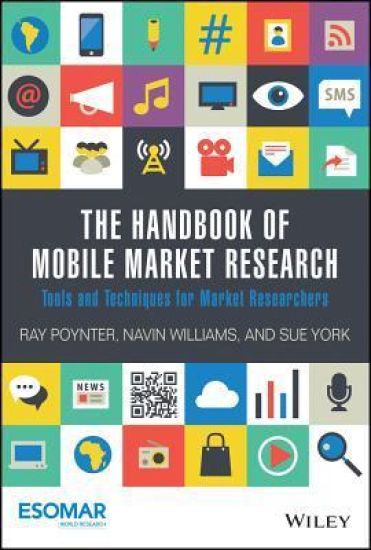
The premier guide to mobile market research The Handbook of Mobile Market Research is the first guide to focus exclusively on the use of mobile technology in market research. From a global perspective, more people own mobile phones than landlines or computers, and most people have their mobile phones with them at all times—along with their tablets, smartwatches, media players, and navigation devices. The continuous surge of mobile innovation provides unprecedented access to real-time consumer behaviour. Mobile market research allows users to reach more people, engage more people, and collect more valuable data as respondents are free to engage at their own pace, on their own time. Industry forerunners Ray Poynter, Navin Williams, and Sue York employ decades of study to examine the present and future state of mobile market research, as well as the advantages and disadvantages of various approaches. This book contains clear, comprehensive knowledge for those who implement, utilise, and study the field. Readers will learn: The characteristics, scope, and importance of mobile market researchPurposes and effects of principal tools like brand tracking, ad testing, customer satisfaction research, and research technologyHow mobile devices are used for qualitative and quantitative research by way of online focus groups, online discussions, mobile diaries, mobile ethnographies, and mobile surveysAspects and implications of mobile computer interviews, mobile phone interviews, mixed-mode research, international mobile research, and research using passive data, panels, lists, and communitiesThe significance of the mobile ecosystem, market research ethics, and research on research Designed to be accessible and helpful for beginners and advanced users alike, The Handbook of Mobile Market Research is an extensive guide to one of the most promising, dynamic methods of data collection.
BRINGS THEORY AND RESEARCH TOGETHER IN PRACTICE TO HELP READERS ADOPT HEALTHIER BEHAVIORS Health Psychology: Applying Psychological Science to Health and Wellness brings the contributions of health psychologists to students with an approach that makes their study of the subject personally meaningful. Encouraging students to examine their own health-related behaviors and attitudes, the text presents students with the latest research findings that inform our understanding of the interrelationships between psychology and health. This easily accessible textbook covers topics traditionally addressed in a health psychology course, as well as broad and deep coverage of important health-related issues relating to reproductive, sexual, and psychological health. Dedicated chapters provide the context for many health issues, such as sexually transmitted infections and their prevention, behavioral aspects of reproductive health, decision making about reproductive options, sexual dysfunctions, and psychological health issues viewed from the biopsychosocial perspective. Throughout the text, the authors use a personal writing style that injects a bit of humor to engage student readers, all the while keeping a focus on developing healthier behaviors that anyone can apply in their daily lives. AN INTERACTIVE, MULTIMEDIA LEARNING EXPERIENCE This textbook includes access to an interactive, multimedia e-text. Icons throughout the print book signal corresponding digital content in the e-text. Concept and Topic Videos Throughout the enhanced e-text, students will find a variety of videos that complement the reading with brief explorations of general psychology concepts that are relevant to the discussions of health psychology. Animations A variety of engaging animations illustrate concepts from a real-world, sometimes humorous perspective. Interactive Self-Assessments Self-scoring questionnaires stimulate interest and provide self-insight. Appearing throughout the enhanced e-text, these exercises help students satisfy their curiosity about themselves and enhance the relevance of the text to their lives. Interactive Figures, Charts, and Tables Integrated throughout the enhanced e-text, interactive figures, diagrams, and other illustrations engage students to facilitate study and strengthen retention of important information. Interactive Self-Scoring Quizzes Students can check their answers to the Review questions at the end of each major chapter section instantly and an end-of-chapter Practice Quiz helps prepare for graded assignments and exams.
The "one-size-fits-all" thinking regarding traditional RDBMSs has been challenged in the last few years by the emergence of diversified NoSQL databases. More than 120 NoSQL databases are now available in the market, and the market leader by far is MongoDB. With so many companies opting for MongoDB as their NoSQL database of choice, there's a need for a practical how-to combined with expert advice for getting the most out of the software. Beginning with a short introduction to the basics of NoSQL databases, MongoDB experts Navin Sabharwal and Shankatala Gupta Edward introduce readers to MongoDB – the leading document based NoSQL database, acquainting them step by step with all aspects of MongoDB. They cover the data model, underlying architecture, how to code using Mongo Shell, and administration of the MongoDB platform, among other topics. The book also provides clear guidelines and practical examples for architecting and developing applications using the MongoDB platform and deploying them. Database developers, architects, and database administrators will find useful information covering all aspects of the MongoDB platform and how to put it to use practically.Practical Guide to MongoDB provides readers with:A solid understanding of NoSQL databasesAn understanding of how to get started with MongoDBMethodical coverage of the architecture, development, and administration of MongoDBA plethora of "How to’s" enabling you to use the technology most efficiently to solve the problems you facePractical MongoDB is for those just starting to learning to work with NoSQL databases in general and MongoDB in particular. Skills in these areas are in demand, making this book essential reading for those who want to work more productively or break into big data work. It will prove equally useful for entrepreneurs and others who like to work with new technologies.
Are you excited about planning your next trip? Do you want to try something new while traveling? Would you like some guidance from a local? If you answered yes to any of these questions, then this book is just for you.Greater Than A Tourist by Navit Reid offers the inside scoop on San Rafael, California and Marin County. Most travel books tell you how to travel like a tourist. Although there's nothing wrong with that, as a part of the Greater than a Tourist series, this book will give you travel tips from someone who lives at your next travel destination.In these pages you'll discover local advice that will help you throughout your stay. This book will not tell you exact addresses or store hours but instead will give you an excitement and knowledge from a local that you may not find in other smaller print travel books. Travel like a local. Slow down, stay in one place, and get to know the people and the culture of a place. By the time you finish this book, you will be eager and prepared to travel to your next destination.
For a quarter century, Luis Antonio Navia worked as a high-level cocaine transporter for all of the major Colombian and Mexican drug cartels, including Pablo Escobar’s Medellín Cartel, and flooded the United States and Europe with cocaine before his dramatic arrest in Venezuela in 2000 during the 12-nation Operation Journey.The story of Navia’s rise, fall, takedown, imprisonment, and redemption is expertly researched and told by acclaimed biographer Jesse Fink, who has gathered interviews with Navia, Navia’s family, and a dozen law-enforcement agents in the United States and Great Britain from agencies such as the DEA, ICE and Her Majesty’s Customs and Excise (now Her Majesty’s Revenue and Customs). Told in vivid detail, this true crime story will captivate the reader from start to finish.
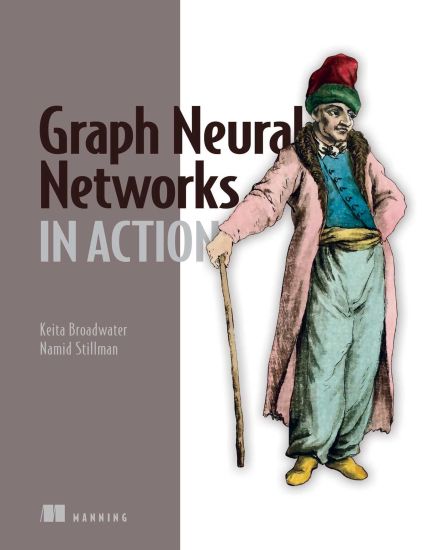
A hands-on guide to powerful graph-based deep learning models! Graph Neural Networks in Action is a great guide about how to build cutting-edge graph neural networks and powerful deep learning models for recommendation engines, molecular modeling, and more. You will learn how to both design and train your models, and how to develop them into practical applications you can deploy to production. Ideal for Python programmers, you will also explore common graph neural network architectures and cutting-edge libraries, all clearly illustrated with well-annotated Python code. The main features include: Train and deploy a graph neural networkGenerate node embeddingsUse GNNs at scale for very large datasetsBuild a graph data pipelineCreate a graph data schemaUnderstand the taxonomy of GNNsManipulate graph data with NetworkX Go hands-on and explore relevant real-world projects as you dive into graph neural networks perfect for node prediction, link prediction, and graph classification. About the technology Graph neural networks expand the capabilities of deep learning beyond traditional tabular data, text, and images. This exciting new approach brings the amazing capabilities of deep learning to graph data structures, opening up new possibilities for everything – from recommendation engines to pharmaceutical research.
There is no doubt that education plays a crucial role in the contemporary world. Africa, including Kenya cannot be excluded from the global society. Despite many problems that COVID-19 has caused to the world, some positive moments could be underlined. Online teaching provides possibilities of learning anywhere with the Internet connection and convenient time. What is more problematic in Africa is lack of knowledge on how to teach online. That is why these aspects should be studied more profoundly. Learning online is a great advantage in our modern world giving much more possibilities than before. The paper describes an attempt to focus on the ways of Coronavirus impact on African education. A special attention is paid to Kenya. Maybe for Europe or America countries this study is not so significant, but for African continent it is a real breakthrough. The study also provides some data on the attitude to education and its recent changes. Education stakeholders should facilitate schools to acquire essential equipment for I.C.T. It was also recommended that In-Service Education and Training (INSETS) be organized for teachers to equip them with digital competencies.The results of this study are of good basis for other investigations with the similar problems aimed at analysis of the influence of COVID-19 on Education. The ways of mitigating negative impact of the current situation and improvement of online courses introduction for both students and teachers were discussed deeper and taken into consideration. The study findings also, provide additional knowledge of teaching approaches in schools.
The Grim Years: Settling South Carolina, 1670-1720 is a graphic account of South Carolina's tumultuous beginnings, when calamity, violence, and ruthless exploitation were commonplace. With extraordinary detail and analysis, John J. Navin reveals the hardships that were experienced by people of all ethnicities and all stations in life during the first half-century of South Carolina's existence--years of misery caused by nature, pathogens, greed, and recklessness. From South Carolina's founding in 1670 through 1720, a cadre of men rose to political and economic prominence, while ordinary colonists, enslaved Africans, and indigenous groups became trapped in a web of violence and oppression. Navin explains how eight English aristocrats, the Lords Proprietors, came to possess the vast Carolina grant and then enacted elaborate plans to recruit and control colonists as part of a grand moneymaking scheme. But those plans went awry, and the mainstays of the economy became hog and cattle ranching, lumber Products, naval stores, deerskin exports, and the calamitous Indian slave trade. The Settlers' relentless pursuit of wealth Set the colony on a path toward prosperity but also toward a fatal dependency on slave labor. Rice would produce immense fortunes in South Carolina, but not during the colony's first fifty years. Religious and political turmoil instigated by Settlers from Barbados eventually led to a total rejection of proprietary authority. Using a variety of primary sources, Navin describes challenges that colonists faced, Setbacks they experienced, and the effects of policies and practices initiated by elites and proprietors. Storms, fires, epidemics, and armed conflicts destroyed property, lives, and dreams. Threatened by the Native Americans they exploited, by the Africans they enslaved, and by their French and Spanish rivals, South Carolinians lived in continual fear. For some it was the Price they paid for financial success. But for most there were no riches, and the possibility of a sudden, violent death was overshadowed by the misery of their day-to-day existence.
The Grim Years: Settling South Carolina, 1670-1720 is a graphic account of South Carolina's tumultuous beginnings, when calamity, violence, and ruthless exploitation were commonplace. With extraordinary detail and analysis, John J. Navin reveals the hardships that were experienced by people of all ethnicities and all stations in life during the first half-century of South Carolina's existence—years of misery caused by nature, pathogens, greed, and recklessness. From South Carolina's founding in 1670 through 1720, a cadre of men rose to political and economic prominence, while ordinary colonists, enslaved Africans, and indigenous groups became trapped in a web of violence and oppression. Navin explains how eight English aristocrats, the Lords Proprietors, came to possess the vast Carolina grant and then enacted elaborate plans to recruit and control colonists as part of a grand moneymaking scheme. But those plans went awry, and the mainstays of the economy became hog and cattle ranching, lumber products, naval stores, deerskin exports, and the calamitous Indian slave trade. The settlers' relentless pursuit of wealth set the colony on a path toward prosperity but also toward a fatal dependency on slave labour. Rice would produce immense fortunes in South Carolina, but not during the colony's first fifty years. Religious and political turmoil instigated by settlers from Barbados eventually led to a total rejection of proprietary authority. Using a variety of primary sources, Navin describes challenges that colonists faced, setbacks they experienced, and the effects of policies and practices initiated by elites and proprietors. Storms, fires, epidemics, and armed conflicts destroyed property, lives, and dreams. Threatened by the Native Americans they exploited, by the Africans they enslaved, and by their French and Spanish rivals, South Carolinians lived in continual fear. For some it was the price they paid for financial success. But for most there were no riches, and the possibility of a sudden, violent death was overshadowed by the misery of their day-to-day existence.