We thank Ekman & Co AB and Gadelius Holding Ltd for their kind and generous support, making this research available online for free.Lottaz and Ottosson explore the intricate relationship between neutral Sweden and Imperial Japan during the latter’s 15 years of warfare in Asia and in the Pacific. While Sweden’s relationship with European Axis powers took place under the premise of existential security concerns, the case of Japan was altogether different. Japan never was a threat to Sweden, militarily or economically. Nevertheless, Stockholm maintained a close relationship with Tokyo until Japan’s surrender in 1945. This book explores the reasons for that and therefore provides a study on the rationale and the value of neutrality in the Long Second World War. Sweden, Japan, and the Long Second World War is a valuable resource for scholars of the Second World War and of the history of neutrality.
We thank Ekman & Co AB and Gadelius Holding Ltd for their kind and generous support, making this research available online for free.Lottaz and Ottosson explore the intricate relationship between neutral Sweden and Imperial Japan during the latter’s 15 years of warfare in Asia and in the Pacific. While Sweden’s relationship with European Axis powers took place under the premise of existential security concerns, the case of Japan was altogether different. Japan never was a threat to Sweden, militarily or economically. Nevertheless, Stockholm maintained a close relationship with Tokyo until Japan’s surrender in 1945. This book explores the reasons for that and therefore provides a study on the rationale and the value of neutrality in the Long Second World War. Sweden, Japan, and the Long Second World War is a valuable resource for scholars of the Second World War and of the history of neutrality.
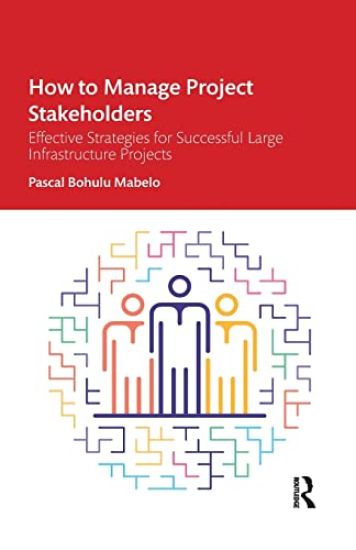
This book outlines how to identify stakeholders, analyse theirs stakes, and plan and implement an engagement strategy to secure relevant input and dependable buy-in to assure the successful delivery of Large Infrastructure Projects. It also addresses common stakeholder management "inadequacies" and is supplemented with four extended practical exercises to help readers apply the principles to their own large, complex projects and ensure project success.The project management industry, particularly the Large Infrastructure Projects domain, has only recently awakened to the reality that failed Stakeholder Management probably leads to a failure of the project altogether. Due to the complexities involved, most traditional approaches to managing stakeholders have developed serious difficulties in dealing with large and complex projects. This book presents a Systems Thinking approach to managing stakeholders that accommodates these complexities and seeks to crystallise the notion that "managing projects means managing stakeholders", while also introducing an ethical perspective (i.e., stakeholders have legitimate rights regardless of their power to influence the project). This shifts the paradigm from "Management of Stakeholders" to "Management for Stakeholders".It is essential reading for all those involved with managing large projects including project managers, sponsors, and executives. It will also be useful for advanced students of project management and systems engineering looking to understand and expand their knowledge of infrastructure projects and Systems Engineering.
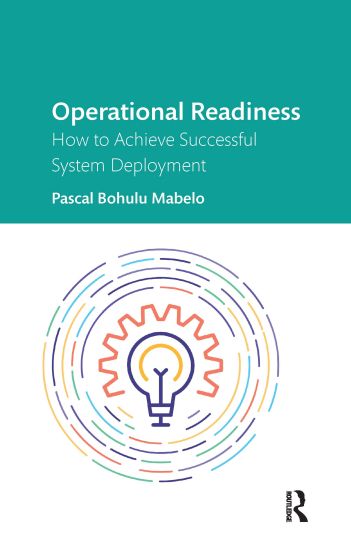
This book offers a guide on how to prepare business and operational environments to safely receive and effectively utilise systems (i.e., products of projects) to prevent successfully completed systems from failing to add value to their intended environment. It is supplemented with four extended practical exercises to help readers apply the principles to their own large, complex projects and ensure project success.Operational Readiness remains one of the least developed practices of both Project Management (PM) and Systems Engineering (SE). As a result, satisfactorily completed "systems" (e.g., satellites, aircrafts, mine shafts, power plants, road and rail networks, hospitals, and schools), completed on time, on budget, and to specification, are often failing to add value by providing improvements in their intended operational environment. In numerous cases, System Deployment is also accompanied by adverse and detrimental effects on the business and operational environments, and at times on the broader environment (e.g., persistent pollution, negative economic externalities, exacerbation of social ills such as deprivation and crime). In this book, the author discusses both the process and challenges of deploying the product into its intended operational environment and offers guidance to enable organisations to benefit from a holistic framework for Operational Readiness.This forward-thinking book is essential reading for all those involved with managing large projects including project managers, sponsors, and executives. It will also be useful for advanced students of Project Management and Systems Engineering looking to understand and expand their knowledge of Operational Readiness, infrastructure projects, and systems deployment.
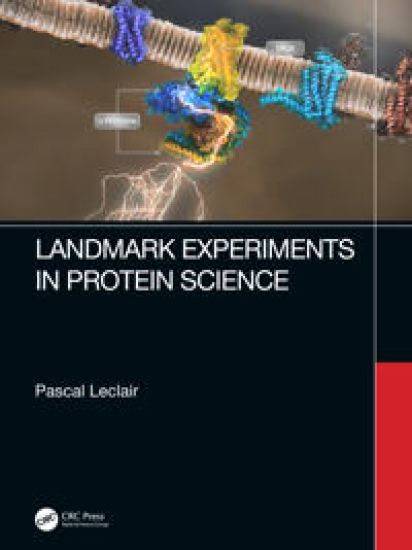
Proteins are the workhorses of cells, performing most of the important functions which allow cells to use nutrients and grow, communicate among each other, and importantly, die if aberrant behavior is detected. How were proteins discovered? What is their role in cells? How do dysfunctional proteins give rise to cancers? Landmark Experiments in Protein Science explores the manner in which the inner workings of cells were elucidated, with a special emphasis on the role of proteins. Experiments are discussed in a manner as to understand what questions were being asked that prompted the experiments and what technical challenges were faced in the process; and results are presented and discussed using primary data and graphs.Key FeaturesDescribes landmark experiments in cell biology and biochemistryDiscusses the "How" and "Why" of historically important experimentsIncludes primary, original data and graphsEmphasizes biological techniques, that help understand how many of the experiments performed were possibleDocuments, chronologically, how each result fed into the next experiments
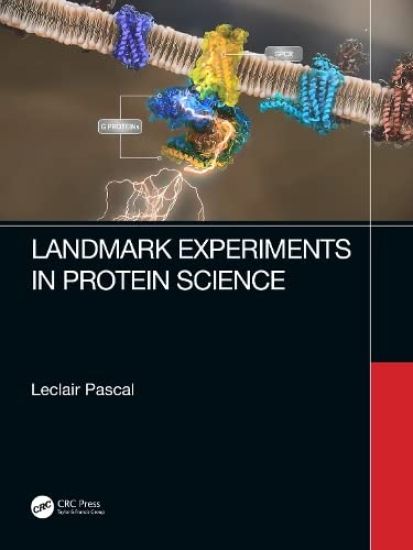
Proteins are the workhorses of cells, performing most of the important functions which allow cells to use nutrients and grow, communicate among each other, and importantly, die if aberrant behavior is detected. How were proteins discovered? What is their role in cells? How do dysfunctional proteins give rise to cancers? Landmark Experiments in Protein Science explores the manner in which the inner workings of cells were elucidated, with a special emphasis on the role of proteins. Experiments are discussed in a manner as to understand what questions were being asked that prompted the experiments and what technical challenges were faced in the process; and results are presented and discussed using primary data and graphs.Key FeaturesDescribes landmark experiments in cell biology and biochemistryDiscusses the "How" and "Why" of historically important experimentsIncludes primary, original data and graphsEmphasizes biological techniques, that help understand how many of the experiments performed were possibleDocuments, chronologically, how each result fed into the next experiments
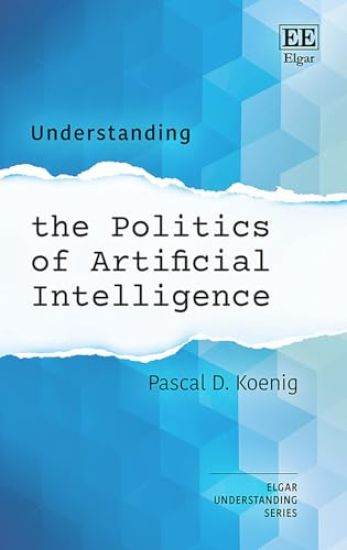
This interdisciplinary book provides a comprehensive overview of the relationship between artificial intelligence (AI) and politics. Pascal D. Koenig analyzes what politicizes AI, describes the distinct facets of this relationship, and how they interconnect.Incorporating a wide range of perspectives on AI and politics, Koenig explores technology design, how AI can engineer social relations, as well as its appearance in societal narratives, public opinion, and geopolitics. He reveals its manifold impacts on society, such as through automation and decision support tools in the public and private sector or the growing use of virtual assistants, and how these effects vary in visibility. The book also discusses the extent to which AI has become politicized, encompassing how it has been targeted by governance, data concerns, and the influence of private actors. Ultimately, Koenig concludes that the kinds of politics of AI with the greatest impact on society are often subtle and far removed from day-to-day politics.Understanding the Politics of Artificial Intelligence is a crucial resource for scholars and students of innovation policy, disruptive technologies and AI, international politics, and regulation and governance. It is also a beneficial read for practitioners and policymakers working on technology policy and governance who are interested in the intersection of AI and politics.
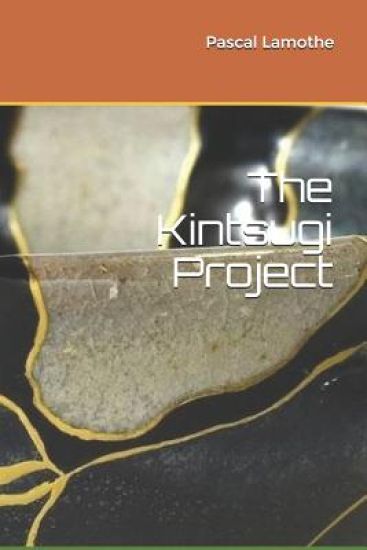
Own your story protect your dream while powering with resilience through an anxious world. When face against the odds we may fail and fall apart but there is beauty in the failure, especially when the beauty is you. Come journey on to a self-reflective approach in healing and driven design of the Kintsugi Project.
Ein Bilderbuch ab 3 Jahre, welches den Kindern zeigt wie sch n und wichtig, teilen und helfen im Alltag sein kann.Als der Bauernhof der Eltern an den lteren Sohn weitergegeben wird, schickt dieser seinen Bruder Hannes weg. Er will den Bauernhof allein f hren. Hannes wandert mit den Ziegen zu einem gro en Berg. Eines Morgens h rt er jemanden um Hilfe schreien. Ein alter Bauer auf einem gro en Hof ist verungl ckt. Hannes hilft, wo er nur kann. Zum Dank darf er den gro en Hof bernehmen. Der Bruder von Hannes versteht nun, wie wichtig es ist, im Leben auch zu teilen.Eine Kinder Geschichte die ich meinem Sohn immer wieder erz hlen musste Von dieser Gutenachtgeschichte, die ich meinem Sohn erz hlte, wollte er eine Audioaufnahme haben. So kam es, dass er die Geschichte vom gl cklichen Bauern immer wieder h rte. Freunde und Familie, die diese Geschichte ebenfalls spannend fanden, brachten mich auf die Idee, ein Bilderbuch daraus zu machen. berw ltigt von all den gro artigen Feedbacks und Kinderbuch BestsellerIch m chte mich bei allen Buch Lesern herzlich bedanken f r die gro artigen Feedbacks. Ich war sehr berrascht als das Buch sogar einige Tage als Kinderbuch Bestseller neben all den Kinderbuch Klassiker platziert wurde. Vielen lieben Dank hierf r
Why do young Saudis, night after night, joyride and skid cars on Riyadh's avenues? Who are these 'drifters' who defy public order and private property? What drives their revolt? Based on four years of fieldwork in Riyadh, Pascal Menoret's Joyriding in Riyadh explores the social fabric of the city and connects it to Saudi Arabia's recent history. Car drifting emerged after Riyadh was planned, and oil became the main driver of the economy. For young rural migrants, it was a way to reclaim alienating and threatening urban spaces. For the Saudi state, it jeopardized its most basic operations: managing public spaces and enforcing law and order. A police crackdown soon targeted car drifting, feeding a nation-wide moral panic led by religious activists who framed youth culture as a public issue. This book retraces the politicization of Riyadh youth and shows that, far from being a marginal event, car drifting is embedded in the country's social violence and economic inequality.
As Director-General of the World Trade Organization, Pascal Lamy chaired the Doha Round of negotiations and witnessed a rapidly changing international trade environment. In his first book since leaving the WTO, Lamy reflects on his time there and outlines his views on the significance of open trade in generating global economic growth, reducing poverty and creating jobs around the world. He argues that trade can only act as a motor for growth if the correct mix of domestic and international economic and social policies is in place. This approach – the 'Geneva Consensus' – requires deeper cooperation and policy coherence between the international organizations active in setting international economic, social and political policies. The Geneva Consensus describes the ongoing efforts to put this into effect, calling for more effective global governance to tackle the challenges of globalization. It also examines relationships between trade and the key social, economic and political issues of our time.
Intellectual property issues in the film industry are often highly complex and in today's world are evolving rapidly. In this second edition of Film Copyright in the European Union, Pascal Kamina unravels the complexities of film protection in twenty-eight member states of the European Union, including thirteen new member states who have joined since the first edition. As well as addressing key aspects of film copyright, Pascal Kamina also deals with the protection of film works within the European Union in the context of European harmonisation of copyright laws. Including a new chapter on copyright enforcement, this second edition details the substantial developments in EU law during the last decade, including major cases for the European Court of Justice, new treaties and new directives. This book will interest practitioners, academics and students. The developments on contracts and moral rights will be of particular interest to lawyers outside continental Europe.
As Director-General of the World Trade Organization, Pascal Lamy chaired the Doha Round of negotiations and witnessed a rapidly changing international trade environment. In his first book since leaving the WTO, Lamy reflects on his time there and outlines his views on the significance of open trade in generating global economic growth, reducing poverty and creating jobs around the world. He argues that trade can only act as a motor for growth if the correct mix of domestic and international economic and social policies is in place. This approach – the 'Geneva Consensus' – requires deeper cooperation and policy coherence between the international organizations active in setting international economic, social and political policies. The Geneva Consensus describes the ongoing efforts to put this into effect, calling for more effective global governance to tackle the challenges of globalization. It also examines relationships between trade and the key social, economic and political issues of our time.
The Retinoids: Biology, Biochemistry, and Disease provides an overview and synthesis of the retinoid molecules, from basic biology to mechanisms of diseases and therapy. Divided into five sections, the book covers retinoic acid signaling from biochemical, genetic, developmental, and clinical perspectives. The text is divided into five sections, the first of which examines vitamin A metabolic and enzymatic pathways. Focus then shifts to the role of retinoic acid signaling in development, and then to retinoids and physiological function. The book concludes with chapters on retinoids, disease and therapy. Comprehensive in scope and written by leading researchers in the field, The Retinoids: Biology, Biochemistry, and Disease will be an essential reference for biologists, biochemists, geneticists and developmental biologists, as well as for clinicians and pharmacists engaged in clinical research involving retinoids.
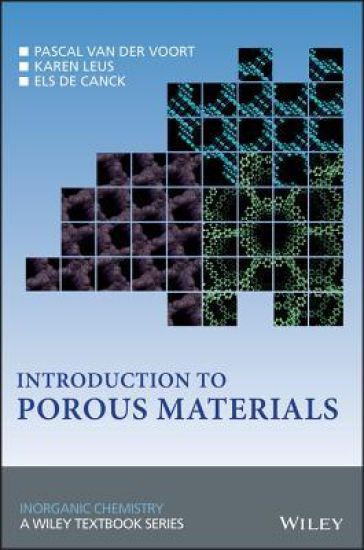
The first comprehensive textbook on the timely and rapidly developing topic of inorganic porous materials This is the first textbook to completely cover a broad range of inorganic porous materials. It introduces the reader to the development of functional porous inorganic materials, from the synthetic zeolites in the 50’s, to today’s hybrid materials such as metal-organic frameworks (MOFs), covalent organic frameworks (COFs) and related networks. It also provides the necessary background to understand how porous materials are organized, characterized, and applied in adsorption, catalysis, and many other domains. Additionally, the book explains characterization and application from the materials scientist viewpoint, giving the reader a practical approach on the characterization and application of the respective materials. Introduction to Inorganic Porous Materials begins by describing the basic concepts of porosity and the different types of pores, surfaces, and amorphous versus crystalline materials, before introducing readers to nature’s porous materials. It then goes on to cover everything from adsorption and catalysis to amorphous materials such as silica to inorganic carbons and Periodic Mesoporous Organosilicas (PMOs). It discusses the synthesis and applications of MOFs and the broad family of COFs. It concludes with a look at future prospects and emerging trends in the field. The only complete book of its kind to cover the wide variety of inorganic and hybrid porous materialsA comprehensive reference and outstanding tool for any course on inorganic porous materials, heterogeneous catalysis, and adsorptionGives students and investigators the opportunity to learn about porous materials, how to characterize them, and understand how they can be applied in different fields Introduction to Inorganic Porous Materials is an excellent book for students and professionals of inorganic chemistry and materials science with an interest in porous materials, functional inorganic materials, heterogeneous catalysis and adsorption, and solid state characterization techniques.
As an applied science, enology is a collection of knowledge from the fundamental sciences including chemistry, biochemistry, microbiology, bioengineering, psychophysics, cognitive psychology, etc., and nourished by empirical observations. The approach used in the Handbook of Enology is thus the same. It aims to provide practitioners, winemakers, technicians and enology students with foundational knowledge and the most recent research results. This knowledge can be used to contribute to a better definition of the quality of grapes and wine, a greater understanding of chemical and microbiological parameters, with the aim of ensuring satisfactory fermentations and predicting the evolution of wines, an7thd better mastery of wine stabilization processes. As a result, the purpose of this publication is to guide readers in their thought processes with a view to preserving and optimizing the identity and taste of wine and its aging potential. This third English edition of The Handbook of Enology, is an enhanced translation from the 7h French 2017 edition, and is published in print as individual themed volumes and as a two-volume set, describing aspects of winemaking using a detailed, scientific approach. The authors, who are highly-respected enologists, examine winemaking processes, theorizing what constitutes a perfect technique and the proper combination of components necessary to produce a quality vintage. They also illustrate methodologies of common problems, revealing the mechanism behind the disorder, thus enabling a diagnosis and solution. Volume 1: The Microbiology of Wine and Vinifications addresses the first phase of winemaking to produce an "unfinished" wine: grading grape quality and maturation, yeast biology then adding it to the grape crush and monitoring its growth during vinification; and identifying and correcting undesired conditions, such as unbalanced lactic and acetic acid production, use of sulfur dioxide and alternatives, etc. Coverage includes: Wine microbiology; Yeasts; Yeast metabolism; The conditions for the development of yeasts; Lactic acid bacteria, their metabolism and their development in wine; Acetic bacteria; The use of sulfur dioxide in the treatment of musts and wines; Products and processes acting in addition to sulfur dioxide; Winemaking; The grape and its maturation; Harvesting and processing of grapes after harvest; Vinification in red and white wine making. The target audience includes advanced viticulture and enology students, professors and researchers, and practicing grape growers and vintners.
As an applied science, Enology is a collection of knowledge from the fundamental sciences including chemistry, biochemistry, microbiology, bioengineering, psychophysics, cognitive psychology, etc., and nourished by empirical observations. The approach used in the Handbook of Enology is thus the same. It aims to provide practitioners, winemakers, technicians and enology students with foundational knowledge and the most recent research results. This knowledge can be used to contribute to a better definition of the quality of grapes and wine, a greater understanding of chemical and microbiological parameters, with the aim of ensuring satisfactory fermentations and predicting the evolution of wines, and better mastery of wine stabilization processes. As a result, the purpose of this publication is to guide readers in their thought processes with a view to preserving and optimizing the identity and taste of wine and its aging potential. This third English edition of The Handbook of Enology, is an enhanced translation from the 7th French 2017 edition, and is published as a two-volume set describing aspects of winemaking using a detailed, scientific approach. The authors, who are highly-respected enologists, examine winemaking processes, theorizing what constitutes a perfect technique and the proper combination of components necessary to produce a quality vintage. They also illustrate methodologies of common problems, revealing the mechanism behind the disorder, thus enabling a diagnosis and solution. The Handbook describes winemaking in two phases: Volume 1: The Microbiology of Wine and Vinifications addresses the first phase of winemaking to produce an "unfinished" wine: grading grape quality and maturation, yeast biology then adding it to the grape crush and monitoring its growth during vinification; and identifying and correcting undesired conditions, such as unbalanced lactic and acetic acid production, use of sulfur dioxide and alternatives, etc. Coverage includes: Wine microbiology; Yeasts; Yeast metabolism; The conditions for the development of yeasts; Lactic acid bacteria, their metabolism and their development in wine; Acetic bacteria; The use of sulfur dioxide in the treatment of musts and wines; Products and processes acting in addition to sulfur dioxide; Winemaking; The grape and its maturation; Harvesting and processing of grapes after harvest; Vinification in red and white wine making. Volume 2: The Chemistry of Wine and Stabilization and Treatments looks at the wine itself in two parts. Part One analyzes the chemical makeup of wine, including organic acids, alcoholic, volatile and phenolic compounds, carbohydrates, and aromas. Part Two describes the procedures necessary to achieve a perfect wine: the clarification processes of fining, filtering and centrifuging, stabilization, and aging. Coverage includes: Wine chemistry; Organic acids; Alcohols and other volatile products; Carbohydrates; Dry extract and mineral matter; Nitrogen substances; Phenolic compounds; The aroma of grape varieties; The chemical nature, origin and consequences of the main organoleptic defects; Stabilization and treatment of wines; The chemical nature, origin and consequences of the main organoleptic defects; The concept of clarity and colloidal phenomena; Clarification and stabilization treatments; Clarification of wines by filtration and centrifugation; The stabilization of wines by physical processes; The aging of wines in vats and in barrels and aging phenomena. The target audience includes advanced viticulture and enology students, professors and researchers, and practicing grape growers and vintners.
As an applied science, Enology is a collection of knowledge from the fundamental sciences including chemistry, biochemistry, microbiology, bioengineering, psychophysics, cognitive psychology, etc., and nourished by empirical observations. The approach used in the Handbook of Enology is thus the same. It aims to provide practitioners, winemakers, technicians and enology students with foundational knowledge and the most recent research results. This knowledge can be used to contribute to a better definition of the quality of grapes and wine, a greater understanding of chemical and microbiological parameters, with the aim of ensuring satisfactory fermentations and predicting the evolution of wines, and better mastery of wine stabilization processes. As a result, the purpose of this publication is to guide readers in their thought processes with a view to preserving and optimizing the identity and taste of wine and its aging potential. This third English edition of The Handbook of Enology, is an enhanced translation from the 7th French 2017 edition, and is published as a two-volume set describing aspects of winemaking using a detailed, scientific approach. The authors, who are highly-respected enologists, examine winemaking processes, theorizing what constitutes a perfect technique and the proper combination of components necessary to produce a quality vintage. They also illustrate methodologies of common problems, revealing the mechanism behind the disorder, thus enabling a diagnosis and solution. Volume 2: The Chemistry of Wine and Stabilization and Treatments looks at the wine itself in two parts. Part One analyzes the chemical makeup of wine, including organic acids, alcoholic, volatile and phenolic compounds, carbohydrates, and aromas. Part Two describes the procedures necessary to achieve a perfect wine: the clarification processes of fining, filtering and centrifuging, stabilization, and aging. Coverage includes: Wine chemistry; Organic acids; Alcohols and other volatile products; Carbohydrates; Dry extract and mineral matter; Nitrogen substances; Phenolic compounds; The aroma of grape varieties; The chemical nature, origin and consequences of the main organoleptic defects; Stabilization and treatment of wines; The chemical nature, origin and consequences of the main organoleptic defects; The concept of clarity and colloidal phenomena; Clarification and stabilization treatments; Clarification of wines by filtration and centrifugation; The stabilization of wines by physical processes; The aging of wines in vats and in barrels and aging phenomena. The target audience includes advanced viticulture and enology students, professors and researchers, and practicing grape growers and vintners.