Kirjojen hintavertailu. Mukana 11 416 983 kirjaa ja 12 kauppaa.

Kirjahaku

Etsi kirjoja tekijän nimen, kirjan nimen tai ISBN:n perusteella.

1000 tulosta hakusanalla Ralph E.H. Sims

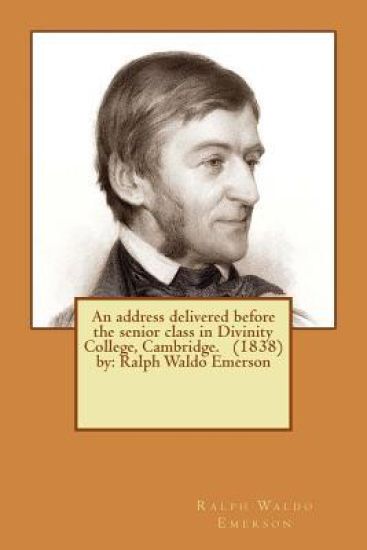
An address delivered before the senior class in Divinity College, Cambridge. (1838) by: Ralph Waldo Emerson
Ralph Waldo Emerson (May 25, 1803 - April 27, 1882), known professionally as Waldo Emerson, was an American essayist, lecturer, and poet who led the transcendentalist movement of the mid-19th century. He was seen as a champion of individualism and a prescient critic of the countervailing pressures of society, and he disseminated his thoughts through dozens of published essays and more than 1,500 public lectures across the United States. Emerson gradually moved away from the religious and social beliefs of his contemporaries, formulating and expressing the philosophy of transcendentalism in his 1836 essay "Nature". Following this groundbreaking work, he gave a speech entitled "The American Scholar" in 1837, which Oliver Wendell Holmes Sr. considered to be America's "intellectual Declaration of Independence".
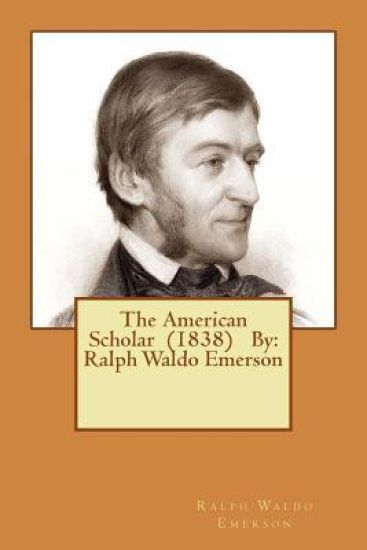
The American Scholar (1838) By: Ralph Waldo Emerson

The American Scholar (1838) By: Ralph Waldo Emerson

Ralph Waldo Emerson

Createspace Independent Publishing Platform
2016
nidottu
Ralph Waldo Emerson (May 25, 1803 - April 27, 1882), known professionally as Waldo Emerson, was an American essayist, lecturer, and poet who led the transcendentalist movement of the mid-19th century. He was seen as a champion of individualism and a prescient critic of the countervailing pressures of society, and he disseminated his thoughts through dozens of published essays and more than 1,500 public lectures across the United States. Emerson gradually moved away from the religious and social beliefs of his contemporaries, formulating and expressing the philosophy of transcendentalism in his 1836 essay "Nature". Following this groundbreaking work, he gave a speech entitled "The American Scholar" in 1837, which Oliver Wendell Holmes Sr. considered to be America's "intellectual Declaration of Independence".
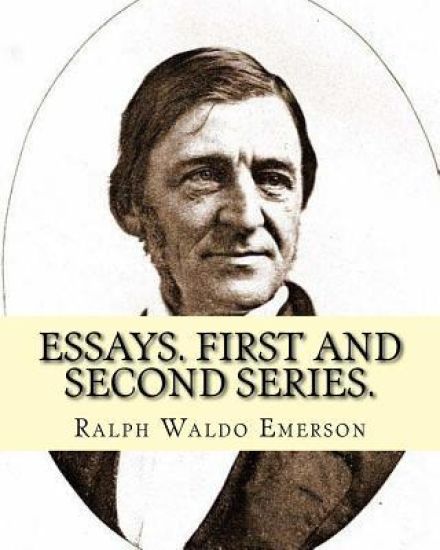
Essays. First and second series. By: Ralph Waldo Emerson: (Essays) Ralph Waldo Emerson (May 25, 1803 - April 27, 1882), known professionally as Waldo
Ralph Waldo Emerson (May 25, 1803 - April 27, 1882), known professionally as Waldo Emerson, was an American essayist, lecturer, and poet who led the transcendentalist movement of the mid-19th century. He was seen as a champion of individualism and a prescient critic of the countervailing pressures of society, and he disseminated his thoughts through dozens of published essays and more than 1,500 public lectures across the United States. Emerson gradually moved away from the religious and social beliefs of his contemporaries, formulating and expressing the philosophy of transcendentalism in his 1836 essay "Nature". Following this groundbreaking work, he gave a speech entitled "The American Scholar" in 1837, which Oliver Wendell Holmes Sr. considered to be America's "intellectual Declaration of Independence". Emerson wrote most of his important essays as lectures first and then revised them for print. His first two collections of essays, Essays: First Series (1841) and Essays: Second Series (1844), represent the core of his thinking. They include the well-known essays "Self-Reliance", "The Over-Soul", "Circles", "The Poet" and "Experience". Together with "Nature", these essays made the decade from the mid-1830s to the mid-1840s Emerson's most fertile period. Emerson wrote on a number of subjects, never espousing fixed philosophical tenets, but developing certain ideas such as individuality, freedom, the ability for humankind to realize almost anything, and the relationship between the soul and the surrounding world. Emerson's "nature" was more philosophical than naturalistic: "Philosophically considered, the universe is composed of Nature and the Soul". Emerson is one of several figures who "took a more pantheist or pandeist approach by rejecting views of God as separate from the world." He remains among the linchpins of the American romantic movement, and his work has greatly influenced the thinkers, writers and poets that followed him. When asked to sum up his work, he said his central doctrine was "the infinitude of the private man."Emerson is also well known as a mentor and friend of Henry David Thoreau, a fellow transcendentalist.
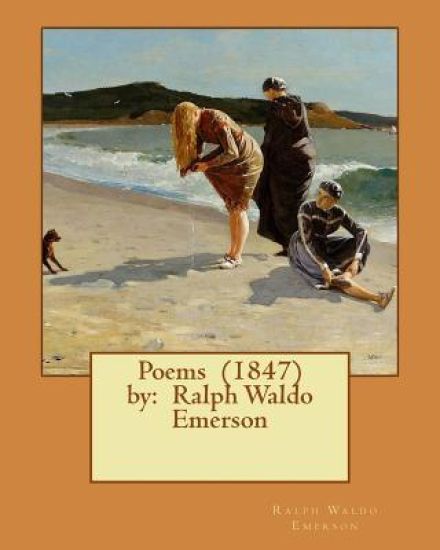
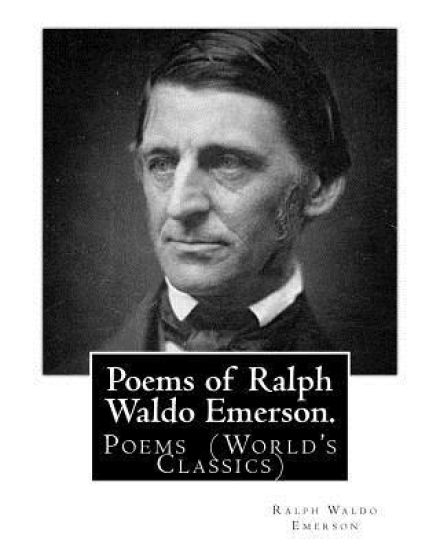
Poems of Ralph Waldo Emerson. By: Ralph Waldo Emerson: Poems (World's Classics)

Poems of Ralph Waldo Emerson. By: Ralph Waldo Emerson: Poems (World's Classics)

Ralph Waldo Emerson

Createspace Independent Publishing Platform
2016
nidottu
Ralph Waldo Emerson (May 25, 1803 - April 27, 1882), known professionally as Waldo Emerson, was an American essayist, lecturer, and poet who led the transcendentalist movement of the mid-19th century. He was seen as a champion of individualism and a prescient critic of the countervailing pressures of society, and he disseminated his thoughts through dozens of published essays and more than 1,500 public lectures across the United States. Emerson gradually moved away from the religious and social beliefs of his contemporaries, formulating and expressing the philosophy of transcendentalism in his 1836 essay "Nature". Following this groundbreaking work, he gave a speech entitled "The American Scholar" in 1837, which Oliver Wendell Holmes Sr. considered to be America's "intellectual Declaration of Independence". Emerson wrote most of his important essays as lectures first and then revised them for print. His first two collections of essays, Essays: First Series (1841) and Essays: Second Series (1844), represent the core of his thinking. They include the well-known essays "Self-Reliance", "The Over-Soul", "Circles", "The Poet" and "Experience". Together with "Nature", these essays made the decade from the mid-1830s to the mid-1840s Emerson's most fertile period. Emerson wrote on a number of subjects, never espousing fixed philosophical tenets, but developing certain ideas such as individuality, freedom, the ability for humankind to realize almost anything, and the relationship between the soul and the surrounding world. Emerson's "nature" was more philosophical than naturalistic: "Philosophically considered, the universe is composed of Nature and the Soul". Emerson is one of several figures who "took a more pantheist or pandeist approach by rejecting views of God as separate from the world." He remains among the linchpins of the American romantic movement, and his work has greatly influenced the thinkers, writers and poets that followed him. When asked to sum up his work, he said his central doctrine was "the infinitude of the private man."Emerson is also well known as a mentor and friend of Henry David Thoreau, a fellow transcendentalist.
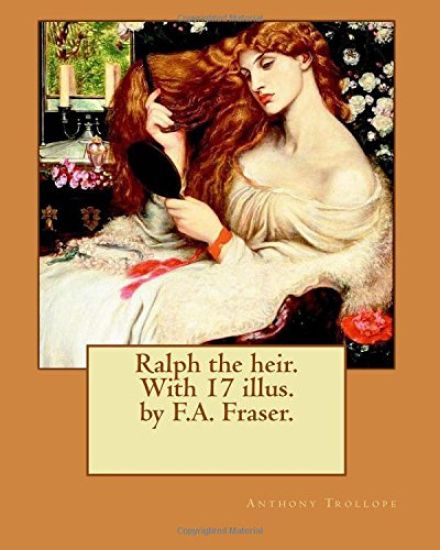
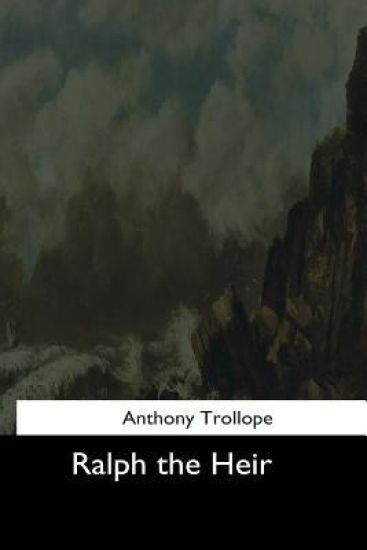
Ralph the heir. With 17 illus. by F.A. Fraser. By: Anthony Trollope and By: F.A. Fraser: Ralph the Heir is a novel by Anthony Trollope, originally pub
Ralph the Heir is a novel by Anthony Trollope, originally published in 1871. Although Trollope described it as "one of the worst novels I have written", it was well received by contemporary critics. More recently, readers have found it noteworthy for its account of a corrupt Parliamentary election, an account based closely on Trollope's own experience as a candidate. Plot: The title character is Ralph Newton, the nephew of Squire Gregory Newton of Newton Priory. The squire has never married; he has an illegitimate son, also named Ralph Newton, whom he loves dearly. However, the estate is entailed, and after his death will go to his nephew Ralph; he cannot leave it to his natural son. Ralph the heir is a spendthrift, and has run himself deep into debt. There are two ways in which he can extricate himself: by raising money on his future interest in the Newton estate, or by marrying Polly Neefit, the daughter of a wealthy breeches-maker who is one of his major creditors. Neither choice is a good one for him: the first might lead to the estate's being seized by his creditors upon the old squire's death; the second would mean allying himself to a family of a much lower social class, thus putting his own social standing at risk. The squire, anxious to obtain full possession of the estate so that he can pass it to his son, offers to buy the heir's reversion. Ralph vacillates, hesitatingly proposes to and is rejected twice by Polly Neefit, and eventually accepts his uncle's offer. However, before the transaction can be completed, the squire is killed in a hunting accident and his nephew comes into full possession of the property and its large income. Now safe from his creditors, the new squire is nevertheless harassed by Polly Neefit's father, who threatens him with legal action and embarrassing publicity if he does not continue seeking his daughter's hand. The matter is eventually resolved by Polly, who accepts the oft-repeated proposals of Ontario Moggs, son of a prosperous bootmaker, and induces her father to consent to the marriage despite his preference for the squire. In the meantime, Ralph the squire has proposed to and been rejected by Mary Bonner, the beautiful niece and ward of Sir Thomas Underwood; soon after this, she accepts an offer of marriage from the illegitimate Ralph. The novel also describes a Parliamentary election in the fictional borough of Percycross, in which Sir Thomas, a Conservative, and Moggs, a Radical, are two of the four candidates for the two available seats. Both are eager that the election be conducted fairly and honestly. The other two candidates, one a Conservative and one a Liberal, are the incumbents; they see nothing wrong with the buying and selling of votes that has been traditional at Percycross. Sir Thomas and his fellow Conservative win the election, but it is annulled on petition, and the borough is disfranchised by Parliament because of its pervasive corruption. Anthony Trollope ( 24 April 1815 - 6 December 1882) was an English novelist of the Victorian era. Among his best-known works is a series of novels collectively known as the Chronicles of Barsetshire, which revolves around the imaginary county of Barsetshire. He also wrote novels on political, social, and gender issues, and other topical matters. Trollope's literary reputation dipped somewhat during the last years of his life, but he had regained the esteem of critics by the mid-20th century. F. A. Fraser 1846 - 1924 Name Variant(s): Francis Arthur Anderson Fraser
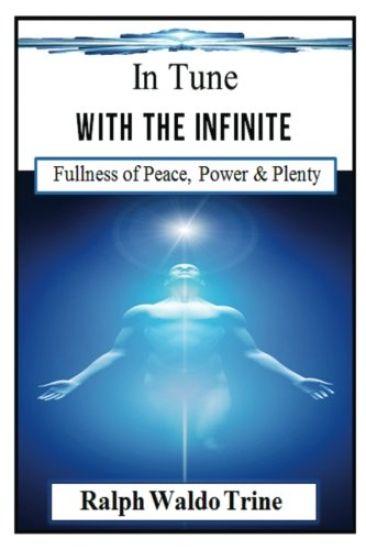
In Tune With the Infinite (Illustrated): Ralph Waldo Trine's Self-help Classic that Helped Shape Books Such Such as The Secret & The Law of Attraction
This volume explores the timeless moral and ethical precepts that all religion's share. Through connecting and harmonizing with the Universe and the Infinite Power that is accessible to all, we have the ability to attract to ourselves love, good health, peace, abundance and success. As a New Thought author, Ralph Waldo Trine's writings helped shape the current market of self-help books including, The Secret, The Law of Attraction and The Power of Positive Thinking. From the Author: "There is a golden thread that runs through every religion in the world. There is a golden thread that runs through the lives and the teachings to all the prophets, seers, sages, and saviors in the world's history, through the lives of all men of truly great and lasting power. All that they have ever done or attained to has been done in full accordance with law. What one has done, all may do." -Ralph Waldo Trine
Essays: First Series (1841). By: Ralph Waldo Emerson: Essays

Essays: First Series (1841). By: Ralph Waldo Emerson: Essays

Ralph Waldo Emerson

Createspace Independent Publishing Platform
2017
nidottu
Essays: First Series, is a series of essays written by Ralph Waldo Emerson, published in 1841, concerning transcendentalism.This book contains: "History" "Self-Reliance" "Compensation" "Spiritual Laws" "Love" "Friendship" "Prudence" "Heroism" "The Over-Soul" "Circles" "Intellect" "Art" Ralph Waldo Emerson (May 25, 1803 - April 27, 1882) was an American essayist, lecturer, and poet who led the transcendentalist movement of the mid-19th century. He was seen as a champion of individualism and a prescient critic of the countervailing pressures of society, and he disseminated his thoughts through dozens of published essays and more than 1,500 public lectures across the United States. Emerson gradually moved away from the religious and social beliefs of his contemporaries, formulating and expressing the philosophy of transcendentalism in his 1836 essay "Nature". Following this work, he gave a speech entitled "The American Scholar" in 1837, which Oliver Wendell Holmes Sr. considered to be America's "intellectual Declaration of Independence". Emerson wrote most of his important essays as lectures first and then revised them for print. His first two collections of essays, Essays: First Series (1841) and Essays: Second Series (1844), represent the core of his thinking. They include the well-known essays "Self-Reliance", "The Over-Soul", "Circles", "The Poet" and "Experience". Together with "Nature", these essays made the decade from the mid-1830s to the mid-1840s Emerson's most fertile period. Emerson wrote on a number of subjects, never espousing fixed philosophical tenets, but developing certain ideas such as individuality, freedom, the ability for humankind to realize almost anything, and the relationship between the soul and the surrounding world. Emerson's "nature" was more philosophical than naturalistic: "Philosophically considered, the universe is composed of Nature and the Soul". Emerson is one of several figures who "took a more pantheist or pandeist approach by rejecting views of God as separate from the world." He remains among the linchpins of the American romantic movement, and his work has greatly influenced the thinkers, writers and poets that followed him. When asked to sum up his work, he said his central doctrine was "the infinitude of the private man." Emerson is also well known as a mentor and friend of Henry David Thoreau, a fellow transcendentalist.
Essays: Second Series (1844). By: Ralph Waldo Emerson: Essays

Essays: Second Series (1844). By: Ralph Waldo Emerson: Essays

Ralph Waldo Emerson

Createspace Independent Publishing Platform
2017
nidottu
Essays: Second Series (1844) by Ralph Waldo Emerson: The Poet Experience Character Manners Gifts Nature Politics Nominalist and Realist New England Reformers Ralph Waldo Emerson (May 25, 1803 - April 27, 1882) was an American essayist, lecturer, and poet who led the transcendentalist movement of the mid-19th century. He was seen as a champion of individualism and a prescient critic of the countervailing pressures of society, and he disseminated his thoughts through dozens of published essays and more than 1,500 public lectures across the United States. Emerson gradually moved away from the religious and social beliefs of his contemporaries, formulating and expressing the philosophy of transcendentalism in his 1836 essay "Nature". Following this work, he gave a speech entitled "The American Scholar" in 1837, which Oliver Wendell Holmes Sr. considered to be America's "intellectual Declaration of Independence". Emerson wrote most of his important essays as lectures first and then revised them for print. His first two collections of essays, Essays: First Series (1841) and Essays: Second Series (1844), represent the core of his thinking. They include the well-known essays "Self-Reliance", "The Over-Soul", "Circles", "The Poet" and "Experience". Together with "Nature", these essays made the decade from the mid-1830s to the mid-1840s Emerson's most fertile period. Emerson wrote on a number of subjects, never espousing fixed philosophical tenets, but developing certain ideas such as individuality, freedom, the ability for humankind to realize almost anything, and the relationship between the soul and the surrounding world. Emerson's "nature" was more philosophical than naturalistic: "Philosophically considered, the universe is composed of Nature and the Soul". Emerson is one of several figures who "took a more pantheist or pandeist approach by rejecting views of God as separate from the world." He remains among the linchpins of the American romantic movement, and his work has greatly influenced the thinkers, writers and poets that followed him. When asked to sum up his work, he said his central doctrine was "the infinitude of the private man." Emerson is also well known as a mentor and friend of Henry David Thoreau, a fellow transcendentalist.
May-day and other pieces (1867). By: Ralph Waldo Emerson: Collection of poems by the American essayist, poet, and leader of the Transcendentalist move
Collection of poems by the American essayist, poet, and leader of the Transcendentalist movement in the early nineteenth century. Ralph Waldo Emerson (May 25, 1803 - April 27, 1882) was an American essayist, lecturer, and poet who led the transcendentalist movement of the mid-19th century. He was seen as a champion of individualism and a prescient critic of the countervailing pressures of society, and he disseminated his thoughts through dozens of published essays and more than 1,500 public lectures across the United States. Emerson gradually moved away from the religious and social beliefs of his contemporaries, formulating and expressing the philosophy of transcendentalism in his 1836 essay "Nature". Following this work, he gave a speech entitled "The American Scholar" in 1837, which Oliver Wendell Holmes Sr. considered to be America's "intellectual Declaration of Independence". Emerson wrote most of his important essays as lectures first and then revised them for print. His first two collections of essays, Essays: First Series (1841) and Essays: Second Series (1844), represent the core of his thinking. They include the well-known essays "Self-Reliance", "The Over-Soul", "Circles", "The Poet" and "Experience". Together with "Nature", these essays made the decade from the mid-1830s to the mid-1840s Emerson's most fertile period. Emerson wrote on a number of subjects, never espousing fixed philosophical tenets, but developing certain ideas such as individuality, freedom, the ability for humankind to realize almost anything, and the relationship between the soul and the surrounding world. Emerson's "nature" was more philosophical than naturalistic: "Philosophically considered, the universe is composed of Nature and the Soul". Emerson is one of several figures who "took a more pantheist or pandeist approach by rejecting views of God as separate from the world." He remains among the linchpins of the American romantic movement, and his work has greatly influenced the thinkers, writers and poets that followed him. When asked to sum up his work, he said his central doctrine was "the infinitude of the private man." Emerson is also well known as a mentor and friend of Henry David Thoreau, a fellow transcendentalist.
English Traits (1856). By: Ralph Waldo Emerson

English Traits (1856). By: Ralph Waldo Emerson

Ralph Waldo Emerson

Createspace Independent Publishing Platform
2017
nidottu
Ralph Waldo Emerson (May 25, 1803 - April 27, 1882) was an American essayist, lecturer, and poet who led the transcendentalist movement of the mid-19th century. He was seen as a champion of individualism and a prescient critic of the countervailing pressures of society, and he disseminated his thoughts through dozens of published essays and more than 1,500 public lectures across the United States. Emerson gradually moved away from the religious and social beliefs of his contemporaries, formulating and expressing the philosophy of transcendentalism in his 1836 essay "Nature". Following this work, he gave a speech entitled "The American Scholar" in 1837, which Oliver Wendell Holmes Sr. considered to be America's "intellectual Declaration of Independence". Emerson wrote most of his important essays as lectures first and then revised them for print. His first two collections of essays, Essays: First Series (1841) and Essays: Second Series (1844), represent the core of his thinking. They include the well-known essays "Self-Reliance", "The Over-Soul", "Circles", "The Poet" and "Experience". Together with "Nature", these essays made the decade from the mid-1830s to the mid-1840s Emerson's most fertile period. Emerson wrote on a number of subjects, never espousing fixed philosophical tenets, but developing certain ideas such as individuality, freedom, the ability for humankind to realize almost anything, and the relationship between the soul and the surrounding world. Emerson's "nature" was more philosophical than naturalistic: "Philosophically considered, the universe is composed of Nature and the Soul". Emerson is one of several figures who "took a more pantheist or pandeist approach by rejecting views of God as separate from the world." He remains among the linchpins of the American romantic movement, and his work has greatly influenced the thinkers, writers and poets that followed him. When asked to sum up his work, he said his central doctrine was "the infinitude of the private man." Emerson is also well known as a mentor and friend of Henry David Thoreau, a fellow transcendentalist.
Representative Men (1850). By: Ralph Waldo Emerson: Representative Men is a collection of seven lectures by Ralph Waldo Emerson, published as a book
Representative Men is a collection of seven lectures by Ralph Waldo Emerson, published as a book of essays in 1850. The first essay discusses the role played by "great men" in society, and the remaining six each extoll the virtues of one of six men deemed by Emerson to be great: Plato ("the Philosopher") Emanuel Swedenborg ("the Mystic") Michel de Montaigne ("the Skeptic") William Shakespeare ("the Poet") Napoleon ("the Man of the World") Johann Wolfgang von Goethe ("the Writer") Ralph Waldo Emerson (May 25, 1803 - April 27, 1882) was an American essayist, lecturer, and poet who led the transcendentalist movement of the mid-19th century. He was seen as a champion of individualism and a prescient critic of the countervailing pressures of society, and he disseminated his thoughts through dozens of published essays and more than 1,500 public lectures across the United States. Emerson gradually moved away from the religious and social beliefs of his contemporaries, formulating and expressing the philosophy of transcendentalism in his 1836 essay "Nature". Following this work, he gave a speech entitled "The American Scholar" in 1837, which Oliver Wendell Holmes Sr. considered to be America's "intellectual Declaration of Independence". Emerson wrote most of his important essays as lectures first and then revised them for print. His first two collections of essays, Essays: First Series (1841) and Essays: Second Series (1844), represent the core of his thinking. They include the well-known essays "Self-Reliance", "The Over-Soul", "Circles", "The Poet" and "Experience". Together with "Nature", these essays made the decade from the mid-1830s to the mid-1840s Emerson's most fertile period. Emerson wrote on a number of subjects, never espousing fixed philosophical tenets, but developing certain ideas such as individuality, freedom, the ability for humankind to realize almost anything, and the relationship between the soul and the surrounding world. Emerson's "nature" was more philosophical than naturalistic: "Philosophically considered, the universe is composed of Nature and the Soul". Emerson is one of several figures who "took a more pantheist or pandeist approach by rejecting views of God as separate from the world." He remains among the linchpins of the American romantic movement, and his work has greatly influenced the thinkers, writers and poets that followed him. When asked to sum up his work, he said his central doctrine was "the infinitude of the private man." Emerson is also well known as a mentor and friend of Henry David Thoreau, a fellow transcendentalist.
Ralph Azham Vol. 1

Ralph Azham Vol. 1

Lewis Trondheim

Papercutz
2022
sidottu
Master Cartoonist Lewis Trondheim's engaging madcap fantasy series!From the award-winning mind of cartoonist Lewis Trondheim comes the expansive and rich anthropomorphic medieval world of Ralph Azham. After failing the test of the Chosen One as a young duck, Ralph had a tough time growing up as the village pariah, often getting into trouble due to an innate extra sense that’s rather unbelievable, embarrassing, and unfortunate. That was only compounded by the constant visit of spirits that only he, Ralph, could see. Cut to today, his village is threatened by a vicious Horde, an apocalyptic flood may take the life of Ralph's only supporter, his father, and the Wise Men's Counsel are out for Ralph's hide after rumors he had his way with one of their daughters. Ultimately Ralph must leave the village and unlock the secrets of his childhood as he journeys to the Kingdom of Astolia, but not before he takes a young ward, Raoul, who bears an uncanny similarity to Ralph. It's a sprawling story of fathers and their sons, magic, mysticism, with plenty of action, adventure, and signature Trondheim madcap humor.
Ralph Azham Vol. 1

Ralph Azham Vol. 1

Lewis Trondheim

Papercutz
2022
nidottu
Master Cartoonist Lewis Trondheim's engaging madcap fantasy series!From the award-winning mind of cartoonist Lewis Trondheim comes the expansive and rich anthropomorphic medieval world of Ralph Azham. After failing the test of the Chosen One as a young duck, Ralph had a tough time growing up as the village pariah, often getting into trouble due to an innate extra sense that’s rather unbelievable, embarrassing, and unfortunate. That was only compounded by the constant visit of spirits that only he, Ralph, could see. Cut to today, his village is threatened by a vicious Horde, an apocalyptic flood may take the life of Ralph's only supporter, his father, and the Wise Men's Counsel are out for Ralph's hide after rumors he had his way with one of their daughters. Ultimately Ralph must leave the village and unlock the secrets of his childhood as he journeys to the Kingdom of Astolia, but not before he takes a young ward, Raoul, who bears an uncanny similarity to Ralph. It's a sprawling story of fathers and their sons, magic, mysticism, with plenty of action, adventure, and signature Trondheim madcap humor.