
Kirjahaku
Etsi kirjoja tekijän nimen, kirjan nimen tai ISBN:n perusteella.
1000 tulosta hakusanalla Satish Modh

Positio Faciens Satis Insolitae Oppositioni Contra Constitutionem Sedis Apostolicae
Francois D'Enghien
KESSINGER PUBLISHING, LLC
2009
pokkari
A Rare Salish Blanket: Leaflets of the Museum of the America Indian, Heye Foundation, No. 5
William C. Orchard
Literary Licensing, LLC
2013
nidottu
Island Time: Sailing the Salish Sea
Debra McKesson
Createspace Independent Publishing Platform
2015
nidottu
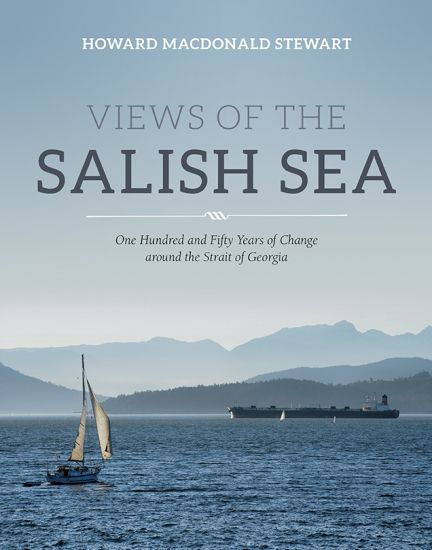
It is not mere coincidence that two-thirds of the population of British Columbia occupies lands bordering its great inland sea, the Strait of Georgia, and connected waterways collectively known as the North Salish Sea. Averaging forty kilometres in width and stretching some three hundred kilometres from Vancouver and Victoria in the south to Powell River and Campbell River in the north, the North Salish Sea has long sheltered a bounty of habitable lands and rich maritime resources ideal for human settlement. While the region's intricate shoreline of peninsulas, promontories, estuaries and plains has been occupied by human communities for millennia, the last century and a half has been an unprecedented age of rapid colonization, industrialization and globalization. Many books have been written about individual communities and industries around the great waterway, but none have examined the region as a geographical unit with its own dynamic systems, which can best be understood as an interrelated whole.The Strait of Georgia has influenced human affairs, even as people have changed the Strait, in a complex relationship that continues today. British colonization and the commodification of the Strait's resources launched a resource rush around the sea that began in earnest in the decades before the First World War, often at the expense of Indigenous populations. Coal mining developed earliest and grew rapidly. Fishing, lumbering and metal mining were also established by the 1880s and soon experienced exponential growth. From the earliest salmon canneries to today's cruise ship industry, all have depended on the Strait to ensure economic prosperity and the easy movement of people and goods.As competition for space and resources increases, and as the effects of climate change are amplified, the pressure on this ecologically vulnerable area will only intensify. If this precious sea is to be passed to future generations with any semblance of its inherent richness and diversity intact, then it will need to be effectively managed and vigorously defended. The first step is to understand the complex story of the region, making this essential reading not only for history buffs but anyone with an interest in the future of British Columbia.

Sach Ya Sajish ? / सच या साजिश ?
Ashish Kumar
Notion Press
2020
pokkari
This book is written for the mature reader. It's purpose is not to hurt anyone's feelings. Neither is it in favor or opposition of any person, society, gender, creed, nation or religion. These are the author's own views. Hope that by reading this book, you will try to understand and appreciate the author's point of view. It is merely an attempt to portray social reality. The aim of the book is to promote peace, non-violence, tolerance, friendship, unity, prosperity, happiness and integrity.
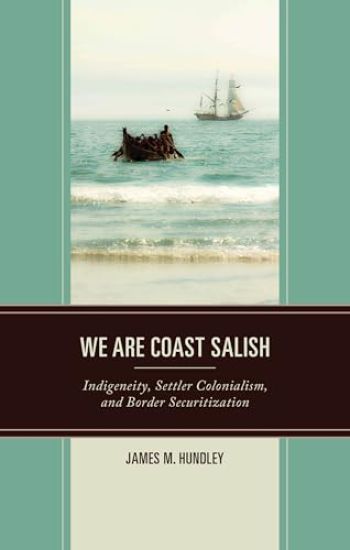
Through immersive ethnographic research, We are Coast Salish: Indigeneity, Settler Colonialism, and Border Securitization explores the lives of the Coast Salish First Nations of the Pacific Northwest and the various ways they respond to the challenges of navigating the Canada/US border following the events of 9/11. Decades of securitization policies have led to cultural and political changes which entail the creation of a transnational political identity that is used to resist the negative effects of the Canada/US border on their lives. Through cultural revitalization projects, environmental activism, and transnational political maneuvering, this book argues the Coast Salish resist the artificial separation of their people by the international border. James M. Hundley utilizes ethnographic methods in sociocultural anthropology to argue that the resistance to security policies that threaten to divide the Coast Salish simultaneously reinforces the hegemony of the state and the ongoing forms of settler colonialism that continue to shape Indigenous lifeways across the continent. Ultimately, their ongoing efforts are a form of decolonization from those disenfranchised by the state and located outside the halls of power.

Un trattato su Maria che descrive attraverso un rigore filosofico per ben radicato nella teologia la figura di Maria
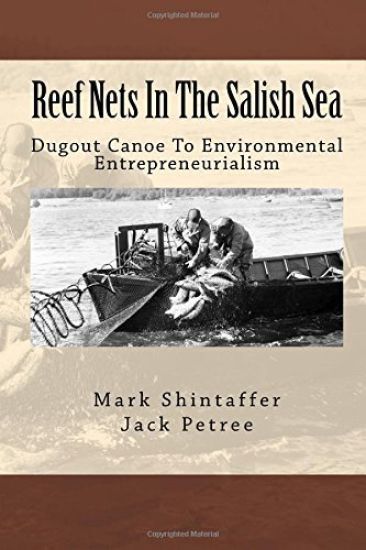
Reef Nets In The Salish Sea: Dugout Canoe To Environmental Entrepreneurialism
Jack Petree; Mark Shintaffer
Createspace Independent Publishing Platform
2018
nidottu
The Straits Salish Indians of the San Juan and Straits of Georgia's islands were using an advanced technique to catch sockeye salmon hundreds of years ago; probably before Columbus, Vespucci, Bering, Drake and other European explorers were even born. That technique survives today and is considered to be one of the most environmentally sensitive of all the methods of catching fish. The indigenous peoples we now know as the Lummi, the Samish, the Semiahmoo, the Sooke, the Songish, and the Saanich, were a distinct group particularly distinguished by their invention of, and use of, an ingenious apparatus known today as the reef net; an apparatus especially designed to catch the elusive sockeye salmon. This book tells the story of the reef net as invented by an unknown genius among the Straits Salish peoples of hundreds of years ago. This book is also an attempt to examine the lessons to be learned from the past and their potential for informing the future; what can we learn from the past to enhance our approach to the future? The lessons of the reef net include respect for a people capable of developing an advanced technology based on the natural world they lived in. The lessons of the reef net lead to an increased respect for the environment. The lessons of the reef net include material for reflection about the value of self-reliance and an entrepreneurial spirit. The lessons of the reef net have much to teach about the value of community and people working in a common cause. Invented hundreds of years ago, the reef net is still in use today. According to the Washington State Department of Fish and Wildlife: "The term, selective fishing, has been used to describe any of several fishing gears and management objectives, yet at its most basic definition a selective fishery is one in which by catch (the capture of undesired species) is avoided altogether or is able to be released alive and unharmed. As the Department of Fish & Wildlife has experimented with selective commercial fishing gear and moved toward selective fishing practices in recreational fishing, reef nets stand out as the original and still the best in selective fishing. Practiced by the Indians of the Puget Sound region using materials gathered locally, reef nets are unique to the area. Modern materials and hydraulics have improved efficiency but the basic methods remain the same. Reef nets do not gill or surround salmon with a net. Rather they count on natural and manmade structures to lead the salmon into a shallow laid net which is then lifted and the fish spilled into holding pens. Minimal handling and stress coupled with the ability to keep the fish alive make reef nets the most selective fishing gear available. Reef nets are fixed to one location and only catch migrating adult salmon that swim through their gear. For years reef nets have released non-target salmon species when management needs dictate. Mortality and bycatch are lower than any other fishing gear. Today reef nets are used in northern Puget Sound, targeting sockeye and pink salmon during summer months and coho and chum salmon during the fall."

Distributed on behalf of the Salish Kootenai College Press Medicine for the Salish Language includes conjugations of most Salish verbs and sample sentences providing context for the use of many words. A short introduction to Salish language grammar is also included. Compiled by Tachini Pete, this dictionary is used for language revitalization work on the reservation.
Beneath the Salish Sea: The Winchelsea Chronicles Volume 2
Steen Rancher
Createspace Independent Publishing Platform
2017
nidottu
The second volume in the much-enjoyed Winchelsea Chronicles series continues the summer adventure of Austin, Kate, and their younger brothers Cameron and Jordan as they join forces with former arch-enemies Joel MacLaren and his sisters Lissa and Trisha to unravel the mystery behind patches of hundreds of dead fish found floating in the Salish Sea. Their search for answers take them through the Strait of Georgia from Nanoose Bay to the infamous Seymour Narrows at the north end of The Salish Sea. The seven friends soon learn that the closer they come to the elusive answers, the more the danger multiplies for them. When a mysterious stranger in a restaurant warns them to be careful about whom they trust, they realize that all is not as it seems. Danger looms for the friends in the open waters of the Strait, however as they soon discover, the worst is yet to come. Where can they turn when the find their lives endangered by a mysterious and unidentified enemy? Can the authorities be trusted? A wrong decision could potentially be their last.
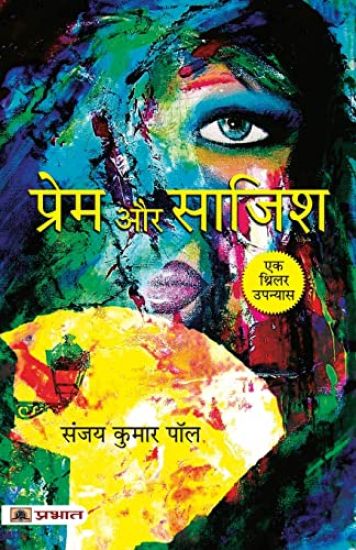
'प्रेम और साजिश' कहानी माधव और अंकिता के प्रेम-प्रसंग से शुरू होकर बहुत से अदभुत मोड़ों से गुजरकर खत्म होती है। अंकिता की शादी की खबर सुनकर माधव का दिल टूट जाता है और वह सुसाइड करने की सोचता है। माधव का ममेरा भाई उसको प्रतियोगिता परीक्षा में भाग लेने के लिए प्रोत्साहित करता है। दो साल के अंदर एस.एस.सी. की प्रतियोगिता परीक्षा पास कर माधव सी.बी.आई. में सब इंस्पेक्टर बन जाता हैं। माधव की पोस्टिंग कोलकाता में होती है। माधव को बंगाली लडक़ी अन्नू से प्यार हो जाता है। इस बीच माधव को टॉलीवुड (बांग्ला फिल्म इंडस्ट्री) की मशहूर अभिनेत्री लीना डे, जिसकी लाश श्रीनगर के एक होटल में पानी से भरे टब में मिलती है, का केस दिया जाता है। केस की छानबीन से पता चलता है कि लीना सपरिवार जम्मू में अपने किसी रिश्तेदार की शादी में शामिल हुई थी। शादी के बाद लीना कश्मीर घूमना चाहती थी, पर उसका पति प्रसेनजित, जो एक फिल्म डायरेक्टर है, कश्मीर से कोलकाता आकर अभिनेत्री स्वास्तिका बनर्जी, जिसके साथ प्रसेनजित का अफेयर है, का जन्मदिन मनाता है। चूँकि घटना दूसरे राज्य में हुई थी, इसलिए पुलिस इसे नैसर्गिक मौत मानकर केस को रफा-दफा कर देती है। माधव असली अपराधी की तलाश में दिन-रात एक कर देता है। अपराधी कितना ही शातिर क्यों न हो, एक न एक दिन जरूर कानून के शिकंजे में फँस जाता है। कहानी कई पड़ाव पार करते हुए अंत में अपने अंजाम तक पहुँच ही जाती है।

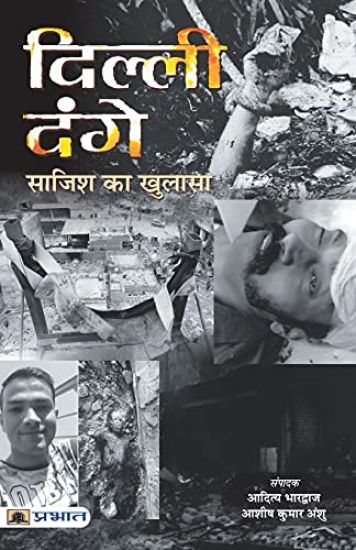
सामने आ रहा है, दिल्ली दंगों का सच धीरे-धीरे 'अपनी योजना के तहत 24 फरवरी को हमने कई लोगों को बुलाया और उन्हें बताया कि कैसे पत्थर, पेट्रोल बम और एसिड बोतल फेंकने हैं। मैंने अपने परिवार को दूसरी जगह शिफ्ट कर दिया। 24 फरवरी, 2020 को दोपहर करीब 1.30 बजे हमने पत्थर फेंकना शुरू कर दिया।' आम आदमी पार्टी से निलंबित पार्षद ताहिर हुसैन के इस बयान को सुनकर वे लोग चौंक सकते हैं जो आम आदमी पार्टी के चरित्र से परीचित नहीं हो। आम आदमी पार्टी ने मसजिदों और मदरसों के अपने अच्छे नेटवर्क और ताहिर हुसैन अमानतुल्ला खान जैसे नेताओं के दम पर ही पूरी दिल्ली के एकएक मुसलमान का वोट हासिल कर लिया था। जिसके बदले में मानों उत्तरपूर्वी दिल्ली को आग में झोंक देने का लाइसेंस समुदाय विशेष को दे दिया था। अब जब उत्तर पूर्वी दिल्ली में हुए दंगों पर चार्जशीट दिल्ली पुलिस तैयार कर चुकी है। उसके बाद 23 फरवरी को मौजपुर से भड़के हिंदू विरोधी दंगों को याद करते हुए, जाफराबाद, मौजपुर, बाबरपुर, गोकुलपुरी, करावल नगर, भजनपुरा, यमुना विहार में आग की तरह फैली उस हिंसा को सी.ए.ए. के प्रदर्शन के दौरान हुई हिंसा से अलग करके देखना भूल होगी। शाहीन बाग, जामिया नगर, सीलमपुर में सी.ए.ए. के विरोध में फैलाई गई हिंसा, वास्तव में बड़े दंगे का पूर्वाभ्यास ही थी। जिस बड़े दंगे को उत्तरपूर्वी दिल्ली में अमेरिकी राष्ट्रपति डोनाल्ड ट्रंप के आगमन पर 23-26 फरवरी, 2020 तक अंजाम दिया गया। इस हिंसा के लिए 4 फरवरी से ही कई घरों में कबाड़ी से शराब और कोल्ड ड्रिंक की खाली बोतलें, पत्थर लेकर छत पर इकट्ठा करना शुरू कर दिया गया था। मुस्लिम समुदाय ने अपनी गाडि़यों में फुल पेट्रोल, डीजल भरकर रख लिया था ताकि बोतलों में पेट्रोल डीजल भरकर बम की तरह उसे वक्त आने पर इस्तेमाल किया जा सके। मुस्लिम परिवारों में ऐसे परचे दंगों स

Paddling the Salish Sea: 80 Trips in Puget Sound, the San Juan Islands, Olympic Peninsula & Southern British Columbia
Rob Casey
MOUNTAINEERS BOOKS
2024
nidottu
Independent Publisher Book Award Winner Explore the Salish Sea with this expanded and fully updated edition of Kayaking Puget Sound and the San Juan Islands Features 23 wholly new routes Paddles range from protected lakes and short routes for beginners to more exposed, longer saltwater trips for advanced paddlers Detailed information on paddle duration, difficulty, planning considerations, and more All new full-color maps and photos In Paddling the Salish Sea, professional kayaker and paddling coach Rob Casey guides paddlers to the most rewarding destinations across the region. This comprehensive guide covers everything from the quiet inlets of the South Sound to an entirely new section featuring the fjords, waterfalls, and local waterways around Vancouver, B.C. In between, paddlers will find urban explorations near Seattle and Everett; routes on the lakes, rivers, and shorelines of the Olympic Peninsula, Hood Canal, and the islands of the North Sound; and even more new choices in Canada's Gulf Islands and around Victoria, B.C. Beginner, intermediate, and advanced paddlers all can find beautiful, rewarding routes for their skill levels. Casey's expert advice on navigating the marine environment, paddling safety, gear, trip planning, and more provides all the practical information paddlers need to prepare for a successful, safe outing. For sea or flatwater kayakers, canoeists, rowers, or stand-up paddle boarders, Paddling the Salish Sea is the must-have guide for discovering the wonders of the Puget Sound.
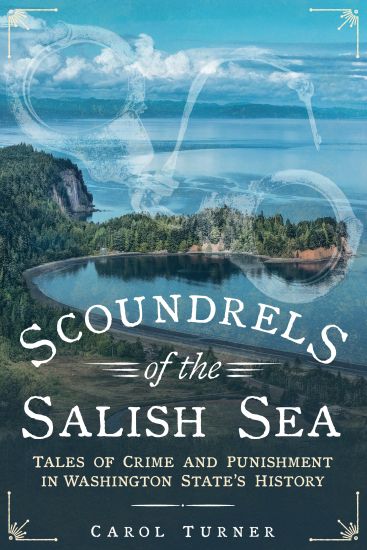
Scoundrels of the Salish Sea: Tales of Crime and Punishment in Washington State's History
Carol Turner
America Through Time
2020
nidottu
A detailed timeline of the history of crime and punishment in Washington State from 1856 to 1938. From Orcas Island to Tacoma, and west to the Kitsap and Olympic Peninsulas, the American section of the Salish Sea serves as an abundant setting for a wild ride through Washington's history of crime and punishment. These stories came primarily from the pages of old newspapers--the earliest occurred in 1856, the latest in 1938. They are the tales of crimes and criminals, of the lawmen who hunted them down, and the lawyers and judges who threw them into our system of justice. They are also the stories of lost lives and shattered families. Most of these tales from Washington State's boisterous history generated enormous headlines at the time, and local newspapers sometimes played an outsize role in the unfolding drama. Other stories simply offer an irresistible cast of characters or a stunning twist in our justice system. Although the language and manners might seem quaint and occasionally absurd, and the iniquities and prejudices of the day were blatant, the details often show that, after all, not much has changed.
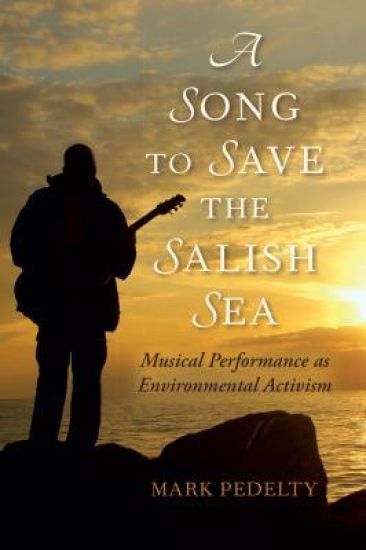
On the coast of Washington and British Columbia sit the misty forests and towering mountains of Cascadia. With archipelagos surrounding its shores and tidal surges of the Salish Sea trundling through the interior, this bioregion has long attracted loggers, fishing fleets, and land developers, each generation seeking successively harder to reach resources as old-growth stands, salmon stocks, and other natural endowments are depleted. Alongside encroaching developers and industrialists is the presence of a rich environmental movement that has historically built community through musical activism. From the Wobblies' Little Red Songbook (1909) to Woody Guthrie's Columbia River Songs (1941) on through to the Raging Grannies' formation in 1987, Cascadia's ecology has inspired legions of songwriters and musicians to advocate for preservation through music. In this book, Mark Pedelty explores Cascadia's vibrant eco-musical community in order to understand how environmentalist music imagines, and perhaps even creates, a more sustainable conception of place. Highlighting the music and environmental work of such various groups as Dana Lyons, the Raging Grannies, Idle No More, Towers and Trees, and Irthlingz, among others, Pedelty examines the divergent strategies—musical, organizational, and technological—used by each musical group to reach different audiences and to mobilize action. He concludes with a discussion of "applied ecomusicology," considering ways this book might be of use to activists and musicians at the community level.
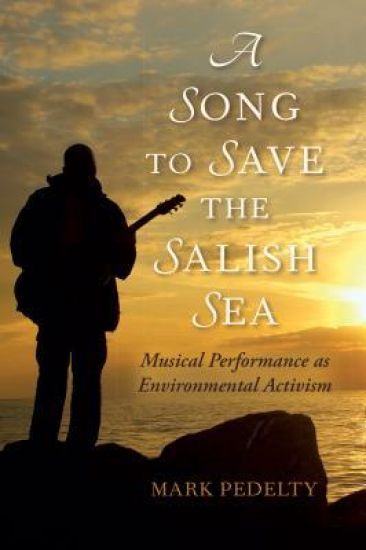
On the coast of Washington and British Columbia sit the misty forests and towering mountains of Cascadia. With archipelagos surrounding its shores and tidal surges of the Salish Sea trundling through the interior, this bioregion has long attracted loggers, fishing fleets, and land developers, each generation seeking successively harder to reach resources as old-growth stands, salmon stocks, and other natural endowments are depleted. Alongside encroaching developers and industrialists is the presence of a rich environmental movement that has historically built community through musical activism. From the Wobblies' Little Red Songbook (1909) to Woody Guthrie's Columbia River Songs (1941) on through to the Raging Grannies' formation in 1987, Cascadia's ecology has inspired legions of songwriters and musicians to advocate for preservation through music. In this book, Mark Pedelty explores Cascadia's vibrant eco-musical community in order to understand how environmentalist music imagines, and perhaps even creates, a more sustainable conception of place. Highlighting the music and environmental work of such various groups as Dana Lyons, the Raging Grannies, Idle No More, Towers and Trees, and Irthlingz, among others, Pedelty examines the divergent strategies—musical, organizational, and technological—used by each musical group to reach different audiences and to mobilize action. He concludes with a discussion of "applied ecomusicology," considering ways this book might be of use to activists and musicians at the community level.
In the Name of the Salish and Kootenai Nation
University of Washington Press
1996
pokkari
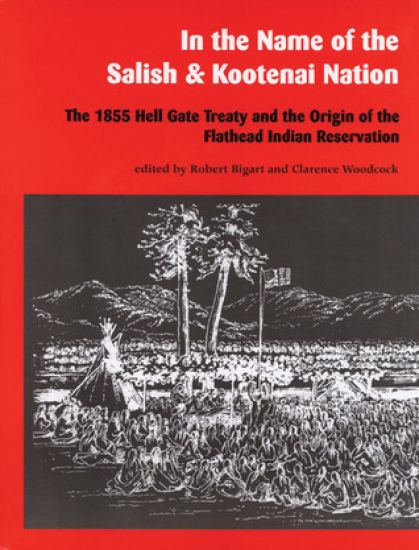
On July 16, 1855, eighteen leaders of the Flathead, Kootenai, and Upper Pend d'Oreilles Indians signed an agreement with the United States government, ceding their title to almost all the land in western Montana and establishing the Flathead Indian Reservation. Born of confusion and disagreement, the Hell Gate Treaty is the legal basis for the modern relationship between the tribes and the federal government. In the Name of the Salish & Kootenai Nation reproduces the complete text of the Hell Gate Treaty and collects previously published documents relating to the treaty, among them the official proceedings of the treaty council, Gustavus Sohon's portraits of many of the treaty signers, and letters from the Jesuit priest, Adrian Hoecken, who was present at the treaty deliberations. These documents are presented in the hope that they will inspire further questions and research.