
Kirjahaku
Etsi kirjoja tekijän nimen, kirjan nimen tai ISBN:n perusteella.
1000 tulosta hakusanalla Virginia Woolf
![Women and Fiction [A Room of One's Own]](/covers/9781614278214.jpg)


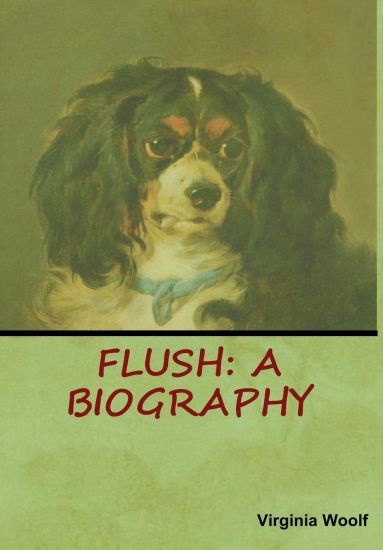
Flush: A Biography, an imaginative biography of Elizabeth Barrett Browning's cocker spaniel, is a cross-genre blend of fiction and nonfiction by Virginia Woolf published in 1933. It was Written after the completion of her emotionally draining The Waves, the work returned Woolf to the imaginative consideration of English history that she had begun in Orlando: A Biography, and to which she would return in Between the Acts...(wikipedia.org)
Woolf's best-selling spoof biography of the poet Elizabeth Barrett-Browning's lap dog, Flush, has until recently received relatively little serious critical attention. Flush: A Biography has been read as an allegory of class war, lesbian love, the plight of women writers, and much else besides. In the context of the recent rise in animal studies, this work is ripe for reappraisal. The present essay argues for the novel's significant contribution to the understanding, in Woolf's era and our own, of pressing questions concerning animality in relation to writing, gender and feminism. Woolf's 'little brown dog' speaks to some notorious feminist antivivisectionist cultural works and political interventions in the first decades of the twentieth-century as well as to more recent feminist philosophical interests in animality, and canine animality in particular. (Wiley Online library)
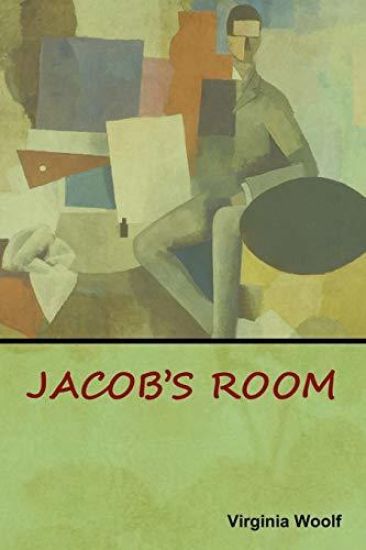
Set in pre-war England, the novel begins in Jacob's childhood and follows him through college at Cambridge, and then into adulthood. The story is told mainly through the perspectives of the women in Jacob's life, including the repressed upper-middle-class Clara Durrant and the uninhibited young art student Florinda, with whom he has an affair. His time in London forms a large part of the story, though towards the end of the novel he travels to Italy, then Greece. Jacob eventually dies in the war and in lieu of a description of the death scene, Woolf describes the empty room that he leaves behind.The novel is a departure from Woolf's earlier two novels, The Voyage Out (1915) and Night and Day (1919), which are more conventional in form. The work is seen as an important modernist text; its experimental form is viewed as a progression of the innovative writing style Woolf presented in her earlier collection of short fiction titled Monday or Tuesday (1919).
Set in pre-war England, the novel begins in Jacob's childhood and follows him through college at Cambridge, and then into adulthood. The story is told mainly through the perspectives of the women in Jacob's life, including the repressed upper-middle-class Clara Durrant and the uninhibited young art student Florinda, with whom he has an affair. His time in London forms a large part of the story, though towards the end of the novel he travels to Italy, then Greece. Jacob eventually dies in the war and in lieu of a description of the death scene, Woolf describes the empty room that he leaves behind.The novel is a departure from Woolf's earlier two novels, The Voyage Out (1915) and Night and Day (1919), which are more conventional in form. The work is seen as an important modernist text; its experimental form is viewed as a progression of the innovative writing style Woolf presented in her earlier collection of short fiction titled Monday or Tuesday (1919).

Mrs. Dalloway (published on 14 May 1925) is a novel by Virginia Woolf that details a day in the life of Clarissa Dalloway in post-World War I England. It is one of Woolf's best-known novels. Created from two short stories, "Mrs. Dalloway in Bond Street" and the unfinished "The Prime Minister," the novel's story is of Clarissa's preparations for a party of which she is to be hostess. With the interior perspective of the novel, the story travels forwards and back in time and in and out of the characters' minds to construct an image of Clarissa's life and of the inter-war social structure. In 2005 the novel was chosen by TIME magazine as one of the one hundred best English-language novels from 1923 to present. Margaret Drabble's novel The Middle Ground (1980) contains several allusions to Mrs. Dalloway.
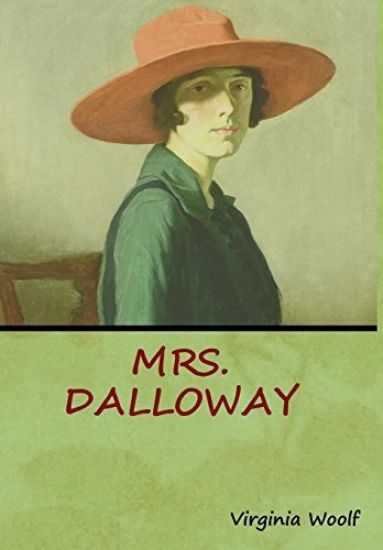
Mrs. Dalloway (published on 14 May 1925) is a novel by Virginia Woolf that details a day in the life of Clarissa Dalloway in post-World War I England. It is one of Woolf's best-known novels. Created from two short stories, "Mrs. Dalloway in Bond Street" and the unfinished "The Prime Minister," the novel's story is of Clarissa's preparations for a party of which she is to be hostess. With the interior perspective of the novel, the story travels forwards and back in time and in and out of the characters' minds to construct an image of Clarissa's life and of the inter-war social structure. In 2005 the novel was chosen by TIME magazine as one of the one hundred best English-language novels from 1923 to present. Margaret Drabble's novel The Middle Ground (1980) contains several allusions to Mrs. Dalloway.
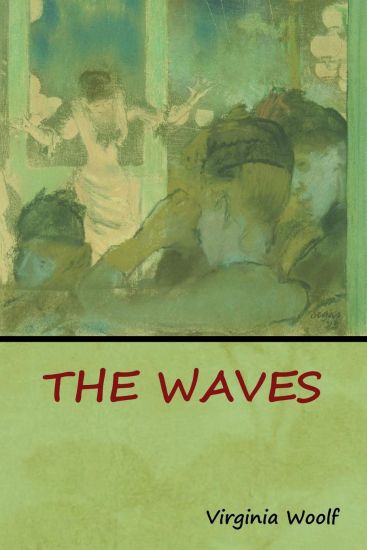
The Waves is a 1931 novel by Virginia Woolf. It is considered her most experimental work, and consists of soliloquies spoken by the book's six characters: Bernard, Susan, Rhoda, Neville, Jinny, and Louis. Also important is Percival, the seventh character, though readers never hear him speak in his own voice. The soliloquies that span the characters' lives are broken up by nine brief third-person interludes detailing a coastal scene at varying stages in a day from sunrise to sunset. As the six characters or "voices" speak Woolf explores concepts of individuality, self and community. Each character is distinct, yet together they compose (as Ida Klitg rd has put it) a gestalt about a silent central consciousness. In a 2015 poll conducted by BBC, The Waves was voted the 16th greatest British novel ever written.
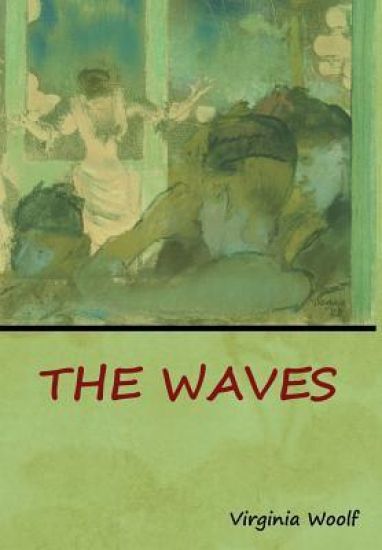
The Waves is a 1931 novel by Virginia Woolf. It is considered her most experimental work, and consists of soliloquies spoken by the book's six characters: Bernard, Susan, Rhoda, Neville, Jinny, and Louis. Also important is Percival, the seventh character, though readers never hear him speak in his own voice. The soliloquies that span the characters' lives are broken up by nine brief third-person interludes detailing a coastal scene at varying stages in a day from sunrise to sunset.As the six characters or "voices" speak Woolf explores concepts of individuality, self and community. Each character is distinct, yet together they compose (as Ida Klitg rd has put it) a gestalt about a silent central consciousness.In a 2015 poll conducted by BBC, The Waves was voted the 16th greatest British novel ever written.

Orlando: A Biography is an influential novel by Virginia Woolf, first published on 11 October 1928. A semi-biographical novel based in part on the life of Woolf's lover Vita Sackville-West, it is generally considered one of Woolf's most accessible novels. The novel has been influential stylistically, and is considered important in literature generally, and particularly in the history of women's writing and gender studies. A film adaptation was released in 1992, starring Tilda Swinton as Orlando and Quentin Crisp as Queen Elizabeth I.

Orlando: A Biography is an influential novel by Virginia Woolf, first published on 11 October 1928. A semi-biographical novel based in part on the life of Woolf's lover Vita Sackville-West, it is generally considered one of Woolf's most accessible novels. The novel has been influential stylistically, and is considered important in literature generally, and particularly in the history of women's writing and gender studies. A film adaptation was released in 1992, starring Tilda Swinton as Orlando and Quentin Crisp as Queen Elizabeth I.
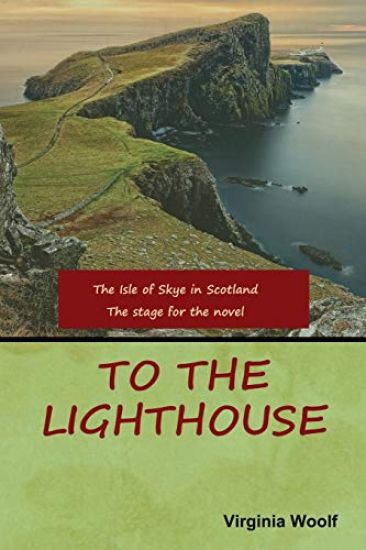
To the Lighthouse (5 May 1927) is a novel by Virginia Woolf. A landmark novel of high modernism, the text, centering on the Ramsay family and their visits to the Isle of Skye in Scotland between 1910 and 1920, skillfully manipulates temporality and psychological exploration.To the Lighthouse follows and extends the tradition of modernist novelists like Marcel Proust and James Joyce, where the plot is secondary to philosophical introspection, and the prose can be winding and hard to follow. The novel includes little dialogue and almost no action; most of it is written as thoughts and observations. The novel recalls the power of childhood emotions and highlights the impermanence of adult relationships. Among the book's many tropes and themes are those of loss, subjectivity, and the problem of perception.In 1998, the Modern Library named To the Lighthouse No. 15, on its list of the 100 best English-language novels of the 20th century. In 2005, the novel was chosen by TIME magazine as one of the one hundred best English-language novels from 1923 to present.

To the Lighthouse (5 May 1927) is a novel by Virginia Woolf. A landmark novel of high modernism, the text, centering on the Ramsay family and their visits to the Isle of Skye in Scotland between 1910 and 1920, skillfully manipulates temporality and psychological exploration.To the Lighthouse follows and extends the tradition of modernist novelists like Marcel Proust and James Joyce, where the plot is secondary to philosophical introspection, and the prose can be winding and hard to follow. The novel includes little dialogue and almost no action; most of it is written as thoughts and observations. The novel recalls the power of childhood emotions and highlights the impermanence of adult relationships. Among the book's many tropes and themes are those of loss, subjectivity, and the problem of perception.In 1998, the Modern Library named To the Lighthouse No. 15, on its list of the 100 best English-language novels of the 20th century. In 2005, the novel was chosen by TIME magazine as one of the one hundred best English-language novels from 1923 to present.
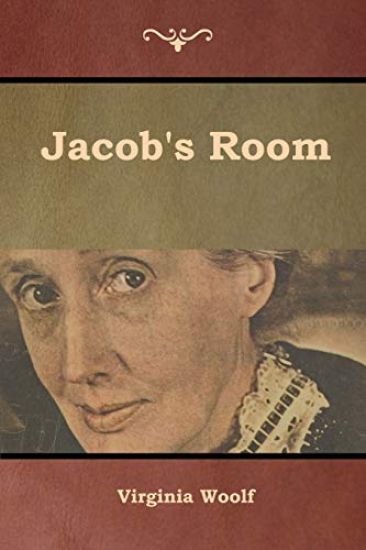
Set in pre-war England, the novel begins in Jacob's childhood and follows him through college at Cambridge, and then into adulthood. The story is told mainly through the perspectives of the women in Jacob's life, including the repressed upper-middle-class Clara Durrant and the uninhibited young art student Florinda, with whom he has an affair. His time in London forms a large part of the story, though towards the end of the novel he travels to Italy, then Greece. Jacob eventually dies in the war and in lieu of a description of the death scene, Woolf describes the empty room that he leaves behind. The novel is a departure from Woolf's earlier two novels, The Voyage Out (1915) and Night and Day (1919), which are more conventional in form. The work is seen as an important modernist text; its experimental form is viewed as a progression of the innovative writing style Woolf presented in her earlier collection of short fiction titled Monday or Tuesday (1919).

Set in pre-war England, the novel begins in Jacob's childhood and follows him through college at Cambridge, and then into adulthood. The story is told mainly through the perspectives of the women in Jacob's life, including the repressed upper-middle-class Clara Durrant and the uninhibited young art student Florinda, with whom he has an affair. His time in London forms a large part of the story, though towards the end of the novel he travels to Italy, then Greece. Jacob eventually dies in the war and in lieu of a description of the death scene, Woolf describes the empty room that he leaves behind. The novel is a departure from Woolf's earlier two novels, The Voyage Out (1915) and Night and Day (1919), which are more conventional in form. The work is seen as an important modernist text; its experimental form is viewed as a progression of the innovative writing style Woolf presented in her earlier collection of short fiction titled Monday or Tuesday (1919).

Flush: A Biography, an imaginative biography of Elizabeth Barrett Browning's cocker spaniel, is a cross-genre blend of fiction and nonfiction by Virginia Woolf published in 1933. It was Written after the completion of her emotionally draining The Waves, the work returned Woolf to the imaginative consideration of English history that she had begun in Orlando: A Biography, and to which she would return in Between the Acts...(wikipedia.org)