
Kirjahaku
Etsi kirjoja tekijän nimen, kirjan nimen tai ISBN:n perusteella.
1000 tulosta hakusanalla Elina Pyy

Souvenir Of Eliza Hall Shallenberger, Presented To The Old Settlers Of Stark County, Illinois, August, 1900
Eliza Hall Shallenberger
Kessinger Pub
2008
pokkari


Dieser Roman erz hlt vom Leben von Elena Morins, als gute Hausfrau und loyal zu ihrem Mann. Aufgrund ihres Fehlers wurde er jedoch von schlechten Menschen benutzt, die sie immer wieder dazu dr ngten, weiterhin sexuelle Triebe zu versp ren, bis sie sich schlie lich in eine Schlampensexsklavin verwandelte, die ihre Lust nicht kontrollieren konnte.

This novel tells about the life of Elena Morins, as a good housewife and loyal to her husband. However, as a result of her mistake, he was used by bad people who kept pushing her to continue to feel sexual urges until she finally turned into a slut sex slave who could not control her lust.

Eliza Metcalf's one dream was to be a violinist, but her family's poverty robbed her of the chance; when her son was old enough to learn she transferred her ambition to him. But the boy didn't want to be different from his peers, didn't want to be seen as a snob...Eliza's House opens with the son returning home after a long absence; Eliza herself is in hospital and he has come to collect his violin in order to sell it. But he has not reckoned on meeting the eleven year-old girl who has befriended his mother, nor on the flood of memories this encounter produces in him and which we see enacted by his younger self. The clash of parents and children; the pull of the past; the force of memory; the bittersweet nature of love: are all themes of this delicate and moving drama, winner of the Arts Council Children's Award for 2001. Running time: approximately one hour.
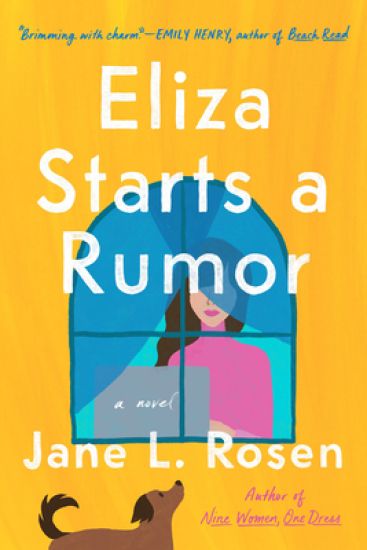
The author of Nine Women, One Dress delivers a charming, unforgettable novel about four women, one little lie, and the big repercussions that unite them all. It wasn't supposed to happen this way. When Eliza Hunt created The Hudson Valley Ladies' Bulletin Board fifteen years ago she was happily entrenched in her picture-perfect suburban life with her husband and twin preschoolers. Now, with an empty nest and a crippling case of agoraphobia, the once-fun hobby has become her lifeline. So when a rival parenting forum threatens the site's existence, she doesn't think twice before fabricating a salacious rumor to spark things up a bit. It doesn't take long before that spark becomes a flame. Across town, new mom and site devotee Olivia York is thrown into a tailspin by what she reads on the Bulletin Board. Allison Le is making cyber friends with a woman who isn't quite who she says she is. And Amanda Cole, Eliza's childhood friend, may just hold the key to unearthing why Eliza can't step out of her front door. In all this chaos, one thing is for sure...Hudson Valley will never be the same. Funny, romantic, raw, and hopeful, this is a story about being a woman and of the healing power of sisterhood.

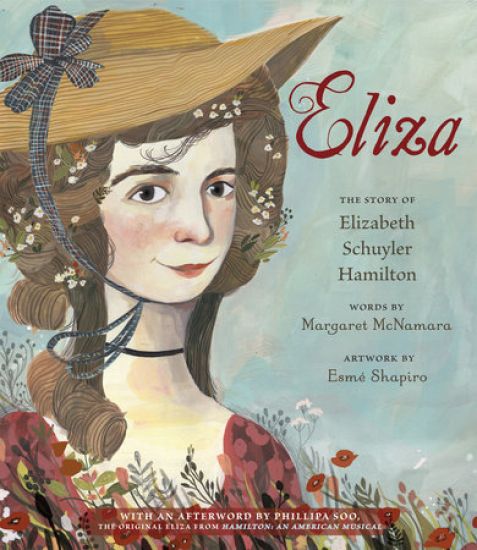
Eliza: The Story of Elizabeth Schuyler Hamilton
Margaret McNamara; Esmé Shapiro
RANDOM HOUSE USA INC
2024
nidottu

Burgos, Spain, Christmas Eve 1257.Princess Kristina H konsdatter of Norway arrives in the city en route to Valladolid in order to marry Alfonso X the Wise, since Queen Violante had failed to give birth to a male heir to the Castilian throne. Eight centuries later, Carlos Lafuente, a devoted paleographer from Montanilla University, is tasked with preparing a report on the validity of some manuscripts discovered near Silos Monastery.What he couldn't anticipate was to what degree this ordinary task would alter the course of his life. With the assistance of Arthur Trevelyan, a postgraduate student, and Elena Serna, a colleague in the same paleo-graphic department, the trio will investigate the cryptic clues discovered there, relying primarily on their instincts. Present and past will intertwine like invisible knots that Arthur prefers to qualify as "significant coincidences"-the invisible threads that move the world bringing the small group of scholars to a surprising conclusion in a gripping and moving story full of intrigue, humour, love and adventure.A story that reads as a tale under the rain.
Burgos, Christmas Eve, 1257. Princess Kristina H konsdatter of Norway arrives in the city on her route to Valladolid to marry Alfonso X the Wise, as his wife was unable to produce a male heir to the Castilian throne.Eight hundred years later, Carlos Lafuente, a researcher from Montanilla University is asked to prepare report regarding a manuscript discovered near the Silos monastery.With the assistance of Arthur Pinedo, a post-graduate student, and Elena, a colleague paleographer, he will investigate the dark clues he discovers. Most of the time, he will just go with his gut.From that point forward, the present and the past appear to entangle like invisible knots, which Arthur prefers to call "significant coincidences" and which will lead the small group of researches to an unexpected conclusion. The investigation will take them to Covarrubias and then to Burgos, in quest of the hidden secrets that reside in Las Huelgas monastery, as well as in the city's cathedral, interspersed with moments of mystery, humour, wit, romance and adventure. A compelling and moving narrative that leaves no reader indifferent. An enjoyable and breezy read that reads like a story in the rain. Unputdownable


From bestselling author, Annie Seaton, the Pentecost Island series is comprised of ten beautiful stories of female friendship, and the unbreakable bond that sees friends stay together through the ups and downs of life.Pentecost Island...where romance entices, and secrets unfold.Eliza Pengelly has always led the life she wanted, but sometimes poor choices lead to heartbreak.The final choice-and the biggest mistake of her life-sees her fleeing to Pentecost Island. Desperate to make a fresh start, Eliza is happy to work-and hide- on the island for as long Pippa needs a carpenter to achieve her dream. Having friends around to support her through tough times is a bonus.But Eliza quickly learns you can't outrun your demons. The arrival of charismatic sailor, Phillipe Renton threatens the safety of the new life Eliza is creating.Living his life on the oceans and travelling the world, Phillipe doesn't do relationships, but the attraction to vulnerable Eliza is impossible to resist. Will her dark secret be revealed-a secret that could destroy any chance of happiness for her new life?
A Brief Memoir with Portions of the Diary, Letters and Other Remains of Eliza Southall
Eliza Southall
Trieste Publishing
2018
nidottu

In Mexico, a little girl goes on a journey to Monterrey to learn to be a glassblower, but along the way her glass-blowing pipe plays music and when she uses it to blow glass, it blows magic glass.

This playful, fun and entertaining book, is perfect for bedtime. therapy or the classroom. Author Janice Wilson brings the tenets of mindfulness and meta-cognition to a child friendly level in this delightfully illustrated book. A gentle and helpful tool for helping cultivate self-awareness in children of all ages.
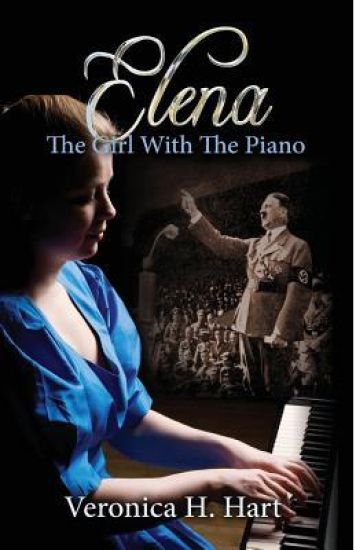
Elena lost her piano in the bombing of Leningrad, but nothing could stop her dream of playing at Carnegie Hall in America. When Father announced they would walk to Germany, straight into the hands of the enemy, she continued to dream. Later, living under brutal conditions in a camp where she was forced to play for her captors, her dream began to slip.How long could she survive the relentless cold, the hunger, the humiliation of begging crumbs for herself and her fellow prisoners?Follow Elena Federovna from the night she leaves her beloved grandparents in the bombed-out basement of their former home in the besieged city and crosses the front lines with her parents into the arms of the enemy. Stay with her through her years in captivity as she learns about love and hate, both from the enemy and her own family, as she struggles to cling to her slowly fading dream. From the author: Inspired by true events. I first heard the story of Elena (who was an opera singer) while at college in the late sixties. Though I lost contact with the real Elena, her story haunted me. Before WWII, she was an ordinary little girl who loved playing the piano at home in Leningrad. In 1943, as people around them died of starvation, her father made a plan, a plan that would endanger them from the moment they tried to cross the front lines.