Kirjojen hintavertailu. Mukana 11 699 587 kirjaa ja 12 kauppaa.

Kirjahaku

Etsi kirjoja tekijän nimen, kirjan nimen tai ISBN:n perusteella.

1000 tulosta hakusanalla Evripides

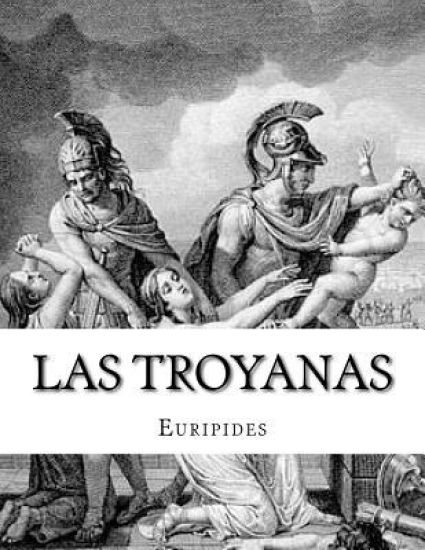
Las troyanas

Las troyanas

Euripides

Createspace Independent Publishing Platform
2017
nidottu
Es un canto lleno de dramatismo por las consecuencias de la guerra. Se destaca la crueldad de los vencedores, que, en su desmesura (hybris), no tienen piedad con los vencidos, ni respeto a los dioses, ya que profanan sus templos. Ni siquiera tienen consideraci n con los ni os, manifestando as abiertamente su temor a ellos cuando crezcan. H cuba exclama ante la visi n del peque o cuerpo inerte del hijo de H ctor
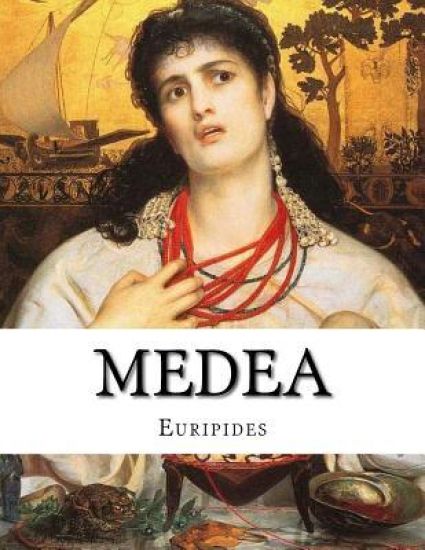
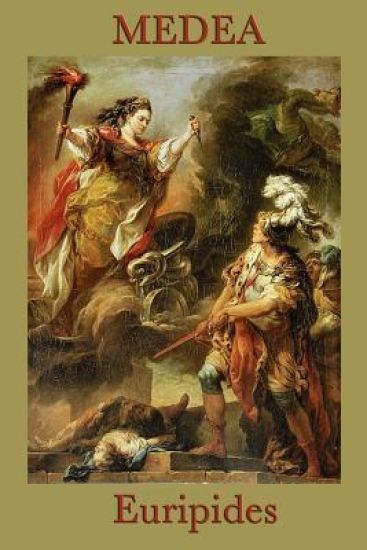
Medea

Medea

Euripides

Createspace Independent Publishing Platform
2017
nidottu
La tragedia Medea trata de la conocida historia de Jas n tras las aventuras que lo llevaron a conquistar el vellocino de oro, trabajo impuesto por su t o Pelias. Jas n, tras el trabajo, se cas con Medea y tuvo un hijo en Yolcos. Para hacerse con el poder en Yolcos, Pelias hab a matado a Es n, padre de Jas n. A la muerte de Pelias, Jas n ha de abandonar Yolcos y huir con Medea y su hijo M rmero. En la muerte de Pelias estaba implicada Medea, que hab a enga ado a las hijas de l para que lo mataran. Por este motivo, Jas n y Medea han de huir de Yolcos. Arriban a Corinto, donde reina Creonte y transcurre la historia contada en la tragedia.
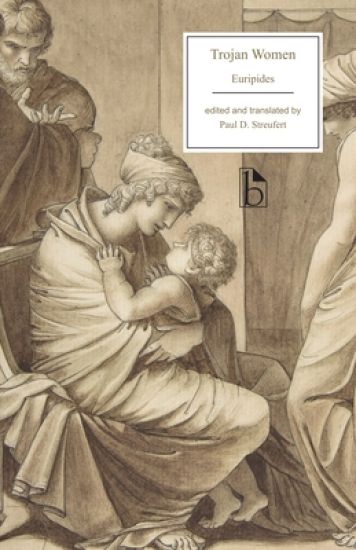
Trojan Women

Trojan Women

Euripides

Broadview Press Ltd
2021
pokkari
Trojan Women tells the story of the survivors of the Trojan War, the women and children taken into slavery by the victorious Greek army. Through the tragedy's central character, the matriarch Hecuba, this late play (415 BCE) demonstrates Euripides' commitment to speaking on behalf of the less powerful and offers a scathing critique of Athenian behavior as the city fought its own disastrous war with its southern neighbor, Sparta. Trojan Women features well-known characters from Greek mythology, including the prophetess Cassandra, the gods Athena and Poseidon, and most notably, the infamous Helen, the cause of the war, who must defend herself to the husband she abandoned. This new translation features a text committed to accuracy and clarity, one developed in collaboration with actors for clear reading and performance. Appendices provide other important literary treatment of the women in the play, from Homer to Shakespeare.
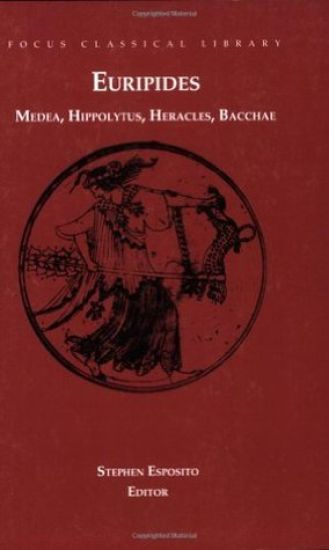
Medea, Hippolytus, Heracles, Bacchae

Medea, Hippolytus, Heracles, Bacchae

Euripides

Focus Publishing/r Pullins C
2002
pokkari
This anthology includes four outstanding translations of Euripides' plays: Medea, Hippolytus, Heracles, Bacchae. These translations remain close to the original, with extensive introductions, interpretive essays, and footnotes. This series is designed to provide students and general readers with access to the nature of Greek drama, Greek mythology, and the context of Greek culture, as well as highly readable and understandable translations of four of Euripides most important plays. Focus also published each play as an individual edition.
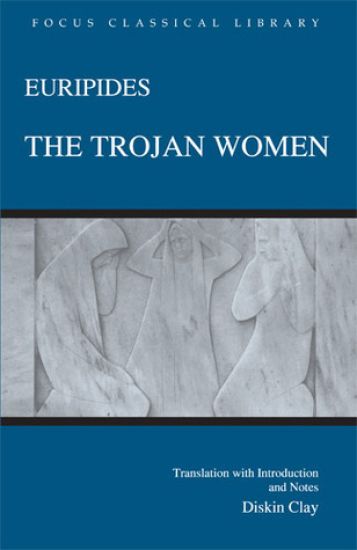
The Trojan Women

The Trojan Women

Euripides

Focus Publishing/R Pullins Co
2005
nidottu
This is an English translation of Euripides' tragedy The Trojan Women about the consequences of war; the victors and the fate of those defeated in war. Focus Classical Library provides close translations with notes and essays to provide access to understanding Greek culture.
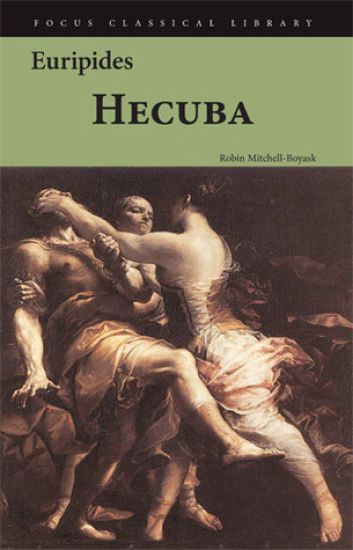
Hecuba

Hecuba

Euripides

Focus Publishing/R Pullins Co
2005
nidottu
This is an English translation of Euripides' tragedy Hecuba about Hecuba's grief over her daughter and son's deaths and the revenge she enacts over her son's death. Focus Classical Library provides close translations with notes and essays to provide access to understanding Greek culture. Euripides' Hecuba is one of the few tragedies that evoke a sense of utter desolation and destruction in the audience. The drama focuses on the status of women, those who are out of power and at the margins of society, by enacting the sufferings of Hecuba. With the city of Troy fallen, Hecuba and Polyxena, her daughter, are enslaved to Agamemnon. Hecuba is despondent with the news that Polyxena is chosen to be sacrificed at the tomb of Achilles. After the sacrifice, the body of her son Polydorus, already a ghost at the start of the drama, is discovered. Polymestor, a king in Thrace who Hecuba sent Polydorus to for safety reasons, murdered Polydorus for his gold. With the tacit complicity of Agamemnon, Hecuba plots her revenge against Polymestor. What transpires next has lasting implications for all involved, including a dramatic trial scene and Hecuba's ultimate metamorphosis.
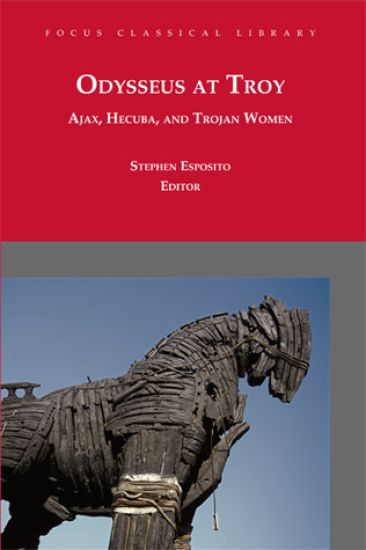
Odysseus at Troy

Odysseus at Troy

Euripides; Stephen Esposito

Focus Publishing/r Pullins C
2010
pokkari
This book contains translations of three plays: Ajax, Hecuba, and Trojan Women. They are all centered around the mythological theme of the Greek warrior, Odysseus, hero of the Trojan War. All three plays are complete, with notes and introductions, plus an introduction to the volume with background to the story which was one of the most popular themes and one of the most written about Greek hero in Greek literature.Written during a tumultuous age of sophists and demagogues, these three plays (c. 450-425 BCE) bear witness to the gradual degradation of Odysseus' character. In presenting the unexpected devolution of a renowned mythic figure, the plays examine numerous themes relevant to contemporary American political life: the profound psychological consequences of brought on by the stress of war and why a once proud and noble warrior might commit suicide; and the dehumanizing darkness that descends upon innocent female war-victims when victors use act on false political necessity.
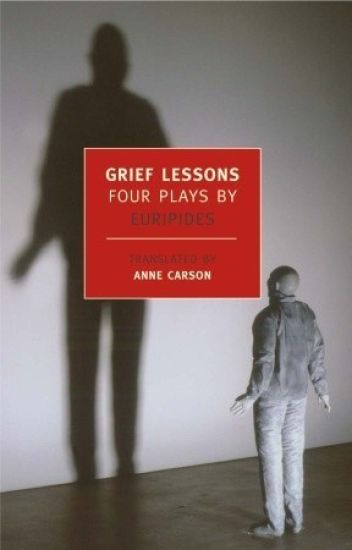
Grief Lessons

Grief Lessons

Euripides

NYRB Classics
2008
nidottu
Now in paperback. Euripides, the last of the three great tragedians of ancient Athens, reached the height of his renown during the disastrous Peloponnesian War, when democratic Athens was brought down by its own outsized ambitions. "Euripides," the classicist Bernard Knox has written, "was born never to live in peace with himself and to prevent the rest of mankind from doing so." His plays were shockers: he unmasked heroes, revealing them as foolish and savage, and he wrote about the powerless-women and children, slaves and barbarians-for whom tragedy was not so much exceptional as unending. Euripides' plays rarely won first prize in the great democratic competitions of ancient Athens, but their combustible mixture of realism and extremism fascinated audiences throughout the Greek world. In the last days of the Peloponnesian War, Athenian prisoners held captive in far-off Sicily were said to have won their freedom by reciting snatches of Euripides' latest tragedies. Four of those tragedies are presented here in new translations by the contemporary poet and classicist Anne Carson. They are Herakles, in which the hero swaggers home to destroy his own family; Hekabe, set after the Trojan War, in which Hektor's widow takes vengeance on her Greek captors; Hippolytos, about love and the horror of love; and the strange tragic-comedy fable Alkestis, which tells of a husband who arranges for his wife to die in his place. The volume also contains brief introductions by Carson to each of the plays along with two remarkable framing essays: "Tragedy: A Curious Art Form" and "Why I Wrote Two Plays About Phaidra."
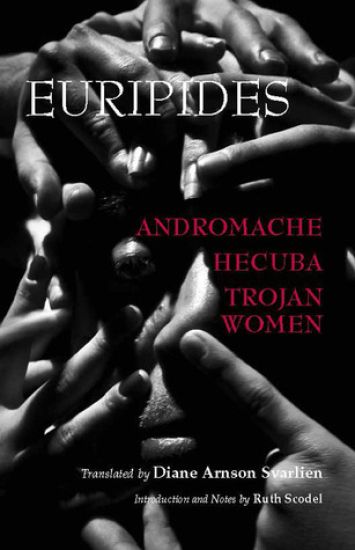
Andromache, Hecuba, Trojan Women

Andromache, Hecuba, Trojan Women

Euripides

Hackett Publishing Co, Inc
2012
pokkari
Offers expert guidance to readers encountering the works for the first time. This book examines the cultural and political context in which the author wrote, and provides analysis of the themes, structure, and characters of the plays included.
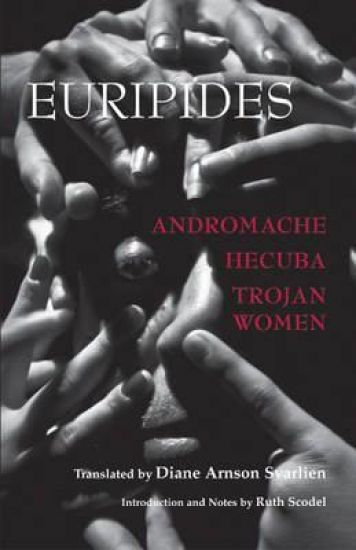
Andromache, Hecuba, Trojan Women

Andromache, Hecuba, Trojan Women

Euripides

Hackett Publishing Co, Inc
2012
sidottu
Diane Arnson Svarlien's translation of Euripides' Andromache, Hecuba, and Trojan Women exhibits the same scholarly and poetic standards that have won praise for her Alcestis, Medea, Hippolytus. Ruth Scodel's Introduction examines the cultural and political context in which Euripides wrote, and provides analysis of the themes, structure, and characters of the plays included. Her notes offer expert guidance to readers encountering these works for the first time.
Orestes Plays

Orestes Plays

Euripides

Hackett Publishing Co, Inc
2013
pokkari
Featuring Cecelia Eaton Luschnig's annotated verse translations of Euripides' Electra, Iphigenia among the Tauri, and Orestes, this volume offers an ideal avenue for exploring the playwright's innovative treatment of both traditional and non-traditional stories concerning a central, fascinating member of the famous House of Atreus.
The Orestes Plays

The Orestes Plays

Euripides

Hackett Publishing Co, Inc
2013
sidottu
Featuring Cecelia Eaton Luschnig's annotated verse translations of Euripides' Electra, Iphigenia among the Tauri, and Orestes, this volume offers an ideal avenue for exploring the playwright's innovative treatment of both traditional and non-traditional stories concerning a central, fascinating member of the famous House of Atreus.