This book addresses fundamental questions regarding the relationships between successful language learning and strategy use and development, according to learner, situational or target variables. It considers strategy effectiveness from an individual point of view and discusses pedagogical issues, especially relating to teacher perceptions and training, classroom and learner factors, methodology and content. This new edition has been reworked and revised to include an extensive review, analysis and re-interpretation of the existing literature and an update on the theoretical debate surrounding language learning strategies. The research methodology section has been considerably extended and detailed explanations are now given for how to analyse data from research studies. Rather than focusing on strategies divorced from the 'real world' of the classroom, this book explores the issues from the teaching/learning point of view and will be of interest to students, teachers, trainee teachers, teacher educators and researchers alike.
This book addresses fundamental questions regarding the relationships between successful language learning and strategy use and development, according to learner, situational or target variables. It considers strategy effectiveness from an individual point of view and discusses pedagogical issues, especially relating to teacher perceptions and training, classroom and learner factors, methodology and content. This new edition has been reworked and revised to include an extensive review, analysis and re-interpretation of the existing literature and an update on the theoretical debate surrounding language learning strategies. The research methodology section has been considerably extended and detailed explanations are now given for how to analyse data from research studies. Rather than focusing on strategies divorced from the 'real world' of the classroom, this book explores the issues from the teaching/learning point of view and will be of interest to students, teachers, trainee teachers, teacher educators and researchers alike.
This book uses six canonical novelists and their recreations in a variety of media to argue a reconceptualisation of our approach to the study of adaptation. The works of Balzac, Hugo, Flaubert, Zola, Maupassant and Verne reveal themselves not as originals to be defended from adapting hands, but as works fashioned from the adapted voices of a host of earlier artists, moments and media. The text analyses reworkings of key nineteenth-century texts across time and media in order to emphasise the way in which such reworkings cast new light on many of their source texts, and how they reveal the probing analysis nineteenth-century novelists undertake in relation to notions of originality and authorial borrowing. Adapting Nineteenth-Century France charts such revision through a range of genres encompassing the modern media of radio, silent film, fiction, musical theatre, sound film and television. Contents Introduction, Kate Griffiths I Labyrinths of Voices: Emile Zola, Germinal and Radio, Kate Griffiths II Diamond Thieves and Gold Diggers: Balzac, Silent Cinema and the Spoils of Adaptation, Andrew Watts III Fragmented Fictions: Time, Textual Memory and the (Re)Writing of Madame Bovary, Andrew Watts IV Les Misérables, Theatre and the Anxiety of Excess, Andrew Watts V Chez Maupassant: The (In)Visible Space of Television Adaptation, Kate Griffiths VI Le Tour du monde en quatre-vingts jours: Verne, Todd, Coraci and the Spectropoetics of Adaptation, Kate Griffiths Conclusion, Andrew Watts
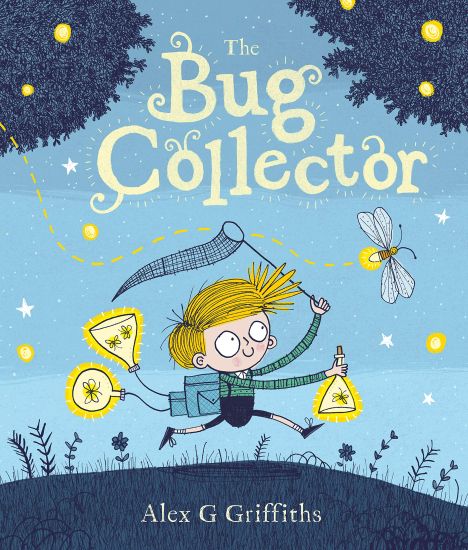
After George visits the Museum of Wildlife with Grandad, all he can think about is bugs! The very next day he goes out hunting, but he soon finds there are no more insects left in the garden, and the ones he has captured in jars don’t look very happy… George is about to learn exactly why bugs are so important. A brilliant, vibrant debut from Alex G Griffiths, featuring a wonderful grandfather-grandson relationship.
After George visits the Museum of Wildlife with Grandad, all he can think about is bugs! The very next day he goes out hunting, but he soon finds there are no more insects left in the garden, and the ones he has captured in jars don’t look very happy… George is about to learn exactly why bugs are so important. A brilliant, vibrant debut from Alex G Griffiths, featuring a wonderful grandfather-grandson relationship.
Friedrich Hayek was a founding figure of the neo-liberalism that flourished in the 1980s. Yet, despite his antagonistic relationship with socialism, his work became a surprising source of inspiration for several influential thinkers on the left. This book explains the left’s unusual engagement with Hayek and reflects on its significance. Engaging Enemies uses the left’s late discovery of Hayek to examine the contemporary fate of socialism and social democracy. Did socialism survive the twentieth century? Did it collapse with the fall of the Berlin Wall as Hayek claimed? Or did it transform into something else, and if so what? In turn this allows an examination of ideological and historical continuity. Was the left’s engagement with Hayek part of a wider break with a period of ideological continuity that marked the twentieth century, but which did not survive its ending? As such, the book is also a study of how ideologies change with the times, incorporating new elements and jettisoning others. The left’s engagement with Hayek was also influential on party politics, particularly on the ‘modernization’ of the Labour Party and the development of New Labour. Engaging Enemies concludes with a discussion of the wider role of the market for the left today and the contemporary significance of the engagement with Hayek for Labour in the wake of the 2008 economic crisis.
Friedrich Hayek was a founding figure of the neo-liberalism that flourished in the 1980s. Yet, despite his antagonistic relationship with socialism, his work became a surprising source of inspiration for several influential thinkers on the left. This book explains the left’s unusual engagement with Hayek and reflects on its significance. Engaging Enemies uses the left’s late discovery of Hayek to examine the contemporary fate of socialism and social democracy. Did socialism survive the twentieth century? Did it collapse with the fall of the Berlin Wall as Hayek claimed? Or did it transform into something else, and if so what? In turn this allows an examination of ideological and historical continuity. Was the left’s engagement with Hayek part of a wider break with a period of ideological continuity that marked the twentieth century, but which did not survive its ending? As such, the book is also a study of how ideologies change with the times, incorporating new elements and jettisoning others. The left’s engagement with Hayek was also influential on party politics, particularly on the ‘modernization’ of the Labour Party and the development of New Labour. Engaging Enemies concludes with a discussion of the wider role of the market for the left today and the contemporary significance of the engagement with Hayek for Labour in the wake of the 2008 economic crisis.
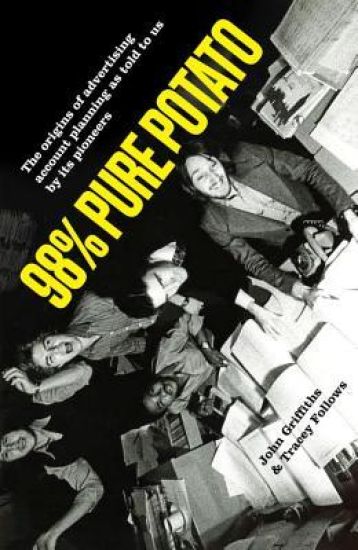
The Andrex Puppy. The Smash Martians. The Oxo Family and The Honey Monster.From the late 1960s, advertising agency account planners helped to develop long-running advertising campaigns that went on to build well-known household brands that we still use today. It was a golden era of advertising, partly because the campaigns seemed to connect with consumers so well. But who were the account planners who helped to develop these campaigns and build these brands?In 98% Pure Potato, the untold history of those real-life men and women is revealed through insights and anecdotes from some of account planning's most revered pioneers: David Baker, John Bruce, David Cowan, Lee Godden, Christine Gray, EV Jenkins, John Madell, Jane Newman, Jim Williams, Roderick White, Paul Feldwick, Jan Zajac and many more.Industry experts John Griffiths and Tracey Follows trace the true beginnings, rise and evolution of the discipline that came to be known as `advertising account planning', uncovering how the UK's most iconic campaigns came to be, and exploring what challenges and opportunities lie ahead.This is the enlightening history of how a fundamental part of advertising practice came out of the UK, as well as an instrumental guide for anyone working or hoping to work in the advertising industry today.
Part 1 addresses three foundational matters: a theology of the word of God; an overview of NT Greek terms related to preaching; the scope and character of NT word ministries. Part 2 concentrates on exegetical studies of sections of NT teaching that relate especially to the post-apostolic context. Part 3 summarizes the exegetical findings, sets them within the context of biblical theology, and addresses some broader theological implications.
Brighton, 1950. When a girl's body is found, cut into three, Detective Inspector Edgar Stephens is reminded of a magic trick, the Zig Zag Girl. The inventor of the trick, Max Mephisto, is an old friend of Edgar's. They served together in the war as part of a shadowy unit called the Magic Men. Max is still on the circuit, touring seaside towns in the company of ventriloquists, sword-swallowers and dancing girls. Changing times mean that variety is not what it once was, yet Max is reluctant to leave this world to help Edgar investigate. But when the dead girl turns out to be known to him, Max changes his mind. Another death, another magic trick: Edgar and Max become convinced that the answer to the murders lies in their army days. When Edgar receives a letter warning of another 'trick', the Wolf Trap, he knows that they are all in the killer's sights...
On the eve of the Queen's coronation, DI Stephens and Max Mephisto uncover an anarchist plot and a ticking bomb at the same time as solving the murder of a man close to them - from the author of the bestselling Dr Ruth Galloway mysteries