
Kirjahaku
Etsi kirjoja tekijän nimen, kirjan nimen tai ISBN:n perusteella.
1000 tulosta hakusanalla John L Cook

I Would Hugya But If They See Me Do It They're All Gonna Wanna
John L May
Xlibris Corporation
2012
pokkari
I Would Hugya But If They See Me Do It They're All Gonna Wanna
John L May
Xlibris Corporation
2012
sidottu

Armies in Homeland Security: American and Europeam Perspectives
John L. Clarke
Createspace Independent Publishing Platform
2012
nidottu

Always a Next One: True Stories of Dog Fostering
John L. Leonard
Createspace Independent Publishing Platform
2012
nidottu
Have you ever tried to housebreak more than one puppy at a time, or a dog that lived his whole life outdoors? Have you ever had to convince yourself there is room for just one more? Have you ever met a cat that struck fear in a pack of dogs?I have, and experienced great joys and the occasional sorrow as a result. This expanded edition of Always a Next One is a true account of how we went from caring bystanders to front-line animal rescue volunteers. Follow our journey of rescuing misfit dogs and unwanted cats, fostering them, nurturing them, and rehabilitating them until their perfect "forever" homes come along.Touching, amusing and life-affirming, these stories capture the highs and lows of fostering homeless animals.
Airhead Operations - Where AMC Delivers - The Linchpin of Rapid Force Projection
John L. Cirafici
Createspace Independent Publishing Platform
2012
nidottu
Roadmap to Profitable Growth
John L. Mariotti
Createspace Independent Publishing Platform
2013
nidottu
Watersheds of World History: From Monarchies to Democracy and From Myth to Reason
John L. Taylor
Createspace Independent Publishing Platform
2012
nidottu
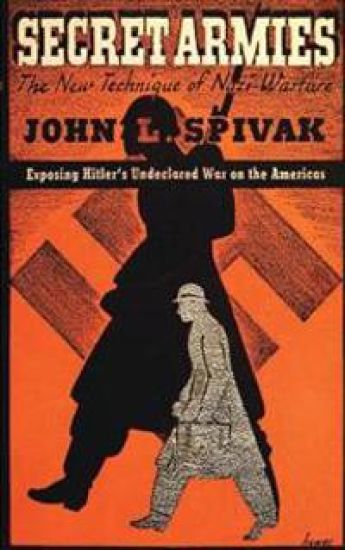
Secret Armies: The New Technique of Nazi Warfare
John L. Spivak
Createspace Independent Publishing Platform
2012
nidottu
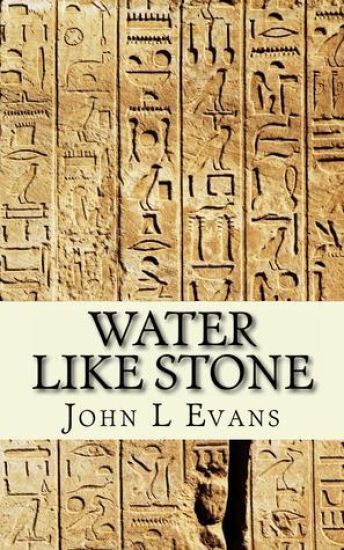
Water Like Stone is an international adventure and love story told against a backdrop of Egyptian archaeology and aviation. Ian Cannasy, an American expatriate operating an air charter in Uganda, narrates the story of Osa Hensley, a young woman who will alter his life. From childhood, Osa is intrigued by the photograph of her great grandfather that hangs from a wall of her grandmother's home. The man is posed over a fallen obelisk covered with Egyptian hieroglyphs. Over his shoulder are snow capped mountain peaks. Tthe conundrum of the snow covered peaks and the Egyptian monument starts Osa on the research that will lead her to a career in archaeology. She learns the obelisk commemorates one of the greatest of the pharaohs, and no mountain exists in Egypt like the one in the photo. She begins a search for the mountain and the obelisk and if successful will turn Egyptology upside down. She will be betrayed, her career threatened, and her life endangered by religious fanaticism. She will discover the passion of a first love and her own capacity for self sacrifice. Her journey will take her from the halls of academia to the sands of the Sahara Desert and the rainforests of Central Africa.

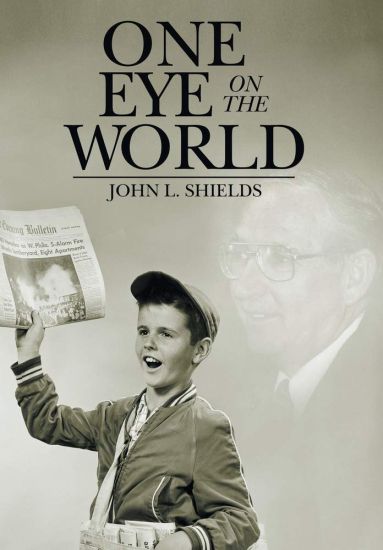
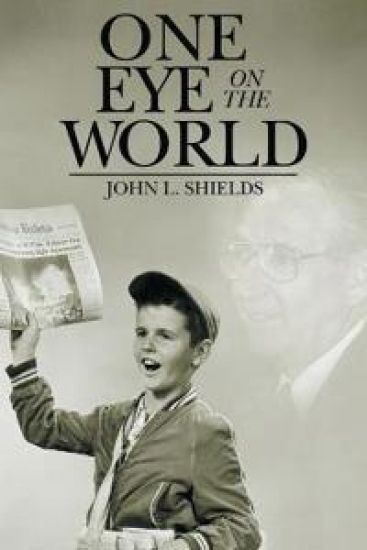

A variety of thoughts, joke, and anecdotes to keep readers laughing Some romantic, some religious, and some just downright witty--readers won't be able to turn the page fast enough to soak up the next quip About the Author John L. Smith Sr. has been telling jokes since he was ten years old. It all started when he would tell his mother jokes to cheer her up and make her laugh. In school he was the class clown. As he got older his friends knew him as the King of One Liners from movies. In addition to making people laugh, Smith is passionate about sports. He currently resides in Willow Grove, Pennsylvania, and volunteers at the senior center in Warminster. He has three children and feels very blessed and lucky to have so many wonderful people in his life.

Conservatives are from Earth, Liberals are from Uranus.
John L. Armstrong
Dorrance Publishing Co.
2019
sidottu
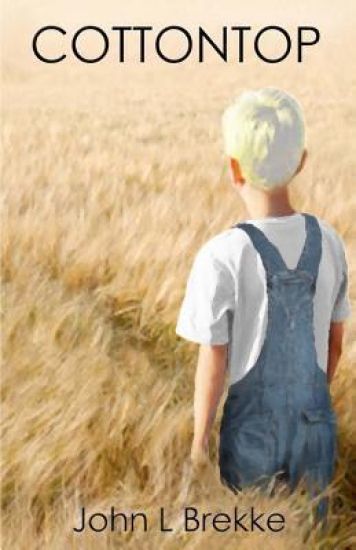
Cot-ton-top - A person with hair so lightly colored so as to be mistaken for white. It's the 1950s, the cold war rages, the 4-H Spooktacular looms, and the piglets are in the garden again. Almost 14 year old John Lawrence "Cottontop" has been sent to live with his uncle and aunt after the death of his father. Here on the farm, he slops pigs, milks cows, goes fishing when it rains, and every month learns the words from the Reader's Digest "How To Increase Your Word Power."In this heartwarming tale Cottontop searches for truth at a time when truth has become uncertain. He is aided in his quest by kindly Uncle George, Ann his schoolmarm aunt, Smitty the dock-guy, Earnest who must not laugh while driving, crabby Uncle Andrew, and Wanda, who is perhaps something more than just a friend.Sprinkled with homespun wisdom, plenty of Midwestern humor, and nostalgia for rural life in the 50's, "Cottontop" is a coming of age story that artfully celebrates the innocence of youth.