

Kirjahaku
Etsi kirjoja tekijän nimen, kirjan nimen tai ISBN:n perusteella.
1000 tulosta hakusanalla Julius Meier Graefe


The Letter To Julius Waters
Darlene Nicholson
Createspace Independent Publishing Platform
2013
nidottu

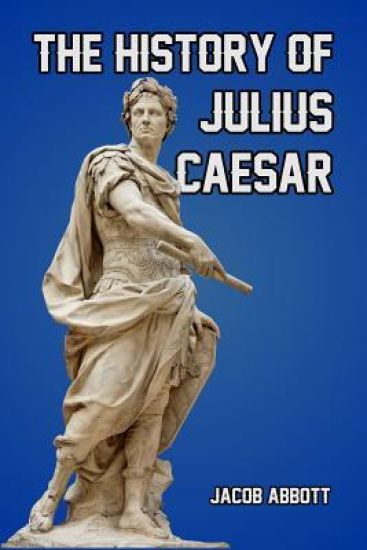
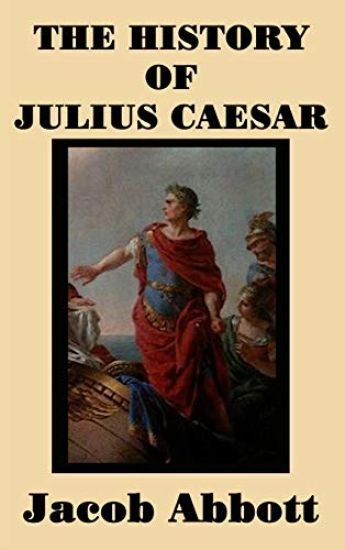
The name of Julius Caesar reverberates through history, not only as the most famous Roman ever, but as a symbol of imperial might, even reaching down through the centuries to give his name to the "Kaisers" and "Tsars" of Germany and Russia. This retelling of the story of Caesar, as recounted by master storyteller Jacob Abbott, starts with his childhood and then sketches the background to the beginning of the Roman leader's civil and military career in the service of Rome.From the time of his appointment to Consul (60 BC), through to the dramatic military victories in Gaul (51 BC), Caesar quickly progressed to one of the most popular political figures in Rome. These military victories and his subsequent growth in stature were correctly perceived as a direct threat to the political order back home, and Caesar was ordered by the Senate to lay down his military command and return to Rome. Famously, Caesar refused, and with his legions, crossed the Rubicon River-which marked Roman territory-in 49 BC, hereby formally declaring his intention to seize power in Rome. Civil war resulted, and after a period of strife which saw his erstwhile ally but now archenemy Pompey dead, Caesar emerged as the unrivaled leader of Rome. His adventures in Egypt-and his relationship with the famous Queen Cleopatra, combined with his increasingly authoritarian style of government caused further dissent in Rome, and he was assassinated by a group of senators led by Brutus on the Ides of March (15 March) 44 BC. His death did not result in the restoration of the Republic, as his assassins had hoped, but rather in the formalization of the Imperial system when his adopted heir Octavian, later known as Augustus, rose to sole power in his wake.Another masterpiece from Jacob Abbott which tells one of history's greatest stories in an easy-to-read and nonstop-action manner. ContentsChapter I: Marius and SyllaChapter II: C sar's Early YearsChapter III: Advancement to the ConsulshipChapter IV: The Conquest of GaulChapter V: PompeyChapter VI: Crossing the RubiconChapter VII: The Battle of PharsaliaChapter VIII: Flight and Death of PompeyChapter IX: C sar in EgyptChapter X: C sar ImperatorChapter XI: The ConspiracyChapter XII: The Assassination

The Tragedy of Julius Caesar: A Play
William Shakespeare
Createspace Independent Publishing Platform
2014
nidottu

The Tragedy of Julius Caesar - Large Print Edition: A Play
William Shakespeare
Createspace Independent Publishing Platform
2014
nidottu
History of Julius Caesar: Volume I
Emperor of the French Napoleon III
Createspace Independent Publishing Platform
2014
nidottu

The New Hudson Shakespeare: Julius Caesar
William Shakespeare
Createspace Independent Publishing Platform
2014
nidottu

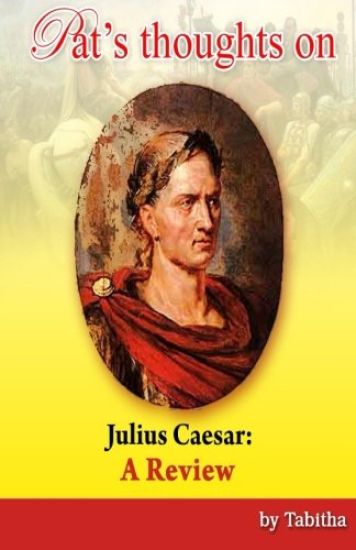
Pat's Thoughts on Julius Caesar: A Review
Tabitha Bailey
Createspace Independent Publishing Platform
2015
nidottu

The Tragedy of Julius Caesar
William Shakespeare
Createspace Independent Publishing Platform
2015
nidottu
The Tragedy of Julius Caesar is a tragedy by William Shakespeare, believed to have been written in 1599.


The Case of Julius and Ethel Rosenberg: The History of America's Most Controversial Espionage Trial
Charles River
Createspace Independent Publishing Platform
2015
nidottu
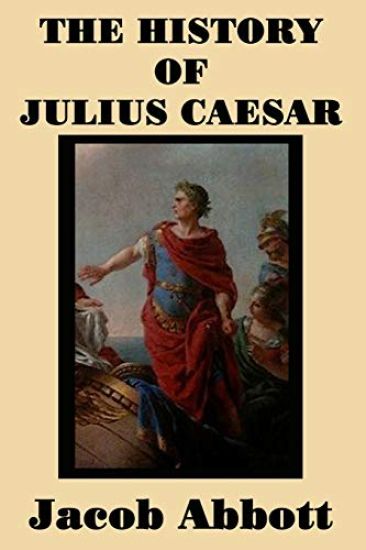
The name of Julius Caesar reverberates through history, not only as the most famous Roman ever, but as a symbol of imperial might, even reaching down through the centuries to give his name to the "Kaisers" and "Tsars" of Germany and Russia. This retelling of the story of Caesar, as recounted by master storyteller Jacob Abbott, starts with his childhood and then sketches the background to the beginning of the Roman leader's civil and military career in the service of Rome. From the time of his appointment to Consul (60 BC), through to the dramatic military victories in Gaul (51 BC), Caesar quickly progressed to become one of the most popular political figures in Rome. These victories and his subsequent growth in stature were correctly perceived as a direct threat to the political order back home, and Caesar was ordered by the Senate to lay down his military command and return to Rome. Famously, Caesar refused, and with his legions, crossed the Rubicon River-which marked Roman territory-in 49 BC, hereby formally declaring his intention to seize power in Rome. Civil war ensued, and after a period of strife which saw his erstwhile ally, but now archenemy, Pompey dead, Caesar emerged as the unrivaled leader of Rome. His adventures in Egypt-and his relationship with the famous Queen Cleopatra, combined with his increasingly authoritarian style of government, caused further dissent in Rome, and he was assassinated by a group of senators led by Brutus on the Ides of March (March 15) 44 BC. His death did not result in the restoration of the Republic, as his assassins had hoped, but rather in the formalization of the Imperial system when his adopted heir Octavian, later known as Augustus, rose to sole power in his wake. This is another masterpiece from Jacob Abbott which tells one of history's greatest stories in an easy-to-read and nonstop-action manner.

The Tragedy of Julius Caesar: Classic Shakespeare
William Shakespeare
Createspace Independent Publishing Platform
2015
nidottu
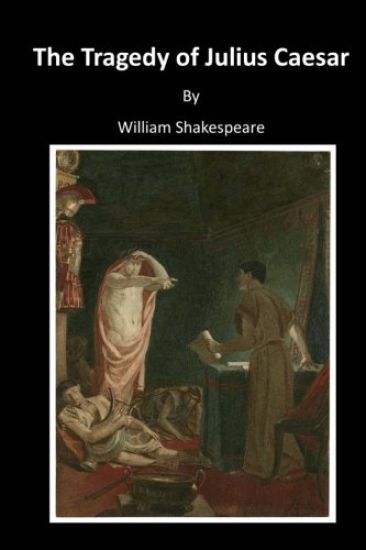
The Tragedy of Julius CaesarBy William ShakespeareThe Tragedy of Julius Caesar is a tragedy by William Shakespeare, believed to have been written in 1599. It is one of several plays written by Shakespeare based on true events from Roman history, which also include Coriolanus and Antony and Cleopatra.The play opens with the commoners of Rome celebrating Caesar's triumphant return from defeating Pompey's sons at the battle of Munda. Two tribunes, Flavius and Marrullus, discover the commoners celebrating, insult them for their change in loyalty from Pompey to Caesar, and break up the crowd. They also plan on removing all decorations from Caesar's statues and ending any other festivities. In the next scene, during Caesar's parade on the feast of Lupercal, a soothsayer warns Caesar to "Beware the ides of March," a warning he disregards. The action then turns to the discussion between Brutus and Cassius. In this conversation, Cassius attempts to influence Brutus' opinions into believing Caesar should be killed, preparing to have Brutus join his conspiracy to kill Caesar.

History of Julius Caesar Complete
Napoleon III
Createspace Independent Publishing Platform
2016
nidottu

History of Julius Caesar Volume I
Napoleon III
Createspace Independent Publishing Platform
2016
nidottu