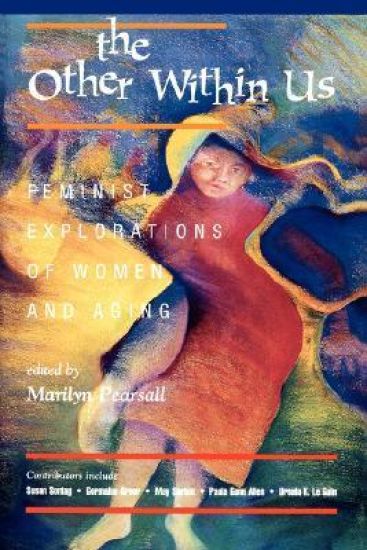
Feminist women bequeath to us a powerful critique of our society's obsession with beauty and impossible body ideals. Having refused makeup, high heels, and short skirts in their youth, these women are now entering the most stigmatized stage in a woman's life?old age. As she becomes the ?older woman,? the feminist's rejection of beauty standards and her ability to locate self-worth is being challenged.How will feminists respond to the issues raised in this phase of their lives? By confronting the issues unique to older women in our culture and society, these authors redress the neglect and isolation experienced within contemporary feminism and gerontology.Ultimately, the goal of the book is to inspire the aging woman to more easily embrace the ?older other? within her.
These essays on Pulitzer Prize winner, Elizabeth Bishop, argue that her ""sense of difference"" as an orphan, a woman artist and a lesbian, play a significant role in the questioning of aesthetic, ethical and sexual boundaries that is so much part of her poetic practice.
This book brings together the work of pioneering scholars in the field- critics who are exploring the psychosexual tensions within Bishop's vision and the uncanny way her poetics of dislocation challenges our assumptions about placement and orientation. These scholars argue that Bishop's ""sense of difference"" as an orphan, a woman artist, and a lesbian plays a significant role in the questioning of aesthetic, ethical, and sexual boundaries that is so much a part of her poetic practice. Drawing on central issues of Bishop's personal life, the book considers the ways in which the poet's art confronts the female body, the sexual politics of literary tradition, and the pleasures and perils of language itself.
What is lesbian literature? Must it contain overtly lesbian characters, and portray them in a positive light? Must the author be overtly (or covertly) lesbian? Does there have to be a lesbian theme and must it be politically acceptable? Marilyn Farwell here examines the work of such writers as Adrienne Rich, Marion Zimmer Bradley, Jeanette Winterson, Gloria Naylor, and Marilyn Hacker to address these questions. Dividing their writings into two genres--the romantic story and the heroic, or quest, story, Farwell addresses some of the most problematic issues at the intersection of literature, sex, gender, and postmodernism. Illustrating how the generational conflict between the lesbian- feminists of twenty years ago and the queer theorists of today stokes the critical fires of contemporary lesbian and literary theory, Heterosexual Plots and Lesbian Narratives concludes by arguing for a broad and generous definition of lesbian writing.
What is lesbian literature? Must it contain overtly lesbian characters, and portray them in a positive light? Must the author be overtly (or covertly) lesbian? Does there have to be a lesbian theme and must it be politically acceptable? Marilyn Farwell here examines the work of such writers as Adrienne Rich, Marion Zimmer Bradley, Jeanette Winterson, Gloria Naylor, and Marilyn Hacker to address these questions. Dividing their writings into two genres--the romantic story and the heroic, or quest, story, Farwell addresses some of the most problematic issues at the intersection of literature, sex, gender, and postmodernism. Illustrating how the generational conflict between the lesbian- feminists of twenty years ago and the queer theorists of today stokes the critical fires of contemporary lesbian and literary theory, Heterosexual Plots and Lesbian Narratives concludes by arguing for a broad and generous definition of lesbian writing.
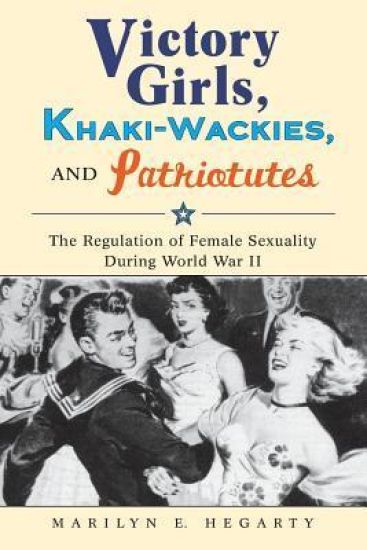
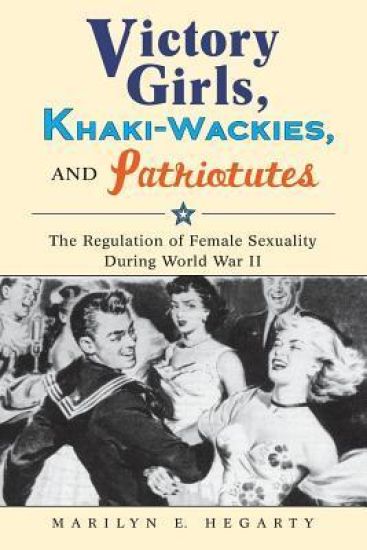
Victory Girls, Khaki-Wackies, and Patriotutes offers a counter-narrative to the story of Rosie the Riveter, the icon of female patriotism during World War II. With her fist defiantly raised and her shirtsleeves rolled up, Rosie was an asexual warrior on the homefront. But thousands of women supported the war effort not by working in heavy war industries, but by providing morale-boosting services to soldiers, ranging from dances at officers’ clubs to more blatant forms of sexual services, such as prostitution. While the de-sexualized Rosie was celebrated, women who used their sexuality—either intentionally or inadvertently—to serve their country encountered a contradictory morals campaign launched by government and social agencies, which shunned female sexuality while valorizing masculine sexuality. This double-standard was accurately summed up by a government official who dubbed these women“patriotutes”: part patriot, part prostitute. Marilyn E. Hegarty explores the dual discourse on female sexual mobilization that emerged during the war, in which agencies of the state both required and feared women’s support for, and participation in, wartime services. The equation of female desire with deviance simultaneously over-sexualized and desexualized many women, who nonetheless made choices that not only challenged gender ideology but defended their right to remain in public spaces.
Victory Girls, Khaki-Wackies, and Patriotutes offers a counter-narrative to the story of Rosie the Riveter, the icon of female patriotism during World War II. With her fist defiantly raised and her shirtsleeves rolled up, Rosie was an asexual warrior on the homefront. But thousands of women supported the war effort not by working in heavy war industries, but by providing morale-boosting services to soldiers, ranging from dances at officers' clubs to more blatant forms of sexual services, such as prostitution. While the de-sexualized Rosie was celebrated, women who used their sexuality—either intentionally or inadvertently—to serve their country encountered a contradictory morals campaign launched by government and social agencies, which shunned female sexuality while valorizing masculine sexuality. This double-standard was accurately summed up by a government official who dubbed these women"patriotutes": part patriot, part prostitute. Marilyn E. Hegarty explores the dual discourse on female sexual mobilization that emerged during the war, in which agencies of the state both required and feared women's support for, and participation in, wartime services. The equation of female desire with deviance simultaneously over-sexualized and desexualized many women, who nonetheless made choices that not only challenged gender ideology but defended their right to remain in public spaces.
Examines what it means to be African and American through the stories of recent West African immigrants African & American tells the story of the much overlooked experience of first and second generation West African immigrants and refugees in the United States during the last forty years. Interrogating the complex role of post-colonialism in the recent history of black America, Marilyn Halter and Violet Showers Johnson highlight the intricate patterns of emigrant work and family adaptation, the evolving global ties with Africa and Europe, and the translocal connections among the West African enclaves in the United States. Drawing on a rich variety of sources, including original interviews, personal narratives, cultural and historical analysis, and documentary and demographic evidence, African & American explores issues of cultural identity formation and socioeconomic incorporation among this new West African diaspora. Bringing the experiences of those of recent African ancestry from the periphery to the center of current debates in the fields of immigration, ethnic, and African American studies, Halter and Johnson examine the impact this community has had on the changing meaning of “African Americanness” and address the provocative question of whether West African immigrants are, indeed, becoming the newest African Americans.
Examines what it means to be African and American through the stories of recent West African immigrants African & American tells the story of the much overlooked experience of first and second generation West African immigrants and refugees in the United States during the last forty years. Interrogating the complex role of post-colonialism in the recent history of black America, Marilyn Halter and Violet Showers Johnson highlight the intricate patterns of emigrant work and family adaptation, the evolving global ties with Africa and Europe, and the translocal connections among the West African enclaves in the United States. Drawing on a rich variety of sources, including original interviews, personal narratives, cultural and historical analysis, and documentary and demographic evidence, African & American explores issues of cultural identity formation and socioeconomic incorporation among this new West African diaspora. Bringing the experiences of those of recent African ancestry from the periphery to the center of current debates in the fields of immigration, ethnic, and African American studies, Halter and Johnson examine the impact this community has had on the changing meaning of "African Americanness" and address the provocative question of whether West African immigrants are, indeed, becoming the newest African Americans.
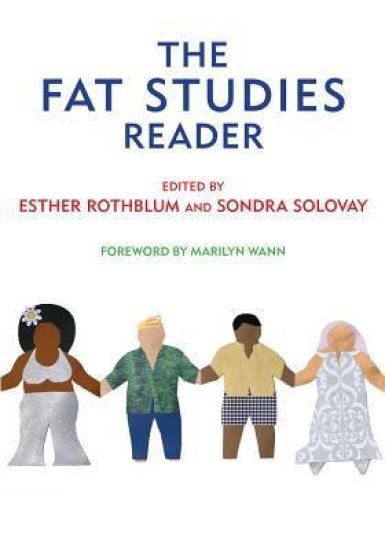
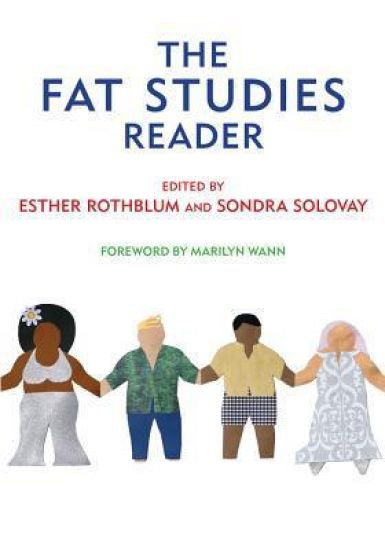
Winner of the 2010 Distinguished Publication Award from the Association for Women in Psychology Winner of the 2010 Susan Koppelman Award for the Best Edited Volume in Women's Studies from the Popular Culture Association A milestone anthology of fifty-three voices on the burgeoning scholarly movement—fat studies We have all seen the segments on television news shows: A fat person walking on the sidewalk, her face out of frame so she can't be identified, as some disconcerting findings about the "obesity epidemic" stalking the nation are read by a disembodied voice. And we have seen the movies—their obvious lack of large leading actors silently speaking volumes. From the government, health industry, diet industry, news media, and popular culture we hear that we should all be focused on our weight. But is this national obsession with weight and thinness good for us? Or is it just another form of prejudice—one with especially dire consequences for many already disenfranchised groups? For decades a growing cadre of scholars has been examining the role of body weight in society, critiquing the underlying assumptions, prejudices, and effects of how people perceive and relate to fatness. This burgeoning movement, known as fat studies, includes scholars from every field, as well as activists, artists, and intellectuals. The Fat Studies Reader is a milestone achievement, bringing together fifty-three diverse voices to explore a wide range of topics related to body weight. From the historical construction of fatness to public health policy, from job discrimination to social class disparities, from chick-lit to airline seats, this collection covers it all. Edited by two leaders in the field, The Fat Studies Reader is an invaluable resource that provides a historical overview of fat studies, an in-depth examination of the movement's fundamental concerns, and an up-to-date look at its innovative research.
Winner of the 2010 Distinguished Publication Award from the Association for Women in Psychology Winner of the 2010 Susan Koppelman Award for the Best Edited Volume in Women's Studies from the Popular Culture Association A milestone anthology of fifty-three voices on the burgeoning scholarly movement—fat studies We have all seen the segments on television news shows: A fat person walking on the sidewalk, her face out of frame so she can't be identified, as some disconcerting findings about the "obesity epidemic" stalking the nation are read by a disembodied voice. And we have seen the movies—their obvious lack of large leading actors silently speaking volumes. From the government, health industry, diet industry, news media, and popular culture we hear that we should all be focused on our weight. But is this national obsession with weight and thinness good for us? Or is it just another form of prejudice—one with especially dire consequences for many already disenfranchised groups? For decades a growing cadre of scholars has been examining the role of body weight in society, critiquing the underlying assumptions, prejudices, and effects of how people perceive and relate to fatness. This burgeoning movement, known as fat studies, includes scholars from every field, as well as activists, artists, and intellectuals. The Fat Studies Reader is a milestone achievement, bringing together fifty-three diverse voices to explore a wide range of topics related to body weight. From the historical construction of fatness to public health policy, from job discrimination to social class disparities, from chick-lit to airline seats, this collection covers it all. Edited by two leaders in the field, The Fat Studies Reader is an invaluable resource that provides a historical overview of fat studies, an in-depth examination of the movement's fundamental concerns, and an up-to-date look at its innovative research.
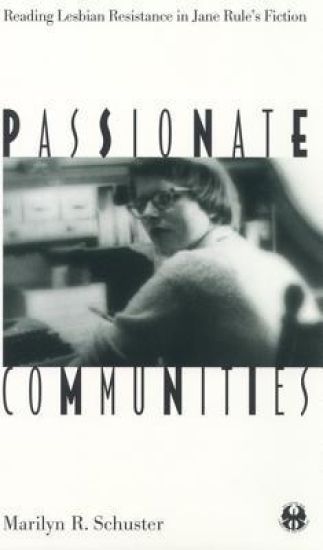
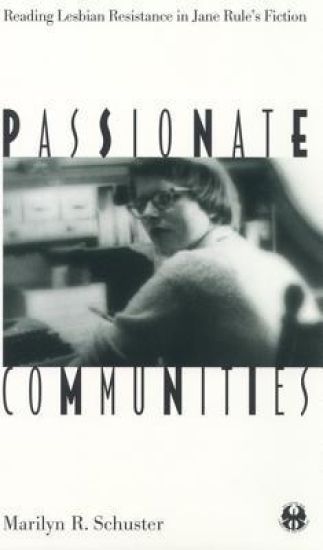
In this new full-length study of Jane Rule's life and work, Marilyn Schuster argues that Rule's novels provide a way of "writing and reading lesbian" that resists and subverts dominant discourses of gender and sexuality-both those of mainstream culture and of political and sexual subcultures. From her earliest novel, Desert of the Heart (1964), Rule's fiction has provided a challenge to the concept of a fixed identity and to the identity politics founded on such a concept. Incorporating all of Jane Rule's early work-including unpublished manuscripts, letters, magazine and newspaper columns, as well as fan mail she received-Schuster also draws on interviews, conversations, and personal encounters with the author to elicit the ways in which Rule interrogates the meanings and politics of sexuality, the relationship between sexuality and language, and the stakes of communities in individual claims on identity. Passionate Communities is a thorough, engaging, and long-overdue study of an important voice in lesbian literature and gay and lesbian politics.
In this new full-length study of Jane Rule's life and work, Marilyn Schuster argues that Rule's novels provide a way of "writing and reading lesbian" that resists and subverts dominant discourses of gender and sexuality-both those of mainstream culture and of political and sexual subcultures. From her earliest novel, Desert of the Heart (1964), Rule's fiction has provided a challenge to the concept of a fixed identity and to the identity politics founded on such a concept. Incorporating all of Jane Rule's early work-including unpublished manuscripts, letters, magazine and newspaper columns, as well as fan mail she received-Schuster also draws on interviews, conversations, and personal encounters with the author to elicit the ways in which Rule interrogates the meanings and politics of sexuality, the relationship between sexuality and language, and the stakes of communities in individual claims on identity. Passionate Communities is a thorough, engaging, and long-overdue study of an important voice in lesbian literature and gay and lesbian politics.
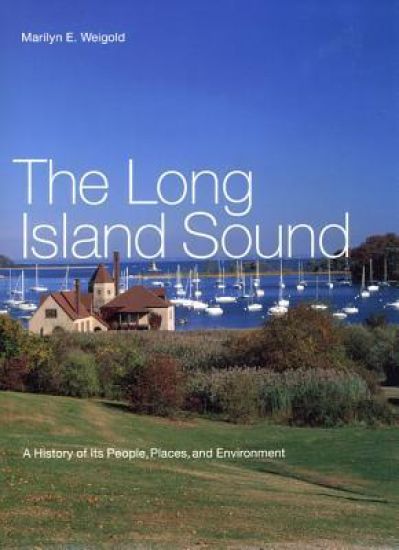
Spanning the shores of Connecticut and Long Island, New York, the Long Island Sound is one of the most picturesque places in North America. From the discovery of the Sound in 1614, to the adventures of Captain Kidd, to the sinking of the Lexington in the sound in 1840, the Long Island Sound also holds a unique place in American history. The Long Island Sound traces the growth of fishing and shipbuilding villages along the sound to the development of major industrial ports, resort towns, and suburban communities along the sound. Marilyn Weigold discusses the subsequent overcrowding and pollution that resulted from this prosperity and expansion. Originally published in 1974 as The American Mediterranean and long out of print, The Long Island Sound has been updated by the author with a new preface and final chapter describing the Sound in the twenty-first century. In this new edition, Weigold particularly focuses on environmental concerns, and describes more current milestones, like the Long Island Pine Barrens Society, who fought and won in 1995 to set aside 100,000 acres as NY State's first forest preserve; the continuous construction of the Long Island Expressway, with its forty-one miles of HOV lanes; the attempt made by several of Connecticut's coastal cities to reinvigorate urban redevelopment; and the Long Island Sound Study's investigation of toxic substances?both natural and man-made?which continue to contaminate the waterway. Through over 40 stunning photographs and many fascinating stories, The Long Island Sound tells the history of a vastly populated, but underdiscussed, part of America.
First Published in 1996. Following the author's previous work, Women in Science: Antiquity through the Nineteenth Century in 1986, an increased interest in feminism, science, and gender issues resulted in this subsequent title. This book will be valuable to scholars working in a variety of academic areas and will be useful at different educational levels from secondary through graduate school. This annotated bibliography of approximately 2700 entries also includes fields, nationality, periods, persons/institutions, reference, and theme indexes.
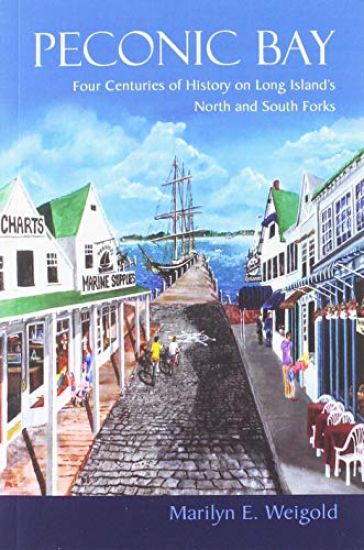
Bordered on the south by the Atlantic Ocean and on the north by Long Island Sound, the Peconic Bay region, including the North and South Forks, has only recently been recognized for its environmental and economic significance. The story of the waterway and its contiguous land masses is one of farmers and fishermen, sailing vessels and submarines, wealthy elite residents, and award winning vineyards.Peconic Bay examines the past 400 years of the region’s history, tracing the growth of the fishing industry, the rise of tourism, and the impact of a military presence in the wake of September 11. Weigold introduces readers to the people of Peconic Bay’s colorful history—from Albert Einstein and Captain Kidd, to Clara Barton and Kofi Annan—as well as to the residents who have struggled, and continue to struggle, over the well-being of their community and their estuarine connection to the planet. Throughout, Weigold brings to life the region’s rich sense of place and shines a light on its unique role in our nation’s history.
Bordered on the south by the Atlantic Ocean and on the north by Long Island Sound, Peconic Bay region, including the North and South Forks, have only recently been recognized for their environmental and economic significance. The story of the waterway and its contiguous land masses is one of farmers and fishermen, sailing vessels and submarines, wealthy elite residents, and award-winning vineyards.Peconic Bay examines the past 400 years of the region’s history, tracing the growth of the fishing industry, the rise of tourism, and the impact of a military presence in the wake of September 11. Weigold introduces readers to the people of Peconic Bay’s colorful history - from Albert Einstein and Captain Kidd, to Clara Barton and Kofi Annan - as well as to the residents who have struggled, and continue to struggle, over the well-being of their community and their estuarine connection to the planet. Throughout, Weigold brings to life the region’s rich sense of place and shines a light on its unique role in our nation’s history.
Edward P. Dozier was the first American Indian to establish a career as an academic anthropologist. In doing so, he faced a double paradox, cademic and cultural. The notion of objectivity that governed academic anthropology at the time dictated that researchers be impartial outsiders. Scientific knowledge was considered unbiased, impersonal, and public. In contrast, Dozier's Pueblo Indian culture regarded knowledge as privileged, personal, and gendered. Ceremonial knowledge was protected by secrecy and was never intended to be made public, either within or outside of the community. As an indigenous ethnologist and linguist, Dozier negotiated a careful balance between the conflicting values of a social scientist and a Pueblo Indian. Based on archival research, ethnographic fieldwork at Santa Clara Pueblo, and extensive interviews, this intellectual biography traces Dozier's education from a Bureau of Indian Affairs day school through the University of New Mexico on federal reimbursable loans and graduate school on the GI Bill. Dozier was the first graduate of the new post World War II doctoral program in anthropology at the University of California at Los Angeles in 1952. Beginning with his multicultural and linguistic heritage, the book interprets pivotal moments in his career, including the impact of Pueblo kinship on his indigenous research at Tewa Village (Hano); his rising academic standing and Indian advocacy at Northwestern University; his achievement of full academic status after he conducted non-indigenous fieldwork with the Kalinga in the Philippines; and his leadership in establishing American Indian Studies at the University of Arizona. Norcini interprets Dozier's career within the contexts of the history of American anthropology and Pueblo Indian culture. In the final analysis, Dozier is positioned as a transitional figure who helped transform the historical paradox of an American Indian anthropologist into the contemporary paradigm of indigenous scholarship in the academy.
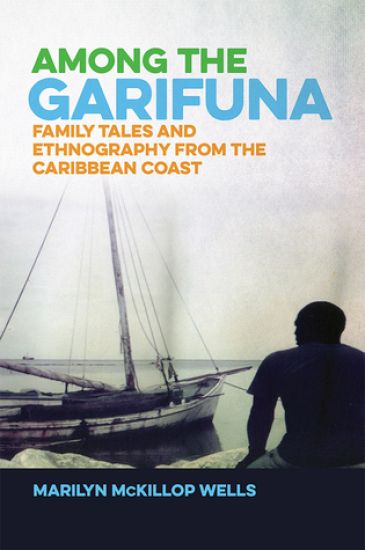
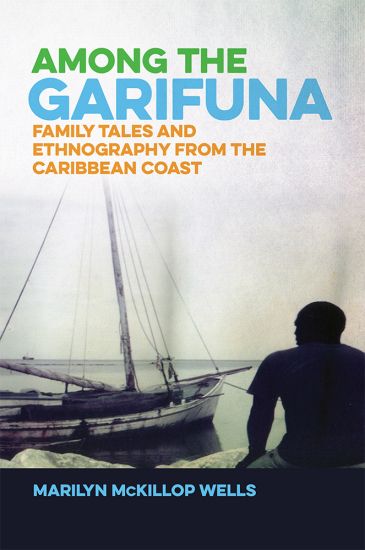
Among the Garifuna: Family Tales and Ethnography from the Caribbean Coast is an intimate ethnographic narrative of one indigenous family in the twentieth-century Caribbean, offering original insights on daily life, gender, culture, ethnicity, and religion.Among the Garifuna is the first ethnographic narrative of a Garifuna family. They are descendants of the “Black Carib,” whom the British deposited on Roatan Island in 1797 and who settled along the Caribbean coast from Belize City to Nicaragua.In 1980, medical anthropologist Marilyn McKillop Wells found herself embarking on an “improbable journey” when she was invited to the area to do fieldwork with the added challenge of revealing the “real” Garifuna. Upon her arrival on the island, Wells is warmly embraced by a local family, the Diegos, and sets to work recording life events and indigenous perspectives on polygyny, Afro-indigenous identity, ancestor-worshiping religion, and more, resulting in a lovingly intimate, earthy, human drama.The family narrative is organized chronologically. Part I, The Old Ways, is comprised of vignettes that introduce the family backstory with dialogue as imagined by Wells based on the family history she was told. We meet the family progenitors, Margaret and Cervantes Diego, during their courtship, experience Margaret’s pain as Cervantes takes a second wife, witness the death of Cervantes and ensuing mourning rituals, follow the return of Margaret and the children to their previous home in British Honduras, and observe the emergence of the children’s personalities.In Part II, Living There, Wells continues the story when she arrives in Belize and meets the Diego children, including the major protagonist, Tas. In Tas’s household she learns about foods and manners and watches family squabbles and reconciliations. In these mini-stories, Wells interweaves cultural information on the Garifuna people with first-person narrative and transcription of their words, assembling these into an enthralling slice of life. Part III, The Ancestor Party, takes the reader through a fascinating postmortem ritual that is enacted to facilitate the journey of the spirits of the honored ancestors to the supreme supernatural. Among the Garifuna contributes to the literary genre known as narrative anthropology, ethnographic fiction, or feminist ethnography, in the tradition of Zora Neal Hurston and other women writing culture in a personal way. Anthropologists, Caribbeanists, Latin Americanists, students, and general readers alike will warm to this family story as an instant classic.
An intimate ethnographic narrative of one indigenous family in the twentieth-century CaribbeanAmong the Garifuna is the first ethnographic narrative of a Garifuna family. The Garifuna are descendants of the “Black Carib,” whom the British deposited on Roatan Island in 1797 and who settled along the Caribbean coast from Belize City to Nicaragua. In 1980, medical anthropologist Marilyn McKillop Wells found herself embarking on an “improbable journey” when she was invited to the area to do fieldwork with the added challenge of revealing the “real” Garifuna. Upon her arrival on the island, Wells was warmly embraced by a local family, the Diegos, and set to work recording life events and indigenous perspectives on polygyny, Afro-indigenous identity, ancestor-worshiping religion, and more. The result, as represented in Among the Garifuna, is a lovingly intimate, earthy human drama. The family narrative is organized chronologically. Part I, “The Old Ways,” consists of vignettes that introduce the family backstory with dialogue as imagined by Wells based on the family history she was told. We meet the family progenitors, Margaret and Cervantes Diego, during their courtship, experience Margaret’s pain as Cervantes takes a second wife, witness the death of Cervantes and ensuing mourning rituals, follow the return of Margaret and the children to their previous home in British Honduras, and observe the emergence of the children’s personalities. In Part II, “Living There,” Wells continues the story when she arrives in Belize and meets the Diego children, including the major protagonist, Tas. In Tas’s household Wells learns about foods and manners and watches family squabbles and reconciliations. In these mini-stories, Wells interweaves cultural information on the Garifuna people with first-person narrative and transcription of their words, assembling these into an enthralling slice of life. Part III, “The Ancestor Party,” takes the reader through a fascinating postmortem ritual that is enacted to facilitate the journey of the spirits of the honored ancestors to the supreme supernatural. Among the Garifuna contributes to the literary genres of narrative anthropology and feminist ethnography in the tradition of Zora Neal Hurston and other women writing culture in a personal way. Wells’s portrait of this Garifuna family will be of interest to anthropologists, Caribbeanists, Latin Americanists, students, and general readers alike.