

Kirjahaku
Etsi kirjoja tekijän nimen, kirjan nimen tai ISBN:n perusteella.
1000 tulosta hakusanalla Norma M Benjamin










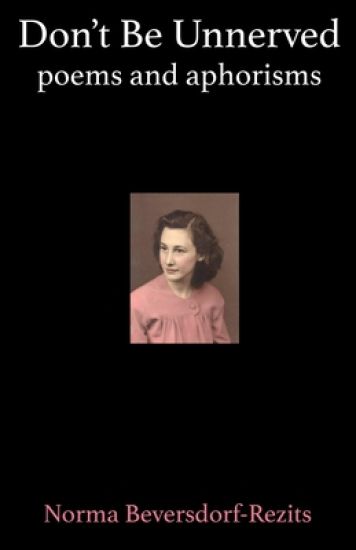
Norma Beversdorf-Rezits, born in 1924, was a life-long poet, keeping her work private in a box under her bed. Only one child knew of this, and she was told they were not to be seen until after she was dead. As she moved out of her home into a memory care center, the box was found, and upon her death in May 2020 the box was explored and the quality of short poetry and profound (and often humorous) aphorisms was amazing. These tiny poems explore complex thought in very few words. This first volume introduces her work to eyes other than her own. These artful lines will startle you with their spiritual depth, wit, and beauty.
Norma Beversdorf-Rezits kept a lifetime of hidden poetry under her bed. Only one daughter even knew she wrote. When asked "Did you keep your poems?" NBR answered "Oh, Yes." "Where?" "Under my bed" "Can I see them'"When I'm dead."NBR died at age 95 in May 2020. This is the second small volume of exquisite poetry curated from about 700 neatly typed poems in her collection. NBR expressed complex and profound thoughts in just a few simple words, with an artistry that frames her thinking with delicacy and grace. She addressed universal questions: good and evil, life and death, love, conflict, spiritual understanding. Her work has been compared to Wallace Stevens and Emily Dickenson but her poems are distinctly fresh and original. There is wit, depth, self-understanding, acceptance, and hope in this small book.
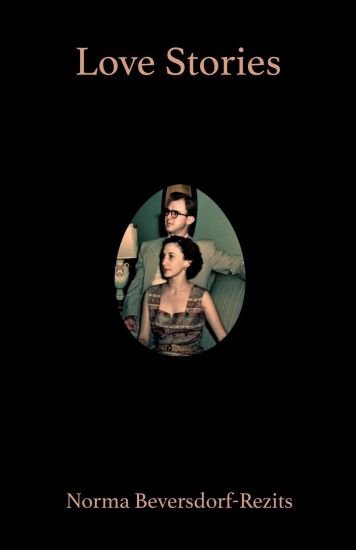
Norma Beversdorf-Rezits, was hardly a private person. Nevertheless, she chose not to share a lifetime of poems with family and friends. Norma died at age 95, six months after the passing of Joseph Rezits, the love of her life, whom she married when they were both 88 years old. As her daughter, ncountering the more than 700 poems in a box under her bed was electric. The poems are phenomenal -- short, arresting, profoundly deep. She expresses love for herself and for others, and she forgives everyone, including herself. She teaches us how to accept others for who they are and how to find our own inner wisdom. This is the third of four anticipated volumes of her work. In this collection, we feel her love for her mother, her first husband, and her five children. We are also with her as she mourns the loss of a child and later a husband. As much as these poems reflect Norma's actual life, she consistently turns the personal into the universal as she explores the many facets of love, trust, frustration, grief, acceptance, and insight. The deep truths in her poetry reveal a vast world of love, now open to all.