Kirjojen hintavertailu. Mukana 11 627 484 kirjaa ja 12 kauppaa.

Kirjahaku

Etsi kirjoja tekijän nimen, kirjan nimen tai ISBN:n perusteella.

1000 tulosta hakusanalla "Biochemistry"

Biochemistry Collections

Biochemistry Collections

TAYLOR FRANCIS LTD
2021
nidottu
This book, first published in 1982, offers an examination of the special nature of biochemistry collections. It focuses on the production, control, and use of the literature – diverse in nature, and analysed here by specialist contributors.
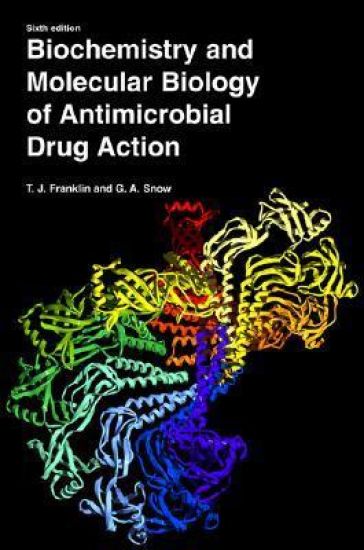
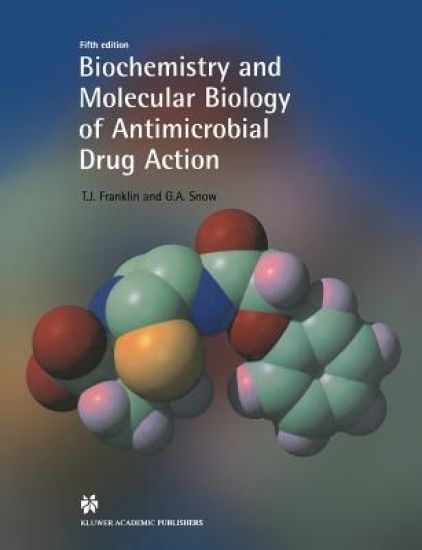
Biochemistry and Molecular Biology of Antimicrobial Drug Action

Biochemistry and Molecular Biology of Antimicrobial Drug Action

Trevor J. Franklin; George Alan Snow

Springer-Verlag New York Inc.
2005
sidottu
Preface to the sixth edition x 1 THE DEVELOPMENT OF ANTIMICROBIAL AGENTS, PAST, PRESENT AND FUTURE 1 1. 1 The social and economic importance of antimicrobial agents 1 1. 2 All outhne of the historical development of antimicrobial agents 2 1. 3 Reasons for studying the biochemistry and molecular biology of antimicrobial compounds 9 1. 4 Uncovering the molecular basis of antimicrobial action iO 1. 5 Current trends in the discovery of antimicrobial drugs 14 1. 6 . Scope and layout of the book 15 2 VULNERABLE SHIELDS—THE CELL WALLS OF BACTERIA AND FUNGI 17 2. 1 Functions of the ceU wall 17 2. 2 . Structure of the bacterial wall 17 2. 3 Structure and biosynthesis of peptidoglycan 22 2. 4 Antibiotics that inhibit peptidoglycan biosynthesis 29 2. 5 Drugs that interfere with the biosynthesis of the cell wall of mycobacteria 39 2. 6 The fungal cell wall as a target for antifungal drugs 41 3 ANTIMICROBIAL AGENTS AND CELL MEMBRANES 47 3. 1 Microbe killers: antiseptics and disinfectants 47 3. 2 Cationic peptide antibiotics 52 3. 3 lonophoric antibiotics 54 3. 4 Antifungal agents that interfere with the function and biosynthesis of membrane sterols 59 4 INHIBITORS OF NUCLEIC ACID BIOSYNTHESIS 65 4. 1 Compounds affecting the biosynthesis and utilization of nucleotide precursors 66 4. 2 Nucleoside analogues 70 4. 3 Inhibitors of the reverse transcriptase of the human immunodeficiency virus 72 4. 4 Antibacterial inhibitors of topoisomerases 75 4.
Biochemistry of Atherosclerosis

Biochemistry of Atherosclerosis

Springer-Verlag New York Inc.
2006
sidottu
At its present rate of growth, atherosclerosis will be the major cause of death from disease by the year 2020. Atherosclerosis is an extremely complex, biochemical, multifactorial process. This book will cover many aspects of atherogenesis, with particular emphasis on lipid and lipoprotein metabolism. We will cover all aspects of the regulation of cholesterol homeostasis and the importance of each pathway. This book will explore the role of nuclear hormone receptors on lipid and lipoprotein metabolism and their complex roles in atherogenesis. Finally, how the use of genetic studies can help sort out the immense complexities that mediate these aspects of atherogenesis will be discussed.
Biochemistry and Physiology of Anaerobic Bacteria
During the past twenty years, multitudes of exciting discoveries in the field of anaerobic bacteria have been made. Biochemistry and Physiology of Anaerobic Bacteria explores the full range of these microorganisms. Many anaerobes have been found to have the uniquely fascinating quality of being able to survive, indeed even thrive, in extreme environments. Anaerobic bacteria often do not require oxygen, can survive extremes in temperature, and can withstand the presence of toxins and heavy metals. In addition, these organisms have very different metabolic processes than "conventional" microorganisms. The wide diversity of metabolism in anaerobes is only part of the story. They have distinct energies, cytochromes, electron transport proteins, hydrogenases and dehydrogenases. Their molecular biology, physiology, and ability to use many types of electron receptors (CO2, sulfur, nitrogen and metal oxides) are also extraordinary. With practical applications ranging from wastewater treatment to food storage issues, clinical diagnosis and treatment of a wide range of medical conditions to decontamination of heavy metal exposures Biochemistry and Physiology of Anaerobic Bacteria will prove indispensable to researchers and students alike.
Biochemistry of Antimicrobial Action

Biochemistry of Antimicrobial Action

Trevor John Franklin; G. A. Snow

Chapman and Hall
1975
nidottu
The rapid advances made in the study of the synthesis, structure and function of biological macromolecules in the last fifteen years have enabled scientists concerned with antimicrobial agents to achieve a considerable measure of understanding of how these substances inhibit cell growth and division. The use of antimicrobial agents as highly specific inhibitors has in turn substantially assisted the investigation of complex biochemical processes. The literature in this field is so extensive however, that we considered an attempt should be made to draw together in an introductory book the more significant studies of recent years. This book, which is in fact based on lecture courses given by us to undergraduates at Liverpool and Manchester Universities, is therefore intended as an introduction to the biochemistry of antimicrobial action for advanced students in many disciplines. We hope that it may also be useful to established scientists who are new to this area of research. The book is concerned with a discussion of medically important antimicrobial compounds and also a number of agents that, although having no medical uses, have proved invaluable as research tools in biochemistry. Our aim has been to present the available information in a simple and readable way, emphasizing the established facts rather than more controversial material. Whenever possible, however, we have indicated the gaps in the present knowledge of the subject where further information is required.
Biochemistry of Fruit Ripening
It is over 20 years since the publication of A.c. Hulme's two volume text on The Biochemistry of Fruits and thei.r Products. Whilst the bulk of the information contained in that text is still relevant it is true to say that our understanding of the biochemical and genetic mech
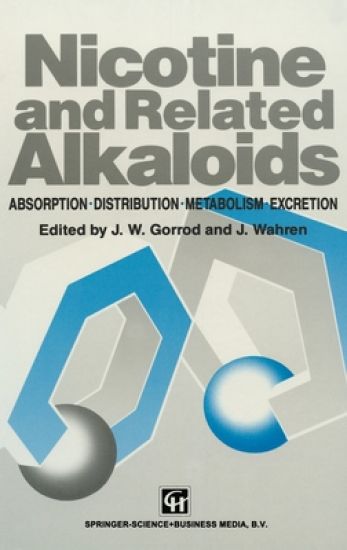
Biochemistry and the Metabolism of Nicotine and Related Alkaloids
This book serves as a reference volume for anyone interested in nicotine and tobacco. An international team of authors contribute to this comprehensive review of current knowledge on the pharmacokinetics and metabolism of nicotine. A broad range of material on the action and uptake of nicotine and the consequences of exposure to it has been drawn together for the first time in this volume. This book should be of interest to research scientists and health professionals in pharmacology, toxicology and neurosciences.
Biochemistry and Molecular Biology of Antimicrobial Drug Action
The rapid advances made in the study of the synthesis, structure and function of biological macromole­ cules in the last fifteen years have enabled scientists concerned with antimicrobial agents to achieve a considerable measure of understanding of how these substances inhibit cell growth and division. The use of antimicrobial agents as highly specific inhibitors has in turn substantially assisted the investigation of complex biochemical processes. The literature in this field is so extensive, however, that we considered an attempt should be made to draw together in an introductory book the more significant studies of recent years. This book, which is in fact based on lecture courses given by us to undergraduates at Liverpool and Manchester Universities, is therefore intended as an introduction to the biochemistry of antimicrobial action for advanced students in many disciplines. We hope that it may also be useful to established scientists who are new to this area of research. The book is concerned with a discussion of medically important antimicrobial compounds and also a number of agents that, although having no medical uses, have proved invaluable as research tools in bio­ chemistry. Our aim has been to present the available information in a simple and readable way, empha­ sizing the established facts rather than more controversial material. Whenever possible, however, we have indicated the gaps in the present knowledge of the subject where further information is required.
Biochemistry Explained

Biochemistry Explained

Thomas Millar

CRC Press
2002
nidottu
Biochemistry Explained employs an innovative approach which has proven highly successful in the author's own classes. The author establishes a thorough understanding of the foundations of and common linkages between molecular structures and reactions, so that eventual interpretation of complex biochemical pathways and reactions is easy. All of the major molecular structures and biochemical pathways are explained, and, for the most part, these center on mammalian biochemistry. The text is supported by biochemical nomenclature and questions to bear in mind while reading. Higher learning sections are also provided for advanced students. Written in an informal, conversational style, this textbook will serve as an invaluable resource for any student who is struggling with the standard texts and for postgraduate students who need to refresh their knowledge.
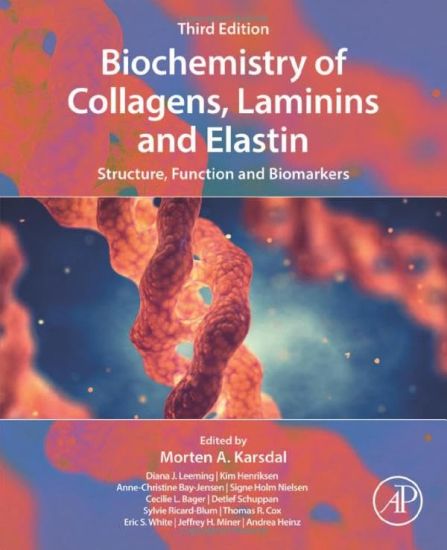
Biochemistry of Collagens, Laminins and Elastin

Biochemistry of Collagens, Laminins and Elastin

Morten Karsdal

ELSEVIER SCIENCE PUBLISHING CO INC
2023
nidottu
Biochemistry of Collagens, Laminins, and Elastin: Structure, Function and Biomarkers, Third Edition provides current data on key structural proteins (collagens, laminins, and elastin), reviews on how these molecules affect pathologies, and information on how selected modifications of these proteins can result in altered signaling properties of the original extracellular matrix (ECM). Further, it discusses the novel concept that an increasing number of components of the extracellular matrix harbor cryptic signaling functions with ties to endocrine function, and how this knowledge may be used to modulate various pathologies, including fibrotic disease. This new edition has been expanded and revised to incorporate recent research advances. Several new chapters explore a range of chronic diseases in which the ECM and collagens, laminin and elastin are central players in disease modulation, including new chapters on lung, skin and intestinal disease, as well as cancers. The new edition also considers emerging analytical technologies that can detect biomarkers of ECM degradation, with discussion of protein quantification and detecting aging of collagens.
Biochemistry of Lipids, Lipoproteins and Membranes
Biochemistry of Lipids: Lipoproteins and Membranes, Volume Six, contains concise chapters that cover a wide spectrum of topics in the field of lipid biochemistry and cell biology. It provides an important bridge between broad-based biochemistry textbooks and more technical research publications, offering cohesive, foundational information. It is a valuable tool for advanced graduate students and researchers who are interested in exploring lipid biology in more detail, and includes overviews of lipid biology in both prokaryotes and eukaryotes, while also providing fundamental background on the subsequent descriptions of fatty acid synthesis, desaturation and elongation, and the pathways that lead the synthesis of complex phospholipids, sphingolipids, and their structural variants. Also covered are sections on how bioactive lipids are involved in cell signaling with an emphasis on disease implications and pathological consequences.
Biochemistry of Lipids, Lipoproteins and Membranes
This is the third edition of this advanced textbook, written with two major objectives in mind. One is to provide an advanced textbook covering the major areas in the fields of lipid, lipoprotein, and membrane biochemistry, and molecular biology. The second objective is to provide a clear summary of these research areas for scientists presently working in these fields.The volume provides the basis for an advanced course for students in the biochemistry of lipids, lipoproteins and membranes. The book will satisfy the need for a general reference and review book for scientists studying lipids, proteins and membranes. Excellent up-to-date reviews are available on the various topics covered. A current, readable, and critical summary of these areas of research, it will allow scientists to become familiar with recent developments related to their own research interests, and will help clinical researchers and medical students keep abreast of developments in basic science that are important for subsequent clinical advances.
Biochemistry for Sport and Exercise Metabolism

Biochemistry for Sport and Exercise Metabolism

Donald MacLaren; James Morton

John Wiley Sons Inc
2011
nidottu
How do our muscles produce energy for exercise and what are the underlying biochemical principles involved? These are questions that students need to be able to answer when studying for a number of sport related degrees. This can prove to be a difficult task for those with a relatively limited scientific background. Biochemistry for Sport and Exercise Metabolism addresses this problem by placing the primary emphasis on sport, and describing the relevant biochemistry within this context. The book opens with some basic information on the subject, including an overview of energy metabolism, some key aspects of skeletal muscle structure and function, and some simple biochemical concepts. It continues by looking at the three macromolecules which provide energy and structure to skeletal muscle - carbohydrates, lipids, and protein. The last section moves beyond biochemistry to examine key aspects of metabolism - the regulation of energy production and storage. Beginning with a chapter on basic principles of regulation of metabolism it continues by exploring how metabolism is influenced during high-intensity, prolonged, and intermittent exercise by intensity, duration, and nutrition. Key Features: A clearly written, well presented introduction to the biochemistry of muscle metabolism.Focuses on sport to describe the relevant biochemistry within this context.In full colour throughout, it includes numerous illustrations, together with learning objectives and key points to reinforce learning. Biochemistry for Sport and Exercise Metabolism will prove invaluable to students across a range of sport-related courses, who need to get to grips with how exercise mode, intensity, duration, training status and nutritional status can all affect the regulation of energy producing pathways and, more important, apply this understanding to develop training and nutrition programmes to maximise athletic performance.
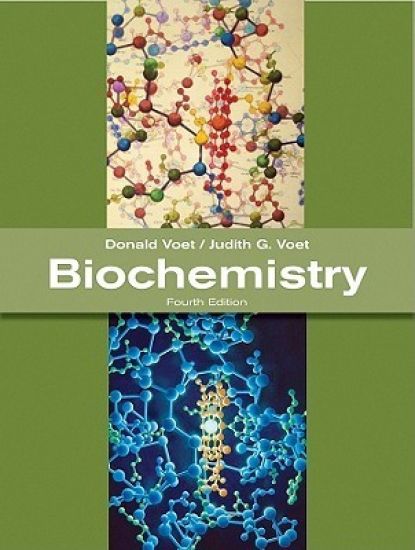
Biochemistry, 4e (WSE)

Biochemistry, 4e (WSE)

D Voet

John Wiley Sons Inc
2011
sidottu
The "Gold Standard" in Biochemistry text books, Biochemistry 4e, is a modern classic that has been thoroughly revised. Don and Judy Voet explain biochemical concepts while offering a unified presentation of life and its variation through evolution. Incorporates both classical and current research to illustrate the historical source of much of our biochemical knowledge.
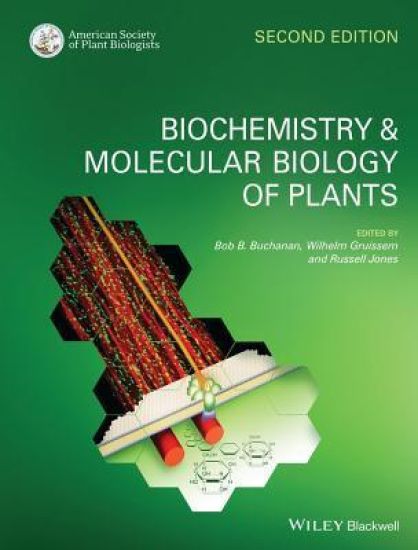
Biochemistry and Molecular Biology of Plants
Biochemistry and Molecular Biology of Plants, 2nd Edition has been hailed as a major contribution to the plant sciences literature and critical acclaim has been matched by global sales success. Maintaining the scope and focus of the first edition, the second will provide a major update, include much new material and reorganise some chapters to further improve the presentation. This book is meticulously organised and richly illustrated, having over 1,000 full-colour illustrations and 500 photographs. It is divided into five parts covering: Compartments, Cell Reproduction, Energy Flow, Metabolic and Developmental Integration, and Plant Environment and Agriculture. Specific changes to this edition include: Completely revised with over half of the chapters having a major rewrite.Includes two new chapters on signal transduction and responses to pathogens.Restructuring of section on cell reproduction for improved presentation.Dedicated website to include all illustrative material. Biochemistry and Molecular Biology of Plants holds a unique place in the plant sciences literature as it provides the only comprehensive, authoritative, integrated single volume book in this essential field of study.
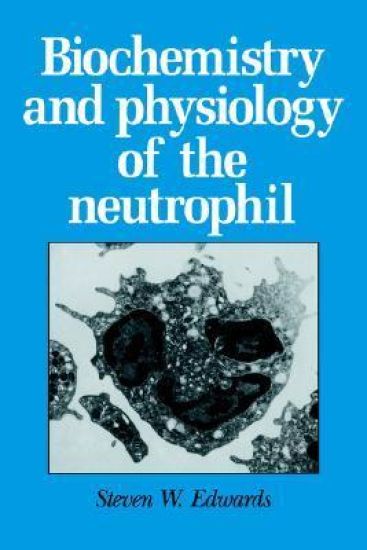
Biochemistry and Physiology of the Neutrophil

Biochemistry and Physiology of the Neutrophil

Steven W. Edwards

Cambridge University Press
2005
pokkari
This book describes the role of the neutrophil in infection and inflammation and provides an up-to-date review of the biochemistry and physiology of these cells, highlighting the mechanisms by which they seek out and destroy pathogenic micro-organisms. The development of these cells during haematopoiesis is described and the mechanisms which lead to the production of reactive oxidants and the intracellular signal transduction systems which lead to the cell's activation are reviewed. The book also discusses recent discoveries concerning the role of cytokines in the regulation of neutrophil function together with the importance of the neutrophil as a generator of inflammatory cytokines. Finally there is a description of the biochemical defects that give rise to some of the neutrophil-associated human diseases.
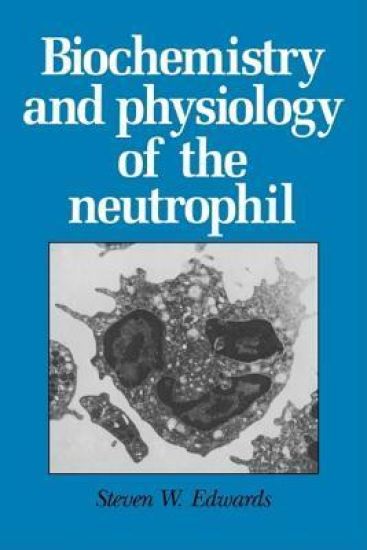
Biochemistry and Physiology of the Neutrophil

Biochemistry and Physiology of the Neutrophil

Steven W. Edwards

Cambridge University Press
1994
sidottu
This book describes the role of the neutrophil in infection and inflammation and provides an up-to-date review of the biochemistry and physiology of these cells, highlighting the mechanisms by which they seek out and destroy pathogenic micro-organisms. The development of these cells during haematopoiesis is described and the mechanisms which lead to the production of reactive oxidants and the intracellular signal transduction systems which lead to the cell's activation are reviewed. The book also discusses recent discoveries concerning the role of cytokines in the regulation of neutrophil function together with the importance of the neutrophil as a generator of inflammatory cytokines. Finally there is a description of the biochemical defects that give rise to some of the neutrophil-associated human diseases.