Kirjojen hintavertailu. Mukana 12 083 983 kirjaa ja 12 kauppaa.

Kirjahaku

Etsi kirjoja tekijän nimen, kirjan nimen tai ISBN:n perusteella.

1000 tulosta hakusanalla Alessandro Curcio

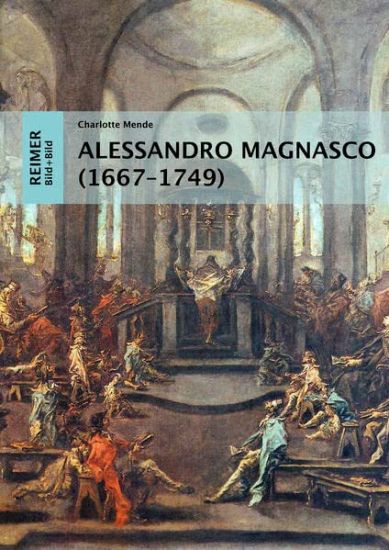
Alessandro Magnasco (1667-1749): Eine Visuelle Religionsgeschichte
The Italian painter Alessandro Magnasco (1667-1749) depicted religious communities as diverse as Jews, Christians, Quakers and Pagan people in his religious pictures. The author examines the sources of inspiration for his pictures, the role of the collectors of the time and which rites and what motivation achieved pictorial worth . For the first time, this volume decodes the "religious pictures" by the Italian painter Alessandro Magnasco (1667-1749) from the transition from the late baroque to the rococo as pictorial arguments for religious discourse. The paintings were dedicated to depicting religious practices of such diverse faith communities as the Jews, Christians - including Quakers - but also the Pagan and popular superstitions. Under the aspects of iconography, pendant formation and contemporary reception, Charlotte Mende examines why certain religious rites achieved pictorial worth. Which sources of inspiration caused Magnasco's idiosyncratic pictorial inventions and how did the collectors of the time deal with them?
Alessandro Manzoni

Alessandro Manzoni

Tanja Ridder

Grin Publishing
2010
nidottu
Studienarbeit aus dem Jahr 2001 im Fachbereich Germanistik - Komparatistik, Vergleichende Literaturwissenschaft, Note: befriedigend, Universitat Duisburg-Essen (AVL), Veranstaltung: Die Liebe in den Zeiten der Pest, Sprache: Deutsch, Abstract: Betrachtet man die Biographien der beiden Schriftsteller Alessandro Manzoni und Denis Diderot, so konnten sie unterschiedlicher nicht sein. Denis Diderot sollte Theologie studieren, wollte aber lieber freier Schriftsteller sein. Er liebte Paris, die literarischen Salons und hatte eine Vorliebe fur die Libertinage. Er schrieb anzugliche Romane, sprach gerne und offentlich uber Sexualitat, er war Atheist und prangerte das gesamte Christentum an. Alessandro Manzoni dagegen lebte zunachst mit seiner Mutter in Paris und lernte die Salons und die Libertinage kennen, wandte sich dann aber ab von jeglicher Freizugigkeit und wurde Katholik. Er verliess das lasterhafte Paris, lebte streng monogam und prufte uberhaupt von nun an alles, was er tat, ob es sich mit seiner Religion vereinbaren liesse. Seine Auffassung von religioser Pflichterfullung war mehr als streng und Spass und Ausgelassenheit waren im Hause Manzonis nicht gern gesehen. Trotz dieser Unterschiede aber haben die beiden uber ein Thema geschrieben: uber eine Nonne, die von ihren Eltern zum Klosterleben gezwungen wird. Mehr als die Gemeinsamkeiten der beiden Werke bin ich an den Unterschieden interessiert. Oder besser gesagt, ich mochte in meiner Arbeit nicht nur die Unterschiede herausarbeiten, sondern besonderen Wert darauf legen, aufzuzeigen, warum diese beiden Autoren eine gleiche Geschichte unterschiedlich gestalten. Weiterhin werde ich darauf eingehen, wie eng diese unterschiedliche Gestaltung mit dem Leben und der Einstellung der Schriftsteller verbunden ist. Zuletzt werde ich mich damit beschaftigen, wie die katholische Kirche auf beide Werke reagiert h
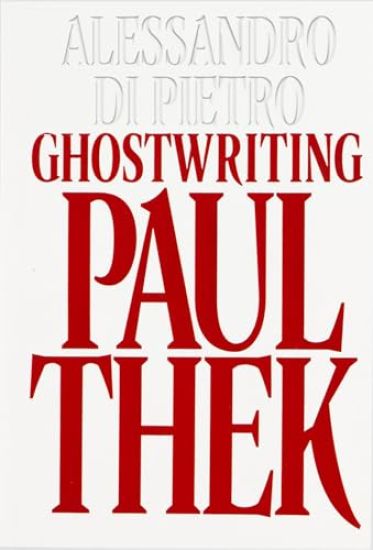
Alessandro Di Pietro: Ghostwriting Paul Thek

Alessandro Di Pietro: Ghostwriting Paul Thek

Alessandro Di Pietro

Mousse Publishing
2024
nidottu
Alessandro Di Pietro: Ghostwriting Paul Thek, edited by Cornelia Mattiacci and Peter Benson Miller, is conceived as a compendium of texts and notes generated for the artist Alessandro Di Pietro as he developed the exhibition project Ghostwriting Paul Thek: Time Capsules and Reliquaries. The traveling exhibition—which appeared at the Watermill Center, New York; CAN Centre d’Art Neuchâtel, Switzerland; Palazzo Monti, Brescia, Italy; and Fondazione Nicola Del Roscio, Rome—presented pieces conceived in dialogue with the work of the legendary US artist Paul Thek (1933–1988). The texts, notes, and other original sources featured in the volume—ranging from essays to WhatsApp messages, diary entries, and newspaper pages—are presented in the languages in which they were contributed by the twenty-five authors involved (English or Italian). They re-create the intellectual context for the development of Thek’s/Di Pietro’s intertwined ideas, blurring fact and fiction and maintaining a certain ambiguity of authorship. The publication’s sole reprint comes from Chris Kraus’s Aliens & Anorexia (2000). The exhibition/publication project was the winner of the eleventh edition of the Italian Council (2022) call for proposals issued by the General Directorate for Creativity of the Italian Ministry of Culture.
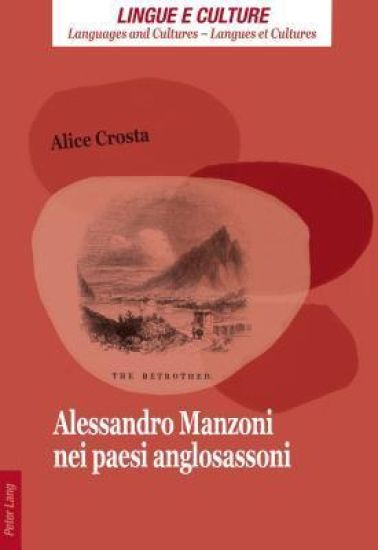
Alessandro Manzoni nei paesi anglosassoni

Alessandro Manzoni nei paesi anglosassoni

Alice Crosta

Peter Lang AG, Internationaler Verlag der Wissenschaften
2014
nidottu
Secondo la maggior parte dei critici, la fortuna di Manzoni in Gran Bretagna e negli Stati Uniti e stata molto limitata. Ma questo volume, che tratta della ricezione manzoniana nei paesi anglosassoni nell'Ottocento, cerca di ridimensionare l'interpretazione tradizionale della 'sfortuna', presentando numerosi documenti dai quali si evince che le opere di Manzoni erano lette e spesso anche apprezzate. Nell'Inghilterra romantica e vittoriana, le testimonianze piu evidenti della fortuna di Manzoni comprendono due recensioni di Mary Shelley, e alcune fi ctions (di autori come Bulwer Lytton ed Elizabeth Gaskell) che alludono ai Promessi sposi. Negli Stati Uniti, spiccano i riferimenti a Manzoni in alcune conferenze di Emerson e negli articoli di Margaret Fuller. Inoltre non va dimenticato il ruolo degli esuli politici del Risorgimento, che attraverso l'insegnamento dell'italiano e la pubblicazione di recensioni contribuirono (anche se in modo contraddittorio e ambivalente) alla fortuna internazionale di Manzoni. Spesso infatti nei paesi anglosassoni le sue opere venivano lette e discusse attraverso una mediazione italiana, francese o tedesca, un complesso scambio di edizioni e di recensioni.