Kirjojen hintavertailu. Mukana 11 342 296 kirjaa ja 12 kauppaa.

Kirjahaku

Etsi kirjoja tekijän nimen, kirjan nimen tai ISBN:n perusteella.

1000 tulosta hakusanalla Baruch Inbar

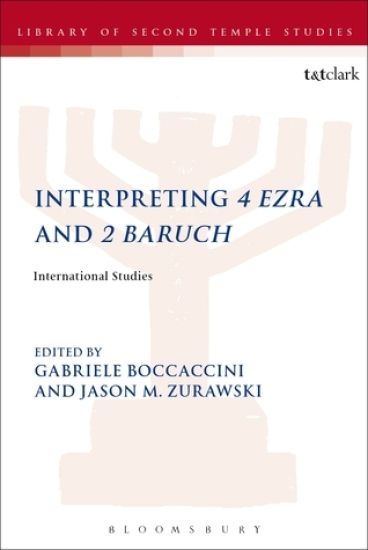
Interpreting 4 Ezra and 2 Baruch
In this volume Gabriele Boccaccini and Jason M. Zurawski collect together essays from leading international scholars on the books of 4 Ezra and 2 Baruch. The literature of the Second Temple Period has become increasingly studied in recent years as scholars have begun to recognize the importance of these texts for a developed understanding of Rabbinic and Christian origins.Through close readings of the texts themselves, examining the books in comparison with other Jewish apocalyptic literature and early Christian materials, and reading the texts in light of their social and historical settings, the fifteen papers collected herein significantly advance the current scholarly conversation on these defining Jewish apocalypses written at the end of the first century CE, and they shed light on the everlasting legacy of apocalyptic ideas in both Christianity and Judaism.
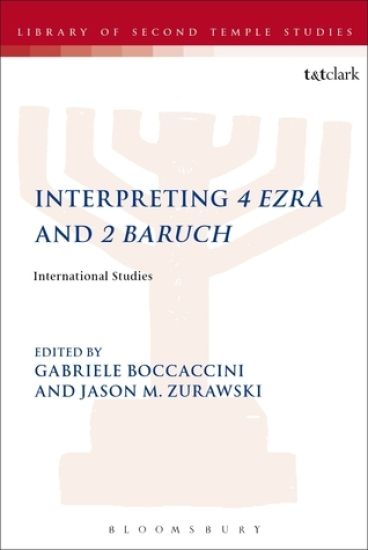
Interpreting 4 Ezra and 2 Baruch
In this volume Gabriele Boccaccini and Jason M. Zurawski collect together essays from leading international scholars on the books of 4 Ezra and 2 Baruch. The literature of the Second Temple Period has become increasingly studied in recent years as scholars have begun to recognize the importance of these texts for a developed understanding of Rabbinic and Christian origins.Through close readings of the texts themselves, examining the books in comparison with other Jewish apocalyptic literature and early Christian materials, and reading the texts in light of their social and historical settings, the fifteen papers collected herein significantly advance the current scholarly conversation on these defining Jewish apocalypses written at the end of the first century CE, and they shed light on the everlasting legacy of apocalyptic ideas in both Christianity and Judaism.
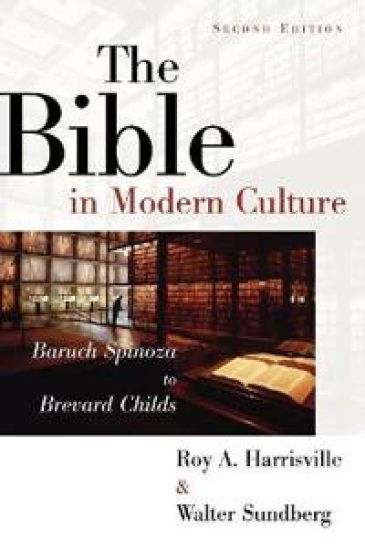
The Bible in Modern Culture: Baruch Spinoza to Brevard Childs

The Bible in Modern Culture: Baruch Spinoza to Brevard Childs

Roy A. Harrisville

William B Eerdmans Publishing Co
2002
pokkari
Historical-Critical Method in Biblical Scholarship has been a Pandora's box for the intellectual life of the church. No achievement of modern scholarship has been more effective in understanding the Bible, yet it has also seriously challenged a church trying to preserve the integrity of its cherished theological traditions. In this critically acclaimed book Roy Harrisville and Walter Sundberg trace the development and drama of historical-critical method by surveying the major figures who created and employed it -- from Baruch Spinoza in the seventeenth century to present-day interpreters. This expanded second edition of The Bible in Modern Culture includes three new chapters detailing the work of Adolf Schlatter, Paul Ricoeur, and Brevard Childs.
Uniting the World Kli - Intentions: Bnei Baruch Kabbalah Congress Buffalo New York

Uniting the World Kli - Intentions: Bnei Baruch Kabbalah Congress Buffalo New York

Michael Laitman

Createspace Independent Publishing Platform
2015
nidottu
When you are sitting at the lesson, you experience internal changes that are connected with the common spirit that is born because of others who study along with you. Everyone, including you, connect to the Source that unites you all together... As we study together, all of us must try to connect with one another during the lesson. The important thing is that everyone connects to the same Source, to the same idea...Only this power can correct us.
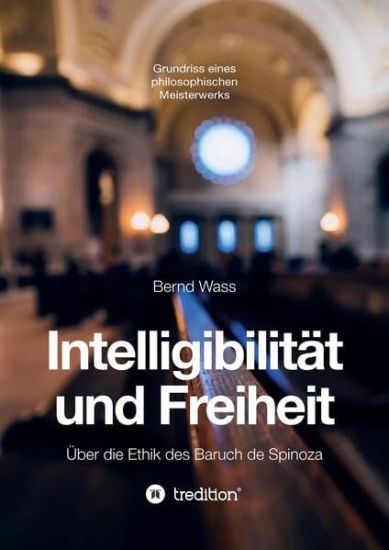
Intelligibilität und Freiheit: Über die Ethik des Baruch de Spinoza
Baruch de Spinoza ist im Kanon der gro en Rationalisten eine Ausnahmeerscheinung. Aus der j dischen Gemeinde ausgeschlossen und mit einem Bannfluch belegt, sucht er nach den Hintergrundvoraussetzungen eines selbstbestimmten und freien und also gelingenden Lebens. In seiner Ethik laufen die Linien zusammen: Gott und Welt sind intelligibel, allein der T tigkeit der Vernunft nach begreifbar, weshalb der Erkennende zugleich der Gl ckselige ist. Denn der Weise vermag nicht nur der Knechtschaft der Affekte, diesem dauernden Wogen unstillbarer Begierden, t richter Freuden und zerst rerischer Trauer zu entkommen, sondern unter einem Aspekt von Ewigkeit klar zu sehen und sich dem Griff der Autorit ten zu entziehen. Im vorliegenden Buch wurde der Versuch unternommen, Spinozas Ethik, sein Hauptwerk, dieses nach geometrischem Vorbild artikulierte Gedankengeb ude, das aus Definitionen, Axiomen, Lehrs tzen, Beweisen und Anmerkungen besteht, in eine philosophische Erz hlung zu berf hren, mit dem Ziel, den Grundriss desselben offenzulegen und es f r alle Menschen zug nglich zu machen, die an philosophischer Weltdeutung interessiert sind.
Intelligibilität und Freiheit: Über die Ethik des Baruch de Spinoza
Baruch de Spinoza ist im Kanon der gro en Rationalisten eine Ausnahmeerscheinung. Aus der j dischen Gemeinde ausgeschlossen und mit einem Bannfluch belegt, sucht er nach den Hintergrundvoraussetzungen eines selbstbestimmten und freien und also gelingenden Lebens. In seiner Ethik laufen die Linien zusammen: Gott und Welt sind intelligibel, allein der T tigkeit der Vernunft nach begreifbar, weshalb der Erkennende zugleich der Gl ckselige ist. Denn der Weise vermag nicht nur der Knechtschaft der Affekte, diesem dauernden Wogen unstillbarer Begierden, t richter Freuden und zerst rerischer Trauer zu entkommen, sondern unter einem Aspekt von Ewigkeit klar zu sehen und sich dem Griff der Autorit ten zu entziehen. Im vorliegenden Buch wurde der Versuch unternommen, Spinozas Ethik, sein Hauptwerk, dieses nach geometrischem Vorbild artikulierte Gedankengeb ude, das aus Definitionen, Axiomen, Lehrs tzen, Beweisen und Anmerkungen besteht, in eine philosophische Erz hlung zu berf hren, mit dem Ziel, den Grundriss desselben offenzulegen und es f r alle Menschen zug nglich zu machen, die an philosophischer Weltdeutung interessiert sind.
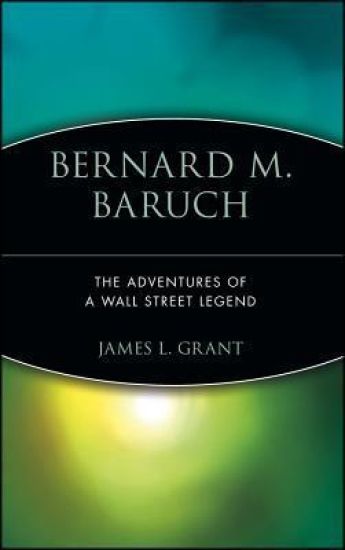
Bernard M. Baruch

Bernard M. Baruch

James L. Grant

John Wiley Sons Inc
1997
sidottu
This biography of Bernard Baruch considered to be renowned as the definitive story about the notorious financial wizard and presidential advisor. Baruch's political policies are discussed briefly, and James Grant includes a detailed account of Baruch's trading and investment gains and losses.
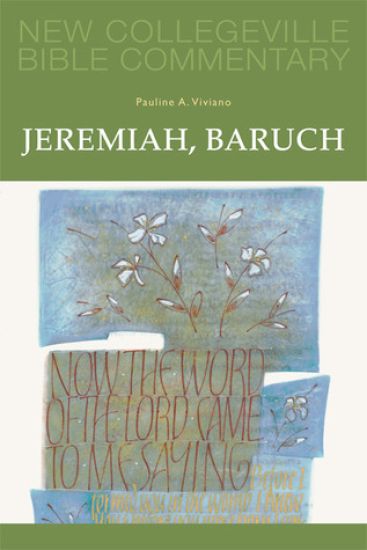
Jeremiah, Baruch

Jeremiah, Baruch

Pauline A. Viviano

Liturgical Press
2013
pokkari
Jeremiah grew up in a time of peace and died in exile. He lived to see the temple burned to the ground, Jerusalem destroyed, and his people marched into a foreign land. A reluctant prophet, Jeremiah preached the renewal of the covenant, teaching in parables like Jesus. His God was a God of hope, promise, power, and the will to make the people of Israel a holy people.The book of Baruch deals with the challenges faced by the Jews of the Diaspora who never returned to their homeland. Out of their exile, they became the people of "the book" gathering in their synagogues, studying the law and the prophets, and producing their own inspired sacred literature.
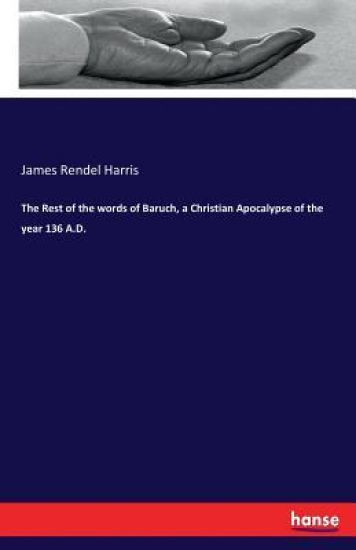
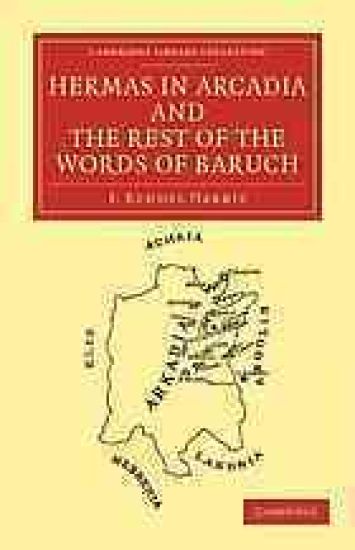
Hermas in Arcadia and the Rest of the Words of Baruch

Hermas in Arcadia and the Rest of the Words of Baruch

J. Rendel Harris

Cambridge University Press
2012
pokkari
Much of the work of James Rendel Harris (1852–1941), palaeographer and biblical scholar, focused on the translation and understanding of early Christian writing, and this collection of two volumes of essays examines two key texts. The first work in this reissue, published in 1896, discusses the book known as 'The Shepherd of Hermas'. This early work, thought to be written in Rome around the first or second century CE, is composed of three parts: visions, commandments and similitudes. Harris examines aspects of the work, such as how to interpret the ninth similitude - as allegory or literally - and discusses in detail questions about translation. Themes of other essays include the legendary library of Prester John in Abyssinia, the third-century writer Gaius the Presbyter and problems surrounding the fourth-century Codex Euthalianus. The second work, published in 1889, is concerned with the apocalyptic language in the book of Baruch.
Invisible Manuscripts: Textual Scholarship and the Survival of 2 Baruch
In this critical exploration of the role of manuscripts in textual scholarship, Liv Ingeborg Lied studies the Syriac manuscript transmission of 2 Baruch. These manuscripts emerge as salient sources to the long life of 2 Baruch among Syriac speaking Christians, not merely witnesses to an early Jewish text. Inspired by the perspective of New Philology, Lied addresses manuscript materiality and paratextual features, the history of ownership, traces of active readers and liturgical use, and practices of excerption and re-identification. The author's main concerns are the methodological, epistemological and ethical challenges of exploring early Jewish writings that survive only in Christian transmission. Through engagement with the established academic narratives, she retells the story of 2 Baruch and makes a case for manuscript- and provenance-aware textual scholarship.
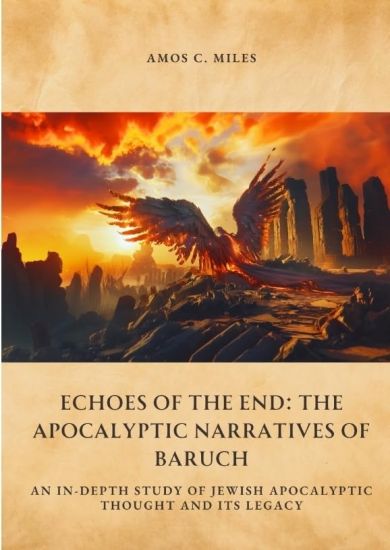
Echoes of the End: The Apocalyptic Narratives of Baruch: An In-Depth Study of Jewish Apocalyptic Thought and Its Legacy
In an era marked by profound upheaval and transformation, the Baruch Apocalypses emerged as powerful expressions of Jewish faith and enduring hope. Echoes of the End invites readers into the captivating world of apocalyptic literature, where the search for divine justice, the struggle with suffering, and the longing for redemption are central themes. Amos C. Miles offers a comprehensive analysis of the Baruch Apocalypses, exploring their origins, historical contexts, and rich symbolic meanings, as well as their lasting influence on Jewish theology. He examines the cultural and religious forces that shaped these texts and reveals how they articulated a response to the challenges and uncertainties of their time. This work is an essential read for theologians, historians, and anyone interested in the development of Jewish eschatology. Through keen insights into the significance of these apocalyptic visions and their messages, Echoes of the End offers new perspectives on the enduring impact of the Baruch Apocalypses-not only within Jewish tradition but also as a source of universal themes of hope, resilience, and faith in times of trial.
Echoes of the End: The Apocalyptic Narratives of Baruch: An In-Depth Study of Jewish Apocalyptic Thought and Its Legacy
In an era marked by profound upheaval and transformation, the Baruch Apocalypses emerged as powerful expressions of Jewish faith and enduring hope. Echoes of the End invites readers into the captivating world of apocalyptic literature, where the search for divine justice, the struggle with suffering, and the longing for redemption are central themes. Amos C. Miles offers a comprehensive analysis of the Baruch Apocalypses, exploring their origins, historical contexts, and rich symbolic meanings, as well as their lasting influence on Jewish theology. He examines the cultural and religious forces that shaped these texts and reveals how they articulated a response to the challenges and uncertainties of their time. This work is an essential read for theologians, historians, and anyone interested in the development of Jewish eschatology. Through keen insights into the significance of these apocalyptic visions and their messages, Echoes of the End offers new perspectives on the enduring impact of the Baruch Apocalypses-not only within Jewish tradition but also as a source of universal themes of hope, resilience, and faith in times of trial.