

Kirjahaku
Etsi kirjoja tekijän nimen, kirjan nimen tai ISBN:n perusteella.
1000 tulosta hakusanalla Claude Perry
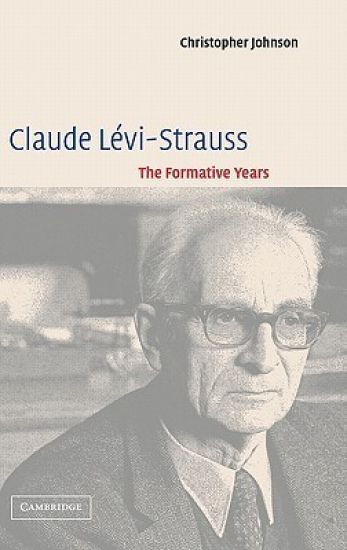
Lévi-Strauss is one of the major intellectual figures of the twentieth century. His theory of structuralism has been influential not only in anthropology, but across the entire field of the humanities and social sciences. This book looks at the formative period of his career, from the 1940s to the early 1960s, where he attempts to define both his own place in anthropology and the place of anthropology in the wider context of the human sciences in France. Through a close reading of key texts, Christopher Johnson provides an introduction to key aspects of Lévi-Strauss' thought, at the same time posing more general questions concerning the construction of theory and the different modes of conceptualization that inform theory. Johnson looks at the ideological and autobiographical dimensions of Lévi-Strauss' work, and demonstrates how the impact of structuralism as an intellectual movement has clearly been greater than the sum of its theoretical parts.
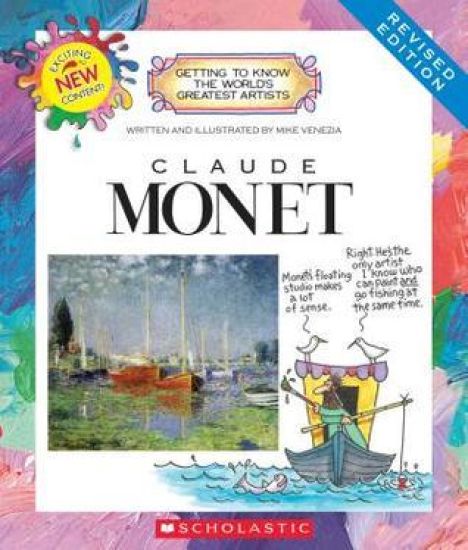
Claude Monet (Revised Edition) (Getting to Know the World's Greatest Artists)
Mike Venezia
C. Press/F. Watts Trade
2014
nidottu
Meet Artist Claude Monet Getting to Know the World's Greatest Artists series combines a delightful mix of full-color historical reproductions, photos, and hilarious cartoon-style illustrations that bring to life the works of renowned artists, combining poignant anecdotes with important factual information for readers (Ages 8-9).This book provides an entertaining and humorous introduction to the famous artist, Claude Monet. Full-color reproductions of the actual paintings are enhanced by Venezia's clever illustrations and story line.

Memoirs Of Sir Claude Champion De Crespigny
Claude Champion De Crespigny; George A. B. (EDT) Dewar
Kessinger Pub
2007
pokkari


Claude's Book
Claude H. Kelway-bamber; L. (EDT) Kelway-bamber; Oliver Lodge
Kessinger Pub
2008
pokkari

This is a major study of the Nobel prize-winning French novelist Claude Simon. Simon is a complex figure: for all that he writes in a distinctively modern fictional tradition (exemplified by Proust, Joyce, Beckett and Robbe-Grillet), his novels contain strong elements of visual representation alongside a very different king of free-floating, anti-realist writing.

Claude Debussy (1862–1918) was a great harmonic innovator and one of the most original musical voices of the twentieth century. He created fresh, new tonal perspectives without abandoning tonality itself. With a revolutionary sense of instrumental colour and a fleeting, atmospheric sound world, he is often described, rightly or wrongly, as an ‘Impressionist’ composer. This book presents a clear narrative history of Debussy’s life, work and cultural context along with essential reference material and striking illustrations, making it a vital purchase for anyone interested in the composer.
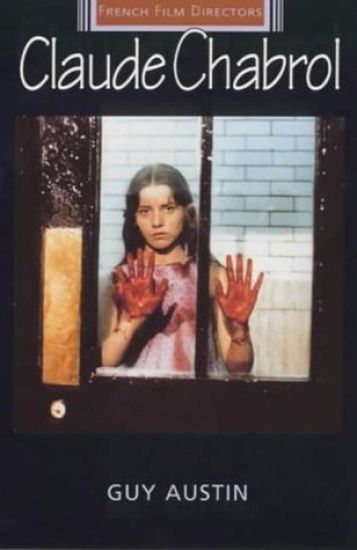
This is the first book-length study in English on Chabrol since 1970. Chabrol has always been a neglected figure in the French New Wave but has recently been declared 'possibly the greatest living film director in France'.. Coincides with the recent renewal of interest in Chabrol, which has seen his back catalogue released in the UK on video.. Celebration of Chabrol's fiftieth film recently, Rien ne va plus prompted many festivals and retrospectives. Publication coincides with Chabrol's new film which is discussed in this study.. Writtten by one of the liveliest critics in French cinema - author of Contemporary French Cinema.

Claude Chabrol's Aesthetics of Opacity
Edinburgh University Press
2017
nidottu
Claude Chabrol's cinema is generally associated with a specific type of psychological thriller, one set in the French provinces and fascinated with murder, incest, fragmented families, unstable spaces and inscrutable female characters. But Chabrol's films are both deceptively accessible and deeply reflexive, and in this innovative reappraisal of his filmography Catherine Dousteyssier-Khoze explores the Chabrol who was influenced by Balzac, Magritte and Stanley Kubrick. Bringing to the fore Chabrol's 'aesthetic of opacity', the book deconstructs the apparent clarity and comfort of his chosen genre, encouraging the viewer to reflect on the relationship between illusion and reality, and the status of the film image itself.

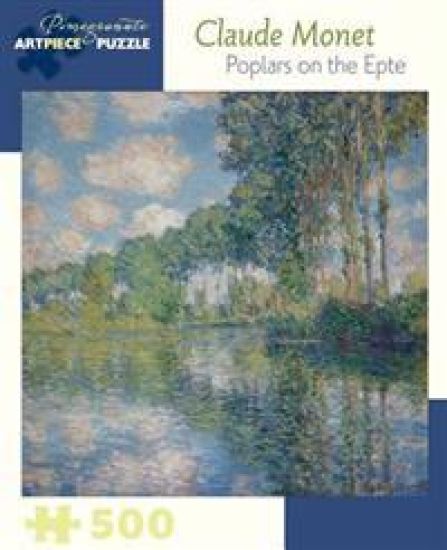
Claude Monet Poplars on the Epte: 500 Piece Jigsaw Puzzle
Pomegranate Communications
2015
muu

Claude Monet Water Lilies 1000-Piece Jigsaw Puzzle
Claude Monet
Pomegranate Communications Inc,US
2019
muu
Claude Buffier (1661-1737) was a French Jesuit whose philosophy earned Voltaire's praise. Thomas Reid (1710-96) was the one Scottish philosopher whose response to David Hume is still taken seriously. In this comparative study Professor Marcil-Lacoste not only refutes common assumptions, but also shows that, despite their similar concerns and the unfounded charge that Reid plagiarized from Buffier, a comparison of Reid and Buffier illuminates a range of significant epistemological issues. Further, she demonstrates that common-sense philosophies can be varied, subtle, and original. This book also includes an edited and annotated version of Reid's hitherto unpublished curâ primâ on common sense prepared by David Fate Norton.
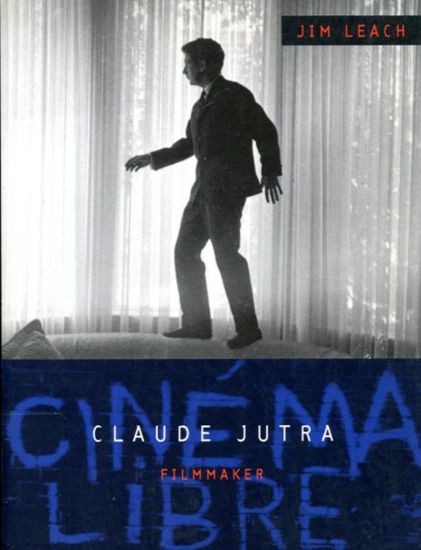
Through close readings of Jutra's major films, Jim Leach analyses their distinctive cinematic qualities and discusses the responses they have received from reviewers and critics. He focuses both on the films and the historical and cultural contexts in which they were made, arguing that critics have frequently used inappropriate criteria to judge them and that these misunderstandings reveal much about attitudes to Canadian cinema in general. Jutra's films are shown to reflect the instability of their cinematic and cultural contexts and raise important questions about nationhood. Jutra always identified himself as a separatist and his films were shaped by the rapid changes in Quebec society during the Quiet Revolution and by the political tensions of the sixties and seventies. At the same time his work was often appreciated by English Canadian critics and audiences and was affected by federal film policy and institutions. Although Jutra died in 1986, his films and career still have much to tell us about Canadian cinema and media production, and about the complex cultural contexts that underlie the ongoing debates on Canadian and Quebec nationhood.