Kirjojen hintavertailu. Mukana 11 699 587 kirjaa ja 12 kauppaa.

Kirjahaku

Etsi kirjoja tekijän nimen, kirjan nimen tai ISBN:n perusteella.

1000 tulosta hakusanalla Dagmar Wirch

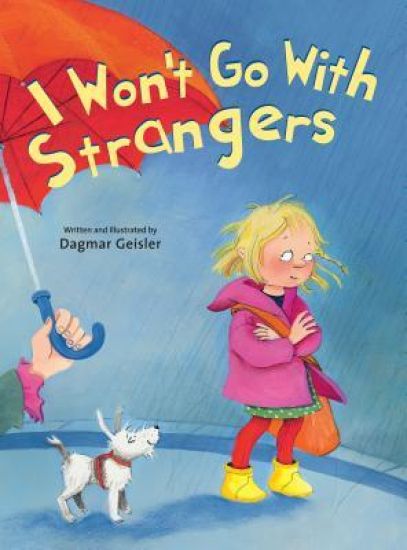
I Won't Go With Strangers

I Won't Go With Strangers

Dagmar Geisler

Sky Pony Press
2018
sidottu
Over 75,000 sold, this thoughtful, helpful book was written to help parents explain children the dangers posed by strangers.Lu won’t go with just anyone! She is waiting to be picked up after school. She stands on the sidewalk, all alone, and it starts to rain. Ms. Smith walks by, and offers to take her home. Ms. Smith lives in Lu’s neighborhood—but does Lu really know her? Lu asks herself, what’s her first name? Does she dye her hair red? What’s her dog’s name? And she says, “I don’t know you, so I won’t go with you! And besides, Mama said I should wait.”As other adults—all of whom Lu has met in some capacity before—offer to take her home, Lu continues to consider if she really knows them. One by one, she refuses to go with them. Until, finally, the person Mama said she should go home with shows up—though his appearance is a surprise to the reader!This sensitively narrated story illustrates how clear rules and arrangements can help protect and empower children during an especially vulnerable time of day. The ending includes a prompt for readers to create their own similar “safe” list, and a list of resources for parents.
I Can Control My Anger

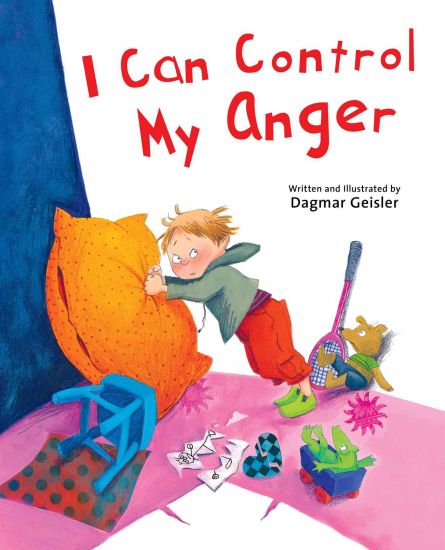
I Can Control My Anger

Dagmar Geisler

Sky Pony Press
2019
sidottu
The perfect tool to teach children how to evaluate and manager their anger. Do you sometimes get angry? I do. Sometimes I have such rage, I want to yell at the top of my lungs or shout at someone else. Sometimes I even want to shred something or stomp on it. When I get angry, my heart beats faster than usual, I get hot, and my face turns as red as a tomato. Occasionally, I get cold and my hands shake when I am really frustrated and mad. We all get angry, and we all feel that anger in different ways. We may get hot or cold. We may want to yell at our parents or our friends, or we may want to pout and not talk to anyone. We may want to punch pillows or we may just want to cry. Sometimes we know why we’re angry, and sometimes we don’t. And that’s okay. This book sensitively teaches young readers about anger and shows them healthy ways to process and express their thoughts and emotions when they are mad. I Can Control My Anger provides parents, grandparents, teachers, and caregivers the opportunity to speak with children about this important topic.
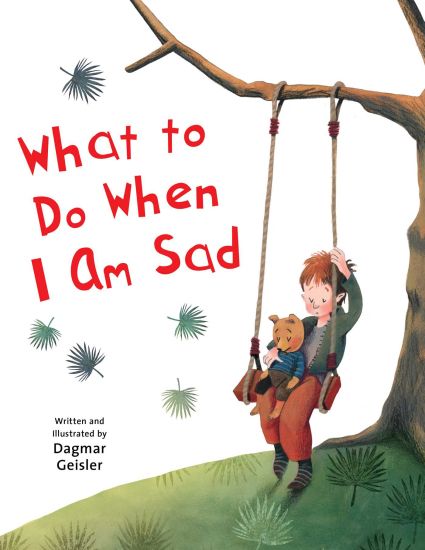
What to Do When I Am Sad

What to Do When I Am Sad

Dagmar Geisler

Sky Pony
2020
sidottu
Have you ever been sad? We can be sad for many reasons. Maybe it's raining and you want to play outside. Maybe a friend moved away, or you're sick on your birthday. Everyone feels sadness in different ways. You might feel like crying all the time, or you may be constantly cold or hungry. You might even feel sick to your stomach or angry. There's no right or wrong way to be sad. One event that makes us all sad, regardless of how old we are or where we live, is losing a loved one. When someone we love dies, some people want to be alone, while others need company. Some people may want to hide under covers and do nothing all day, while others want to keep busy. Just like being sad, there's no right or wrong way to mourn. In Dagmar Geisler's What to Do When I Am Sad, readers will learn to recognize why they're sad and how that sadness is making them feel otherwise. They will also learn that it's okay to express that sadness through tears, controlled anger, creativity, or conversation. What to Do When I Am Sad gives parents, grandparents, and caregivers the opportunity to speak with children about sadness, depression, and grief.
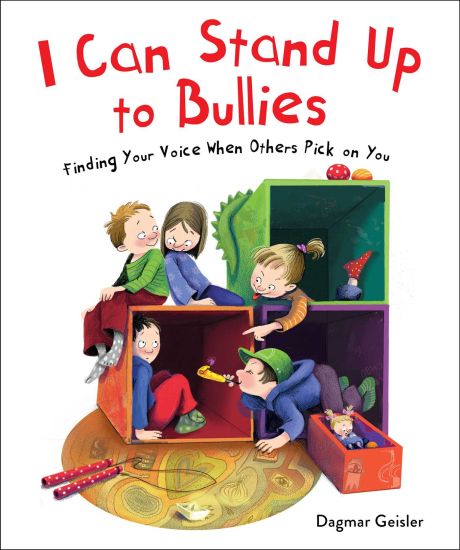
I Can Stand Up to Bullies

I Can Stand Up to Bullies

Dagmar Geisler

Sky Pony Press
2021
sidottu
The perfect tool to teach children how to respond to bullies. I Can Stand Up to Bullies provides parents, grandparents, teachers, and caregivers the opportunity to speak with children about this important topic. You can be angry for many different reasons—maybe a friend canceled a playdate with you, maybe it’s lightning when you’re supposed to be swimming, or maybe your dog destroyed your favorite toy. Maybe you’re upset that you’ve argued with a good friend, or maybe you're troubled when other kids are teasing or picking on you. In I Can Stand Up to Bullies, children discuss the different things that make them upset and angry, specifically being the target of bullying from their peers. They clear up the confusion between arguing and bullying, determining that arguing means fighting caused by misunderstandings or conflicting opinions, while bullying is simply fighting to fight. A bully isn’t looking to solve a problem; they only wish to make others upset or angry—perhaps as upset or angry as they are feeling in that moment. The children in this book teach each other important lessons they’ve learned through their own experiences with bullies, driving home the fact that bullying is never okay—but that it is always okay to find an adult if another child won’t leave them alone and is repetitively mean to them, no matter how embarrassed they may feel doing so. In I Can Stand Up to Bullies, award-winning author and illustrator Dagmar Geisler draws attention to this sensitive subject and provides advice for not only the children who are being bullied, but also those who are witnessing their friends being picked on and the bullies themselves.
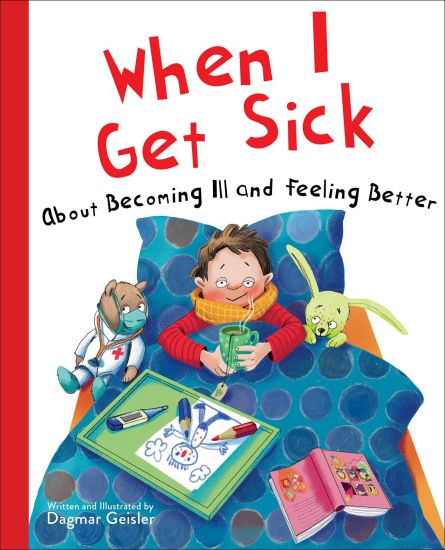
When I Get Sick: About Becoming Ill and Feeling Better
The perfect tool to teach children about both infectious, chronic, and mental illnesses they may be experiencing firsthand. When I Get Sick provides parents, grandparents, teachers, and caregivers the opportunity to speak with children about this important topic. Have you ever been sick? Or do you know someone who has been sick for a long time? How do you take care of yourself when you're feeling ill? How can you get healthy again? How can you avoid getting sick in the first place? When I Get Sick realistically addresses both infectious and chronic diseases, from the common cold to cancer. The children in this book discuss their different experiences with being sick so that every reader can find themselves on these pages. Children will learn about germs, viruses versus bacterial infections, and contagious versus noncontagious illnesses and issues. They'll see children attend doctor's appointments, experience blood tests and imaging, and even spend time in the hospital for surgeries. Preventative techniques such as handwashing, a healthy diet and exercise, and vaccinations are also discussed in detail. Everything from ear aches, coughs and colds, tummy aches, chicken pox, the flu, diabetes, cancer, neurodermatitis, heart defects and asthma, to allergies, broken bones, and mental illness is discussed in this thoughtful and sensitive book. In When I Get Sick, award-winning author and illustrator Dagmar Geisler presents the perfect opportunity for adults to talk to children about diseases, treatments, prevention, and how important it is to take care of their mind and body.
What Happens When I'm Scared?

What Happens When I'm Scared?

Dagmar Geisler

Skyhorse Publishing
2024
sidottu
The perfect tool to teach children how to handle emotions such as feeling scared, anxious, or worried. What Happens When I'm Scared? provides parents, grandparents, teachers, and caregivers the opportunity to speak with children about this important topic. What is fear? What does it feel like? Can feelings of fear be passed on to others? And can they return? In What Happens When I’m Scared?, children take turns listing what scares them. They express their concern over the dark, big dogs, heights, spiders, monsters under the bed, bullies, extreme weather, and speaking in front of others. Through discussing what they fear, they begin to understand why certain places, people, or circumstances make them feel nervous, worried, anxious, scared, or even nauseous. They learn about their body’s biological reactions, both physical and mental. And they determine that it’s absolutely okay to be afraid and that everyone, from babies to grandparents, is scared sometimes. In What Happens When I'm Scared, award-winning author and illustrator Dagmar Geisler draws attention to what could be a sensitive subject to some and provides advice for overcoming fear that will be helpful to young readers as well as those who live and work with them daily, like parents, grandparents, teachers, siblings, and caregivers.
Don't Stress about Stress: Tips and Exercises for Everyday Life
From award-winning author Dagmar Geisler, in collaboration with illustrator Nikolai Renger, a brand-new series for elementary school students about social-emotional learning and physical and mental health. What is stress? I hear about it all the time, but what is it? How do I know I'm stressed? Can stress ever be good? And what can we do to prevent stress from harming us? Kaleb, Hannah, and Joe find answers to these questions and are hot on the heels of the stress monster in Don't Stress About Stress. This book explains how stress can express itself in different ways and includes simple tricks for everyday life to prevent stress from causing damage. Don't Stress About Stress is a strong conversation-starter for adults and children and is also a practical guide.
Using the Internet for Virtual School

Using the Internet for Virtual School

Dagmar Geisler

Skyhorse Publishing
2024
sidottu
From award-winning author Dagmar Geisler, in collaboration with illustrator Nikolai Renger, a new series for elementary school students about social-emotional learning and physical and mental health. In recent years, children of all ages—just like many adults!—from all over the world have had to shift the way they learn and work. They’ve adapted to sitting in front of their computers or tablets instead of in a physical class with their peers. Some have thrived in this environment, while others struggle to prepare themselves for the virtual learning experience. In Using the Internet for Virtual School, best friends Madison and Luke quickly learn all about what can go wrong if they’re not prepared for their virtual lessons when Luke’s older brother, Tim, experiences a stressful online presentation. The laptop dies, his video files won’t load, and possibly worst of all, he didn’t realize an embarrassing (babyish!) poster was hanging on the wall behind him the whole time! This sours Tim’s mood for the foreseeable future, and Madison and Luke decide to make a list of the Do’s and Don’ts of virtual school and presentations so they don’t replicate Tim’s disaster of a day when it comes time for them to join their class online. In this timely book, award-winning author Dagmar Geisler presents tips and tricks—as well as some golden rules—to help primary school students prepare for their digital lessons and presentations. This is a strong conversation-starter for adults and children and is also a practical guide.
How Can I Be Safe Online?

How Can I Be Safe Online?

Dagmar Geisler

Skyhorse Publishing
2025
sidottu
From award-winning author Dagmar Geisler, in collaboration with illustrator Nikolai Renger, a brand-new series for elementary school students about social-emotional learning and physical and mental health. The internet can be a scary place, for children and adults alike. How can you be sure that who you're talking to isn't a troll, and that they're telling you the truth? How can you be sure that the photos and information you share with family and friends will remain private? Luckily, the Net-Experts, Madison and Luke, are making a list for you about how to behave on the internet in a way that will help keep you and your information out of the wrong hands, will help you avoid bullies and trolls, and help you know how to respond in difficult and uncomfortable situations that may arise.How Can I Be Safe Online? is a strong conversation-starter for adults and children and is also a practical guide.
Wunderblume: Lebenslandschaften

Wunderblume: Lebenslandschaften

Dagmar Pavalache

Createspace Independent Publishing Platform
2015
nidottu
Expos zu Wunderblume Wunderblume stellt einen Erz hlband dar, der in kurzen Geschichten die Landschaften des Lebens beschreibt. Ohne zu psychologisieren wird Einsicht in die Hintergr nde von Handlungen und Geschehnissen m glich. Lisa erz hlt von einer, auch von sich selbst, ungeliebten Frau, die nach tiefster Dem tigung eine t dliche Grenze setzt. Der Flu beschreibt die Seelennot der Ungeborgenheit im Leben im Kontrast zu dem Gef hl der Selbstverst ndlichkeit zu sein. In Das Haus wird erz hlt wie eine ortsgebundene Qualit t des Seins sich in den Leben der wechselnden Bewohner zeigt. Dialog ist ein am santes Mi verst ndnis. Der Sprung schildert eine Schwesternrivalit t bis zum bitteren Ende. Charlotte steht stellvertretend f r das Leben von Au enseitern. Manchmal ist eine sehr pers nliche R ckschau auf ein Mutter-Tochter-Verh ltnis. Wunderblume schildert die Ehe zweier unvereinbarer Menschen. Der erste Ku macht die Unnachholbarkeit verpa ten Lebens deutlich. Kurzfassung ist dazu analog die Kurzfassung. Am Flu erz hlt von einer Frau, die sich vom Leben zur ckzieht und durch eine ungewollte Begegnung wieder Mut fa t. Noica setzt sich mit der Bedeutung des letzten Wortes eines sterbenden Philosophen auseinander.
Dönekes: Geschichten aussem Pott

Dönekes: Geschichten aussem Pott

Dagmar Pavalache

Createspace Independent Publishing Platform
2016
nidottu
Eingebettet in die kurz skizzierten Kindheitserinnerungen der Autorin, die im Ruhrgebiet aufwuchs, vermitteln die D nekes ein liebevoll gezeichnetes Bild der Menschen im Pott. Die Umst nde m gen sich in den letzten sechzig Jahren ge ndert haben - die Menschen dort sind sich treu geblieben. In ihrer bodenst ndigen Toleranz, ihrer Geradlinigkeit, ihrem unwiderstehlich trocken-treffenden Humor. D neken (Plural D nekes): heitere kleine Erz hlung, die einen ungew hnlichen, oft witzigen Ausgang hat. Ein D neken wird in der Regel erz hlt, nicht geschrieben. Daher die Einfachheit der Sprache und des Satzbaus - nicht aber des hintergr ndigen Humors und der oft enthaltenen Lebensweisheit. Es empfiehlt sich - vor allem den Ruhrpottdeutsch-Unkundigen - die Texte laut zu lesen. Es vereinfacht das Verst ndnis ungemein.
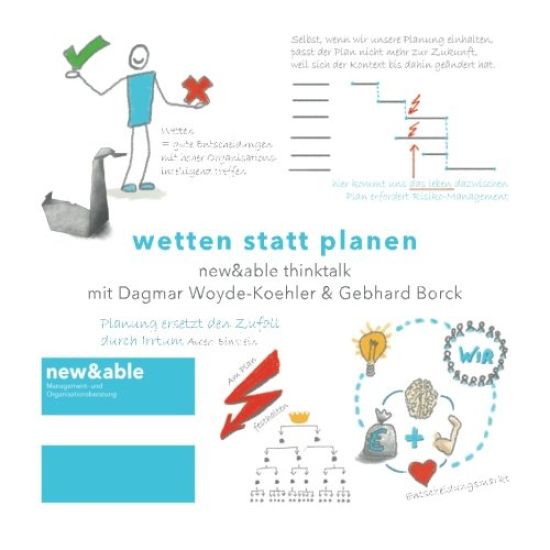
wetten statt planen: new&able thinktalk

wetten statt planen: new&able thinktalk

Dagmar Woyde-Koehler; Gebhard Borck; Franziska Köppe

Createspace Independent Publishing Platform
2016
nidottu
Im Juli traf man sich bei new&able zum spannenden gemeinsamen Diskussionsabend ber die Frage "Wetten statt Planen". Nach einer Einleitung in das Thema zwischen Dagmar Woyde-Koehler und Gebhard Borck ffneten wir die Diskussion f r alle Besucher.Das Buch dokumentiert die Fragen und Antworten aus beiden Teilen.Es ist die Weiterf hrung des thinktalk alsoffenes Format zum gemeinsamen Denken. Mit dem detaillierten Verzeichnis gehen Sie direkt zu dem Inhalt, der Sie interessiert.Sie finden im Buch viel Platz als Raum f r eigene Anmerkungen, Fragen und Ideen. Die vielseitige Erg nzung durch Grafiken, Sketchnotes, Comics, Hervorhebungen und direkten Fragen erleichtern es, in den eigenen Denkprozess einzusteigen. Wir hatten viel Vergn gen, lernten einiges dazu und konnten festgefahrene Denkmuster mit neuen Ideen bereichern. Mit dem Buch wollen wir dieses Erlebnis weitergeben. Deshalb erscheint es zum Selbstkostenpreis der Produktionskosten. Inhalt: Dank... AnwendungPersonenBegr ung und EinleitungGespr ch zwischen Dagmar Woyde-Koehler und Gebhard BorckWetten oder ZockenAuf sich selbst wettenPsychologie des WettensZukunft mit dem Plan vorweg nehmenPlanen als strukturiertes DenkenPlanung verhindert IntelligenzWenn Planen philosophisch wirdIm Plan optimieren Mitarbeiter ihre pers nliche SituationOffene Gespr chsrundePl ne orientierenDiktatur, Plan und MitbestimmungStrategie zusammen mit 10.000 Mitarbeitern entscheidenPl ne brauchen GeniesPlanung, F hrung & Mitarbeiter einbindenWette vs. Plan in der Kommunikation mit MitarbeiternPl ne und SicherheitWetten und RisikoSind Massenentscheide mit der richtigen Frage besser?Planung und GruppenprozessePlan und Willk rWetten zu Feedback vs. Plan zu Soll-Ist-VergleichWas lernt die Strategieabteilung daraus?Die Wahrscheinlichkeit zu scheiternEntscheidungsebenen - Strategie - WetteWette in praktischer Umsetzung 1: Milliarden-ProjektWette in praktischer Umsetzung 2: Kundenprojekt mit dynamischer Kapazit tsobergrenzeWette in praktischer Umsetzung 3: UnternehmensdemokratieIst die Wett-Dynamik nur etwas f r den MittelstandBedeutung heute Inseln der Gl ckseligkeit - Die klassische Wirtschaft tut sich schwerDynamische ZielsystemeSchluss mit Planwirtschaft;-)Praxisbeispiele: # Existenz verwetten# Apple vs. Google# Bau Windkraftanlagen# Immobilienvorhaben# Autopanne# Milliarden-Projekt im Gro konzern# Mittelst edler mit dynamischen Ziel- und Feedback-System# Mittelst edler mit Unternehmensdemokratie / Holokratie / Soziokratie
Rein privat: Innenansichten

Rein privat: Innenansichten

Dagmar Pavalache

Createspace Independent Publishing Platform
2016
nidottu
Sollte der geneigte Leser sich Wechselb dern ausgesetzt f hlen - da hat er recht. Das befreiende Lachen bleibt schon beim n chsten Gedicht im Halse stecken, und die nachdenkliche Betroffenheit m ndet alsbald in Heiterkeit. So soll es sein.